June 11, 2007
CR Review: To Terra Vol. 1
 Creator:
 Keiko Takemiya
Publishing Information: Vertical, soft cover, 344 pages, February 2007, $13.95
Ordering Numbers: 9781932234671 (ISBN13), 1932234675 (ISBN10)
You get to a certain age, you no longer put forward dissenting views for the simple pleasure of being contrary. Besides, I found the conventional wisdom on Vertical's
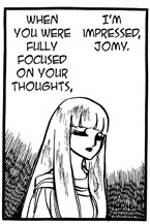
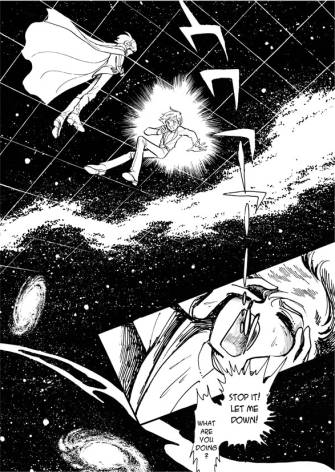
To Terra to be pretty much spot-on: 1) there are few signs in the first volume it will ever transcend its mighty array of 1970s science fiction cliches to become something of unique, significant, artistic and literary value, and 2) it's pretty enough a lot of people probably won't care. What interest there is in the project comes from holding the book at arm's length and asking over and over again, "Why do you figure that was a good idea?" It's not that you ever doubt Keiko Takemiya, an extremely versatile cartoonist working with all cylinders firing here art wise, but you ask the question in frustration out of not being able to connect. The presentational style shoves itself in insistent fashion right up to the edge of some strange abyss of baroque. It's as if Takemiya dove into the story determined to use multiple underlying visual subtexts where one might have done the trick. I count three recurring motifs: size and placement, movement from one space to another, and the physical separation of characters according to emotional state. That's a lot of different visual signatures to follow, and there are times when the reader might feel hustled from place to place. At times, reading
To Terra Vol. 1 feels sort of like working one's way through the length of a jarring Disney World ride.
Certainly something worth noting could develop from this approach, and I wouldn't dismiss subsequent volumes out of hand. One reason that things like the forced stratification of society and aberrant underworlds and people rattled by the isolation of space travel became cliches is that they were used over and over again to fine effect. Something particularly powerful about 1970s science fiction of the kind that touched a bit on the great split in American society that took place in the 1960s is that many books and movies were anticipatorily pessimistic, like they ran out in front of everyone else to display their shitty outlook badges. Thirty-five years ago it was still possible to have a notion accepted as gospel in one part of the country, when the very thing it was a statement against had yet to develop in others. White plastic societies assumed control over civil liberties in books and on screen popular on the coasts just as the hair was starting to get a bit longer in some of the smaller Midwestern towns. That to me at least is what's interesting about the idea of children in these stories: not children themselves, but a metaphor for those much less practiced in a society whose future is a couple thousand miles away. Now everything travels much faster, of course, and there's a self-awareness about the prophetic nature of art that didn't exist when
To Terra was made. Although it would take a minor miracle for this to become a story of heart and import, it's worth remembering how information was processed not in the future, but our past.
 posted 1:00 pm PST
 |
Permalink
Daily Blog Archives
November 2019
October 2019
September 2019
August 2019
July 2019
Full Archives