October 14, 2012
FFF Results Post #311—All About Formats
On Friday,
CR readers were asked to "Name Five Comics-Related Formats -- Has To Encompass More Than One Title/Creative Effort/Series -- That You Are Tempted To Or Already Collect Regardless Of Content, Or At Least Not Solely Because Of Content." This is how they responded.
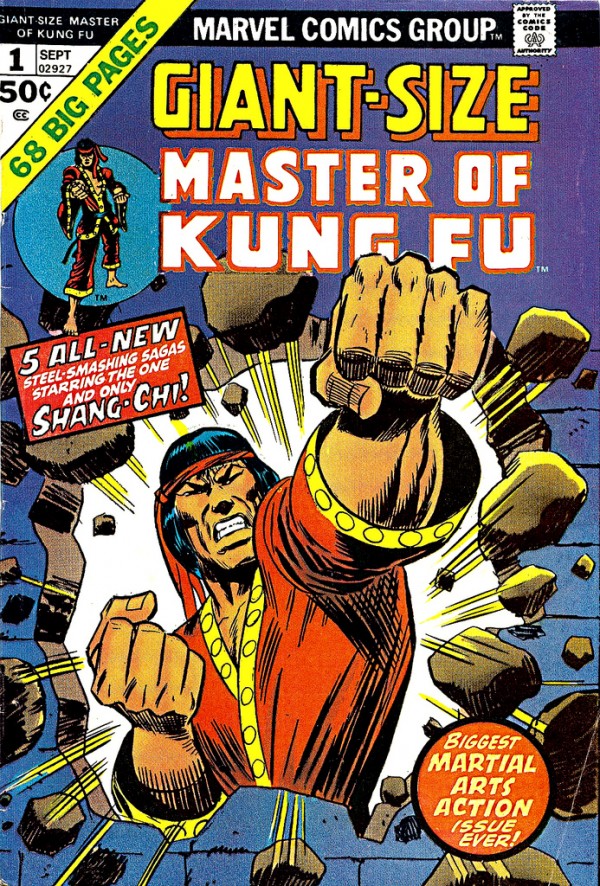 Tom Spurgeon
1. Marvel's Mid-1970s Giant-Size Comics
2. Magazine-Sized Indy/Alt Comics
3. The L'Association Pattes Des Mouche Series
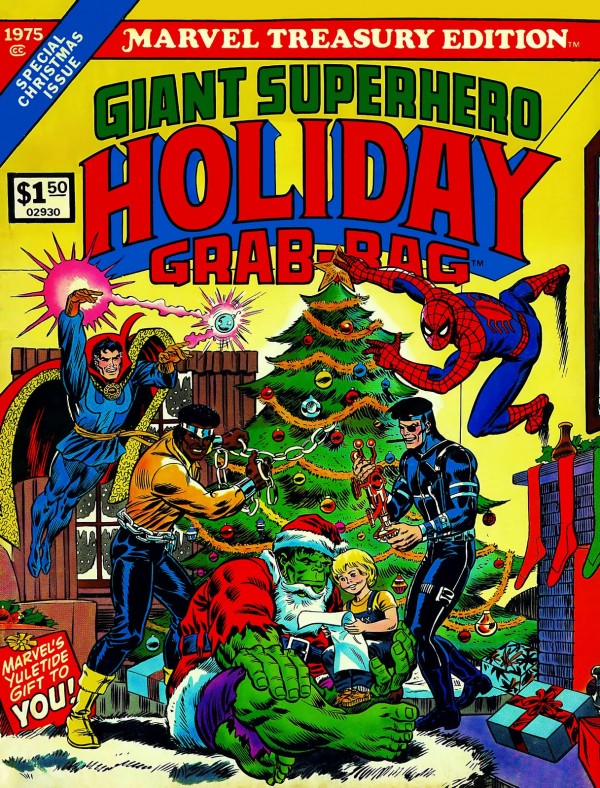
4. Marvel Treasury Editions
5. Digest-Size Comics
*****
 Dave Knott
* Leporello comics
* Black and white humour comics magazines
* Boxed sets of minicomics
* Cinebook's two-in-one reduced-size bande dessinée translations
* Broadsheet comics
*****
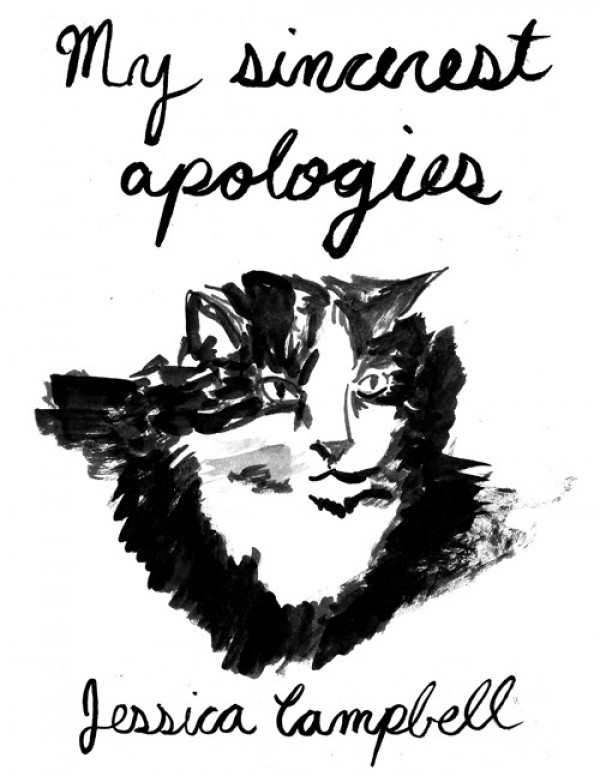 Charles Brownstein
1) Quarter-sized, Xeroxed mini-comics, a la current Oily Comics
2) Fantagraphics/Coconino Press Ignatz line
3) Fully-silkscreened comic books, a la Garret Izumi, Henriette Valium & Jen Tong
4) Oversized art comics, a la 90s Mazzucchelli, Pope, Ware
5) Digest sized Mexican exploitation comics
*****
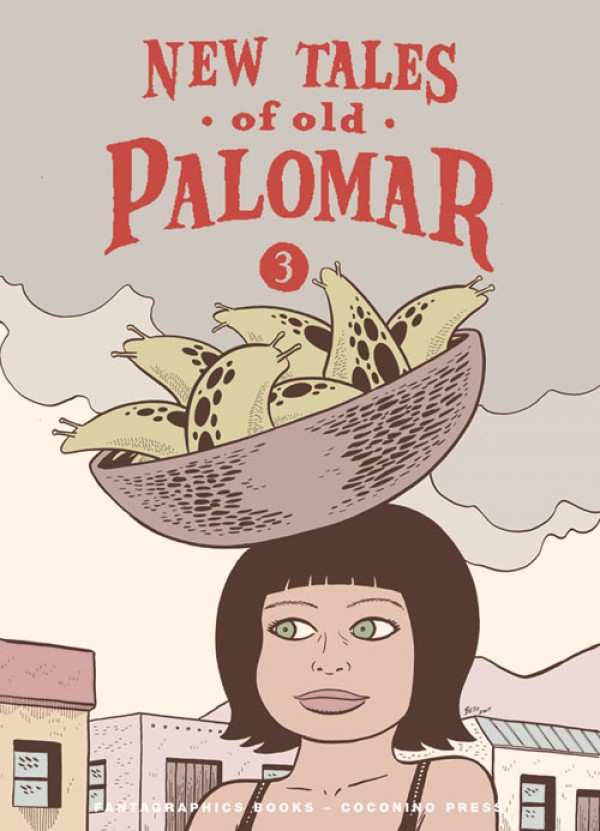 Trevor Ashfield
1. Marvel Comics' 25-cent, 48 page comics cover dated November 1971
2. "DC Explosion" titles at 50 cents, 40 pages from September 1978
3. British "Bumper" Books from the 1960s with U.S. comics reprints
4. "Ignatz" format comics published by Fantagraphics, Drawn & Quarterly, Blank Slate etc.
5. Kitchen Sink hardcovers from the 1980s
*****
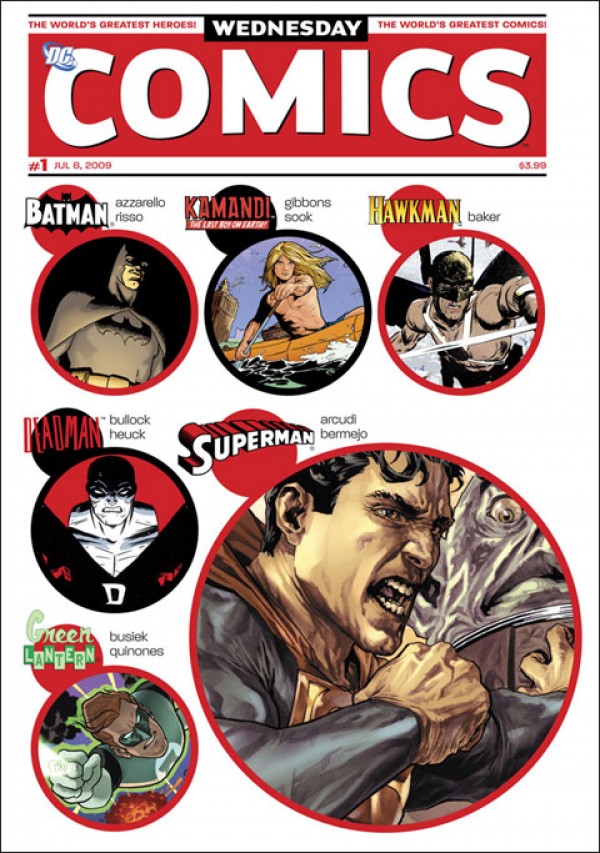 Oliver Ristau
1.)
DC Limited Collectors' Editions
2.) Oversized anthologies like "Finnish Comics Annual" 2011 and 2012 http://finnishcomics.info/category/publications/finnish-comics-annual/ or Carlsen's "
Comics - Weltbekannte Zeichenserien" (published during the 1970s in Denmark, Sweden and Germany) featuring world famous comic strips
3.) Magic Strip's "
Atomium 58," clothbound, two-colour hardback albums featuring artists like Clerc or Chaland
4.) Newspaper style format comics like Russ Cochran's "Sunday Funnies", DC's "Wednesday Comics" or the comics supplement in McSweeny's No. 33
5.) Very little and handy books like Marcel Van Eeden's "
Witness For The Prosecution" or s! #10: "
Sea Stories"
*****
 Michael Grabowski
1. Page-A-Day calendars of panel strips
2. Library of American Comics-styled daily strip collections
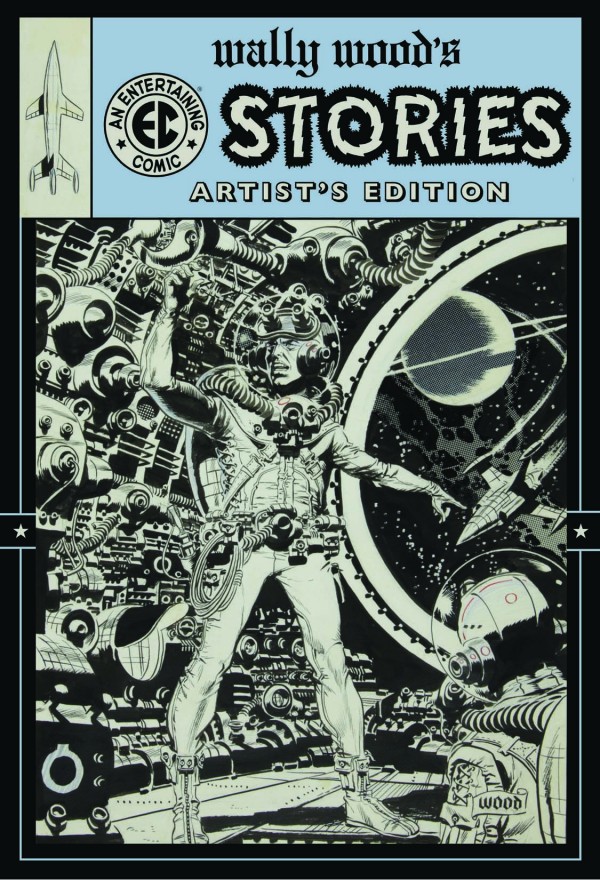
3. IDW Artists Editions
4. DC treasury-sized Famous First Editions
5. Marvel's Annuals circa 1960's
*****
 Don MacPherson
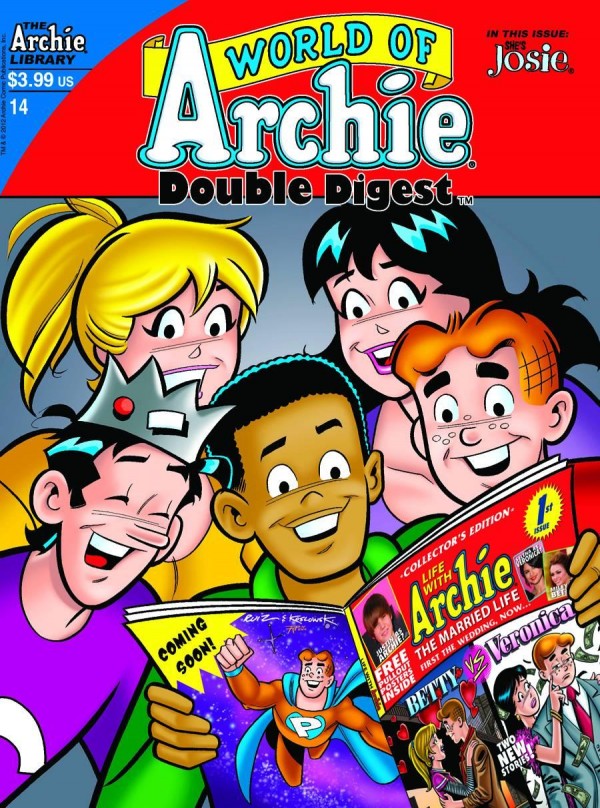
1) Digests (old school Archie/DC Blue Ribbon size)
2) Marvel magazines (such as Epic, Rampaging Hulk)
3) DC Comics Presents/Vertigo Resurrected
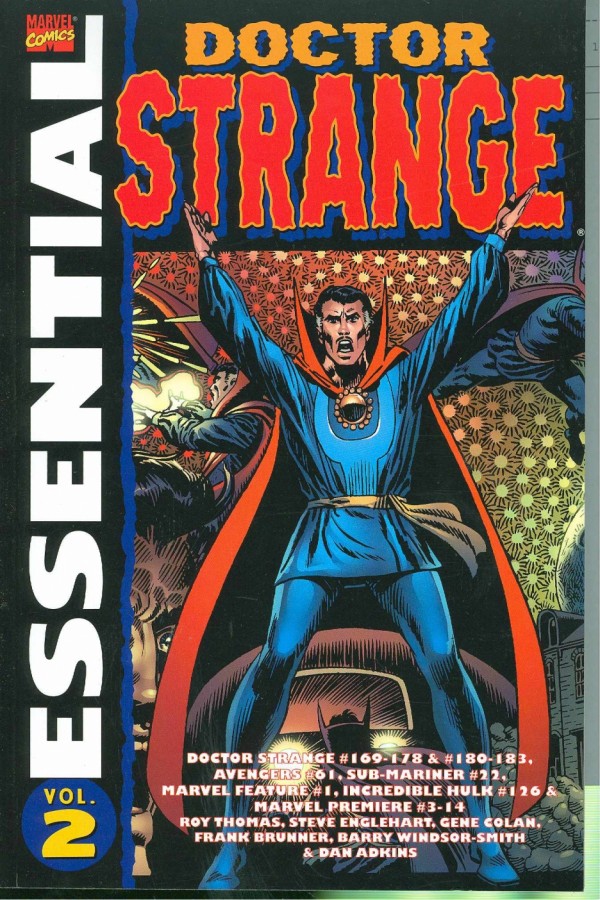
4) Black-and-white "phone books" (a la DC Showcase, Marvel Essential and others)
5) 1970s DC dollar comics
*****
 Mike Pfefferkorn
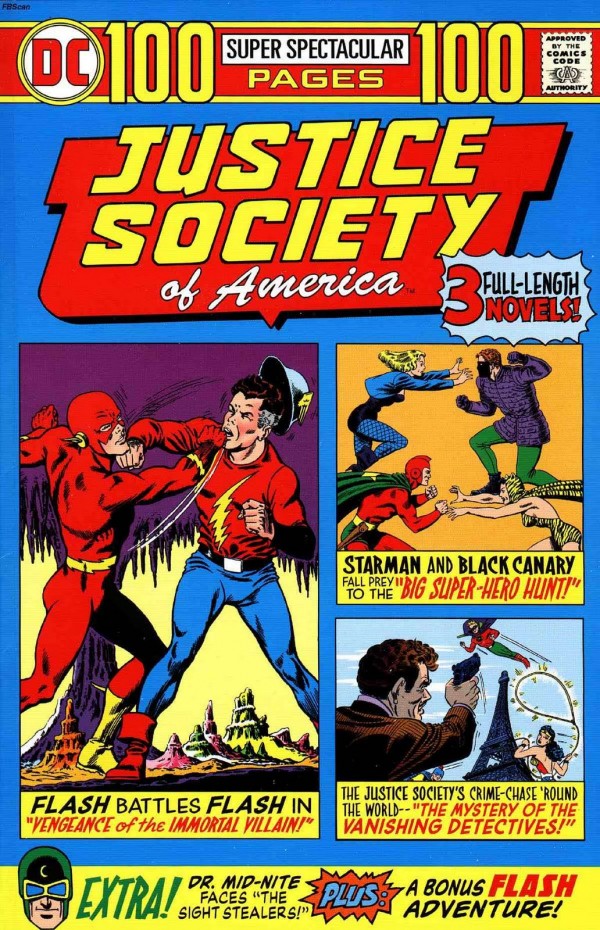
1. DC 100 Page Super-Spectaculars
2. Abril's monthly kid's comics (like Ze Carioca)
3. Japanese TankÅbon
4. Dell's "File Copy" Hardbacks
5. DC Dollar Comics
*****
 Chris Duffy
1. Big Little Book formats--including those little Lone Wolf and Cub books
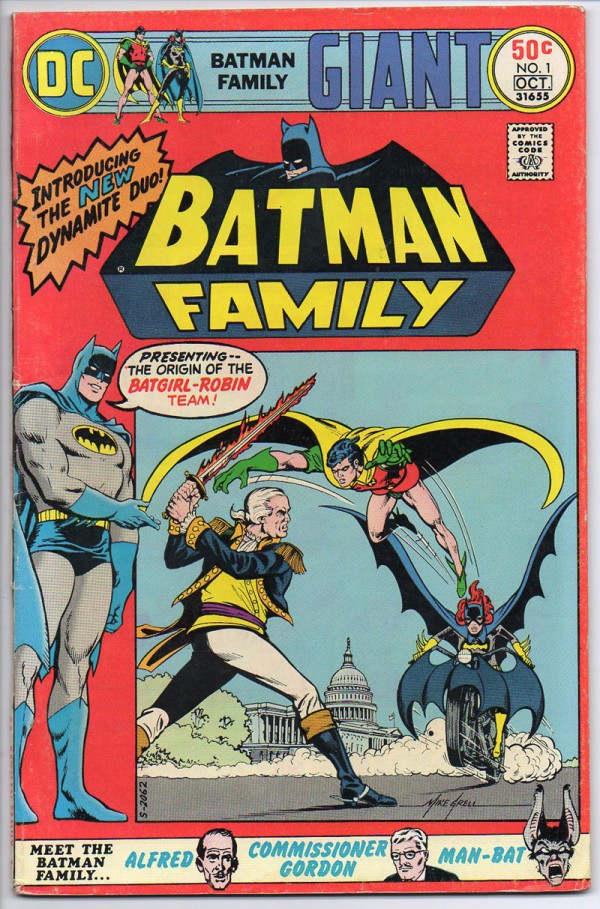
2. DC's "Family" titles (Batman, Superman, Super-Team, etc)
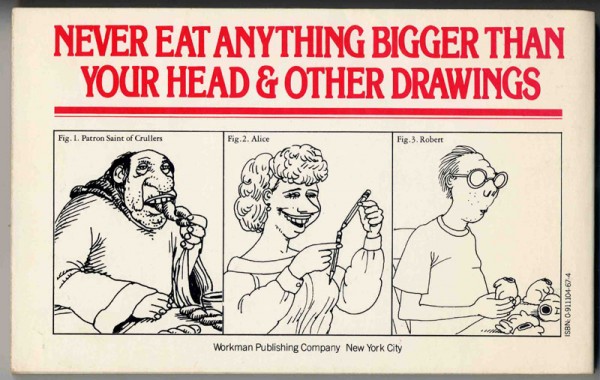
3. Paperback gag collections
4. Marvel 1970s Calendars
5.
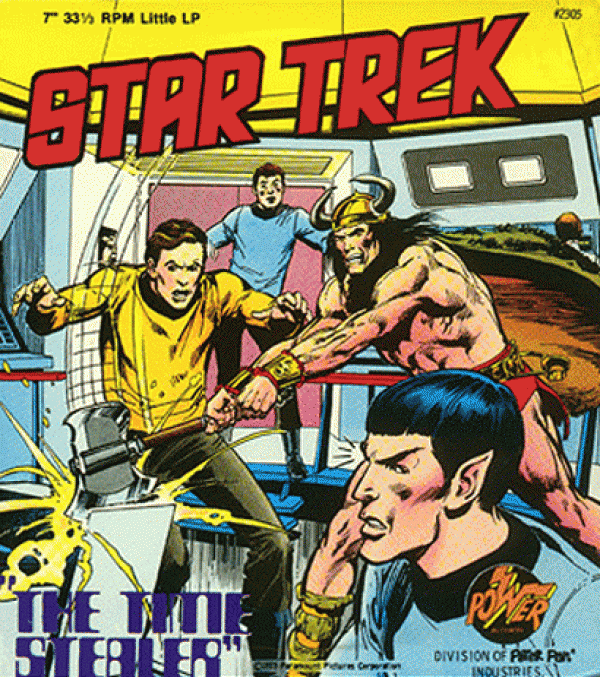
Those Power Records that came with comic and LP (sometimes 45)
*****
 Stergios Botzakis
1. Digest size comics
2. Tabloid-size hardcovers
3. Leather-bound, artist editions of newspaper comics
4. 1970s pocket paperbacks
5. Hardcover masterworks editions of reprints
*****
 Nat Gertler
1. Bubble Funnies-esque trading-cardish comics
2. Treasury Editions
3. Elson's Presents style (comics where existing guts to issues of various titles are simply bound together for a thicker mega-comic)
4. Poclet-sized hardcovers
5. Books where the outer signatures are printed with more color plates than the inner signatures.
*****
 Kenneth Graves
1) The "phonebook." Lots of pages cheap will always get my buying attention.
2) The mini-tankobon that Dark Horse used for Lone Wolf & Cub and a few other related titles.
3) The Treasury edition. (I'd pick Destroy!! as the one example that *must* be at this size.)
4) DC's 100 page specials of the early- and mid-70s. I don't know what age I was when I first twigged that these were mostly full of reprints. They were new to me.
5) DC's "family" comics of the late 70s. (Superman Family, Batman Family, etc.)
*****
 James Langdell
1. One-shot emulations of a Sunday newspaper comics section
2. Mass-market paperbacks reprinting comic book stories one or two panels per page (very different experience of pacing)
3. Wall posters with many little panels
4. Comics printed on the corner of each page on one side of a book that can function as an animated flipbook (I'm recalling most strongly an edition of The Whole Earth Catalog, but I've seen others)
5. The Kilban Cat book format
*****
*****
posted 12:00 am PST |
Permalink
Daily Blog Archives
November 2019
October 2019
September 2019
August 2019
July 2019
Full Archives