* Hermes Press will be collecting the Steve Canyon comic books into two volumes.
* Gerry Alanguilan's strange and touching series about sentient chickens, Elmer, will be published this Fall through SLG. As of last Saturday morning, there was a free PDF download of 40 pages on the front page of the SLG site.
* via PR without a link where I could see one comes word that Del Rey will publish two more graphic novels starring Dean Koontz's Odd Thomas character.
* there's a beautiful preview of the next Palooka-Villehere.
* the big publishing news in mainstream comics this week is J. Michael Straczynski's refashioning of DC's Wonder Woman character, with actual costume refashioning by Jim Lee. I know without looking there's a New York Times article. After the gentle mocking that resulted when it was announced JMS' take on Superman involved him walking across America -- any Superman plot line that would be more interesting if it was some random dude in the real world doing it in the costume should be automatically rejected -- this has not been a good fortnight for the writer's DC comics return.
I respect the degree of difficulty involved in working with Wonder Woman. She's an older character, she has a hardcore fanbase that's very protective of her, and the enthusiasm for her comic book adventures has failed to match her licensing power for decades now. Also the comics industry proper has developed in a way that makes it difficult if not impossible for her to sustain in successful fashion a serial comic book of the kind that legalities demand. When about 15 years ago the mainstream comics made an even deeper, more fundamental switch to fighting over market share and thus the eyeballs of this profit-generating core readership rather than balancing that against pursuing new or even casual readers, things were going to get difficult for the characters that might do better with a broader, more general audience.
Still, I always suspect that these iconic characters work better closer to their core concepts and, just as importantly, how those core concepts intersect with the values of adventure comic books, than they do further away from either or both. I mean this in an almost over-facile way, which is a key to Wonder Woman because her "core" as defined by Marston and reflected back by some troubling comic books over the years gets you into some dark water. I suspect that there's a sizable audience that wants to see the recognizable elements that have endured over time -- the lasso, Paradise Island, the invisible jet -- and that they want these effectively applied in an action-adventure comic framework. I like Gail Simone, but her Wonder Woman seemed like an endless string of change-of-pace issues -- if Simone had written a season of the Xena, Warrior Princess television show, I suspect every episode would have been one of the musical ones.
JMS' take as announced strikes me a duller, less byzantine, and less connected to the classic elements version of what Greg Rucka was trying to do with the character a few years back: take it seriously, and find constructs within modern comics by which one can utilize all these story elements at once. JMS version seems to be extra-burdened a bit by having to find solutions in-continuity to older plot elements that seem not to appeal to him personally and that also have been tossed around so much through a light hand at editorial as to lose all meaning as narrative factors. I don't read Wonder Woman regularly enough to know for sure, but I have an image of Paradise Island being put through the wringer over the last decade or two, experiencing in several instances what should have been shattering change that because that individual plot didn't get over, the change didn't quite take. This can be death for a modern comics character -- TV show characters, too -- and I have serious doubts whether JMS' take has enough going for itself not to be yet another thing that's moved away from in a couple of years. Would anyone want to read a new character with this exact narrative configuration? If someone described to you the potential narrative to be employed without the stamp of approval from publishing, would you think that it was a break from a character's standard plotline or a stand-alone reconfiguration for the ages?
As for the costume change, it's a good idea. As sports teams have learned, if your new costume stinks you can go back to the classic but if it works you now have two to sell. It's just that execution-wise this one already looks dated to me, with that weird X-Men movie reminiscent half-jacket. You have to execute that costume well because 1) the first one is very iconic, and 2) it also has that Sub-Mariner factor of "I showed up to beat your ass in my pageant swimsuit and tiara" that actually makes Wonder Woman more terrifying than a standard costume might. Anyway, Jim Lee isn't a well-known costume designer, at least not to my knowledge, so I'm surprised he got that call. JMS' public distaste for the Mike Sekowsky version, which I recall being a few outfits perfectly in line with an Emma Peel-style take on the character, just seems unfortunate to me on an aesthetic level. I liked the way those costumes looked.
I think I have now exceeded my lifetime's allotment of talking about Wonder Woman. One last thing -- why doesn't that character have an all-ages title? That seems to me like it would be more important than bouncing it up 20,000 readers on Mel Thompson's charts. Wonder Woman is one of the few characters girls (and their parents) know. Wonder Tot is just sitting there waiting to have demented back-up adventures. Best of all, allowing multiple takes on the character outside of standard mainstream tropes and influences and the judgment of the CBR thread commenters might result in a way of looking at Wonder Woman that works for way more than 20,000 new readers. I'd argue those kinds of books really helped Batman -- why wouldn't they help Wonder Woman?
* this sounds like a fun Marvel Comic I'll buy a year after it's published for $1 an issue, but I find that it was announced on a TV show kind of odd. Does that really work? I mean, I guess all things considered I'd want my comic book series announced by a pretty girl, too. Still, it just looks weird, like there was this arbitrary comics announcement on a random show, even though I know it's not a random show.
* finally, the previews are up for the seventh volume of Flight. It's the last volume for the solid and influential series -- which although not exactly the industry-changer some folks predicted when they started coming out is among the few comics projects that had outright imitators that could only be traced to its success and will continue to have them for years.
This Isn’t A Library: New And Notable Releases To The Comics Direct Market
*****
Here are the books that make an impression on me staring at this week's no-doubt largely accurate list of books shipping from Diamond Comic Distributors, Inc. to comic book and hobby shops across North America.
I might not buy all of the works listed here. I might not buy any. But were I in a comic book shop this week, I'd buy any comic book that would help me avoid my second yellow card.
*****
APR100974 WEREWOLVES OF MONPELIER GN $12.99
New Jason. I know of many people that look forward to these books in this format as much as anyone has ever anticipated anything in comics.
AUG090056 HERBIE 7 INCH VINYL FIGURE $39.99
Not comics, and I'm not really a toy person, but if you're going to have one vinyl figure it might as well be Herbie. Or that Jimbo one. But today, Herbie.
APR100669 ULTIMATES TP ULTIMATE COLLECTION $34.99
So popular and such a confluence of factors driving a ton of popular superhero comics of its time that it's hard not to want there for its museum value. The comics themselves I find kind of dreadful, really, distilling the work of several comics master down to their essence and then burning through that work as quickly as possible for a re-contextualized oomph.
FEB100920 PRINCE VALIANT HC VOL 02 1939-1940 $29.99
Oh, these are so gorgeous it's not even funny. We're on an upswing in terms of the legacy enjoyed by Hal Foster's legendary creation -- people are reading it again, and enjoying it, especially these pre-domestic comedy editions -- although I think the days where it's automatically tossed out there in greatest comic ever discussions are very much over.
APR101112 CHI SWEET HOME GN VOL 01 $13.95
This looks freakishly adorable and is staring at me from the new comics pile on my desk.
MAR100029 NEXUS ARCHIVES HC VOL 11 $49.99
I'm glad these are published and I'm told they're pretty although I'm perfectly happy with my old comic books. It saddened me that the attempt a couple of years back didn't take even if only in viking funeral fashion, but there have been a lot of really good Nexus comics and I can see how people might not have an appetite for a lot more of them. Not me, I could read it forever. But maybe most people.
APR100041 USAGI YOJIMBO #129 $3.50 APR100054 ABE SAPIEN ABYSSAL PLAIN #1 (OF 2) DAVE JOHNSON CVR $3.50 APR108255 BATMAN RETURN OF BRUCE WAYNE #2 (OF 6) 2ND PTG $3.99 APR100283 NORTHLANDERS #29 (MR) $2.99 MAR100431 INVINCIBLE #73 (MR) $2.99 APR100846 MUPPET SHOW #7 $2.99
This is my take on this week's comic books in the classic format that I'd pick up and scan just because they might be pretty good (as opposed to being novel in some other way). The Muppet Show is written but not drawn by Roger Langridge, I believe. Two solid genre offerings from Dark Horse. I wonder if I were still a frequent comics shopper how big a percentage of old-timey comic books I'd buy from Dark Horse.
FEB100181 BATWOMAN ELEGY DELUXE EDITION HC $24.99
This should be almost as gorgeous in its way as the Foster, and certainly full of interesting ideas as to how to employ powerful and complex page design techniques. Considering how much of comics lurching forward comes out of these technique being employed in commercial comic books, this could be a far more important book 10-15 years down the line than we can see right now.
APR100134 WONDER WOMAN #600 (NOTE PRICE) $4.99
This one is important because it involves yet another re-launch of the character. I'll talk about this more in this week's "Bundled" column.
APR100592 INVINCIBLE IRON MAN ANNUAL #1 $4.99
While this one is important because it's the book Marvel is offering up in sections for digital distribution at roughly the same time it hits comics stands. I believe it's Matt Fraction's re-imagining of their Mandarin character.
JAN100648 MMW ATLAS ERA STRANGE TALES HC VOL 03 DM VAR ED 140 $59.99
Am I to take it that Marvel is releasing almost random clumps of Atlas-era material in hardcover form? Oh, to be rich.
MAR101241 100 GREATEST LOONEY TUNES CARTOONS HC (RES) $24.95
Not comics, and I'm not really a cartoon guy, either, but I do recall Shaenon Garrity and Andrew Farago are among the contributors here.
APR101066 KRAZY KAT CELEBRATION OF SUNDAYS HC $100.00
This is bound to be really good looking and Krazy Kat remains one of the two or three best comics of all time in most polls conducted by CR research staff during brunch at comics conventions.
APR101195 ALTER EGO #94 $7.95
Your 2010 Eisner Award winner. Or Comics Alliance. Or TCJ. I can't tell this year.
*****
The full list of this week's releases, including some titles with multiple cover variations and a long, impressive list of toys and other stuff that isn't comics, can be found here. Despite this official list there's no guarantee a comic will show up in the stores as promised, or in all of the stores as opposed to just a few. Also, stores choose what they carry and don't carry so your shop may not carry a specific publication. There are a lot of comics out there.
To find your local comic book store, check this list; and for one I can personally recommend because I've shopped there, albeit a while back, try this.
The above titles are listed with their Diamond order code in the first field, which may assist you in finding comics at your shop or having them order something for you they don't have in-stock. Ordering through a direct market shop can be a frustrating experience, so if you have a direct line to something -- you know another shop has it, you know a bookstore has it -- I'd urge you to consider all of your options.
If I didn't list your comic here, that's because your midfielders were out of position.
Your Danish Cartoons Hangover Update
* a very strong but unsubstantiated rumor of another attack planned against Danish Cartoons Controversy cartoonist Kurt Westergaard.
* wire stories report that one of the projected targets of recently captured Indonesian terrorist Abdullah Sunata was the Danish embassy in Jakarta, in response to the publication of the Danish Muhammed cartoons almost five years ago now. Everyone is taking this threat very, very seriously.
* this is partially but definitely related: Pakistan has announced it will monitor select web site for content upsetting to Muslims.
* this is barely related, but I thought worth noting. The British were very focused on prosecuting protesters after 2006 demonstrations about the 2005 publication of the cartoons, which left some observers fairly baffled. This article provides a bit more clarity about British concerns regarding certain radical groups.
Joseph Hugh Messerli, a prolific cartoonist who worked a number of high-profile assistant and ghost jobs in addition to primary credit work on a variety of humors features, passed away on June 23. He was 79 years old. It is believe that cause of death may have been complications from cancer.
Messerli was born in Kingsville, Texas, a military town southwest of Corpus Christi. His first work in comics came as an assistant to fellow Texan and notorious, serial employer of talented artistic assistants Charlie Plumb on the sturdy Ella Cinders in the last couple of years of Plumb's collaboration with the writer Bill Conselman. Messerli served in the US Army in Korea from 1950 to 1952, then attend Los Angeles' Chouinard Art Institute -- a school with perhaps the broadest range of comics-related alumni operating in North America -- on the GI Bill. While at Chouinard he took on his first ghosting assignment, on Napoleon and Uncle Elby, this time for another Ella Cinders alum, Roger Armstrong (the strip's creator had died in 1950).
Over the next several years, Messerli worked on a number of high-quality assignments, some in his name, some assisting other artists. Highlights included assistant work for Al Wiseman on Dennis The Menace comic books in the mid-1950s, inking and lettering work in support of Gene Hazelton's fine Flintstones comics in the 1960s (he also worked on Yogi Bear), and a bunch of comics for Western that were either published in the 1970s and early 1980s or inventoried from past assignments and re-run through that time: Baby Snoots, Bugs Bunny, Daffy Duck, Pink Panther, and Yosemite Sam among them. He also did a smattering of work for Marvel's book and children's comics lines.
A concurrent career in television and animation from 1957 to about 1973 brought Messerli his most famous credit: designing the logo for the television show Twilight Zone. Other TV shows that benefited from his contributions of art were The Tonight Show and Bonanza.
Trudeau Continues Veteran Advocacy
While cartoonist Garry Trudeau has become a surprising but strong advocate of care for US veterans, other than devoting long storylines in Doonesbury to veteran care issues and making the occasional press statement it's been somewhat unclear what Trudeau's advocacy actually involves. This feature article gives one answer: devoting family resources and space to a symposium on issues of importance to soldiers returning from war.
* the writer and critic David Brothers reiterates that he's not buying crappy comics any more. This may seem weird if you've mostly lived outside the powerful influence of Direct Market mainstream comics buying habits, and not strange at all if you've spent any time in that general neighborhood.
* finally, I get the sentiment displayed here that webcomics represent artists with a completely different set of influences than one might feel typical arising out of most print comics communities. However, I suspect that bit of conventional wisdom misrepresents the number of alt/art only fans out there, or strip-only fans out there, and artists for these areas as well, that really don't understand or view superhero comics in the way that we omni-nerds do as we pop between these sub-cultural traditions and come at the form with a wide variety of idiosyncratic influences.
Go, Read: Homeopathy another one of Darryl Cunningham's recent run of medical-related comics; this may be available in another place and I apologize to Darryl for my forgetting where that is
Edward J. Ashley, 1922-2010
Edward J. Ashley, who fell into the role of editorial cartoonist at the Toledo Blade in the early 1970s and kept the job for almost 15 years, died on June 26 in his north-central Ohio home. No cause of death was reported. Ashley was a student cartoonist and drew cartoons for the base publications in Clovis, New Mexico where he served in the Air Force in World War II, but instead of immediately falling into a career in cartooning first spent several years in illustration and related jobs. He initially worked for the Blade after the war in their advertising department, before heading to New York and Brooklyn's Pratt Institute for formal training. Ashley fell into the editorial cartoonist role when his presence at the paper happened to coincide with that position being filled by a variety of staff contributions. As a cartoonist in the 1970s, he got to draw most of the issues of that tumultuous period, from turmoil in the Middle East to trauma at the gas pump, at a time when the daily newspaper was still a massively profitable and very potent mirror of the world in most Midwestern homes.
He was preceded in death by his wife, and is survived by a sister.
Egyptian Paper Criticized For Carlos Latuff Cartoon Using Nazi Imagery To Criticize Israeli Policy
According to an article posted to Jewish Chronicle On-Line, the Egyptian daily Al-Watani al-Youm ran the above Carlos Latuff cartoon featuring an aid ship being accosted by an octopus wearing a nation of Israel flag as a rocker-style bandanna, albeit transformed from the standard design to prominently feature a swastika. A complaint from the Israeli embassy in Cairo quickly followed its June 15 publication. Editor Mohammad el-Alfy and Latuff both defended the cartoon, while the political analysis in the article seems to be focused on its publication as a gateway to understand the latest round of regional tensions brought on by the aid blockade. I don't know if the paper's use of the cartoon can be seen as provocative or not -- well, I mean it's obviously provocative to depict someone as a homicidal Nazi octopus, but I couldn't tell you if this was an explicit and specific choice made by the editors to piss off Israeli officials or if they just ran a bluntly severe cartoon. The Brazilian cartoonist Latuff is a well known maker of cartoons like this, and hiring him you're pretty much know what you're going to get. He's also about as subtle as a lap dance, so I guess we're all lucky the Octopus wasn't sporting a Hitler mustache and reading passages from Mein Kampf in Hebrew while goosestepping around the ocean floor to Klezmer music. Where exactly the intentions of the editor and publisher lie, that's slightly more difficult to discern.
Forbidden Planet International reminds that the Max And Moritz awards were given out during this year's Erlangen Festival, whether or not people like me actually noticed and reported on it as we should have. The results, as listed at the Goethe Institut site posting to which FPI directed its readers, seem to represent a field of comics generally nominated (20 in all) which were then given awards in various categories:
Best Draftsman: Nicholas Mahler Best Comic Strip:Prototyp, Archetyp, Ralf Konig (Frankfurter Allgemeine Zeitung) Best German Comic:Directions, Jens Harder Best Foreign Comic:Pinocchio, Winshluss (Avant-Verlag) Best Children's Comic:Such dir was aus, aber beeil dich! Kindsein in zehn Kapiteln, Nadia Budde (Avant-Verlag) Best Student Comic Publication:Strichnin (Hochschule Augsburg) Lifetime Achievement: Pierre Christin Discretionary Jury Prizes: Salleck Publications (for Die Spirit Archives); Carlsen Comics (for Ein Vertrag mit Gott) People's Choice:Heute is der letzte Tag vom Rest deines Lebens, Ulli Lust (Avant Verlag)
Mahler's award came with a 5000 Euro prize. The awards go to German-language publications and has been awarded since 1984 at the every-other-year Festival.
The Florida coastal news site TCPalmreports that sportswriter and cartoonist Walt Steinsiek died at his home in Micco, Florida on June 27 after heart failure.
Steinsiek began work in a bowling alley as a pin boy in the late 1930s in Passaic, New Jersey. He would later serve in the merchant marines during World War II before attending New York University on an art scholarship beginning in 1946.
He later founded the Bowling Cartoonist Of the Year Award, which was given to cartoonists who employed the sport in their comics. Winners included Jim Davis, Dean Young and Charles Schulz.
According to his author's bio, Steinsiek placed bowling-related cartoons into dozens of publications. Books featuring Steinsiek's bowling cartoons include 2007's The Funniest Approach!, a sequel to, naturally, the books A Funny Approach and A Funnier Apporach. His first book was likely 1973's Balls -- Bowling Of Course!
Steinsiek served as a president of the Bowling Writers Association of America in the late 1980s, and was a life member of the Southern Bowling Writers Association. He was eventually inducted in the NCABA Hall of Fame.
Immediately preceding his death, Steinsiek had been preparing to attend a Bowling Writers Association of America meeting in Los Angeles where he was to present a cartoon to Sarah Palin for her signature and subsequent auction. The organization revealed that Steinsiek was set to receive their John Davis Award, given for outstanding service, at that same meeting.
He is survived by a wife of 55 years, Jane Steinsiek, and a daughter. He was preceded in death by a brother. Services are scheduled for July 6.
* not comics: the writer of both comics and television shows Jeph Loeb will be working on Marvel Comics' foray into television shows via a nice Executive Vice-President position. Here's some analysis from Graeme McMillan because I don't have any. Wait, maybe I do. It occurs to me that a lot of Marvel's non-superhero properties in particular might be ideally suited to television. One of the fascinating things about many of the superhero properties is that so many are also strong pitches conceptually, but the dominant mode at the company for most periods wasn't projects that made for strong pitches but comics that would wear well over time.
* it looks like we've officially entered the season where returned or otherwise not-used Comic-Con International memberships are going to pop up for sale, however briefly; if you need help in this department, keep an eye out accordingly.
* newly-minted Reuben Award winner Dan Piraro talks influences in the return of Alan Gardner's fine feature "Cartoonist's Cartoonists."
10. Demo
9. Scalped
8. Viking
7. Punishermax
6. Spider-Man: Fever
5. Batman and Robin
4. American Vampire
3. Joe the Barbarian
2. S.H.I.E.L.D.
1. Daytripper
Because I'm mean enough to spoil his list, you should click through on the link above and check out his reasons. Also, Callahan answers the question if people were still digging Joe The Barbarian.
* finally, congratulations to Charles Vess and Dark Horse for the Locas Award Finalist status granted their book Drawing Down The Moon: The Art Of Charles Vess. It's participating in the Non-Fiction/Art Book category.
Zunar: “They Can’t Ban My Mind”
Left out of last week's notice that the Malaysian Home Ministry had banned a book and two comics by the cartoonist Zulkifli Anwar Ulhaque were further statements from a government official and, more importantly, reaction from the artist much better known in his country as Zunar. Both shortcomings are rectified in this article. The government official notes that the banning was on the basis of social order concerns, meaning that they might foment political opposition. Zunar lets the reporter know he's heard of the ban but not as of their contact been officially informed by the Ministry. He then pretty much draws the very encouraging and brave line in the sand in terms of his fundamental responsibilities as an artist -- part of which makes up this post's headline -- that should make just about anyone respect his position in this case and, perhaps, fear for his career.
Midfielder Simone Pepe of the Italian national team, defending champions of the ongoing World Cup tournament that were sent home after failing to make it out of group play, apparently had a poor reaction to the above cartoon. You can read the substance of his comments in the article linked to previously, but it's in this article where it gets more entertaining. First, it looks like the athlete marched to the part of the plane he was on where some reporters were sitting looking to confront anyone from the paper involved (il Giornale). That must have been hilarious, terrifying or both. Second, I think that article has reactions from the cartoonist, which if real -- it could be an imaginary dialogue, I can't tell -- are a pretty convincing "bite me" response, including the suggestion that politicians take this kind of thing much better than athletes.
Go, Read: Nigar Nizar Interview There's nothing that's particularly newsworthy about this interview with Pakistani cartoonist Nigar Nizar, but a bunch of fascinating glimpses into her cartooning career flash to the front of the room via the profile. This includes the cartoonist's work in textbooks, the support she's found through international cartooning organizations, how she's embraced the role thrust upon her as an ambassador for Pakistan and for Pakistani women, the dearth of formal training available to her even after establishing herself, and the frustration she's felt in having newspapers in Pakistan license foreign material rather than running her own. If you share my fascination with cartooning as a job and what that means for various artists out there, this is a good one.
Mousavi Cartoon Reaction Round-Up
It's always a little precarious to dip into political news sources because without the context of daily reading it's hard to tell how the thrust of the publication might influence any one news story, but this round-up of Iran news that touches on the Nik Kowsar Mousavi cartoon flap seems like a pretty fair write-up of available opinion. It's sourced, too.
To reiterate the basic storyline, well-known exiled Iranian cartoonist Nikahang Kowsar did a cartoon mocking opposition leader Mir-Hossein Mousavi for his proclivity towards political pronouncements. The opposition-supportive news source that carries Kowsar cartoons decided to take this one down. The sitting political forces spun it as a sign that the opposition is divided and weak; the opposition that they allow for differences in opinion but that maybe this one wasn't the best idea.
Random Comics News Story Round-Up
* not comics: a slightly belated but still-vigorous congratulations to Neil Gaiman for winning the Cilip Carnegie Medal.
* Matt Seneca has a bunch of notes up on Driven By Lemons, a work that will likely grow in reputation over the next several years. Providing a bunch of notes is an appropriate way to engage that book, I think.
* I don't know that I gave this Howard Cruse tour report the attention it deserved the moment it posts, but it's pretty fun. Segues are for kids!
* here is some more discussion about the notion that for whatever reason, Direct Market funnybook shops can be hostile to female customers: Jennifer de Guzman, Brigid Alverson.
* finally, the great Brian Chippendale has one of his intermittent reviews up, this time on the Avengers books currently undergoing a re-launch at Marvel.
The comics herd where I'm typing this, that is. That's the long way around of saying I have too many comic books and my studio is just about at full capacity. I'd love to make a component of such a clean-up project a charitable donation but it looks like the last people I used for that are no longer providing that service. Any ideas? I'd appreciate .(JavaScript must be enabled to view this email address) no matter how out there or wacky. I'd appreciate not-wacky and right-here suggestions, too. For instance, one thing I might do is a promotion where one of the outcomes is I send random participants boxes of comics. I'm open to anything.
Just to be clear: this is more a random boxes of nonsense with some nuggets of gold type thing than it is a time to start your university's perfectly organized collection of great books in the comics realm type thing. People sometimes think that anyone that gets to read a lot of comics is sitting on the comics version of the Library of Alexandria when it's more like sitting on the comics section at the Public Library of Alexandria, Indiana. I wish the former were true in my case, but I don't have the collecting/curating gene so many of my awesome friends in comics have, and of which I am jealous.
for no particular reason, I have three copies of the above comic; that's just the kind of collector I am: capricious and addled
I first became aware of Ian Boothby as one of the talented wave of Vancouver mini-comics creators that sprung up in the mid-1990s, a group that for its proximity to a few prolific Comics Journal contributors of the era had their work reviewed in the magazine. Fast-forward a decade or so later and I discovered that Boothby was one of the writers at Bongo responsible for their Simpsons comics, a fine place for someone with his combination of television and comics writing experience. I'd read a few Boothby Bongo efforts over the years since, but had my first prolonged exposure to that work through Abrams' collection of his Simpsons/Futurama comics in a handsome slipcase called The Simpsons Futurama Crossover Crisis. I enjoyed reading the comics, I liked Boothby's writing in them and I thought they exhibited different qualities than most comics have these days -- all of which added up to something worth talking about. -- Tom Spurgeon
*****
TOM SPURGEON: When I was doing my research, one thing I thought would be easy is figuring out your comics career, how you started doing comics in a way that led you to where you are now. But actually, I still have no idea how you started writing comics. I know you were doing mini-comics in the 1990s. Is there an easy way to describe how you went from there to working for Bongo?
IAN BOOTHBY: I went to the first Alternative Press Expo, I believe it was San Jose. I was selling my mini-comics there. I ran into Terry Delegeane and Scott M. Gimple. Bongo was fairly new out of the gate. I was handing out my minis to whoever was there. I didn't want to carry them home with me; I shouldn't have crossed the border with them. I already had the border guards basically try to kick me back home when I was going down, so I didn't want to carry them back with me. I gave them a couple of the comics and asked if they were taking submissions, and at that time they were. They got back to me really quick. Said, "We love these, these are great, we'd love to have you do something." About three years later they got around to it. [laughs] Very slow, slow, slow, slow process.
SPURGEON: I remembering enjoying your mini-comics, but I don't remember them being like the material you're doing now. They were well written and accomplished in a way they'd be a nice showcase for you, but was getting work writing comics the goal of doing the minis?
BOOTHBY: Oh, no. No. At that time I was just coming off of working on a television series. When I was 14 I became the youngest writer, the youngest union writer in Canada for TV. I was working on a show called Switchback for the CBC, writing sketches and performing in them. When that kind of wrapped up, I was at loose ends, and so decided to make my own stuff. I was creating plays and that kind of thing as well. I was also doing some stand-up. But yeah, Kinko's just started being in our area, so you could actually Xerox stuff on the cheap. I got my stuff into local comic book stores and record stores.
SPURGEON: You're one of the few guys in comics I know where I bet in an article somewhere you've been described as a funnyman, [Boothby laughs] by which I mean you have this nicely rounded resume and these different creative experiences. Do you have a sense of how you might write comics differently for your specific career path?
BOOTHBY: I also have an improv background, and I think that's really where it comes from. I listen quite well to people's voices. And in improv, the idea is to make the other person look good. To make the other person look good, you have to know their voice. So I'm really good on picking up people's voice and character voices. So when you got a show like The Simpsons, which has so many distinct voices, I'm pretty good at writing in a character's voice. So even if you don't necessarily like the joke that I'm putting down, it does sound like the person. That's a bit of an advantage.
It's a disadvantage to me reading comics, because if I read a typical DC comic, I'm one of those guys going, "Lex Luthor would never say that." Because I'm pretty good at picking up a character's sound, whether I'm reading it or hearing it. It's served me pretty well in doing some animated series in the past. I'm pretty good at that sort of thing.
SPURGEON: Is there a specific school or approach to improv that you come from, or does the improv world even break down that cleanly? Is there a Del Close school... ?
BOOTHBY: People like to break it down into short form and long form. Games is the short form. Long form is something along the lines of what Del Close created called the Harold. But I've been doing this for so long, and the people have been doing it so long with me, that we've made our own mishmash and pulled the elements that we like from both forms together and just do our own thing now.
On my blog I have a series of essays on improv and my problems with the Del Close and Keith Johnstone methods. On Facebook they're on a group called "No And..."
SPURGEON: It says in the Abrams hardcover that this was your pitch, that it was your idea to do the crossover saga. Is that true? Did it start with you?
BOOTHBY: Yeah. I was writing most of the Simpsons comic books at the time, and they had just come out with a Futurama comic. I wanted to do some work on that, but they already had writers, primarily from the TV show, working on it. So I couldn't break into that book. I thought the obvious thing was to have a crossover between The Simpsons and Futurama [Spurgeon laughs]. Since I'm already doing this book, I can show them I can write these other characters. Matt wasn't game for that at first. He had kind of a worry that they'd crossover in a kind of "Flintstones and Jetsons" bit of business. Also, it didn't make any sense. They were in different universes. I found a way of pulling that off. Bill Morrison -- my editor -- really liked it, ran it by Matt, he was game, and we went and we did it.
SPURGEON: I don't know anything about Bongo other than a bit about Bill Morrison and then a bit of familiarity with some of the creative people that have been involved over the years. It has a reputation as a nice place to work, a professional place to work. You hear from the occasional creator going, "That was a good experience." And I've not heard any corresponding grind against Bongo. Is Bongo a supportive place to work? Are you encouraged to make pitches like your crossover idea? I guess I'm just asking if it's a good place to work.
BOOTHBY: Yes, it's definitely a good place to work. You'll hear repeatedly from people that the folks from Bongo are nice. The reason for that is they know what they're doing. [Spurgeon laughs] You find out in television that when people are assholes is because they're freaking out because they fucked up. And the thing is, Bill Morrison was the art director for Futurama; he knows Futurama, Terry Delegeane knows The Simpsons. They all know what they're doing over there and they do what they do very well. Matt Groening is the boss. They report to him. He keeps things on track. He's hands-off, but when it comes to something big he gives it the yay or the nay. These are his babies. So they're very, very good at what they do, and because of that they have the freedom to be nice. They're confident and they enjoy what they're doing. That makes for a very good environment.
When you're starting off at Bongo -- and I was talking to another person who worked there: we both had the situation where you get a lot of notes off the top. You get lots and lots of notes. As time progresses, and they realize what you can do, you get next to none. That's the situation I'm sort of in right now. As for are they open to new ideas? Yes, they are. They're all very creative people, they all love comics, they all love the history of comics as well. So you get a book like Radioactive Man, which may not sell really well, but it's really clever. It's doing parodies of things that you're going, "What? That? From that one '50s comic... you're making fun of that? You're spending this much of an issue on that?" It's just because they love the medium. That comes through in the books and in the work environment.
SPURGEON: Do you have a sense of your audience for the original comic books? When you were doing these crossovers, were you hearing back from people? Is it different audience than the other companies out there have?
BOOTHBY: Yeah. It's a mainstream audience. [Spurgeon laughs] And that's how it's different. We've been lucky enough to have been flown all over the world. We've been to Spain, Germany. I've done signings in England. People love The Simpsons. So they're approaching it, one, with that. They love those characters. So you're already a little bit of the way there. With most mainstream comics now, I think what's been happening is that it's getting too insider baseball. Their big events currently are bringing back characters that if you haven't been reading comics for 20 years you wouldn't give a damn about. Like Hawk? What are you talking about?
But The Simpsons, people know. They like them. And so you have a nice playing field to tell a story. Often I'll get the people who were dragged to a comic-con; they didn't necessarily want to come. But this is something they like. I'll give them a book or something and they'll dig it. Also kids go nuts for it as well. It's one of the few legitimate all-ages comics. Not the all-ages where it's just for kids. It's the all-ages hopefully like Pixar where it's actually all-ages.
SPURGEON: I'm trying to figure out where the comics exist in the constellation of Simpsons fans. Certainly not all Simpsons fans read the comics, so I was wondering what subset of Simpsons fans you think you're getting?
BOOTHBY: Well, the Simpsons audience is so huge that you only get a miniscule portion of them. The books don't sell particularly well in the Direct Market. But they sell really well on the newsstand. It's very similar to Archie in that way. If you saw the sales of Archie in comics stores, Archie's not doing that well. But all these people know Archie, all these people read Archie. That's the same boat we're in. If you look at us over here, oh, not doing so well; if you look at us over here, we're doing very well. Whenever they have a free comic book day the Bongo stuff flies off the shelves. The people bring such a love for The Simpsons to the book, when they know about it, it's like "Oh -- yoink!"
SPURGEON: I've read Bongo books here and there but to read a whole bunch of once, one thing that stood out for me is that it seems like you're not afraid of dialogue in these comics. There can be chunks of comedic dialogue. You're not whipping people through the comics with a cinematic approach designed to make the eye skim across the page.
BOOTHBY: Marvel loves splash pages, yeah.
SPURGEON: You're not afraid of telling a joke that way; you're not afraid of having 50-75 words on a page or making someone read 15 words to get to the funny part of the word balloon.
BOOTHBY: I do try to throw the visual in there, but The Simpsons at its beginnings was a limited-animation situation. It was on The Tracey Ullman Show, Matt Groening was animating it, and he didn't have a lot of animation skills -- or the drawing skills, to be honest. But he did have the dialogue skills. That was the start of The Simpsons. It was always dialogue-heavy. You never watched The Simpsons and went, "Whoo, look at that art!" The comedy came from the dialogue. You'd get a few visual gags, but the dialogue carried it. I think a lot of Simpsons episodes you could run on the radio and not miss too much.
It did become a thing where they'd throw a lot of gags into the background. We still try to do that: we put funny signs up, and if you have a store name or a mall, you want to fill it with as much stuff as possible. It's a little harder to do in a comic where you have a seven-panel page; you can only jam so much in there and have the reader be able to pick it up. You gotta choose your battles, and what I pick is dialogue over the visuals. Also, I have lot more control over dialogue. I don't know what the artist might do.
SPURGEON: Taking something from animated form and putting it into comics form, is there anything harder to do on the comics page? Is there an effect you lose that's harder to replicate than others?
BOOTHBY: Yeah, you lose the voices. And the voices are hilarious. You lose the nuance of the voices. People do have Homer's voice in their head when they read the dialogue. But there might be a little pause, or a going up: they're such skilled vocal artists. You do lose that when you put it into comic book form. Something like a pause: you might do a panel where someone is just staring at another person, play that beat out. They're totally different media.
SPURGEON: So you find ways to compensate.
BOOTHBY: So much of delivering a joke is the pacing. When a new writer comes into Bongo, quite often the mistake they make is they make things -- you were saying things were dialogue heavy -- they make things too dialogue heavy. They don't give any room to breathe. They try to jam as much as they can in, and in doing so you lose the pacing of the joke. At some point you need to pull back a little bit, relax a little bit, and give the joke enough set-up.
One of the most frustrating notes I get not from Bongo but when I work in television is you write a comedy piece and they will like the piece but then go, "But this part doesn't get enough laughs."
So you go, "Well, that's the set-up."
"Can you throw a joke in there?"
"Not without ruining the punch-line." Because you're now not setting the stage for what comes later. I think that's something that new writers do: they try and jam so much in there, make it so dense, that you don't really give people a chance to relax. You need to a little bit of space in structuring a joke or, really, any kind of dialogue.
SPURGEON: I was impressed with the number of visual gags that were in these comics and the way that many of them were seemingly for texture, say, and not necessarily germane to the plot. There are a number of science fiction parodies later on that flash by really quickly; there's a scene early on where something drops through the various levels of reality all the way to Hell.
BOOTHBY: That wasn't in the original. That's from the two pages of bonus material that you get in the book.
SPURGEON: Do you have to be aware of making sure that's there enough funny business going on? It almost seems like a texture or tone issue, where you have a certain number of gags that stand apart from helping move things along. I assume you write all of those, because they seem too specific to develop organically.
BOOTHBY: Yeah.
SPURGEON: So is there a way you pace yourselves with such sequences?
BOOTHBY: How I write is I'll write an outline that gets approved by Bongo. I'll draw the comic out myself with very rough figures. I'll then read it over and see what's missing. If there's a page where I go, "There's no jokes on this page; this just pushes the plot along." Then I gotta gag up that page. If a page is just jokes, and doesn't move the story along, then I have to throw a little story in there. I'll also look to throw in heart, emotional beats. It all becomes a real balancing act. If I just wrote it in straight script form, I don't think I'd be able to do that. But when I sort of create the comic first myself and flip through it, I can see what's missing and what's needed.
Of course, when you mention that page where the poo falls through the floor to hell and hits Stalin on the head [Spurgeon laughs] you couldn't really do that in television. You could have a pan down, but it works best in comics because panels in comics also look like floors and you could pull that off. There are things you can do in comics that you can't do in the television series. I try to think of what can't they do. An example of that would be earlier on in the comic where we have a Charles Atlas parody. Those have been done a lot, but it's something where if you did it on television it wouldn't have the same impact than doing it in a comic where that kind of thing originated.
When I talked to David X. Cohen, one of the co-creators of Futurama, he said that was the page where he started to like the book. I think that's the page where it becomes its own thing. This is why we're doing this as a comic; you can do this.
SPURGEON: As the writer that mashed the two universes together, is there anything about doing so that surprised you? For instance, as might be expected you paired off a lot of the characters for different scenes; is there an effective pairing that you didn't see going in?
BOOTHBY: When I got into the second series, I thought we had pretty much done the major matches with people. But then you go, "What do I do with Moe?" And you go, "Oh, they do have that bartender that looks like Isaac from The Love Beat." And then it's like, "If they're doing that, there should be a crank call, and it should come from both Bender and Bart..." I'd say the characters write themselves, but I still want to get paid. [Spurgeon laughs]
It's basically like when I was a kid and I read Superman Vs. The Amazing Spider-Man. I still have that comic here in the office. It's one of my favorite comics. It was such a kick to go, "Yeah, that's right, Clark Kent and Peter Parker do have similarities." But you get to see the differences as well: Perry White is a great guy compared to J. Jonah Jameson. When I was doing this book, my guide was to make it as cool as Superman Vs. The Amazing Spider-Man was for me.
SPURGEON: Did you contribute directly to this current hardcover, slip-cased collection? Did Abrams' interest in these comics come as a surprise?
BOOTHBY:James Lloyd and I both supplied some extra material for the book. One of the things that didn't end up making it in there was I had some script for the comic and some commentary on it as Harold Zoid, Zoidberg's uncle. That didn't make it in there. We put in a couple of extra pages, like the one where Stalin gets hit on the head. But aside from that? No, not much. We're both pleasantly surprised at how it turned out.
SPURGEON: Are you getting a different audience than you do with the serial comic, do you think? Because I'm not sure I would have read these comics in any other format.
BOOTHBY: It's selling quite well. It's the kind of thing that if you're in a bookstore, and I see them in basically every bookstore around here, you put it in a fairly prominent place. It leads you to look at other books. People like The Simpsons and Futurama. It might get picked up by people who wouldn't buy the softcover Harper-Collins trades. The Wall Street Journal list of Best Selling Graphic Novels had it in the #2 position just below Kick Ass. It's currently #3.
SPURGEON: Ian, you're still a comics reader, aren't you?
BOOTHBY: Yes, I am.
SPURGEON: Some of your comments earlier made me realize you're working out of a different comics culture than general comics culture. You also have a perspective you bring from other entertainment fields. I wondered if you had anything to say on how things are going in comics generally. It occurs to me it's an entirely different field than it was when you were doing your mini-comics and I was reading them. Are you a happy comics reader, Ian?
BOOTHBY: [laughs] I'm not necessarily -- no, I'm not a happy comics reader. [Spurgeon laughs] I don't read Spider-Man anymore, because some major mistakes have been made to that character. I'm hardly the only person saying that. But what I used to like about Spider-Man was that he was the character that stuff happened to and then he moved forward. Superman stuff happened to, but nothing stuck to the guy. Spider-Man was the guy whose main villain killed his girlfriend and they both stayed dead. Can you imagine Lois Lane being killed by Lex Luthor? That's what made Spider-Man different. He was a working class hero. If he and Johnny Storm walked out of a building, Johnny would see an alien attack, Spider-Man would see a mugging or an animal-themed villain robbing a bank. That's who Spider-Man was.
Somehow along the way they decided to give him a satanic divorce. [laughter] They decided, "You know what Spider-Man is? He's young. And people need him to be young." And that's a mistake because Spider-Man's main theme is responsibility. If your character's main theme is responsibility, as a writer you want to give him as much responsibility as possible. He was going to have a baby once, and they just made that baby disappear. I know there's a worry where there's a point where you never get them back. But any responsibility you give to the guy should work.
Spider-Man was a role model for me and your role model shouldn't be making deals with the Devil. Don't worry about taking responsibility for your actions kids, your problems will magically go away eventually.
They've lost the mission statement of the character. Nothing can really happen that'll have any effect and so the heart of the book has been torn out. The stories might be clever but that's all they can be. And that's a real loss.
It seems like right now, Marvel and DC have lost their balls. They make big decisions, they kill a bunch of characters, they rape a bunch of characters, and then they do pullbacks on everything. They bring those characters back, or they won't take responsibility for what they've done. It's just shock, shock, shock. And in doing so you lose your mainstream audience. Completely. You lose your new readers. I love comics. I have some friends with children that are 11 and 12, and I can't give these comics to them because Dr. Light is raping people. It's horrible, gory, shock stuff. The kind of stuff you'd see in Vertigo ten years ago is mainstream now. And where are you going to go from there?
SPURGEON: It occurred to me that The Simpsons has been on the air for about as long as Marvel's superhero universe had been around by the time they started doing things like Contest Of Champions and Secret Wars. Is there something to be said for the difficulty of managing an interconnected property when it gets to be that age?
BOOTHBY: For most people, Spider-Man will be the movies. More people will see the movies than will ever read a comic. More people will see the image on the t-shirt than will see the comic. Same with The Simpsons: more people will see the television show or the movie or the images on the lunchboxes. So I can't make the comic book too inside. I'm reminded there's a mainstream audience I should be serving, and I think that's what mainstream comic books have lost. They're tending to people that are already in the clubhouse. The only thing that can happen is that the audience will shrink. There's no way for it to expand.
One thing I think might save comics -- and again I'm not the only person saying this -- is something like the iPads and what have you. Because people love comics. They're nuts for comics. You give a good books to someone and they're crazy for it. Like my wife's comic Y: The Last Man. People who've never read comics love that one. They have no beef with the medium; it's just the continuity that holds them back. When you have something like the iPad, you can see any comic that's been done in history. You don't need to know what's going on now. You can read a great arc of Spider-Man, or The Simpsons, or Little Lulu or Wonder Woman. I think one of the things that will save comics is ditching the continuity and relying on the huge library we now have access to of all the great stuff that's come before.
* cover to The Simpsons Futurama Crossover Crisis
* photo snagged from Facebook with Boothby's permission
* cover to Simpsons comic featuring Boothby work
* cover to first issue of Futurama Simpsons Infinitely Secret Crossover Crisis, the first of the two mini-series collected in the new volume
* Smithers dressed as Captain Harlock, one of a constant stream of gags in the book
* in the comic, you lose the distinctive voices (even though you hear them in your head)
* the poo/Stalin gag
* a panel from the Charles Atlas parody
* Bender and Bart, a natural prankster pairing
* Peter Parker, Mary Jane Watson and their marriage counselor
* I like this panel with Giant Homer, again from the Abrams book (below)
FFF Results Post #216—Comebacks
On Friday, CR readers were asked to "Name Five Kinds Of Comics That You Wouldn't Mind Seeing Have A Comeback, No Matter How Inexplicable." This is how they responded.
Tom Spurgeon
1. Baseball comic books
2. Comic books starring medical personnel
3. Funny Animals
4. Comics With Nothing But The Equipment Of Superheroes In Them
5. Comics Starring Consumer Items, Like Computers
*****
Matt Seneca
1. Sunday pages (as opposed to Sunday strips)
2. Comics with the color done in Benday dots
3. Comics that warn readers about the dangers of VD
4. Tabloid-sized reprints of pamphlet comics ("Treasury Editions")
5. Manga pamphlets
1. Humor anthologies
2. Girl's comics like Polly Pigtails, with articles and non-fiction/instructional/craft comics
3. Promotional comics like Smilin' Ed's Gang given away at Buster Brown stores, featuring back-up features unrelated to the promotion
4. Comics starring actors/comedians having misadventures, modern equivalents to the Bob Hope and Jerry Lewis titles
5. Music/pop culture hybrid comics magazines like Deadline and Escape
*****
Uriel A. Duran
1) Comics about superhero pets
2) Giant monster comics
3) War comics
4) Black & white horror comic magazines
5) Mexican Lucha Libre photo comics
*****
Adam Casey
1. Romance comics
2. Pop culture fad based comics
3. Original creation kids comics
4. Parody/spoof comics
5. Big Two superhero original graphic novels
1. Celebrity Adventures
2. Professional Wrestling Manga
3. Police Procedurals
4. 100-page Super-Spectaculars
5. Proselytizing Archie Comics
*****
Ali T. Kokmen
(1) Mystery comics about (non-superpowered, non-supernatural) private investigators
(2) Classics Illustrated-type abridged adaptations of literature
(3) Biography comics of important historical (rather than current) figures
(4) Medical/doctor comics
(5) Comic books set in state fairs
*****
Andrew Mansell
1. Comics with an accompanying Album (Avengers #4, I had in my youth)
2. DC 100-Page Super-Spectacular w/No Ads
3. Gold Key Disney Comics Digest (featuring Barks and Murry)
4. The Marvel (Curtiss) Black and White Magazine line
5. Menomonee Falls Gazette (or MF Guardian or Comic Strip News etc.)
1. 80-Page Giants
2. Comics that only cost a quarter
3. Promotional mini-comics that came packaged with action figures
4. Comics about pirates (not that they were ever really popular in the first place, but...)
5. Comics sponsored by Radio Shack
*****
Bill Matheny
1) Fat kids
2) Comics based on sitcoms
3) Dramatic hot rod stories
4) Funny hot-rodding characters
5) Comics with the word "Pal" in the title
*****
Aaron White
1. Airbrushed comics
2. Comics about popular comedians (like Jerry Lewis, Bob Hope etc.)
3. Romance comics
4. Comics about inspiring real people (like Corrie Ten Boom)
5. And definitely funny animals
1. sequential narratives woven in tapestries or carved from stone
2. comics that use dialect talk balloons with phonetic spellings
3. fashion model comic books with paper cutouts
4. Tijuana Bibles
5. newspaper comic strips with small, lengthy, typeset, serif caption texts, numbered in sequence, under each panel
1. Hostess snack cakes comics ads
2. Sitcom TV show inspired comic series
3. Bootleg Disney comics from China
4. Cleaning products ads
5. Comic magazines for kids
1- Comic books that sell 500,000 copies a month
2- Comic books that sell 400,000 copies a month
3- Comic books that sell 300,000 copies a month
4- Comic books that sell 200,000 copies a month
5- Comics drawn by Brian Bolland
*****
Michael Grabowski
1. Single creator anthology series appearing with regular frequency
2. Sunday full page adventure serials
3. Alternative press weekly strips
4. Comic book-sized catalogs of superhero-related mail-order merchandise illustrated by cartooning school artists
5. Historical comics
1. 'Adult' Periodical Comics Anthologies
2. DC Digests
3. Marvel Treasury Editions
4. Supermarket distributed kids magazines that regularly contained comics
5. Monthly collections of current newspaper comics
*****
Stephen Leach
1. Archie Comics knockoffs
2. Soap opera comics
3. Comics based on popular newspaper strips
4. TV show adaptations
5. Magazine-sized independent comics (like the original L&R, Neat Stuff, Lloyd Llewellyn)
1. Superman fights crime and criminals, gets stopped by Kryptonite but perseveres, flies, bends metal bars, hangs out in the Fortress of Solitude, covers stories as Clark Kent and eats Beef Bourguignon with Lois. And winks.
2. Batman fights aliens and costumed criminals, trades quips with Robin and goes to high society parties as Bruce Wayne with Kathy Kane and/or other hot chicks.
3. The Flash runs fast, fights evil gorillas and hangs out with benign intelligent ones, too.
4. Green Lantern hangs out in the future with a different identity and girlfriend.
5. The Justice League of America fights a giant starfish or malevolent plants and Wonder Woman takes the minutes of their subsequent meeting.
1. British Sports Comics
2. Comics For Girls
3. Comics For Tomboys
4. Outré Comics In Mainstream Newsagents
5. "Look-In"
*****
Iestyn Pettigrew
1. Mainstream comics written by Steve Ditko that feature people in suits holding clenched fists at their side -- I always think an underrated aspect of Ditko's drawings is the way he can make people's hands seem like immense weights swinging at the end of their suit or shirt, whilst also making it seem like they have no arm. I think mainstream comics needs some more anger driven drama and not the current crop of neurotic teenage/ middleclass smash everything in a sulk pap that’s put out at the moment.
2. Cheap throw away trash comics produced in a hurry -- I'm fascinated by the whole pulp writers churning out content era, simply because some of the stuff produced was just so weird and off the wall just so space could be filled. I personally believe this allowed a lot of very personal and unconscious genius to flourish.
3. Caliber comics -- I just really liked a lot of their line of comics; I feel they set a lot of trends for the current mainstream market and that this is something not well-examined at present.
4. The Atlas comics of the '70s -- I just have an unfathomable affection for some of those -- especially The Destructor and The Tarantula -- that artwork was fantastic.
5. More comics as tourist items -- when I came over from the UK to visit America and found comics about the Grand Canyon with a really rubbish superhero team, it made my trip -- I guess that makes me sound sad -- but in my defence, we couldn't walk anywhere because there were forest fires so there wasn’t much to look at!!
*****
James Langdell
1. Comic books put out by restaurants
2. Comics explaining how to do household tasks
3. Comics in the local newspaper that present vignettes of local history
4. Comic book stories that expand on current comic strips and panels
5. Comic books starring real-world celebrities in fictional adventures
*****
William Burns
* Comic books that compile newspaper strips
* Comic books about the hilarious misadventures of army privates
* Comics about shambling muck monsters
* Comics about the fantastic adventures of famous people who actually exist
* Comics giving a reasonably realistic take on wars this country is actually fighting right now
*****
Justin Colussy-Estes
1. Sports trivia comic strips
2. Restaurant chain mascot give-away comics
3. Large-scale adventure comic strips (are there any left other than Prince Valiant?)
4. Bugville/Insect comic strips (yes, I'm going waay back for that one)
5. '80s b&w boom comics that smelled of newsprint & cheap ink
Loser Of The Week
San Diego, who may have to pay that much more to keep CCI.
Quote Of The Week
"The thought of not being able to be with my family. I wasn't even able to see them and say goodbye because of the way I was forced to leave the country. These are all pains that one has to experience to understand what it means to be a refugee and why refugee status is usually associated with pain and sadness." -- Kianoush Ramezani
*****
today's cover is from the 1940s-1950s mainstream comics publisher Avon
The original Comics Reporter, Jack McGee somehow convinced an editor to put him full-time on "Hulk Beat" despite consistently frustrating but admittedly guest-star filled articles. Today, Hulk beat reporting would be one of the first things excised from the struggling modern newspaper, right after comic strips.
Go, Read: Drawn and Quarterly’s Chris Oliveros On Supporting Your Local Independent Bookstores
Publisher and all-too-occasional cartoonist Chris Oliveros types up a short but sweet message after hearing about the travails of a long-time supporter of his company, D+Q. I think if a retailer has value to you, you should definitely support it partly on the basis of that value rather than dismissing such factors in favor of a straight-up cost-benefit analysis. Part of the problem is that the dominant ethos in comics is buying ALL THE COMICS even more than buying the good comics or the comics that make you the most happy, so the readership is vulnerable to shifts in behavior that maximize one's chances to get more, more, more. Believe it or not, I think this is going to be a bigger issue once comics self-grown protectionism of certain retail models begin to fade in the next two years here.
South African Human Rights Commission Declares Zapiro Lady Justice Cartoon Not Hate Speech
The South African Human Rights Commission has cleared Jonathan "Zapiro" Shaprio's most famous cartoon -- that of President Jacob Zuma about to rape Lady Justice -- from official accusations of it being hate speech, a human rights violation or unfair discrimination. They further went to praise the cartoon as an example of positive journalism of the kind that generates debate. The Zapiro cartoon first appeared in September 2008 and because of its immediate notoriety has been recycled in several cartoons since.
Funky Winkerbean Escapes Auto Death I don't have too much to say about a feature column that notes that the namesake character of Funky Winkerbean somehow escaped a much hinted-at death: I just really like writing headlines with comics characters' names in them. I guess I might additionally note what a bizarrely unique thing Tom Batiuk's greatest creation has become in that wiping out the character the strip is named after would not surprise anyone even slightly familiar with the feature these days. A blackened panel, newsroom shooting, or fanciful cancer dance with Death Himself awaits us all. Go Scapegoats.
Your Next Great Cartoonist Finalists
I nearly missed this, but Michael Cavna announced five finalists this week for the Washington Post's unfortunately named "America's Next Great Cartoonist" contest. They are:
The five finalists as the contest goes forward are:
The finalists are all being asked to submit example Sundays, which will be the basis of the next round of voting in July. Each of the entries has judges' comments in them, and some of them are appropriately harsh. I think the Walch submission is the most intriguing -- plus she's apparently super-young -- and there are flashes with Mullany's. One of the submissions is so bad that if this were a reality TV show I'd know it was the submission from the housemate that got into the most altercations with his/her roomies and the show was keeping that person around just for more fights.
Missed It: Your Best Comic/Graphic Novel Category Nominees For The 2010 British Fantasy Awards Something called the British Fantasy Society dropped word of its award nominees nearly a week ago while I was apparently out drunk roaming the countryside and throwing rocks at local cattle. The nominees in the Best Comic/Graphic Novel category were:
The winners will be announced at September's FantasyCon. Eligible voters are described and provided with some basic linkage and information through the primary link at top of post. I think it's a compelling list not just for the blend of publishers represented but also for folding in without comment the primarily web-based FreakAngels, albeit through its print iteration, and the significantly web-focused Girly Comic.
Good News For CCI In Impact Survey As part of their ongoing coverage of the dance between Comic-Con International and the cities of San Diego, Los Angeles, Anaheim and Las Vegas for hosting honors regarding the post-2012 version of the show, the San Diego Union-Tribune revealed the results of a study intensely favorable to CCI: an economic impact survey based on information collected in 2008 that estimates the con's contribution to the local economy at over $163 million.
Now granted, economic impact surveys have a somewhat dubious reputation based on two basic factors. The first is the sometimes-hard-to-track accuracy of the information-gathering step on which such numbers are formed, which in this case is apparently a 2008 survey of attendees by the convention center people I've never heard about or been exposed to before now. The second is that a multiplier or several multipliers are used to compound the impact of money spent up the line -- say if Mark Waid tips his waitress at the Hilton bar $20, she then spends $10 at Ralph's for some crabcakes on the way home. Complicating matters further, the article claims that this report actually under-estimates overall impact by not dealing with non-hotel attendees and other locals that might spend money in San Diego without that hotel-room home base. If a standard economic impact survey was something that had to be given the stamp of approval or disapproval via a comments-thread battle on the Internet, that comments thread might go on for 7,500 years without resolution.
I still think the survey has to be a boon, because all such reports share potential problems and this one is way ahead of expectations. Also, a hugely positive set of numbers like these fits a script that the convention has largely been ill-served by past estimations -- expect a majority of "we told you so"-type rhetoric from comics people, and a minority of "of course that's what they're going to say" comebacks -- which fits the further storyline that's been advanced during the negotiation process that San Diego is just now waking up to how much CCI means to the city and is making moves accordingly. If there's anything in the way of further screws that CCI can put to its potential suitors at this late date, this survey provides the means.
Random Comics News Story Round-Up
* Politics and Prose, a well-liked DC-area independent bookstore and occasional comics signing host, has a number of buyers interested in purchasing the place.
* I'm having one of those mornings where I can't remember if I've never seen this advertisement for Action Comics #1 before, or if I've seen it like 10,000 times.
* the second cartoon here should be funny to anyone that follows editorial cartooning -- unless they're really, really defensive about it.
* eight cartoonists have launched something called "The Cartoonist Studio" with the idea that you will eventually buy stuff from them. I think that's what's going on there. I don't think they're actually working together.
The Never-Ending, Four-Color Festival: News On Cons, Shows & Major Events By Tom Spurgeon
* so why hasn't there been a decision from Comic-Con International yet on where they're holding future versions of the Big Show? David Glanzer tells CR it's because of the late-period addition to the original proposals, which meant for additional time taken in reviewing those additions. "I guess the easy answer is we're in the home stretch," the con's promotional and publicity point man says, although he declined to make any prediction regarding timing. "My expectation is that an answer will come before the show. Again we're not tied to a time-line, but I know that we are hoping for a decision sometime before Comic-Con." Comic-Con International starts exactly four weeks from today.
* this weekend there's a one-day indy show in Sacramento with a bunch of guests I know, a small show in Knoxville where I recognize none of the guests and maybe one or two shows more like the Knoxville event than the Sacramento event sprinkled around the rest of North America. We're basically in the period between the early summer shows (primarily the ones in Charlotte and Florida) and the juggernaut that is Comic-Con International in late July.
* this weekend also sees the ALA Annual conference in Washington, DC, with folks like Gene Luen Yang and Raina Telgemeier in attendance. Basically, all our nice people plus Leigh Walton. I'll try to make a separate post of ALA appearances and put it up tomorrow.
* there is also something called the New Haven Summer Comics Fest, but I'm having a hard time finding an official site. Some of those in attendance have put up a lot of information, though.
* Chris Butcher recaps TCAF 2010. He makes official they'll be going annual for the foreseeable future. That's awesome. I hope to attend a future edition of this first-class show in a first-class city.
* as Comic-Con gets closer, I expect there to be some fan pushback against what it likely to be a number of announcements about television shows and movies being promoted through Comic-Con International that aren't working genre areas these fans are comfortable claiming for comics. For me, a movie like Avatar and a television show like Glee have the same amount of crossover interest with comics: none. Your comics may have vampires and werewolves in them but my comics have aging local talk show hosts and southern California post-punk culture in them. I don't understand why your interests are more legitimate than mine when it comes to claiming the "-plus" part of "comics-plus." The truth is Comic-Con has always had non-comics elements and they're certainly not going to stop having them now that there's a huge demand for what Comic-Con can do for such properties. I invite you to join me on the ground of the show in ignoring all of that stuff and focusing on the comics. I very much doubt Jane Lynch will get between us and Emile Bravo's spotlight panel. And if she does, she better get out of the way.
* the reported cross-promotion between the San Diego Padres and Comic-Con does not exist.
* I would love it if comics in the cultural/social sense would accept the challenge of competing with a bunch of dopey TV shows and movies by throwing down the gauntlet and doing everything they do at San Diego better and with greater vigor -- as opposed to the current, popular plan of vaguely bitching about not being loved enough while standing around a hotel bar complaining about the entities actually throwing parties. We have the smartest and funniest and most talented creators, we have by far the best art form going in terms of consistently intriguing and entertaining output, and we have enough of a head start scene-wise we should be able to work San Diego much better than the various show-biz latecomers. In other words, the comics part of the convention should still be the best part of the convention.
* in more personal news, my Comic-Con moderating schedule is shaping up. I haven't received confirmation from the con folks yet and they haven't returned by most recent e-mail inquiry, but I believe I'm at least verbally committed to playing Wink Martindale at: a best of/worst of manga panel, an International Graphic Novels panel with a demented and awesome guest list, the comic strip reprint panel, spotlights for Gabrielle Bell and James Sturm.
* finally, you can access the latest issue of Comic-Con magazine here; there's a long WonderCon report festooned with photos, including those of all the TV/Movie folks I totally missed.
Malaysian Home Ministry Bans A Book And Two Comics By Zunar
According to English-language wire articles focusing on the part of the world in which Malaysia rests, that country's Home Ministry has used the 1984 Printing Presses and Publications Act to ban a book and two comics by popular cartoonist Zunar, whose real name is Zulkifli Anwar Ulhaque.
The book banned was Perak Darul Kartun while the two comics named were Isu Dalam Kartun and the wonderfully-titled 1 Funny Malaysia. All three were banned for specific contents within the covers. The 1984 act is designed to keep the public order, which indicates the content was somehow commenting on current government policy or conditions for which the current government might be held responsible.
Those found guilty under provisions of the 1984 act can be imprisoned for up to three years and be subject to a fee in the country's currency that I believe is approximately $6100 in US dollars.
Zunar saw his Gedung Kartun magazine seized in summer 2009, followed by a seizure of an earlier edition of 1 Funny Malaysia. While the latter was declared to be because of outright violation the 1984 publishing act, which Zunar called to be abolished, officials maintained the seizure of Gedung Kartun was because the publication lacked a license called for in law as opposed to content.
Christian Desbois, 1951/1952-2010
Christian Desbois, the Parisian gallery owner and publisher that helped develop the French-language public's appreciation for a subset of comics authors as image makers and visual artists, died on June 21 from complications due to cancer. He was 58 years old.
Desbois owned the Galerie Christian Desbois, best known for its exhibitions and lithographs in support of skilled European cartoonists including but certainly not limited to Jacques Tardi, Ted Benoit, Enki Bilal, Joost Swarte, Jacques Loustal, Lorenzo Mattotti, Francois Schuiten, Andre Juillard, Manu Larcenet and Clarire Bretécher. Desbois opened his gallery in 1986. He seemed less interested in these artists for their function as cartoon authors and more as a set of talented image makers -- thus the concentration on books about these cartoonists art as opposed to books about comics, and the focus on prints and original art. This obituary suggests that the seriousness of Desbois' intent and the tonier qualities of his gallery (its location and overall look) did a great deal to bring a second consideration of certain artists in a time when their literary merit may have been at separate issue.
Desbois had in recent years apparently mounted a few well-received exhibits outside of his gallery walls, including an Enki Bilal show that traveled to Belgrade and India. At the time of his passing, the gallery was scheduled to feature a Juanjo Guarnido exhibit in the Fall; as far as I can tell there is no word on the fate of that show of the disposition of the gallery. There will likely be greater attention paid to Desbois' legacy in the days and weeks ahead, which will hopefully result in more information here.
* Bully offers up the longest post I could ever imagine on the subject of an in-continuity Marvel technological device called the Image Inducer. This was a device by which the most freakish-looking of the All-New X-Men could operate in public without someone staring at them, which eventually become the focal point of tiresome speech after tiresome speech -- one of which Bully includes -- over how using the device meant that the character in question was hiding their true self from the world. I actually liked it the original way it was used, but one of the obvious shifts in the X-Men mythology in the 1980s was that the X-Men were no longer victims constantly getting their asses kicked and needing every advantage not to be stoned to death in public but instead were separate-society badasses who could will things on the wider world through their noble actions. I found the latter much less interesting, and given the basic metaphors in play, potentially ugly. Although I will admit that as a reflection of the real X-Men metaphor, nerds and nerds culture, it's probably apt.
* not comics: a fun part of a Doctor Strange movie in its early stages will be the number of Hollywood stars 35-50 who will put themselves out there quietly or publicly for a potential Robert Downey Jr.-style career-crystallizing franchise lead role in an era where those things are starting to skew younger. Comics fans read a lot into such casting. When I wrote a post for NeilAlien's blogday a while back that suggested there was an established A-list star out there for such a film, those few folks that commented assumed I meant Johnny Depp, which was sort of fascinating in that I actually meant Leonardo DiCaprio. I would imagine the script and the money involved will drive them in a pretty specific direction, though, once it comes to that.
* finally, the writer and editor Bob Greenberger talks a bit about DC's memorial services for longtime employees and prominent freelancers once passed. I think that's a good tradition, and I wish more corners of comics were mindful of such things.
As seemed pretty obvious a few weeks ago, it didn't take very long for one of the two big companies to make a major digital comics initiative announcement, one that includes a simultaneous day-and-date component paced arguably ahead of the traditional industry's comfort zone when it comes to completely embracing that kind of offering. Go here for DC's Digital Publishing announcement. It's a bit of a surprise from a comics-history perspective that it's DC instead of Marvel, and with DC going first you don't have the classic Marvel Goes First/DC Goes Immediately After/DC Figures Out What They Just Did dynamic, but digital comics publishing took a significant step forward today. As I think I stated when Marvel made their positive pursuit of digital programs known, the chances that the same-day programs expand are pretty good for the reason that any huge success enjoyed by the pilot program means probably program expansion to chase that success while a quiet plot program also drives companies towards expansion because worries of laying waste to the Direct Market become allayed.
Check out that "go here" link for the news. There will be a lot of instant analysis up that may or may not good; certainly the same initiatives will still be here 24, 36, 800 hours from now. I think it will be interesting to see the reaction. For now, CBR has the pride of place in the mainstream comics industry right now to rustle up two of the DC executives in charge for an interview -- as I'm still waiting to get to interview Diane Nelson, you're probably not going to hear from those gentlemen here.
* Abrams is excited enough about its Audrey Niffenegger picturebook/comic The Night Bookmobile that it sent out some advance imagery late last week. The 40-page/40-illustration work is due in September.
* the cartoonist Scott Stantis has ended a decade-plus long run at USA Today. Stantis is a syndicated strip cartoonist and works for the Chicago Tribune as a cartoonist in various creative capacities, so he's keeping busy. The way that these cartoonists settle into certain publications or for long runs at same is an under-examined way of how the major cartoonists make a living.
* in Kickstarter projects news, it looks like T. Edward Bak's request for funds for a research trip is heading to a happy ending by July 1, although I guess you can't be too sure about these things; I like that one, though, because it's weird and isn't something that would be funded by traditional outlets. Tony Murphy's coffeehouse project will hit its deadline pretty soon as well.
* the writer Paul Cornell has gone exclusive with DC Comics. I'm not sure what he's going to be doing with them (he's currently doing Action Comics and DC either isn't talking or doesn't know. Still, I'm guessing this means more DC Comics from Cornell than you might have thought otherwise, and not so much with a continuation of the Captain Britain stuff he was doing at Marvel.
* the great Gus Mastrapa profiles the Pokemon-commentary mini-comic Letters To An Absent Father.
* the cartoonist Craig Thompson assures us that work on Habibi progresses.
* finally, according to Gary Tyrrell the Octopus Pie collection Octopus Pie: There Are No Stars In Brooklyndrops today. It will be supported by the creator touring.
This Isn’t A Library: New And Notable Releases To The Comics Direct Market
*****
Here are the books that make an impression on me staring at this week's no-doubt largely accurate list of books shipping from Diamond Comic Distributors, Inc. to comic book and hobby shops across North America.
I might not buy all of the works listed here. I might not buy any. But were I in a comic book shop this week, I'd buy any comic book that could get me into the round of sixteen.
*****
FEB100057 BEASTS OF BURDEN HC $19.99 FEB100040 ODDLY COMPLELLING ART OF DENIS KITCHEN HC $34.99 FEB100021 LIFE & TIMES MARTHA WASHINGTON IN 21ST CENTURY TP $29.99 MAR100020 TUROK SON OF STONE ARCHIVES HC VOL 06 $49.99
That's a lot of book from Dark Horse this week. I would buy them all if I had unlimited funds to buy comics works. As it is I'll seek out the first two: Evan Dorkin and Jill Thompson's supernatural detective neighborhood animal stories and Denis Kitchen's anything I write after the Beasts Of Burden description is going to make it sound boring collection of past comics work. I'd also probably prefer to read the Turok stuff in comic book form whenever possible, but that's just me. Still, nice week for the gang in Milwaukie.
APR100268 AIR #22 (MR) $2.99
This is over pretty soon, I think. Let the bargain bin diving begin.
FEB100180 COVER RUN THE DC COMICS ART OF ADAM HUGHES HC $39.99
I'm not a huge fan of Hughes' covers because the subject matter bores me to death, but they certainly pop on the page.
APR100277 JOE THE BARBARIAN #6 (OF 8) (MR) $2.99
So is this good? Have we entered a stage where comics only get talked about when they don't exist and when they do they're off the table.
MAR101052 ARCHIE BEST OF DAN DECARLO HC VOL 01 $24.99 MAR101058 FAMILY CIRCUS LIBRARY HC VOL 02 $39.99
I'm not sure what is in either book -- what's been selected for the DeCarlo; what the Family Circus looked like a couple of years in -- but I'd sure love to check out both works and would do so if I were in a comics shop that carried them.
APR100691 DAREDEVIL BY BENDIS & MALEEV TP ULT COLL BOOK 01 $34.99
For some reason I think this material has been collected a bunch of times and it's still fairly purchasable as comics with a bit of effort, but my brother likes these stories so much I'll be taking a look at it in various formats for the rest of my life.
APR100696 ESSENTIAL CAPTAIN AMERICA TP VOL 05 $19.99
This should be the book where they go from the tail end of Steve Englehart's straight-forward, proto-'00s espionage/soap opera material to Frank Robbins' much-hated but super-boss mini-run of artwork (his Deadly Nightshade was the all-time batshit-insane looking disturbingly hot lady of 1970s superheroes) to the lunatic splendor of Kirby's return to his first major creation. In other words, it should make no sense at all and be a heck of a lot of fun.
APR100575 FANTASTIC FOUR #580 HA $2.99 FEB100398 KING CITY #9 (MR) $2.99 APR100733 MOUSE GUARD LEGENDS O/T GUARD #2 (OF 4) $3.50
This is a small sampling of this week's periodical comics offering, and the only three I'd take a closer look at based on my not-very-close look at the Diamond listings. That King City in particular is a lot of fun.
MAY101288 DOONESBURY SIGNATURE WOUND ROCKING TBI TP $9.99 DEC090990 MODESTY BLAISE TP VOL 17 DEATH IN SLOW MOTION (RES) $19.95
These are two series I don't really understand from a publishing strategy standpoint, but if I either saw one just sitting on the racks I'd definitely check it out.
APR101114 OCTOPUS PIE TP VOL 01 NO STARS IN BROOKLYN $17.00
Another popular webcomic leaps into print and into a comic book shop near you.
*****
The full list of this week's releases, including some titles with multiple cover variations and a long, impressive list of toys and other stuff that isn't comics, can be found here. Despite this official list there's no guarantee a comic will show up in the stores as promised, or in all of the stores as opposed to just a few. Also, stores choose what they carry and don't carry so your shop may not carry a specific publication. There are a lot of comics out there.
To find your local comic book store, check this list; and for one I can personally recommend because I've shopped there, albeit a while back, try this.
The above titles are listed with their Diamond order code in the first field, which may assist you in finding comics at your shop or having them order something for you they don't have in-stock. Ordering through a direct market shop can be a frustrating experience, so if you have a direct line to something -- you know another shop has it, you know a bookstore has it -- I'd urge you to consider all of your options.
If I didn't list your comic here, that's because of your bad coaching.
* the Somali man arrested for breaking into Kurt Westergaard's home early this year is part of a growing worry that thousands of Somali immigrants that fled into upper European countries are at risk for radicalization.
* Professor Saleem Ali speaks to Vermont public radio about what he sees as the collision between hypersensitive Muslims and insensitive provocateurs, this time through the lens of "Everybody Draw Muhammed Day."
Daily Cartoonist: Mobile, Alabama Editorial Cartoonist JD Crowe Scouts Oil Disaster From Helicopter
It's pretty much all in the headline, and I wanted to give Alan Gardner the credit because I didn't even know JD Crowe was blogging: the Press-Register cartoonist got a first-hand look at some of the encroaching oil and has posted a few of the photos he might use for reference. That's not really a story about comics, or much of a story at all, but I sure enjoyed looking at the photos.
There is a story here in a broader sense, which is how cartoonists are going to cover BP's disaster over the long-term. I think it's instructive that at Cagle's site, which is always a great place to take the temperature of editorial cartoonists because proprietor Darryl Cagle will group cartoons together for your perusal, there isn't one oil-related category but alreadytherearethree.
More AAEC Convention Coverage
Alan Gardner of Daily Cartoonist wraps up his coverage of last weekend's yearly meeting of the Association of American Editorial Cartoonists, held in Portland this year, with a Saturday report and a wrap-up. Gardner's been around this organization long enough to be able to report on something that never would have occurred to me: the difference between the weekend as it exists right now and as it existed in the flush period that newspapers and their staffers enjoyed in the late 1990s. You can't read some of what he writes and not wince a little bit, even as he extols the virtues of the modern version.
The AAEC site has their own post-con links round-up here. One question I have is that I thought the AAEC announced their next slate of officers as this convention. .(JavaScript must be enabled to view this email address) It looks like Steve Kelley is incoming president, but I can't remember if I already knew that or not.
Random Comics News Story Round-Up
* longtime industry observer Augie De Blieck has harsh words for the arbitrary restrictions that Direct Market retailers can place on publishers through the extreme narrow focus of what they'll carry and why.
* I tried to read this Kiel Phegley interview with DC Co-Publishers Jim Lee and Dan Didio three times before quitting out of boredom and slight frustration. There's very little of substance there. The duo won't talk about anything concrete, anything that's a success they (surprise) want to see more of and anything that's perceived as not a success is either shrugged past or explained as a failure of imagination (or contextualization) by the people making that judgment. They seem like nice men, but unless you have a baseball hat fetish, or until they start making public plans for the future that have proper nouns in them, I don't see how things like this interview and the round of "town hall meetings" they represent would lead anyone to believe that DC is a substantially different place than it was a year ago, or have confidence that it will be a substantially different place by actions of their own making three, five, seven years from now. In fact, I bet you could change a dozen words with save and replace and pass it off as a 1998 interview with Paul Levitz and Bob Wayne.
* come on, Mike Manley! For some of us, summer doesn't start until we get to watch you put a steel toe to the fleshy male posterior that is Wizard's con in Philadelphia.
* another satisfied customer dept.: Dear Southwestern US Comic Book Shop. If I'm in a super-hurry and I ask for modern comic bags and boards and you repeat, "you want the modern ones, right?" back to me, and I say "yeah, not the silver ones but the modern ones" and then you very quickly stuff a package of silver age comic bags into my bag anyway, it's on me for not double-checking. And they work, sure. It's not a big deal. I still won't buy anything at your store ever again.
* the writer and critic Graeme McMillan talks about the number of really good comics works that go out of print. I think I'd disagree with Graeme in that comics has a pretty good record of keeping things in print, and that this is even a particular strength of the traditional, pre-1990 comics publishers. Still, there are always some books that slip through the cracks.
Ekneligoda Family Asks Sri Lankan Court To Present Long-Missing Cartoonist
The family of missing Sri Lankan cartoonist Prageeth Ekneligoda has apparently asked the Court Of Appeal to produce the missing family patriarch, who disappeared many believe for reasons pertaining to the politics of a presidential election. The wife and two children of the cartoonist filed against a number of officials as well as the court asking for the missing man to be presented. I have no idea what this means exactly: it's unclear to me if the family really believes that Ekneligoda is being held somewhere, or if this is a spur to get the official police investigation restarted and headed towards whatever official conclusion reality dictates. It's heartbreaking to see, though, and it's hard not to admire how passionate and firm the family has been in holding civic authorities to the task of resolving this situation.
Kianoush Ramezani is both one of the latest in a long line of political cartoonists that have fled the country of Iran after unbearable political pressure was placed on their work and person, and one of the latest class of refugees generally, this time fleeing because of actions taken after last year's unrest within that country's borders. He talks to Golnaz Esfandiari about why he felt he had to leave, how much he misses his homeland, and the circumstances that led him to France. A slide-show of Ramezani's cartoons is presented in conjunction with the article.
In one of those things that makes me routinely go "Why can't we do that?" until I remember I hate everyone and wouldn't join a North American version of the French critics and writers-about-comics group that makes this summer reading list possible, the Association des Critiques et journalistes de Bande Dessinée has named its 20 indispensable books of summer 2010. Included are Urasawa's Pluto, the latest from well-known quantities like Manu Larcenet and Étienne Davodeau, Seth's rough-to-slip-into-a-beach-bag George Sprott and the new "why is Daddy scowling?" classic Footnotes In Gaza.
Some Cartoons You Just Know Are Going To Get Folks Riled Up * sole remaining major Seattle P-I asset David Horsey talks about a Father's Day cartoon that drew criticism and what he was thinking when he drew it. I'm not a big fan of that cartoon myself -- a different thing than protesting it -- but I love the way Horsey draws some of his figures and his work is always very clear.
* a reader of a Florence, Alabama newspaper reminds a fellow reader that a character drawn by Garry Trudeau to say something is different than Garry Trudeau saying something, in the latest cartoon from the august comics-page personage to make everyone go "Oh, that's going to leave a mark."
Random Comics News Story Round-Up
* not comics: this will have probably been linked to death by the time this post rolls out, but Art Spiegelman has been collaborating on a dance-based, multi-media extravaganza based on the older comics he so dearly loves.
* the always-intriguing Matthias Wivel looks at Tintin and the lack of inquiry into comics as a sophisticated system of visuals.
* when Jeet Heer goes to war with a book, he doesn't do it on his site, he does it on their site. That's why he's Jeet Heer. Speaking of critics battling other critics, this post lost me.
Big Wally Wood Exhibit Announced For September In Spain
after the Kirby exhibit at Fumetto, this could put Europe up two when it comes to major exhibits for important American comic book cartoonists; of course, it has to be good
Alan Gardner of Daily Cartoonist has been all over the meeting with daily reports: he already has notes up for Thursday and Friday as I'm writing this, and probably has more up easily accessible by the link at the beginning of this paragraph. Three of the cartoonists attending appeared on a radio show called "Think Out Loud." Willamette Weekpreviewed the show.
Analysts: May 2010 DM Estimates
The comics business news and analysis site ICv2.com offers their usual array of lists, estimates and analysis regarding the performance of comic books and graphic novels in the Direct Market of comic and hobby shops, this time for May 2010.
The big news story I'd guess is that comic books seem to be doing well this year when compared to last year. While there's more than a few books selling over 100K, which is something that was worrisome a couple of months back, there still doesn't seem to be much year to year movement in the number of comic books selling over, say, 55,000 copies. I'm not sure that a willingness from the major publishers to sell serial comic books at a level that would have ended in cancellation even in the Direct Market era once upon a time is the kind of market strength for which anyone is looking
A few other things jump out at me. The first is that the graphic novels chart is led by the latest collection in the Ex Machina series and the first Sweet Tooth collection, which strikes me as good news for those series and maybe not-great news for a lot of other material. Marvel's Siege event comic book maintained its audience in sturdy fashion from first issue to last, which could be a sign that retailers are becoming smarter about how many they can sell of such a title. I know Marvel has groused about criticism of the sales on that title, but none of the people suggesting that were the ones that built the mini-series up as the end to Marvel's over-arching storyline of the last seven or eight years. Marvel did that. Also, it's still only Batman, Green Lantern and events with Batman and Green Lantern putting DC into decent-selling comics range. That has to be a concern.
Telgemeier’s Smile Named Honor Book In 2010 Boston Globe-Horn Book Awards According to a post at Raina Telgemeier's web site supported by the official press release to which the cartoonist links within the post's body, Telgemeier's recent graphic memoir Smile was named an Honor Book in the 2010 Boston Globe-Horn Book Awards for Excellence in Children's Literature program. The story of Telgemeier's coming of age structured around various travails with her teeth but certainly not limited to that subject, Smile is the first comics work to be included in those awards. The post mentions the author plans to be in Boston in October when the awards are formally given out, which are followed by a one-day symposium on the winning works. The awards have been given out since 1967. Smile has also apparently sold extremely well for Scholastic/Graphix, and should be included in any accounting of comics best-sellers made at the end of this year.
Kent Worcester Puts Out Call For Lev Gleason Information For History Of The American Literary Left Over at The Comics Journalan interesting historical question pertaining to comics has scuttled to the surface, as if by accident. What do we know about publisher Leverett Gleason, especially beyond the surface elements of his publishing history and his eventual run-ins with Congressional committees seeking to smoke out communist influence and perhaps control comics publication? The question is asked by Kent Worcester, one of their veteran writers, who provides a rundown of the major things most of us already know about Gleason. It's woefully undercooked, that information, so anyone with some grounded first-person research -- a relative, perhaps -- that could step in and answer some questions would be doing all of comics history a favor. You can contact Kent through the TCJ article linked-to above or me .(JavaScript must be enabled to view this email address)
Random Comics News Story Round-Up
* Scott Edelman wonders if anyone out there has a photo of he and his now-wife standing near one another at an early Sueling con. Because that would be really cool.
* there's a great "days of the fanzine editors" story starring John MacLaughlin, Gary Groth and the late Al Williamson in the first comment under this post.
* for reasons that should be obvious for anyone reading a couple of posts rolling out on this site after this one today, I was looking at the wikipedia entry for the Association of Comics Magazine Publishers, a precursor to the CMAA that rattled apart in quick and impressive fashion soon after releasing its own version of the comics code. I like the phrase "sexy, wanton comics." I also like the fact that it was likely Dell not wanting to join the ACMP that was the first nail in its coffin.
* the writer and cartoonist Shaenon Garrity names ten defining manga. Okay, 11. Seems like a fine list to me.
* this is sort of like finding out some of your friends from 3rd grade are working as strippers and pot dealers, but I'm sure it will sell gangbusters. Plus, come to think of it, some of my best friends are either strippers or pot dealers.
* finally, my friend Gil Roth saw that there was a small comics convention taking place about 10 minutes from where he works and since he had to be in the office on that day made time to stop by for a little break. He took photos. This is shaping up to be the year of the convention, and when you think of stopping by a show to meet a few solid pros like Joe Staton and to dig through some longboxes, that's not a bad way to spend some downtime on a weekend afternoon.
It's been only a few years since Gene Luen Yang roared to a kind of cartooning success emblematic of new ways of fashioning a comics career. His American Born Chinese became the first graphic novel to receive a nomination for a National Book Award (in the young people's literature category). The book would go on to win the ALA's Michael L. Printz award for young-adult literature, another first. It also sold like the dickens throughout. I don't know anyone who didn't root for Yang when he was picking up the honors, and I know few people interested in the world of comics that haven't tracked his attempts to build on that rush of success since.
TOM SPURGEON: I don't want to give you as impossibly as broad a first question as how American Born Chinese might have changed your life, but I wonder how such a big and obvious success on the resume might have had an impact on the way you work. Was there any time at all where it might have felt like a hindrance to work under that book's considerable shadow? Do you feel like there are expectations for your work that might not be been there before?
GENE LUEN YANG: Well, there are expectations in that more than my mom and my cartoonist friends read my comics now. To be honest, I do feel some pressure. I think a lot of it comes from the advance system that the book industry uses, that the comics industry is slowly adopting. Not to complain about the money that a publisher is willing to invest in me, but with money comes pressure. If you make a sucky mini-comic, nothing really prevents you from making your next mini-comic. If I lose a lot of money for my publisher, I don't know... I can't imagine them wanting to continue giving me advances.
Practically speaking, the success of American Born Chinese has allowed me to devote more time to making comics. I've been able to go part-time at my day job, so I get 2-3 full days each week at my drawing table. I used to have to do comics in the early morning, at night, and on the weekends.
SPURGEON: For that matter, have you been able to fully enjoy that book's success, do you think? Now that you've had a couple of years, is there anything about the experience in terms of how well that book did that stands out to you?
YANG: Sure, I've been able to fully enjoy the success of American Born Chinese. I got to go to Angouleme with my French-speaking editor Mark Seigel. I got to go to Washington D.C. for the National Book Festival. I got to serve as a judge for the National Book Awards last year. I got to be a special guest at Comic-Con. I got to shake Neil Gaiman's hand when I accepted the Eisner. If you told me five years ago that American Born Chinese would result in any one of these things, I would've laughed myself silly. But for all of them to happen? It's so amazing that it almost feels like some kind of practical joke.
I remember being really worried right before my panel at Comic-Con that no one was going to show up. It's happened before at book signings and such. I did this one at my local Borders after the NBA nomination that was like that. The staff were really nice. They put out this coffee/frosty/smoothie-type drink in little sampler cups on my table, and they had a beautiful display of my books in the corner. One person came up to talk to me. Nobody asked me to sign. Several people waited until I wasn't looking in their direction to sneak a sampler cup.
But the Comic-Con panel was totally different. People showed up. A lot more people than I expected. They asked great questions and seemed genuinely interested in my comics. An experience that stands out? That was probably it.
SPURGEON: You probably did the healthiest thing available to you as a same-publisher follow-up to ABC in that The Eternal Smile was almost radically different -- in fact, the short stories in that book all break in different directions from each other, let alone from past work. Was that a satisfying work to put together, these different stories in different modes and with different tones, all in color, after such a sustained graphic novel effort? It looked like you guys were having fun but at the same time I could also see the book as being laborious in terms of its execution.
YANG: We were having fun. Eh. I should say, I was having fun. It was laborious, but Derek was the one providing all the labor. All I had to do was send him a script and then wait for these incredible pages to show up in my inbox.
Derek is one of my closest friends, so working with him is always fun. "Duncan's Kingdom," the first story in The Eternal Smile, was originally published by Image Comics in the late '90s as a two-issue mini-series. At the time, Derek was going through a bout of writer's block. He told me he wanted to draw some fantasy-type stuff, but couldn't think of a story. He asked me to write for him and I jumped at the chance.
We both eventually moved on to our own projects, but "Duncan's Kingdom" had a special place in our hearts. When we got hooked up with First Second, we wanted to collect "Duncan," but it was too short to stand on its own. We fleshed it out with two more stories dealing with the same theme and ended up with The Eternal Smile.
I'm very proud of the work for the reasons you mentioned. It's the most beautiful book I've ever worked on, mostly because Derek handled all the visuals. I got to experiment with different writing voices because I knew Derek's art could embody the differences in a way that my own art could not. He really did an amazing job.
SPURGEON: There are what I would say are obvious cautionary elements to The Eternal Smile in terms of how it presents fantasy vis-a-vis reality. What I couldn't tell -- and maybe you don't want to tell -- is where your personal sympathies lie. Is it enough to pick up a kind of critical ethos to the stories in that book, or is there a specific criticism of fantasy and its limits you'd like the reader to consider?
YANG: I think "Duncan's Kingdom" is particularly anti-fantasy. I'm a geek and I've certainly consumed more than my fair share of fantasy pop culture. "Duncan's Kingdom" might've been the result of geek self-loathing, that feeling you get after you've missed four consecutive meals because of videogames or when you realize that for the amount of money you spent on comics you could've bought a decent car.
As I've gotten older and less involved in fantasy pop culture as a consumer, I've softened in my self-loathing. Years ago, I had a student in one of my programming classes who never said a word. Whenever I asked him a question, he would look down at his feet and mumble. I used to keep the computer lab open after school, and this kid would come in regularly to work on his projects. We started talking.
I remember the conversation when he lost his mumble. He told me that he played one of those online fantasy games, World of Warcraft or EverQuest or something like that. Supposedly, in that game he was The Man. He was awesome at killing dragons or whatever, and he ran a guild that was made up of players who were much older than him, 20- and 30-somethings. When he talked about that game, he got this confidence in his voice that I hadn't heard before. He became a guild leader. He became The Man.
That was my first real experience of one of those benefits of fantasy culture that fantasy apologists are always talking about. But it's true. Those leadership skills and that confidence were always in my student. It just took a videogame to bring it out. As he got older, more and more of his dragon-killing guild-leader self emerged in his real life.
I see that a lot as a teacher. A lot of students find their confidence in some sort of subculture. Maybe it's anime club or a sports team or some sort of virtual environment. They find their voice there, and as they get older they learn to bridge the gap between that subculture and the wider world. They bring their confident alias out into the open.
That was in the back of my mind when I was writing "Urgent Request."
SPURGEON: I'm really fascinated by the use of white space in "Urgent Request." Supposing that was your contribution, is there a thematic component in terms of the isolation the character feels, or were you perhaps more interested in how that imagery floating in space read? How cognizant are you of page design and the quality of the experience of reading that you're offering an audience?
YANG: Man, I wish I could take credit for that, but the white space was all Derek. I write in thumbnails, and the script I gave him was basically laid out on six-panel grids. He told me he wanted to try out this technique that was inspired by Chester Brown, where he'd draw all the panels first and then lay them out on the pages. He thought it would make for more controlled pacing. He was right. In that story, the white space becomes a part of the storytelling voice.
SPURGEON: I want to make sure to ask a bunch of questions about Prime Baby, which is the book that made me send you an e-mail. First of all, this was one of the New York Times Sunday Magazine Funny Pages comics, the last one if I'm not mistaken. I don't know anything about how that project worked. How were you contacted? How much editorial back and forth was there between that time and when the work began to be printed? Did you enjoy the process of making the book?
YANG: Yep, it was the last one. They canceled the feature after my story finished.
The New York Times contacted my agent, my agent asked me, and I said yes because, you know, it's THE NEW YORK FREAKING TIMES. There was some editorial back and forth in the beginning. I proposed one or two story ideas that they didn't think was appropriate for the paper before landing on Prime Baby. Originally, I wanted to do a story about a porn addict who is visited by leprechauns.
SPURGEON: [laughs] So what ended up being your interest in doing Prime Baby for this gig? Was this a story you'd been thinking about doing or is this something that was more of a direct response to the specific publishing opportunity?
YANG:Prime Baby was a direct response to the New York Times gig. It came from three different sources. First, my wife and I had recently had our second child and we were dealing with sibling rivalry at home. Second, I assign this prime numbers exercise to my programming students every year, and they often ask what the point of prime numbers is. Finally, I wrote this short story a couple of years ago about a baby who spoke in prime numbers. I used to do 15 minute free-writes as a way to warm up before scripting something, and the short story was the result of one of those free-writes.
SPURGEON: Were you aware of what other cartoonists had done in the series by the time you were working on Prime Baby? Was Prime Baby in any way a reaction to what had previously been published?
YANG: I'd read both Jason's and Seth's stories. Prime Baby wasn't a conscious reaction to them, but I felt very, very intimated about being in a space they'd once occupied. They're very different from each other, but they're both so polished, you know? And they both have these deep, effecting storytelling voices. Actually, maybe the "lightness" of Prime Baby was a reaction to them. I knew I couldn't compete in the same ballpark.
SPURGEON: You mention lightness... I think more than any of the other comics that ran in the Times, yours was humorous in a way that we think of comic strips being humorous: was that intentional? Are you a strip fan, is that a mode of expression that you enjoyed inhabiting for a while? Were the constraints of the strip useful to you as a creator in any way?
YANG: I love comic strips the way the vast majority of people love comic strips. I read them whenever I can. I have a couple of collections of Calvin and Hobbes at home. I just don't obsess over them like I do long-form comics.
I realized long ago that I am not a strip cartoonist. I can't handle the pressure of having to be funny every three panels.
That said, I do rely heavily on the rhythm of the page turn when I write comics. I try to have something that entices the reader to turn each page, maybe a question to be answered or a mild punchline. My love for the page turn is why I'm reluctant to do Scott McCloud's Infinite Canvas thing, despite being a computer nerd and very McCloudian in my thinking about comics.
Doing a comic for the New York Times was difficult. Those were the most constraints I'd ever had on a project. Each page had to essentially function as a chapter, and I had to have between 18 and 20 chapters, no more and no less. I learned a lot from that project, and I have renewed respect for cartoonists working in formats that are determined by someone other than themselves.
SPURGEON: In collected form, Prime Baby has this sort of bouncy energy that makes it hard to remember that it was ever serialized. Was it hard for you at all to maintain what you were doing over the life a serial strip, even a relative short serial like this one?
YANG: Some of the pages are definitely bouncier than others. I guess that's true of any work. Thaddeus's voice was pretty loud in my head, so coming up with all the jerk-ish dialog wasn't hard. Getting everything to fit into an 8" x 8" square was.
SPURGEON: Is there anything to the way you construct the individual pages that's important on a project like this one? For instance, is it important that every individual story segment have a certain sort of gag, or that certain characters are voiced every time out? What is the intended effect of so much dropped detail in your panels, how so much of Prime Baby takes place against a single-color background?
YANG: I have a pretty simple style to begin with, but the visuals of Prime Baby are especially simplistic. I drew dots for the eyes and very few background details. All those decisions were a response to the limited space. Thaddeus is a pretty wordy kid, at least in his own thoughts, so the pages would already be crowded with text. I was worried that competing details in the images would be off-putting to the reader, so I simplified even more than I normally do.
SPURGEON: How much sympathy do you have for Thaddeus? He's a comically disagreeable character in a lot of obvious ways, but you're also upfront about him working from these positions of real pain and fear. Plus it ends up he's largely right.
YANG: Derek tells me that of all my characters, Thaddeus is most like me in real life. I'm not sure how to take that. I tried to build sympathy for Thaddeus, both in my reader and myself, by making him relatively young. When a third grader suggests that his baby sister needs to be dissected, it's kind of funny. If a sixth grader were to do it, you'd want to call in the professionals.
I do like him a lot. As I said before, his voice is very clear to me. I hope to use him again in a future project. I've been batting around a couple of ideas in the back of my head as I've worked on my other stuff, but I don't have anything concrete yet.
SPURGEON: Is it fair to see the strip as critical of a certain kind of parenting? The parents seem to accept Thaddeus' apparent similar state a bit too quickly for me.
YANG: Yes, it's fair. I think modern parents are encouraged to over-parent in this very... I don't know... chic way that tries to hide the real difficulty of parenting. I'm particularly susceptible to over-parenting because I tend towards paranoia, especially where my kids are concerned. I feel the pressure to read the latest studies on nap time and buy the latest BPA-free bottles and install the latest organic car seats.
But you can do all this stuff and still find that a grumpy baby is a pain in the butt. New technology doesn't relieve parents of the hardest parts of parenting, but as modern people we sort of expect it to.
Thaddeus's parents are a send-up of modern parents. I don't know how much of it comes through the final pages of Prime Baby, but I definitely had all this in mind when I was writing those two characters.
SPURGEON: The Sunday Times Magazine was a humongous platform for any comics work. Did you hear back from people as the comic was serialized? Did what you hear have any effect on how you presented the print collection?
YANG: I did hear back from some folks. There were some prime number fans who wrote me, and some parents of kids named Thaddeus. It was pretty much all positive feedback. I suspect that the folks who didn't like it were not passionate enough in their dislike to write me about it. That has not been true for my other comics.
Reader feedback didn't really have an effect on the print collection at all. The presentation of the print collection was designed by First Second, with some input from me. They did an amazing job, in my opinion.
SPURGEON: Has anyone blamed you for killing that feature, Gene?
YANG: I asked the Times folks over and over again about this and they've assured me that it's not my fault. But I have my doubts. Thanks for bringing it up, Tom.
SPURGEON:Your Airbender boycott: were you comfortable using your comics-making skills in that fashion? I thought that mode of presentation really suited your style, but I wondered if you felt that way. When you do a comic like that, do you think in terms of changing minds or is it more about the personal satisfaction of staking out a position that important to you, no matter what others think? How controlled a piece of rhetoric is that comic?
YANG: For that one I used my teacher-self (which is basically me doing my best Scott McCoud impression) because the strip is about teaching rather than arguing. I wanted to raise awareness about a particular issue without beating the reader over the head with it. Righteous indignation is really, really fun, but there's just too much of it these days, you know? I wanted to share my line of thinking while respecting the reader's decisions and free will.
SPURGEON: Gene, I have no idea what you have coming up in future months. Is there a next major project?
YANG: I've got a few things in the works. Early next year, First Second will be releasing a graphic novel I did with Thien Pham, a fellow Bay Area cartoonist. Thien is actually one of three cartoonists teaching at my school, so we see each other pretty regularly. (Brianna Miller is the third.) Our project is called Level Up, and it's about a videogame freak who gets a divine calling to go to med school. I handled the writing and he handled the art. This one has been a long time coming. It was originally called Three Angels and slated to come out the year after American Born Chinese, but the story was sucky so we redid it. I've written more drafts of this story than any of my other ones. After American Born Chinese started getting some attention, I freaked out a little bit because I realized that I'd been constructing my stories on pure instinct. I never really understood story structure. So I read a bunch of books on story and plot and character and wrote Three Angels. It was a stiff and terrible thing. I'm much happier with Level Up.
I've also been working on a historical fiction project about the Boxer Rebellion in late 19th Century China. In the early 2000's, Pope John Paul II canonized a couple hundred Chinese saints. These were the first Chinese ever to be canonized by the Catholic Church. The church I grew up in, a Chinese Catholic Church in the South Bay, made a big deal out of this, naturally.
I looked into these saints and discovered that many of them were martyred during the Boxer Rebellion. These Chinese Catholics were killed by the Boxers -- poor Chinese peasant boys who were angry at the European presence in China -- because the Chinese Catholics were seen as traitors to their own people for embracing a foreign faith. The Communist government in China actually protested the canonizations on these grounds.
I found that this historical conflict embodied a conflict Chinese and Asian Christians sometimes feel between our cultural heritage and our faith. As I read more about both the Boxers and the Chinese Christians, I became less and less clear about who to root for. So that's what this project is about. It will be two different graphic novels. The first will feature the Boxers as the protagonists and the second the Chinese Christians. There will be shared characters. I'm writing and drawing everything myself, and Lark Pien has agreed to color it. I've already been working on it for a couple of years. I'm about 3/4 of the way through the first volume. It's just taking forever.
* Prime Baby, Gene Luen Yang, First Second Books, hardcover, 64 pages, 1596436506 (ISBN10), 9781596436503 (ISBN13), April 2010, $19.99
*****
* cover to First Second's Prime Baby collection
* two panels from American Born Chinese
* cover from The Eternal Smile
* panel from "Duncan's Kingdom"
* page from "Urgent Request"
* seven panels from Prime Baby hopefully appropriate to the conversation at hand
* panel from Yang's formal Last Airbender boycott comic
* panel from forthcoming Level Up
* one more panel from Prime Baby (below)
* Sandman 5 -- Because of the weirdness of the Justice League meeting Dream
* Animal Man 5 (Coyote Gospel) -- Because it's the most beautiful parable against violence since... ohh the last Gospel
* All-Star Superman 5 -- For the perfect encapsulation of Luthor's relationship to Clark/Superman
* My Monkey's Name is Jennifer 5 -- Because his name is Jennifer!
* Scott Pilgrim 5 -- Because it's the most recent one I've been able to read.
1. The Spirit #5 (Kitchen Sink) (The first time I owned anything by Eisner)
2. Dark Horse Presents #100 #5 (I just like the concept of 5 #100 issues)
3. Hellboy: Wake the Devil #5 (whoa)
4. B.P.R.D.: The Dead #5 (great monsters)
5. Milk & Cheese's First 2nd Issue (their fifth issue)
*****
Scott Dunbier
* Weirdo 5
* Shadow 5 (1974)
* League of Extraordinary Gentlemen 5 (Vol. one)
* Hot Wheels 5
* Swamp Thing 5 (1973)
1. Transmetropolitan #5
2. Automatic Kafka #5
3. Avengers (vol. 3) #5
4. All-Star Batman and Robin, the Boy Wonder #5
5. Marvel Boy #5
*****
James Langdell
1. Nick Fury, Agent of SHIELD #5 (Steranko's "Whatever Happened to Scorpio?")
2. Legion Of Superheroes #5 (an extreme "Now what next?" ending early on in the "Five Years Later" series)
3. Beware the Creeper #5 (seemed to establish Proteus as a substantial antagonist for the long haul)
4. Weirdo #5 (featuring "Unsung Heroes In The History of Humor," launching more attention being paid to outsider art in comics)
5. Nexus #5 (you're so right--"The Drinking Man's Tour Of The Galaxy" is one of the all-time greats)
*****
Don MacPherson
1) Justice League #5
2) Starman #5
3) Alias #5
4) Crisis on Infinite Earths #5
5) All-Star Squadron #5
1. Comic Art 5: Art Spiegelman
2. Fanfare 5: The Record Album Cover Art of Jack Davis
3. Ganzfeld 5: Japanada!
4. Kabuki 5: Metamorphosis
5. Nozone 5: Poverty
To All You Lovely PR People Out There
I'm a big fan of publicity people: both of my parents worked in the field, each at one time owned their own agency, and my first work as a writer was penning radio ad copy for a local office-supply company.
However: it's 2010, and that's about five years past the point where you should be sending out giant press releases and automatically expecting web sites to host them, frequently having to take the time to reformat them, and then drawing attention to your announcement for you via a closed loop on their dime.
Here's what seems to be the bare minimum industry standard right now when it comes to nearly every news story in the product announcement, exhibit and event and personnel move categories: companies start their own web sites and on their web sites they post this news. You can get a place for this purpose in about 30 seconds through a free blog provider, but you probably already have one. The vast majority of PR people then include a link with the press release so that the other web sites out there have the option of linking to that news -- not spending 10 minutes reformatting it, not using their own bandwidth to host it, not being responsible for getting the information right, but running a link to what you want to say, how you want it formatted, how much information you want to host. If the PR person involved is running an event, they frequently make a poster or graphic announcement in the form of a JPEG to send along as well.
It's all easy to do, and I'm guessing you'll get a lot more coverage that way -- I know I'm pretty much done with doing that part of your job for you. If that takes me off your PR list, that's fine, I apologize for the affront, and I'll pick up the information as best I can elsewhere.
Thank you for your continued interest and support.
(I've already had some questions in the 20 minutes since I put this up. I'm not trying to dictate terms, all I'm saying is that if getting your news out depends solely on me copying and pasting the entirety of what you've sent me into its own document on my site and then drawing attention to that new document, you're missing out on opportunities where I might not have the time or the inclination to do all of that for you, but I might have the time and inclination to run a link to your web site that says "Eric Wince New Brigadoon Comics VP" or "Phantom Dog Newest Add to Brigadoon Digital Effort" or "via PR comes word that Brigadoon mainstay John Burgess has an art exhibit opening up January 24 at the Columbia Club in Indianapolis.")
Little Mikey's refusal to kowtow to popular cereal tastes lent his endorsement of Life Cereal astonishing, transformative power. Today it would be, "Oh, now he likes something. Whatever, Mikey!"
Nik Kowsar Cartoon Pulled From Site A cartoon from exiled Iranian cartoonist Nikahang Kowsar has been removed from a site focused on Iranian news similarly based out of that country, according to a post at the Persian Letters blog by Iranian news analyst Golnaz Esfandiari. The cartoon pulled from Rooz On-Line was apparently critical of reformist leader Mir Hossein Musavi, extrapolating from the politician's recent release of political guidelines for the Green Movement that years and years from now he would still be releasing such political guidelines. Kowsar is a contributor to the publication that removed his cartoons, and declined Esfandiari's request for comment. Once jailed for his cartoon featuring a political figure then in power, Kowsar has been an eloquent spokesman for the specific pressures facing cartoonists in Iran and those that have since left the country but remain enmeshed in its political outcomes.
When political forces are caught in moments of flux and change, processing criticism of the home team as it were is always a difficult matter. The post suggests that the cartoon has since been employed by more conservative forces within Iran, although in what capacity beyond the obvious aping of the criticism and suggesting that the difference in opinions within the opposition are a political weakness, I'm not exactly sure.
Rik Levins, 1950-2010 According to a full obituary at ComicMix, artist Rik Levins passed away on Saturday, June 12, in a Tampa, Florida hospital from complications due to cancer. He was 59 years old.
Levins was a relative latecomer to comics, and according to the ComicMix remembrance had a career as a civil servant before entering art school. He caught on as a pencil artist with Florida-based AC Comics, the former publisher Paragon which under a new name had devoted itself to color genre comics in the early flush period of the comics Direct Market. He worked at first on the company's (briefly) eponymous Americomics series but would go on to fulfill scripting and pencil artists on a wide variety of their titles: Dragonfly, The Armageddon Factor, Nightveil and even their flagship, FemForce. He also worked briefly on projects with similar publishers Innovation and Comico.
As 1989 became 1990 (meaning Levins likely worked on his first such project in the former year to see it published in the latter), Levins began to pick up work at Marvel Comics. Assignments in various locales across their expanding line led to a short run on Avengers and a longer one on Captain America with the late writer Mark Gruenwald, then a rock of traditional fan to pro values at the House of Ideas. His run of art came in the character's title from issues in the late #380s through about #425.
In 1994, Levins made what would have been at the time a sideways step, from the bigger, bloated and heading into trouble Marvel to the up-and-coming Acclaim line, primarily on the X-O Manowar title. He would be all but out of serial comics making by the next year, in order to pursue opportunities in gaming. He notes in a 2004 thread at the Byrne Robotics message board that he eventually took a full-time job with Full Sail University teaching art, was taking digital media classes himself, and that this left little time to make comics. The ComicMix piece mentions that Levins worked on a smattering of graphic novel projects in recent years.
Go, Read: French Publishing Perspective On Manga Sales And Scanlation Sites
I'm not sure that every statement made in this article at the French-language comics news clearinghouse ActuaBD.com regarding the effect of scanned comics would be my own, or at least not with the same level of certainty, but a few ideas popped out at me. The first is the article's description of a drop in sales in manga in Europe, which doesn't seem near as significant as the drop in the US but is I guess enough that publishers are concerned. The second is that the history of efforts against scanned comics eventually stops being European-specific and starts being international. The third is that the move to digital media by the publishers themselves may have led them into a stronger stance against digital appropriation of the works they control.
Random Comics News Story Round-Up
* at the end of this shipping report, the retailer Brian Hibbs rips into publishers for something they routinely do, something he and I both think has limited the potential for the Direct Market for years: stacking same-appeal comic books into the same publishing week instead of scheduling them at rational intervals.
* this long con report from Roger Langridge is a pleasure because it's a show with which I have zero familiarity: Kids Read Comics. Also, I wanted to type the sentence, "Jim Ottaviani owns an original Krazy Kat."
* I am very much in love with this drawing by Renee French. French posts with such regularity it's easy to take her for granted, but usually one out of every eight all-very-good postings is so good and so startling I stop to stare at it for at least the length of an elementary school lunch period.
* this weekend is Florida Supercon, which was nice enough to switch dates with HeroesCon this year, I forget why. They're more of a "all the colors of the geek rainbow" type convention, but they have a number of comic book guests, too. There are also smaller conventions of varying size in Texas, Illinois and New Jersey. That one in Texas looks fairly sizable, actually. You just know someone's going to caught making out with Joyce DeWitt on the elevator. It's hard for people to remember, but Texas used to be at home for a top five convention every single year for a couple of decades there. Strong fandom presence in that state.
* CBRis looking for reporters for the forthcoming Comic-Con International. I'm looking for drinking buddies at the same event. Please apply for the drinking buddy position at the same place CBR is collecting information for their reporters.
* via PR comes word that Wizard's Gareb Shamus has bought another small con. This time it's one called ComiCONN, which will become Wizard World Connecticut Comic Con in 2011. As per the standard agreement, the con organizers will continue to organize local events. The WW Connecticut event joints events in Cincinnati, Cleveland and Nashville as Wizard World-planned shows without a formal date on the convention calendar.
* also via PR comes word that Stan Lee has been added to the guest list at NYCC.
* via Eddie Campbell comes this article about an August festival in Australia that will include a performance piece featuring never-before-heard words from Neil Gaiman paired with never-before-seen artwork by Campbell. I think there needs to be comics things to attend in every part of the world I wish to visit, and this sounds like a pretty good one.
Your Danish Cartoons Hangover Update
* while one would imagine that attacks on the Danish World Cup team and that team's fans due to the perceived insults of the Danish Cartoons would be on everyone's minds already, comments made by the recently-arrested Abdullah Azam Saleh al-Qahtani have definitely heightened concerns. No significant changes have been made to the team's itinerary, however. Doesn't look like that team will be around long, either.
* that promised period of interrogation for Indian officials interested in David Coleman Headley's involvement in the Mumbai attacks has taken place, and lasted for seven days. Headley pleaded guilty to various conspiracy-type crimes, including a plot to blow up the Jyllands-Posten newspaper that originally published the Danish Cartoons. Here's more on what he reportedly told officials.
Your 2010 Prix Asie ACBD Nominees
The members of the Association des Critique et Journalistes de Bande Dessinée, a French-language association of writers about comics, are preparing to vote on their 2010 prix Asie winner. They will do so from the following list of nominees.
* Deux Expressos, Kan Takahama (Casterman)
*****
* Folles Passions Kazuo Kamimura (Kana)
*****
* L'ile Panorama, Maruo Suehiro after Edogawa Ranpo (Sakka/Casterman)
*****
* Juge Bao, Chongrui Nie and Patrick Marty (Editions Fei)
*****
* Pluto, Naoki Urasawa after Osamu Tezuka (Kana)
The winner will be named on July 1st at the Japan Expo awards ceremony.
“We Had A Short Gun Battle With Him And He Lost And Died” Laura Onstot tells the story of Seattle-area college cartoonist and wannabe graphic novelist turned stalker and murderer Jed Waits, and remembers, after some prompting, having him on her student newspaper staff. This story was a pretty big local/regional crime story, apparently, although this is the one that pushes the college connection between murderer and victim and the comics that Waits was doing. There's nothing overly lurid declared about the cartooning, in case you were wondering, and few insinuations that aren't either pretty obvious takeaways (the cartoonist felt unsuccessful with the ladies) or directly countered within the narrative. (via Dirk)
I've got a couple bits of news you might enjoy... Firstly, I got the SMURFS gig! HUGE thanks to you for re-posting my flog entry -- that's where Jim Salicrup of Papercutz saw my plea. The first cover is attached here and will be available soon (in both soft and hardcover).
Secondly, as of this past Sunday I am engaged to my lovely girlfriend, Jenny. I had already been squirreling away cash, but the SMURFS job (which I got, again, in large part thanks to you) provided me with the necessary boost of funds to by a ring and pop the question! We're both very excited, as you can imagine. A small pic is attached here -- you can see them larger on my Flickr page.
Thanks again for all the support over the years (I've been doing this almost a decade now, if you can believe it). I think having a more grounded, happy home life is only going to make my design work better.
Now, as generous as Adam's being I obviously can't take any credit for actually doing anything here. Adam put himself out there, and Jim Salicrup was smart enough to take Adam's offer seriously. I'm happy as hell to have been the conduit for their actions, though, and I hope the joy of Adam's note comes through and brightens someone's day the way it brightened mine. Congratulations to the happy couple.
* it figures that two cartoonists to take note of Bloomsday would be Dave Lasky and Richard Thompson, both of whom seem to me smart, funny and kind souls.
* either this is the first review I can recall seeing of Joe Daly's first Dungeon Quest book, or I'm forgetting where I first saw a first one. That book is deeply, deeply weird and at the same time really fits into that general King City/Prison Pit grouping that's reasonably popular right now.
* Sandy Bilus revisits the Best Of 2009 Meta-List and adds information about the number of lists on which various comics appear. I did a list about comics some ten years ago and that was a tough measure -- I think we finally just included everything that reached a certain threshold. Or something.
* finally, I love the look of early Peanuts more than it's rational to love lines on paper. Also: Lucy Van Pelt has to be the most underrated character in comic strip history.
Washington Post Contest I Haven’t Written About Yet Posts Top 10
I haven't written about it yet because I haven't had the chance to look at the rules and see if it's a fair contest; at this point, my endorsement clearly doesn't matter. I have to admit, at first glance I'm not in love with any of these.
* while multiple magazines purporting to fill that magical aesthetic space between Wizard and The Comics Journal have come and gone, Joel Meadows and Team Tripwire keep on publishing, in print, year after year, Diamond's bizarre solicitations standards and the general apathy of the North American comics Direct Market be damned. They're doing another one, and if you're a store owner or distributor that can give them a hand in getting more of their magazines into the hands of attentive summer readers, I'm sure Joel would appreciate your inquiry.
* if I'm understanding his e-mail correctly, Thomas Scioli came home from a weekend of talking comics at Heroes Con and promptly refigured his American Barbarian and Unmortals: The Myth Of 8-Opus properties into more of a classic webcomics format.
* Dark Horse talks about the finale of its Buffy Season 8 project. For some reason, it seems totally weird to hear a company talking about wrapping a project up instead of it just ending. That can't be good.
* Howard the Duck is coming back in September. I like Stuart Moore, but I have no idea why they don't just give that character to Evan Dorkin or Johnny Ryan or someone like that. What about Kyle Baker? I'm sure he could draw a fine duck.
This Isn’t A Library: New And Notable Releases To The Comics Direct Market
*****
Here are the books that make an impression on me staring at this week's no-doubt largely accurate list of books shipping from Diamond Comic Distributors, Inc. to comic book and hobby shops across North America.
I might not buy all of the works listed here. I might not buy any. But were I in a comic book shop this week, I'd buy any comic book that could slip past me "Hand Of Clod" style.
*****
OCT090055 CREEPY ARCHIVES HC VOL 06 $49.99
I'm way behind on these, but has there ever been a time when you ran across an early Warren magazine story and didn't think to your self how freaking gorgeous it is? Me, neither.
APR100174 AZRAEL #9 $2.99 APR100197 MAGOG #10 $2.99
I'm hoping that these weird bible-title books from DC will generate enough momentum that they split off the DCU into their own Vertigo-like division. The possibilities are endless. Like you could have a title called "Amriel," but it would only come out once a year, or "Anpiel," who would run around a more Bible-y version of the DC Universe doing errands for Robin and the Black Canary.
FEB100191 SEVEN SOLDIERS OF VICTORY HC VOL 01 $39.99
I found this work to be real hit and miss but if you're a fan of the textural feel of an interconnected superhero story pulled off by a group of capable smarty-pants, you probably want every version of Grant Morrison and Company's overlapping saga including this newest one.
APR100180 SPIRIT #3 $3.99 APR100450 AGE OF BRONZE #30 (MR) $3.50 MAR100438 WALKING DEAD #73 (MR) $2.99 APR100553 NEW AVENGERS #1 HA $3.99
These are the individual comic books I would consider buying were I still a weekly, habitual serial-comic buyer. I haven't seen any of the Spirit books yet and my interest in New Avengers is along the lines of wanting to know what they're up to in one of the multiple company flagships (I'm guessing it's a company flagship), but the other two I read and collect when I see them.
APR100639 CRIMINAL TP VOL 05 SINNERS (MR) $15.99
Guys, it's not fair to spend all these years pressing for the companies to release more quality genre books to the market and then not support them when they finally arrive.
APR100606 LOCKJAW AND PET AVENGERS UNLEASHED #4 (OF 4) $2.99
Someday a few years from now I'm going to look up and there will have been 160 of these pet books published. It is on that day that I will turn off my computer and set fire to my studio, doing a slow motion walk-away as my comics burn.
FEB100922 ARTICHOKE TALES HC $22.99
I'm still digesting this, the oddest book I've read all year. Even odder, I read a lot of the earlier material that went into this book that you think would prepare me for reading it all together. Nope.
MAR100950 BILLY HAZELNUTS & CRAZY BIRD (RES) $19.99
The release of a new Tony Millionaire stand-alone book is an overall world good. There's not even that much to say about it.
JAN100951 BOOK OF MR NATURAL HC (MR) $19.99
This is one of the better Christmas-gift books Fantagraphics ever made, if I'm thinking of the right volume. A kind of Crumb-primer, or Crumb for people who might want to get at him from a more standard comics stories standpoint.
FEB100763 I THOUGHT YOU WOULD BE FUNNIER SC $19.99
This is new Shannon Wheeler, right?
FEB100919 MEATCAKE GN (MR) $22.99
Dame Darcy is the canary in the cage as alt-comics makes its way through the catacombs of modern comics publishing. As long as she has a publishing presence, something must going at least semi-okay.
DEC090860 TEMPERANCE HC $22.99
I'm looking forward to this one because a) I know absolutely nothing about it, and b) I went into the cartoonist's previous book Percy Gloom with every expectation I'd hate it until my legs fell off from the acidic bile collected in them from my hating of it, but ended up super-charmed by like page eight.
*****
The full list of this week's releases, including some titles with multiple cover variations and a long, impressive list of toys and other stuff that isn't comics, can be found here. Despite this official list there's no guarantee a comic will show up in the stores as promised, or in all of the stores as opposed to just a few. Also, stores choose what they carry and don't carry so your shop may not carry a specific publication. There are a lot of comics out there.
To find your local comic book store, check this list; and for one I can personally recommend because I've shopped there, albeit a while back, try this.
The above titles are listed with their Diamond order code in the first field, which may assist you in finding comics at your shop or having them order something for you they don't have in-stock. Ordering through a direct market shop can be a frustrating experience, so if you have a direct line to something -- you know another shop has it, you know a bookstore has it -- I'd urge you to consider all of your options.
If I didn't list your comic here, that's all part of the plan.
Missed It: Apple Asks For Changes In Non-Sexual Nudity In Comic, Relents I totally missed the story of Rob Berry and Josh Levitas running up against being asked to make changes in non-sexual nudity for their book to be made available on the iPad, and of all the stories out there I think Brigid Alverson's interview with the creators makes the best one-and-done on what went on. When I think back to the months and months of flopping around like crazy on content issues when comics made what is on the surface a much easier-to-grasp and less openly dramatic transition from newsstand to comic book shop racks, it doesn't surprise me at all that the medium moving into a more dramatic, publicly well-known avenue for publication is going to come with some weirdness and hesitation; slow and steady and professional and deliberate and responsible wins the race here, I think.
Neil Gaiman/Todd McFarlane II Generates A Metric Ton Of News Articles, Analyses, General Pointing
Luckily, the legal battle that was renewed this week in Madison between the two 49-year-olds, twin success stories of comics' last flush period is pretty easy to follow by reading only one of the 500 or so articles and blog posts out there. Take this one for example. The one thing that's compelling to me about the renewed battle isn't so much the massive and ridiculous delay in McFarlane accounting for and then paying Gaiman what he won last time they tussled -- no surprise there -- but that by going after characters he claims are pretty much playing the same role with the same features as the characters for which he's owned money, Gaiman could be picking at the corners of a longtime, widespread practice of comics creators using doppelgangers when a rights situation denies them use of the original character.
The Pre-Armageddon Version Of When We Used To Catch Radar O’Reilly Reading Comic Books On MASH
The name of one of the ships loading at port in Lebanon expected to heighten tensions in the Middle East when it attempts to break a blockade around Gaza? The Naji al-Ali.
CPJ Claims Moroccan Authorities Using Civil Law To Punish Editor From 2009 Wedding Cartoon Incident
This is only tangentially related to comics, but the original story kind of came and went without any follow-up at the time, so I was intrigued to hear about the awful echoes related to what at the time was as severe a cartoon-related persecution as we'd seen that calendar year. The Committee To Protect Journalists is blasting the judiciary in Morocco and calling on them to overturn a recent six-month and related fee sentence of Editor Taoufik Bouachrine on real estate and sales fraud. They claim that the charges were brought against the editor of Akhbar al-Youm, an independent daily, in part because of residual anger towards the editor over a 2009 Khalid Gueddar cartoon he ran depicting the wedding of Prince Moulay Ismail. Because of the cartoon the paper was shut down and both the cartoon and editor received suspended sentences. Not only does CPJ see these charges as an extension of those charges, it sees them as a new strategy to hit key journalists with unrelated criminal charges, all in the context of an overall crackdown on free press in the country.
Random Comics News Story Round-Up
* when I was a kid, I really hated the design of teen-aged Bam-Bam, and I was upset he lost his super-strength. Just sayin'.
* I can't quite figure out the nature of this apparent roundtable with Fantastic Four creators about the property, but I imagine no matter where it came from or how it was done it'd be of interest to someone out there.
* the writer David Brothers talks race and comics. I don't really have a firm opinion on this beyond my already oft-stated desire that mainstream comics companies take matter-of-fact notice of their traditional whitebread qualities, recognize the unique value of any character of color that gains any sort of traction due to the kind of identification they're begging readers to have, and then make informed creative decisions according to their best, long-term advantage. I don't think it's so bad if there has to be a few more minutes of deep and sometimes difficult thought on these matters, just as I trust people over the long haul to make the right decisions once all factors are considered.
Al Williamson, the youngest of the major EC Comics artists and a longtime veteran of the comic book and comic strip fields, a well-loved industry figure best known for his classic approach to comics illustration, died on June 12. He was 79 years old. A message from the family released after his passing indicated that Williamson had suffered from Alzheimer's over the last few years of his life.
Williamson was born in New York City. He spent a significant portion of his childhood in Colombia -- his father's homeland -- before moving back to the United States for his teen years. He and his mother settled briefly in San Francisco before making their way back to New York City. By this time Williamson had already taken an interest in adventure comic strips, including features he would have only seen in Colombia and an anecdotally famous viewing of a Flash Gordon serial. It was no surprise that he eventually settled onto Alex Raymond and his titanically successful Flash Gordon as aspirational favorites.
Williamson was among the early students of Burne Hogarth's Cartoonists and Illustrators School, having been one of the irascible Tarzan cartoonist's students in a more informal setting that preceded the school's establishment. While at Cartoonists and Illustrators, Williamson met several working or soon-to-be working cartoonists, including Wally Wood. Williamson would later cite his friendship with Roy Krenkel during this period as a key factor in his career, as Krenkel was systematically interested in the same kind of art as Williamson and was therefore able to introduce him to several illustrators with whom Williamson had only a dabbler's familiarity.
For the obviously talented like Williamson, the line in comics' exuberant mid-1940s between art student and working cartoonist was gossamer thin. Williamson's first professional work in comics may have been for Famous Funnies, a well-known and generally kind recipient of many artists' early comics and spot illustration submissions. Williamson's first comics narrative artwork may have come in New Heroic Comics #51 (Eastern Color, November 1948), Wonder Comics #20 (Standard, October 1948), or even assisting his teacher, Hogarth, as much as he demurred from making that a more formal partnership. Williamson also gained another group of acquaintances, the Fiction House cartoonists that included Mort Meskin, and met his artistic inspiration and longtime idol Raymond.
The first burst of professional productivity in Williamson's career came in the still relatively industry flush period of 1949 to 1951. During these years Williamson worked for a variety of clients, including AGC, Avon and Eastern Color. He worked with at least two future hall of famers, Frank Frazetta and Wally Wood, as occasional inkers and had not yet settle on a genre. His assignments were of the seven to nine-page variety, with a potential except a 12-pager for John Wayne Comics called "The Weeping Walloper" many believe to be from the Williamson/Frazetta duo.
It is through his various contacts already at the company and, one imagines, the obvious skill displayed in stories like "Where Worlds Collide" for Fawcett, that Williamson ended up in the EC stable of freelancers as that company was in the midst of its 1950s heyday as the industry's primary publisher for consistently excellent genre comics. Most of Williamson's work came on the science-fiction comics working from writer/editor Al Feldstein's scripts. He employed a variety of inkers, including Frazetta and Krenkel, but also Angelo Torres, all of whose friendship had coalesced into a group called the "Fleagle Gang" after the troop of robbers. Williamson also worked in two other areas of EC's interest: crime and horror books. Among his best remembered stories were "50 Girls 50" (1953), "I, Rocket." (1953) and "The Arena" (1955), crisp science fiction with dramatic underpinnings that depended on Williamson's ability to draw compelling figures. His last story for the publisher, which in its multiple-publication form would not survive the decade but which in memory has only grown in stature, came in early 1956.
It may have been Williamson's relative youth that kept him in comics when its industries began to turn in on themselves, in the process scattering many of his EC peers to the four winds of commercial illustration and other places that might provide more lucrative work. Williamson became for a brief time a rock at a still mostly productive Timely/Atlas, peppering the line with a wave of short stories. At the company that would eventually settle on the name "Marvel," Williamson extended his circle of occasional creative partners to include George Woodbridge and Ralph Mayo, and his genre mastery to war and westerns. Williamson's early- to mid-1950s western work in particular constitutes some of the better mainstream comics offerings in a mostly forgotten genre practically stuffed with great illustrators. Williamson's late '50s work was fundamentally sound and grounded in solid figure drawing, although the speed with which he now had to work meant a lot of dropped backgrounds and a kind of design that called to mind specific individuals rather than outright rendered them on the page.
In the late 1950s, Williamson worked for a variety of publishers in the manner of most artists' first few years in the field, stringing together a client list that included Classics Illustrated, AGC, Prize, Dell and Charlton. A stint at Harvey Comics in 1958 and 1959 provided Williamson with his first sustained chance to try inking someone else's work, over stockpiled pages of Jack Kirby's pencils that eventually appeared in Race To The Moon and Alarming Tales.
In 1960, Williamson was offered a chance to move to Mexico and assist John Prentice on the newspaper strip Rip Kirby, created and originally illustrated by Williamson favorite Alex Raymond. It was during this time he received a second education on comics craft from Prentice, training that would serve him well in the years ahead. Williamson also assisted on Big Ben Bolt for future Prince Valiant artist John Cullen Murphy, and on Don Sherwood's military strip Dan Flagg.
As an artist and a recruiter of his former EC peers, Williamson was one of the rocks of the early Warren Publishing black and white comics magazines, working closely with longtime dear friend, the writer and editor Archie Goodwin. His work appeared in Creepy, Eerie and Goodwin's Blazing Combat (with Angelo Torres). Later that decade, Williamson began the first of his two great runs in the Alex Raymond adventure tradition with art on a Flash Gordon comic book series for the short-lived King line. Williamson's work was so popular he was invited back after a planned one-and-done series debut to provide more work on the series. It was also the platform for his first mini-run of comics awards.
In 1967, Williamson took over the Raymond-created Secret Agent X-9 newspaper strip, this time in collaboration with Archie Goodwin. The strip changed its name to Secret Agent Corrigan upon the new creative team's arrival. It is among Williamson's strongest work in any medium or format; the consistent quality of the inking is astonishing for a daily strip, and the feature was one of the best-drawn of the 1965-1980 time period. Williamson apparently used himself as the model for the strip's lead, which various anecdotes claim caused some consternation to those meeting him for the first time.
At this stage in his career, Williamson seemed to have become one of those unifying cartoonists: an artist who had work in so many places and counted so many other comics people among his friends that it's difficult not to look back on comics history of the time period and see Williamson's work staring back at you. For instance, despite being a working comic book and strip cartoonist in publications about as mainstream as they come, Williamson placed two stories in the underground/overground publications witzend #1 and in Flo Steinberg's Big Apple Comix. These were solid stories, but his presence also helped cement the underground comix as a legacy-bearer for the defunct EC Comics so many of those cartoonists remembered fondly. Williamson played a similar role in bridging the gap between fan efforts in appreciation of the form and the professional industry as it began to change in light of those efforts and a new wave of people that wished to enter the field. Williamson was a contributor to and the subject of fan histories and appreciations. He began to attend comic book conventions and provide the emerging generation of comics craftsmen the same kind of encouragement he received in post-World War II New York. You could even find his contributions sprinkled among the better fanzines of that fertile time period for fan publications. The list of working pros with some sort of Al Williamson story spotlighting the generosity of his time is nearly as long as his professional credits.
Williamson stopped work on Corrigan in 1980. As that decade pushed forward, Raymond lent more of time to Marvel's iteration of the Star Wars universe, including the direct movie adaptations (he did the over-sized Empire Strikes Back), the series that danced around the films (he did several issues of the comic book) and the strip that grew out of both (until its 1983 cancellation). Williamson facilitated the original trilogy's on-the-sleeve affection for old-time sci-fi serials with the look and grandeur that such efforts once had on the comics page. Williamson as much as any artist working any aspect of George Lucas' creation dressed the sterile reaches of space with a bustling sense of life and attendant drama. He drew handsome men and beautiful women who grew to whatever task placed in front of them. At times, it was almost as if Williamson provided the work a straight-line pedigree that more cynical audiences would have traced to a dozen pieces of source material were it not for the verve and attractiveness of the cartoonist's atmospheric art work.
The 1980s were another fertile period for a range of Williamson work (although even in the 1970s he somehow managed to do comic books for publishers like Gold Key and Warren while maintaining a strip cartoonist's rigorous schedule). His work reached a number of casual fans through another adaptation of a Star Wars (Return of the Jedi) and the Harrison Ford vehicle Blade Runner. He participated in the post-Direct Market diversification of the comics market with a back-up feature in the notable Pacific Comics thriller Somerset Holmes. He was one of several pros that contributed short stories to the memorable and market-prescient Superman #400, while two stories he did for the then-fading Marvel magazine Epic seemed to exist just to show all the younger cartoonists how a pro got it done, particularly "Out Of Phase," in issue #34. Both of those were done, naturally, with Archie Goodwin.
For the last 25 years, Williamson was probably best known to comics fans for his inking assignments. He began actively seeking that work in the mid-1980s, partly as a capitulation to a market structure that would not allow for a long lead time on individual projects of the kind he wanted to do with the same reward it gave to periodical work. Never has an industry benefited more by fundamentally failing a great artist. Williamson would lend a supple line to a variety of artists including but not limited to Pat Olliffe, Curt Swan, John Romita Jr., Mike Mignola, John Buscema and Gene Colan, not coincidentally on some of those artists' best works. This was the second period where the industry showered awards on the cartoonist in recognition to this work.
Williamson spent the balance of his remaining career between these sparkling runs on other people's pencils on series and one-offs like two of the three Star Wars prequel adaptations and occasional all-in-one projects that took one's breath away for the still-evident mastery and skill Williamson could show given fuller reins on a project. He drew Flash Gordon in a two-part mini-series written by Mark Schultz that at one of the most crass periods in mainstream comics history, the middle 1990s, came across like a sparkling gem of old-school values, of a quality with his 1960s work on the character or the underrated movie adaptation from the very early 1980s. Williamson would also work with Schultz on a late-'90s Dark Horse Presents short called "One Last Job," which wasn't literally true but seemed close enough for some fans to take notice. A 1999 story featuring the Sub-Mariner -- a character whose publishing history raged back and forth in terms of the quality of the artists delineating his adventures -- would be published almost 10 years later and was a highlight of Marvel's year.
Williamson won an NCS division award for Best Comic Book (1966), two Alleys (1966 and 1969) for Best Penciller, a Nova Award (1969) for illustrative art, two inking award Eisners (1991, 1997) for work at Marvel and seven inking awards from the Harveys (1988-1991, 1993-1995) for Marvel projects. He was voted into the Eisner Hall of Fame in his third year of being nominated, 2000, as a selection of the Eisner voters (as opposed to the judges). There are at least a half-dozen books about the artist and his long career, while new Star Wars comics steward Dark Horse not only reprinted much of Williamson's work with that property but published a volume of his early comic book work as Al Williamson: Hidden Lands in 1984.
Williamson is survived by a wife of thirty-two years, Cori, by a daughter Valerie and by a son Victor. In lieu of flower the family requests that donations in the cartoonist's memory be made to either The Joe Kubert School, 37 Myrtle Avenue, Dover, NJ 07801, Attn: Al Williamson Scholarship Fund; or Yesteryears Day Program, 2801 Wayne Street, Endwell, NY 13760.
* I'm pretty much with Kurtz on this one. It's not that I think that making decisions that benefit your existing retail relationships is a bad policy, I just think treating a retail channel like shit but then letting that shitty, advantageous relationship dictate terms in other markets is a bad idea.
* one of the great joys of the comics blogging calendar year is Mike Manley's evisceration of fanboy excesses that cross his path at the Wizard event in Philadelphia, whatever it's being called that year. I look forward to it so much I'll even post a link to the teaser image.
* so apparently the new Aqualad lives down the street from CR's headquarters in beautiful downtown Silver City, NM. There's not a lot in the way of water around here, but I'm sure that's a story point. One thing that's weird to me is characters taking other character's names. And if you were going to do that, would you take "Aqualad"?
* I'm sure this post about Ernie Bushmiller is great, because pretty much all posts by smart people like Jeet Heer about Ernie Bushmiller are great, but that is one challenging-to-get-past title, let me tell you.
* the writer and reviewer Johnny Bacardi continues his series on 1960s Thor comics. When I was a kid, that circus plotline in Thor enraged me, and I can't remember why.
* the great Paul Gravett talks about Argentina's rich tradition of comics-making. If I were to sit down and make a list of posts about comics I'd want to read, I'd come up with something a lot like that description.
* finally, Kate Dacey lists her 10 favorite CMX manga titles.
Al Williamson, who for over fifty years drew for both comic books and comic strips, died June 12, 2010, at age 79. In recent years he suffered from Alzheimer's disease. He is survived by his wife of thirty-two years, Cori, his daughter Valerie and his son Victor.
Williamson was born in New York City in 1931, but spent his first thirteen years primarily in Bogota, Colombia. In 1941, his mother took him to see the science fantasy movie serial Flash Gordon Conquers the Universe, an experience which, combined with his love for comics storytelling, set his career course at an early age.
Williamson, who first and foremost considered himself a cartoonist, excelled at illustrative science fiction, adventure and western stories, pulling inspiration from both classic comic strips and motion pictures. He is highly regarded both popularly and critically for his excellent draftsmanship and dynamic storytelling. Most notably, Williamson was extraordinarily accomplished at rendering the human figure in motion. His classically proportioned characters twist and leap with a startlingly vivid illusion of movement in part evolved from his study of motion picture action choreography.
Williamson began his professional career in 1948 and achieved popular recognition in the early 1950s as the youngest and one of the most talented contributors to the legendary EC line of comics. Beyond EC, Williamson drew superior work for many comic publishers, including American Comics Group, Atlas/Marvel, Charlton, Classics Illustrated, Dark Horse, Dell, Harvey, King, Prize, Toby and Warren. From 1967 until 1980 he produced the art for the King Features Syndicate's daily Secret Agent Corrigan newspaper strip, and from 1981 to 1984 drew the daily and Sunday Star Wars newspaper strip.
Beginning in the 1980s Williamson reintroduced himself to a new generation of comics readers as an inker for DC and then Marvel Comics, enjoying memorable stints finishing the work of other artists on Superman, Daredevil and Spidergirl.
The single comics character, however, with whom Williamson is most identified would be Flash Gordon. The science fiction adventurer, created in 1932 by Alex Raymond for King Features, engaged the lifelong imagination of Williamson. He produced a much beloved series of stories for King Comics' Flash Gordon comic book in the 1960s. He returned to the character in 1980, drawing a comics adaptation of the contemporary Flash Gordon motion picture. In the 1990s, he produced a Flash Gordon mini-series for Marvel Comics and later contributing to the original Sunday strip. In addition to the stories, he produced countless other Flash Gordon images for uses in advertising, merchandising and the fan press.
He gradually retired from the professional ranks in the early years of the new century as one of comics' most admired and influential creators. Over his career he received numerous professional awards, including multiple Harvey and Eisner Awards and the National Cartoonists Society's 1967 Award for Best Comic Book Cartoonist.
Beyond his remarkable accomplishments as an artist -- the works mentioned above represent only a sampling -- Williamson deserves recognition as a veteran who often opened professional doors for many others starting their careers. An impressive number of comics contributors owe at least part of their success to Williamson's willingness to recommend and promote new artists and writers to his editorial contacts.
Williamson was also an avid collector of comics and illustration art, valuing the beauty of original drawings produced for comic books and strips long before the physical art created by commercial artists was popularly appreciated. He will be fondly remembered by those you knew him for his generosity, his indefatigable sense of humor and his great enthusiasm in sharing his love of comics, illustration, movies and music.
Al Williamson took inspiration from a legion of cartoonists, illustrators and motion pictures from the first half of the twentieth century and created works of timeless appeal -- and then he passed that inspiration on to new generations of comics creators.
The family requests that, in lieu of flowers, a donation in Al's memory be made to either:
The Joe Kubert School
37 Myrtle Avenue
Dover, NJ 07801
Attn: Al Williamson Scholarship Fund
or
Yesteryears Day Program
2801 Wayne Street
Endwell, NY 13760
thanks to Mark Schultz for sending the statement along
I thought this was about as thoughtful and supportive a post-mortem on a controversial cartoon -- seen above, by Jeff Darcy -- that I've ever seen a big newspaper run. Among the issues addressed are exactly why the cartoon drew more commentary than the editorials on the same page, and why editorial cartoons aren't necessarily the beliefs of the newspaper that publishes them. It's refreshing to see that much thought given to a newspaper's publishing decisions, and that matter-of-fact a defense of publishing a controversial cartoon in an era shaped by newspapers' bending over backwards to try and placate anyone that's the least bit upset.
Little Orphan Annie’s Passing Noted On what was a slow news day in terms of features, and because of the announcement that Little Orphan Annie was to be canceled after 86 years facilitated by the delay between production and publication in newspaper strips, several media sources noted the strip shuffling off the comic strip coil in abrupt fashion with Sunday's appropriate/necessary/couldn't-be-helped non-resolution strip. The BBC has the best straight-ahead short news story, in their usual fashion. A CBS Sunday Morning news magazine program's story actually used smart commentary from Jeet Heer. This looks like the original of the wire story that you're likely to see excerpts from in various papers; it talks about Annie's continuing future as a licensed property.
I'm not sure how to take the news of Annie's ending, but I know I don't see it as a sad story. It was in recent years a reasonably entertaining strip, particularly given the limitations on serial soap opera strips right now. I'm sad to see anyone lose a gig in a tough economy and a crowded comics marketplace, even what must have been a modest one. Still, the feature was down to less than 20 papers, and nothing that the modern strip people were doing was bound to add significant value to the creation over time: newspapers aren't places to keep anything vital anymore, and the character is already as deeply ingrained into the cultural consciousness as it will ever be. The wisdom behind legacy strips in general -- the idea of pale imitations clogging the newspapers, and collectively making the group of features out there feel more like an old folks home than if they were to more gracefully fade from view -- was even more of an issue with Annie, as Gray's strip found its way into the cultural zeitgeist very early on in Gray's own run, and spent decades with its creator in charge making interesting comics but not the exact kind of comics which hit with readers so hard.
I hope that the strip's legacy will focus more on the work as an interesting take on family-as-we-choose-it, as a compelling story strip distinguished by Gray's virtuoso feel for characters both despicable and kind and his ability in depicting a variety of interesting spaces in which everyone operated, and for Annie as representative of maybe the most humane fantasy presented to audiences in comic strip history. Long before the government was big enough or even a factor where Annie suggesting another path became a politicized notion, Annie was an expression of the idea that if you treated people decently and worked really, really hard, things would likely turn out better than worse for you. That it was embodied in this traditionally super-weak character, a young girl without firm family ties or most kinds of basic support at crucial times in her life, I have to imagine that this was a hopeful message for people who felt similarly disempowered. Of all the comic strips out there to read in their classic state, Annie is the one I have the hardest time putting down, even in volumes that rested on my lap make my legs fall asleep. I'm sad to hear about her passing in a sense, but she hasn't been the same for years.
People Are Mad At Robert Crumb
Scott Edelman is upset with the underground cartooning legend for making his art on the backs of mainstream comics art pages from the late 1950s and early 1960s; Tom Crippen is mad at him for a statement on the art of Jules Feiffer and Charles Schulz. I can hardly wait for Crumb's blistering responses in the comments threads!
Missed It: Mega-Demented Fight Thread
While I was a out of town, Daily Cartoonist gave birth to a long comments thread spinning out of a Julie Larson-related post that will give anyone interested an excellent snapshot of the webcartoonists vs. strip cartoonists battle as it stands right now. Both sides are taking past each other more than talking to each other and there are enough asinine comments to fuel any political press conference of the last 30 years, but there are some good points to be had, too. It is a battlefield littered with snark and I'm not sure the two sides are even facing each other in most cases, let alone slugging it out.
The problem with the discussion is two-fold, I think. First, neither side seems to fully believe the claims of the others, particularly when it comes to money. I'm not sure how that improves, but no one in comics gets a medal for transparency where money's involved so I think that one limps along for a while yet. Second, there seems to me a completely unearned assumption of basic common ground where strip comics and webcomics are concerned, and I would challenge the logic that this should be the case. I think the differences end at the size-of-some-strips level. Just about everything else is like debating tennis vs. peanut butter.
Me, I'm happy that there are many cartoonists making a living on-line, and I have a hard time figuring out what gets people so upset about this. The strip cartoonists who continue to pooh-pooh the basic fact that there are webcartoonists doing this full-time sound clueless, defensive and old. Anyone still dancing around the reality of self-actualized, self-supporting webcartoonists in any way, shape or form should be ignored until they stop talking dumb. At the same time, we don't know if the models in play are an effective prescriptive. We don't know if the new models have legs, and we don't know how many cartoonists can pursue the same strategies and enjoy the same opportunities. That's above and beyond whether or not all cartoonists are suited to the alternative models available on even more fundamental levels. I also think that webcartoonists should realize that when they advocate for a certain model, the flip side of being taken seriously is that there are more rigorous comparisons -- what kind of living does each model offer? -- and you don't always get to fudge around that by claiming a stamp of approval from the future.
So for me I think the rhetoric could tone itself down generally, and maybe each side could stop engaging with each other except on those issues there's real overlap or perspective involved. I mean, it's fun stuff to read, but I think such discussions distort reality more than they clarify it.
Random Comics News Story Round-Up
* I added several photos and a few more comments to my Heroes Con report. I forgot to load a good images program on my tiny netbook before taking off for Charlotte, so the previous report was very art-light. On the other hand, I'm a pretty terrible photographer.
* finally, there's a bunch of new audio stuff up at Jamie Coville's site. You'll have to poke around, which should be easy if you do it today and kind of a pain in the ass if you find this link at some later date. I have no idea why this stuff isn't accessible through a permalink at this point in time, but to each his own. Certainly there's a ton of material there.
CR Newsmaker Interview: Charles Brownstein Of The CBLDF The Comic Book Legal Defense Fund recently announced it was moving into new office in a different part of New York City than that to which they originally re-located in 2005. I thought this was a good chance to have one of CR's occasional conversations with Executive Director Charles Brownstein about why they felt the move was necessary, what advantages they hope to gain, and the current landscape for the kind of free speech issues in which they're involved. This means I also got to ask Brownstein about comics more generally, and that question concludes the interview. My thanks to Brownstein for quickly getting his answers back to me -- Tom Spurgeon
*****
TOM SPURGEON: How long has the CBLDF's move been in the planning stages? At what point did you know that it was going to happen -- were there any particular hurdles in terms of the previous lease or financing that you had to leap before this could happen?
CHARLES BROWNSTEIN: Anytime a long term real estate lease is coming to an end, be it one's living or working quarters, you have to make an assessment and decide if it makes sense to stay or go. We knew for the entire run of the lease that it would expire at the end of May in 2010. We also knew that in the year that CBLDF had the option on that space that our day-to-day needs had outgrown its limitations.
To put it bluntly, our last office was, charitably, 675 sq ft. We were squeezing three full-time employees into a very small area. My desk and phone were in the corner of our stock room where we also did mailings and order fulfillment. The front space accommodated two tiny desks, back to back, and floor to ceiling storage. In a crunch we could squeeze another volunteer in there for a mailing, but that was about it.
The Fund's challenge was to find the biggest space with the lowest rent for our needs, and that required an energetic and aggressive search. The Fund's new space is 1400 square feet, and is being immediately used to increase our fund-raising and program capabilities through the generosity of volunteer workers.
SPURGEON: Is the necessity of the move something that reflects the growth and direction of the organization since moving to New York? In other words, I know that you've increased the scope of what the Fund does and the number of ways it can accomplish its goals. Are there things about the new space that facilitate this?
BROWNSTEIN: Yes. It reflects the growth and direction of the Fund. We increased our office staff to three full -- time employees, including myself, in 2008. As I said before, we had three people crammed into a space where it was impossible to bring in volunteers to help.
Probably the biggest frustration we've had since moving to New York is not being able to accommodate as many of the people who offer to volunteer in the office because we just didn't have the physical space to do that. There are a lot of small but time consuming daily operational details could just as easily be accomplished by volunteers as paid staff. Volunteering for CBLDF can be a great experience building opportunity for New York's vast community of students. For instance, volunteering to help us with our premium and membership fulfillment operations can help someone develop skills applicable to a variety of office, and retail environments. We also have need for people who can assist us on the digital archiving of case files and art donations, which has application to both legal and art education.
The true measure of a not-for-profit organization is in how it gives back to the community that supports it. The Fund has done a good job fulfilling its mission with our program services, and assistance in cases and near-cases. But now we have the opportunity to make a positive impact on people who want to learn more about comics or law or non0profit administration, while they can help us improve our daily work. It contributes to the win-win-win balance we're always trying to achieve.
We will be able to work in a more meaningful fashion with the various legal, art, and education communities here in New York on program oriented volunteer projects. Having space in the Fund's office where a volunteer can propose and execute a research or archiving project involving our work can make a real difference to our mission, while contributing to the professional development of the folks reaching out to work with us
SPURGEON: Was the move entirely at your discretion or did you run it by the board and its president? Was there anything in the way of a dissenting opinion in the organization?
BROWNSTEIN: The move was overseen by a board task force that included Chris Powell, our President, Milton Griepp, our Treasurer, and Paul Levitz. Paul, as the local New Yorker, was incredibly hands on. Paul personally came with us to a lot of space visits, offering his extensive insight and experience into the process. Quite simply we were looking for the most bang for our buck. We respect that our donors expect us to be frugal with their resources. We believe we've been able to accomplish that. There was no dissent.
SPURGEON: How much is the use of the space a reflection of what you want to do with your expansion in staff? In other words, how might your new people employ the space?
BROWNSTEIN: The biggest change in the recent staff expansion was to make a commitment to developing defined departments within the organization. So Brady Bonney oversees our operations, Cheyenne Allott oversees our development work. They will each have dedicated space where they can do that work, and where they can recruit their own interns and volunteers to help them do that work. I'll be able to do more work on the program side, and recruit volunteers to aid us in that area. The new space will reward the commitment to a department driven org chart by creating the room for each department to behave as a department.
SPURGEON: Is there anything about the move in terms of neighborhood in addition to the change in space that benefits the CBLDF? I know that when you moved to New York, one of the reasons was to gain the benefits of being in New York. Are there benefits to being on West 36th?
BROWNSTEIN:Midtown West, in addition to having the most affordable vacancies of the many neighborhoods we looked in (and we looked all over Manhattan and in transit accessible Brooklyn), is also the location of a variety of transit hubs. We're two blocks from Penn Station, two blocks from Herald Square, and six blocks from Times Square, which means that anyone coming in from practically anywhere on the NYC Subway system, or to Manhattan via the New Jersey Transit PATH system can get to our office with relative ease. That's important to us, because if we're going to make a commitment to recruiting volunteers, we want to make it as easy as possible for those folks to get to us.
SPURGEON: What would you say to that grumpy comics person who sees money spent on new staff, new web site, new office, new logo but isn't quite convinced that all of this new stuff improves the way the Fund acts on his behalf? How conscious are you of returning value to your core mission?
BROWNSTEIN: First I'd point out that not everything you list had a monetary cost, nor were these unplanned costs. We committed to a 3 person headcount in 2008, but revised the organization structure in 2009 to facilitate the current staff construction. The office relocation is a planned expense that will allow us to make smarter use of staff and volunteer efforts. As I've indicated elsewhere, we believe that will make us far more efficient in serving our donors.
On the branding and internet side, the logo and website design labor were donated by Charles Orr. The photos were donated by Seth Kushner. The website back-end was done by Christine Hart, our webmaster. She offered her site building labor at her lowest rate, and is donating her webmaster services beyond that.
Bringing the website up to contemporary standards was a necessary step. The old website was quite outdated and didn't facilitate the education mission we needed it to. We're in the beginning steps of adapting it for those purposes. Regular visitors have already seen that we're creating a more vital content channel.
The new staff construction and the commitment to three full timers means that as Executive Director, I can spend more time working with people to develop program initiatives that fulfill our mission. The next major step in that process will be announced before the beginning of July. The commitment to an operations department means our donors will receive their premiums and acknowledgments in a more timely and professional fashion. The commitment to a development department means we can maintain and expand the fund-raising we need to do to perform our program work. For most of its existence the CBLDF functioned with an Executive Director and a Deputy Director or Office Manager. A two-person shop simply can't respond to the program work and the fund-raising work that needs to get done without sacrificing efficiency or growth. It's all part of the Fund approaching its 25th year and developing itself as a larger pillar for the community.
SPURGEON: How has the new web site gone? I can't read it in Firefox, but it seems like it's a more active place than it used to be. What do you get out of a new logo?
BROWNSTEIN: I've asked Christine to look in to your Firefox issue. That's the first complaint I've heard of that kind, and I use Firefox on my office machine and netbook. But she's the expert there. Thanks for bringing that to my attention.
It's important to the CBLDF to use its website to perform our education work better, and to create a hub for our community of supporters to interact with our mission and each other. To that end, we're always on the lookout for writers who'd like to volunteer their services, which can be done by emailing our me, .(JavaScript must be enabled to view this email address) or our editor, [email protected].
The goal of the new website is to establish a vital channel for educational content, as well as content profiling the community that CBLDF is comprised of. It's reflected in the use of Seth Kushner's photography, and will be further reflected by an upcoming, recurring profile feature. Upon launch we added all new, revised case files and FAQ. We started running regular news features on First Amendment news that is of interest to our constituents. In the future, we hope to be able to add a digital archive of the source documents, but that's going to happen with the aid of volunteer labor in New York.
The logo and site designs were donated by Charles Orr, to reflect both the community dynamic we're hoping to promote, and the solidity of the CBLDF as an institution. I know the logo didn't please you, but we've gotten a lot of positive feedback about it, and that it looks more at home in the context of the current media environment, and in the context of other not-for-profit organization branding.
BROWNSTEIN: We strive to be a meaningful participant in the comics culture of New York, to be sure. I think one of the Fund's core strengths is that we're a community of people who care about comics and the First Amendment. We try to create as many opportunities for that community to interact as we can, here in New York, and across the country. Because we're based in New York, we want to make a positive impact on our local community, so you'll see us do member appreciation events, and other social and educational functions.
Yes, the CBLDF is good at throwing parties and social mixers, like that BEA event you mention, and we'll continue to do that. But I'd also like us to do more frequent, substantive, education or culture driven events. To that end, we've teamed with Bill Kartalopoulos for a second season of Conversational Comics in Brooklyn that we'll be releasing the schedule for shortly. I'd like to see us do more things like that with some of the many great commentators and creators of comics here in New York. I think once the dust of the move clears and we're past the summer conventions that we'll be able to key that program up much more aggressively.
SPURGEON: This probably should have been my first question, but what's the free speech landscape look like right now. Is there anything you've red-flagged in terms of important legislative tussles?
BROWNSTEIN: I think there's a lot riding on the Supreme Court's upcoming decision in EMA v. Schwarzenegger, in which the Court will review a California case that will determine whether the government can prohibit the sale or rental of violent video games to minors, and require age determinate labeling on the covers of such games, at the risk of criminal penalty. I think there are two issues here that effect comics. One, of course, is the overarching issue of the government creating a new category of unprotected speech. The slippery slope if the Court decides that violence is unprotected and that States can regulate the sale or rental of violent content with respect to minors is severe. Considering just how much we take violence as a given in modern storytelling -- video games, comics, film or otherwise -- that would be an earth shaking shift. The other is whether States can require age determinate labeling. I think it's healthy for individual publishers or industries to voluntarily self-label, but allowing a government mandate to label with respect to violence and to attach civil penalties to it seems like another dangerous shift with a slippery slope. We're watching the case closely and will very likely participate in an amicus brief in support of the EMA.
With the aid of Media Coalition, of which we're a member, we're also paying attention to recent laws passed in Alaska and Massachusetts that contain unconstitutional restrictions of online speech.
On May 14 Alaska signed S.B. 222 into law. This is a harmful to minors and anti-child pornography law that contains significant constitutional defects. Media Coalition's work substantially ratcheted the law back from its original, far more constitutionally defective construction, under which booksellers and librarians could face felony charges for selling or loaning a book, magazine, or DVD with even mild or educational sexual content to a person under the age of 16. The new bill lists harmful to minors material as being criminalized, but includes material disseminated online, which will require online content providers and retailers to either not offer speech protected as to adults but harmful as to minors to not offer that material or risk prosecution.
On April 12, Massachusetts signed S.B. 997 into law, which contains two late addition amendments that expand the state's definition of "harmful to minors" to include all electronic communication. I'll take the liberty of lifting Media Coalition's concise explanation, and strongly urge your readers who are interested in the original documents on this and other cases we're involved with to refer to their archive at www.mediacoalition.org. Media Coalition writes, "The amendments, added late in the legislative process, expand the state's 'harmful to minors' law to encompass not just traditional media but any sort of electronic communication, expanding the definition of material deemed 'harmful to minors' to include Internet speech and data stored on phones and other similar electronic devices. Significantly, the Massachusetts law applies not just to imagery deemed 'harmful to minors' but also to textual descriptions. In short, content posted on generally accessible web sites, listservs, chatrooms, and social networking sites or transmitted through any other electronic means -- whether or not the content is intended for minors' access -- is criminalized."
This law poses a danger to web cartoonists and online retailers who provide access to content or products that may be considered "harmful to minors." This would have an adverse affect on internet retailers who do not have the opportunity to assess the age of its customers in the same way that brick & mortar store does. The effect of the law on internet retailers and content providers in Massachusetts would be to restrict access to "harmful" material to both minors and adults, or risk prosecution.
Ongoing cases that we're tracking include an Powell's Books, Inc. v. Kroger, an appeal to an Oregon law that does not use the Miller/Ginsberg definition of "harmful to minors." Instead, it prohibits the distribution of sexually explicit materials to minors under 13 under any circumstances and to older minors (those under 18) for the purposes of arousing or satisfying sexual desires. We are a plaintiff on this case, as is Dark Horse Comics. This appeal had oral arguments on June 8. We're also tracking Florence v. Shurtleff, a case we joined in 2005 that would require the Utah Attorney General to create a blacklist of websites containing harmful to minors materials and require Utah based ISPs to block those sites.
SPURGEON: Has the weakened economy had any effect at all on what you do? Does a downturn in the economy either limited to comics or the wider one that includes comics make comics more vulnerable to unfair prosecution? Are you seeing any signs of a ramping-up before the mid-terms?
BROWNSTEIN: As we've discussed in the past, the weaker economy has had a recognizable, but not crippling effect on our fund-raising. We're not receiving as many larger donations as we were before the downturn, but because our donor base has always been on a grassroots level, this hasn't been a major setback. But it has been an area where we've had to adjust our fund-raising strategies.
It's too soon to tell what impact, if any, the economy will have on prosecution of comics or comic stores. To one degree, the fact that there's less money in many prosecution budgets suggests that perhaps we're not seeing as many cases brought against issues pertaining to speech because those cases are a lower priority or a less sure win. Look at how much money Rome, Georgia must have spent to lose their case against Gordon Lee, and factor that in if you're a hypothetical prosecutor thinking of bringing a case against a comics retailer. On the other hand, we don't know whether prosecutors are going to look at the Chris Handley plea bargain as an invitation to bring similar cases. We never know what tomorrow's battles are going to be, all we can do is be prepared to meet them.
Midterms are similarly an area that will involve preparation for the worst but hope for the best. We just saw the laws I referenced above in Massachusetts and Alaska come into play -- will we see similar laws drawn up or prosecutions under those laws? All we can do is be prepared, which is what the CBLDF does best.
SPURGEON: I love hearing you talk about comics. What's the best comic you've read this year from a creator that's never worked with the Fund?
BROWNSTEIN: Thanks, Tom. As usual, I'm going to thank you for giving me the platform by mercilessly abusing this question. I don't really have a single comic by a non -- supporter that stands out as the best, but there is a trend in comics that's been developing that I'm very interested in by folks we haven't done hands -- on work with (yet).
I'm most excited by what I think of as a new school of Heavy Metal-style comics coming out of Brandon Graham, James Stokoe, and Johnny Ryan. King City, Orc Stain (my favorite new series), and Prison Pit, to me, pack the same thrilling juxtaposition of vast imagination, high artistic energy and lowbrow sensibility into their stories as some of the coolest stuff to come out of Heavy Metal magazine in the late 70s and early 80s. All three artists have built wholly realized worlds in their respective books that are visually compelling and invite re-reading.
I think Graham's storytelling in King City is very charming. His work reminds me a lot of the Paul Pope who drew the really early issues of THB. He has a similar, seemingly fast, and economical drawing style, and a strong aptitude for whimsical flourishes that, when taken as a whole, serve to develop a develop a very rich, complex world. In this, like his Multiple Warheads project, he blends a really potent stew of international influences that's a lot of fun to decipher.
If Graham's work is defined by its economy, I think Stokoe's Orc Stain stands as a direct contrast . I love his work for its complex line work and highly imaginative details, and think the devil that Slayer sings about is in them. Stokoe's approach to color is fresh in contrast with other periodical comics coming out right now. While lacking the subtlety, what he does with his palette and color saturation reminds me a lot of Ronin-era Lynn Varley -- back when she was arriving at her own response to what was coming from Europe as imports and in Heavy Metal. His world of dense woodland, tribal aesthetics, odd creatures and odder logic is a really compelling place.
Ryan in Prison Pit proves to be a master of precise composition and pacing. Though there's nothing redeeming about any of the characters in Ryan's hellish world, I still want to follow them for the artist's drawing virtuosity. There isn't a misplaced line, or a poorly chosen composition in this book, and it leads to a visually compelling, well-paced piece of work. I always liked Ryan's work on Angry Youth Comix, but could understand how one could write him off because they were personally offended or bored by the shock value of his humor. There's shock value and bleak humor in Prison Pit, but there's also atmospheric moments that remind me of a Leone western.
My girlfriend calls all of these books "boy comics," for their lowbrow, rock n roll attitude, and she's right. But they do it so well that I think they're as transcendent of that genre as the greatest bits from Heavy Metal's glory days.
Shops:Comic Carnival on High School Road in Indy, that one bookstore that used to carry comics in Muncie whose name I can't remember, Alter-Ego in Muncie, Bob's Comic Castle Total Cost: an astonishing $64 for 50 comics, with $10 of that $64 going to the Maximum Fantastic Four hardcover. I paid full retail for the Captain America and Iron Man books, too.
I have seen the future of comics, and it is buying funnybooks out of dollar boxes in comic shops located in rapidly deteriorating Rust Belt towns. Well, my future of comics, anyway. What a great time. The best parts of the store trips were talking comics with the proprietor of Alter Ego, my very not-comics-reading friend Carrie finding only one book in one of the shops that interested her on any level and that book being Palestine, and my friend Dan discovering the all-ages books that the mainstream companies are doing and laughing his way through them in an approving manner.
FFF Results Post #214—Chats
On Friday, CR readers were asked to "Name Five Interviews With Comics People That You Like." This is how they responded.
Tom Spurgeon
1. Gil Kane in Alter Ego
2. Gil Kane in subsequent mid-1990s issues of The Comics Journal
3. Steve Bissette Interviewed By Kim Thompson
4. Todd McFarlane Interviewed By Greg Stump
5. Jules Feiffer Interviewed By Gary Groth
*****
John Vest
1. Bill Everett interviewed by Roy Thomas in Alter Ego
2. Jack Kirby interviewed by Gary Groth
3. Alison Bechdel interviewed by Trina Robbins
4. Steve Gerber interviewed by Arthur Bryon Cover
5. Barry Windsor-Smith interviewed by Gary Groth
*****
Lane Milburn
1. Charles Crumb and Robert Crumb as seen in the eponymous documentary.
2. Maxon Crumb and Robert Crumb ibid.
3. Gary Groth and Todd Macfarlane -- a little hard to listen to, but so interesting. What a clash.
4. Brandon Graham's Inkstuds appearances -- his comix enthusiasm is as infectious as anybody's.
5. Frank Santoro's Inkstuds appearances -- his comix enthusiasm is equally infectious.
*****
Russell Lissau
1. Brian Azzarello, in Chicago magazine
2. James O'Barr, in the old Cinefantastique
3. Devin Grayson, in the Advocate
4. Jeph Loeb, at the old Mania.com
5. Alex Ross, in North Shore magazine
(What do they all have in common? Me. I wrote the articles.)
1. Len Wein & Marv Wolfman interviewed by Jay Zilber in The Fantastic Four Chronicles
2. Joe Sinnott interviewed by John Morrow in The Jack Kirby Collector #9
3. Neal Adams interviewed by Will Eisner in Shop Talk
4. Paul Ryan interviewed by Tom DeFalco in Comics Creators on the Fantastic Four
5. Jack & Roz Kirby interviewed by anyone
*****
James Langdell
1. Gene Colan in Comics Interview by Dave Hamilton (I'd hoped to read more about Gene for two decades at that point)
2. Bill Waterson in Honk!
3. Mark Evanier (starting in TCJ #112)
4. Ed Brubaker in TCJ #263
5. Creig Flessel in TCJ
*****
Michael DeForge
1. Bill Watterson in Honk
2. Huizenga/Spiegelman conversation in TCJ #300
3. Gil Kane/Robert Crumb in TCJ #113
4. Schulz/Groth in #200
5. Seth/Mark Ngui in Carousel #19
Buenaventura Press, one of the most promising boutique publishers of the previous decade and rightfully lauded for its combination of high-end alt-comics and first-class prints, closed its doors in January according to an announcement made by Alvin Buenaventura. It's not that this was unexpected -- BP's quiet withdrawal from the comics industry over the last nine months has been the source of a lot of discussion in certain comics circles -- but it's still very sad because of the overall quality of their offerings, ranging from exquisite prints like the above work from Marc Bell to books like last year's great Jerry Moriarty collection. I wish only the best for everyone involved, particularly Alvin, and hope to provide more coverage as news about this move develops.
Go, Read: Artist Tony Fitzpatrick Talks And Creates Some Superheroes
There's a great mini-essay under this Facebook picture-posting of "The Atomic King Of Nothing" about Gould and comics and superheroes, totally worth giving a few nameless corporations access to your personal information.
Finger Awards judge Mark Evanier's News From ME is among the dozens of outlets that's already reported that Gary Friedrich and Otto Binder will be the recipients of this year's Bill Finger Award for Achievement in Comic Book Writing. Designed to honor early Batman writer Bill Finger, an enormous contributor to the shape and tone of the mainstream comics industry that never received the reward or credit he was due, the Finger award has gone to one living writer and one that's passed away since its inception.
Gary Friedrich is one of the few writer who can say he was a major cog at Marvel during its 1960s game-changing heyday, coming to the company from Charlton. He wrote an assortment of Marvel's quality second-tier titles (X-Men, Hulk, Captain Marvel, Not Brand Ecch, various westerns), most memorably a long run on the Sgt. Fury and His Howling Commandos series, a key title for Marvel in that it had the Marvel feel but operated in a genre outside of superheroes. In 1972 he co-created the character Ghost Rider, although the exact extent of his contribution and the credit due for that effort was the subject of a 2007 lawsuit, recently concluded. Friedrich would also write for the Atlas/Seaboard line.
Otto Binder was one of the early and most prolific comics writers, coming to the field in the classic fashion of working in early science fiction and on the pulps. He is best known for scripting the original Captain Marvel character, which for a time was the bestselling superhero character in comics. His clients included heavy-hitters in the comics publishing field such as MLJ and EC. He became one of the great and memorable Superman writers in the late 1940s and contributed core elements to that character's narrative "world," a modern mythology based on stories past -- the concept itself being an innovation in mainstream comics of the time. He passed away the same year as Finger, 1974.
The awards will go to the two creators during the Eisner Awards ceremony over Comic-Con weekend in July.
The nominees are selected by a committee drawing from the West Coast Comics Club and Comic-Con International. The winners will be selected by former assistants of the late Manning along with past award winners.
Your 2010 Shuster Award Winners Winners were named in the Joe Shuster Awards last weekend in a ceremony during Toronto Comicon. Designed to "recognize the achievements of Canadian comics creators," the Shusters are in their sixth year and are named after Superman's co-creator. The nominees were named in multiple groups, which makes the following formatting a bit more difficult than usual because I suck enough to have missed the subsequent rounds of categorical nominees. All that means is apologies in advance if it looks disjointed. I'm not sure I can comment on any of the winners as I'm not all that comfortably proficient with the details of this awards program, but it strikes me as worth noting that Deni Loubert made their hall of fame.
Winners in bold.
*****
ARTIST
* Chris Bachalo -- Dark Reign: The Sinister Spider-Man #1-4, Dark Avengers Annual #1, New Avengers #51-52, Amazing Spider-Man Extra! #2 -- "Black & White" (Marvel)
* Darwyn Cooke -- Jonah Hex #50 (DC Comics), Madman Atomic Comics #14 -- "It's a Mad, Mad, Mad, Madman Movie" (Image Comics)
* Marc Delafontaine -- Les nombrils, Vol. 04: Duels de belles (Dupuis)
* Djief Bergeron -- Saint-Germain, Vol. 1: Le Comte des Lumières (Glénat)
* Dale Eaglesham -- Justice Society of America #26 (DC Comics), Amazing Spider-Man #591, Fantastic Four #570-572, Captain America #600 -- "The Persistence of Memorabilia," Amazing Spider-Man Extra! #3 -- "Nice Things," Origins of Siege #1 -- "Doctor Doom" (Marvel) * Stuart Immonen -- Ultimate Spider-Man #130-133, New Avengers #55-60, Fantastic Four #569 (Marvel), The CBLDF Presents Liberty Comics #2 -- "Trampoline Hall" (Image Comics)
* Francis Manapul -- Adventure Comics #0-3, 5, Superman/Batman #60-61 (DC Comics)
* Cameron Stewart -- Seaguy: The Slaves of Mickey Eye #1-3 (DC/Vertigo), Uncanny X-Men First Class Giant-Size Special #1 -- Origin of Wolverine segment (Marvel), The CBLDF Presents Liberty Comics #2 -- "The Apocalipstix in Taboo Boogaloo" (Image Comics)
*****
CARTOONIST
* Darwyn Cooke -- Richard Stark's Parker: The Hunter (IDW)
* Jeff Lemire -- The Nobody, Sweet Tooth #1-4 (DC/Vertigo), Noir: A Crime Comics Anthology -- "The Old Silo" (Dark Horse), Awesome 2: Awesomer -- "The Horseless Rider" (Top Shelf)
* Bryan Lee O'Malley -- Scott Pilgrim Volume 5: Scott Pilgrim vs. the Universe (Oni Press)
* Philippe Girard -- Tuer Velasquez (Glénat Québec) * Michel Rabagliati -- Paul, Vol. 06: Paul à Québec (La Pastèque)
* Simon Roy -- Jan's Atomic Heart (New Reliable Press)
* Seth -- George Sprott 1894-1975 (Drawn & Quarterly)
* Michael Nicoll Yahgulanaas -- Red: A Haida Manga (Douglas & McIntyre)
*****
COLORIST
* Brad Anderson -- Aliens #1-2 (Cover), Aliens/Predator FCBD 2009, Star Wars: The Clone Wars #8 (Cover), Star Wars: Legacy #32-40, #43 (Dark Horse), Action Comics #873 (Cover), Superman: Secret Origin #1-3, Superman: World of New Krypton #1-6, Superman: World of New Krypton #7, 9-10 (Cover), Wonder Woman #28-35, 39 (DC Comics), Doctor Doom and the Masters of Evil #3 (Cover), Franklin Richards: April Fools, Franklin Richards: It's Dark Reigning Cats & Dogs, Franklin Richards: School's Out, Uncanny X-Men: First Class Giant-Size Special #1, Spider-Man & The Secret Wars #1 (Marvel Comics)
* Chris Chuckry -- Air #6-16, The Unwritten #1-8 (DC/Vertigo), G.I. Joe: Cobra #1-2 (IDW), Amazing Spider-Man #582, 591, 599-600, 606-607, Amazing Spider-Man #583, 595, 597-598 (Cover), Amazing Spider-Man: Extra! #3, Iron Man Vs Whiplash #2, Ms. Marvel #36-37 (Cover)
* Maryse Dubuc -- Les nombrils Volume 04: Deuls et belles (Dupuis) * Nathan Fairbairn -- Amazing Spider-Man #605, Dark Reign: The List -- X-Men #1, Dark X-Men: The Confession #1 (Cover), Guardians of the Galaxy #16, 18-19, House of M: Masters of Evil #1, Marvel Mystery Comics 70th Anniversary Special #1, Nation X #1, Realm of Kings: Imperial Guard #1-2, Timestorm 2009-2099: Spider-Man, War of Kings: Warriors #2, Wolverine #72, Wolverine: Origins #32, Wolverine: Weapon X #6-8, X-Factor #39-50, 200 (Variant) (Cover), X-Factor #45, X-Men: Kingbreaker #2-4, X-Men Origins: Gambit #1 (Marvel Comics), Stephen Colbert's Tek Jansen #4-5 (Oni Press)
* Lovern Kindzierski -- The Sandman: The Dream Hunters #3-4 (DC/Vertigo), Angel #19, Doctor Who #1-2, G.I. Joe: Cobra #3-4, G.I. Joe: Cobra Special #1, GrimJack: The Manx Cat #1, Star Trek: Crew #3-5, Star Trek: Romulans: Schism #1-3 (IDW), What If? Daredevil vs. Elektra (Marvel Comics)
* Francois Lapierre -- Magasin général Volume 05: Montréal (Casterman)
* Dave McCaig -- Star Wars: Dark Times #13-14 (Dark Horse), Detective Comics #857-860, Wednesday Comics #1-12 (DC Comics), House of Mystery Halloween Annual #1, Northlanders #14-23 (DC/Vertigo), Mysterius: The Unfathomable #1-6 (DC/Wildstorm), Invincible #66-67 (Image Comics), Berserker #2-3, Broken Trinity: Angelus, The Darkness #75, Pilot Season: Murderer #1 (Image/Top Cow), Agents of Atlas #9 (Cover), Dark Reign: Fantastic Four #2-5 (Cover), Deadpool #900, Fantastic Four #571 (Cover), Ghost Rider #33-35, Marvel Comics #1 70th Anniversary Edition, Miss America Comics 70th Anniversary Special #1 (Cover), New Avengers #50, 55-60, Origins of Siege #1, Ultimate Wolverine vs. Hulk #3-6, Ultimatum: Fantastic Four Requiem #1 (Cover) (Marvel Comics), Resurrection #0 FCBD 2009 (Oni Press)
* Ronda Pattison -- Star Wars: The Clone Wars #4 (Cover), Star Wars: The Clone Wars FCBD 2009, Star Wars: The Clone Wars: The Wind Raiders of Taloraan, Star Wars: Purge -- Seconds to Die, Unbound Saga (Dark Horse), Angel vs. Frankenstein (IDW), Killer of Demons #1-3 (Image Comics), Dark Reign: Mister Negative #1-3, Human Torch Comics 70th Anniversary Special #1 (Marvel Comics), Atomic Robo and Friends FCBD 2009, Atomic Robo and the Shadow from Beyond Time #1-5, We Kill Monsters #1-5 (Red 5 Comics)
*****
WRITER
* Kelley Armstrong -- Angel #18-22 (IDW)
* Ian Boothby -- Futurama Comics #43-44, Simpsons Comics #150, Simpsons Super Spectacular #8 -- "The Sprint" (Bongo)
* Hervé Bouchard -- Harvey (La Pastèque) * Maryse Dubuc -- Les nombrils Volume 04: Duels de belles (Dupuis)
* Kathryn Immonen -- Runaways #11-14, Patsy Walker: Hellcat #5 (Marvel Comics), The CBLDF Presents Liberty Comics #2 -- "Trampoline Hall" (Image Comics)
* Dean Motter -- The Spirit #29 (DC Comics)
* Ty Templeton -- Star Trek: Mission's End #1-5 (IDW)
* J. Torres -- Disney/Pixar's Wall-E #0-1 (Boom!), DC Holiday Special '09 #1 -- "Huntress in Naughty or Nice," Batman: The Brave and the Bold #5-8, #11 (DC Comics)
R. Crumb Says No To New Yorker This is something I hadn't caught at all on the first go-round, but apparently Robert Crumb has severed his every-so-often relationship with The New Yorker over principles he derived from watching Harvey Kurtzman freelance oh-so-many years ago. The interesting thing about it is that it's not news except in an obtusely publishing-news sense, because as much as you can debate what is right for a magazine to do and what's not right, this break isn't due to some great act of malfeasance but more from the stresses of everyday relationships tons of artists have with tons of publications. Mostly, though, I'm glad that Crumb is able to do what he wants as he heads into the Lion In Winter phase of his long and legendary career.
This entry will continue to be updated for as long as people .(JavaScript must be enabled to view this email address) There may be a herky-jerky rhythm to initial postings, for which I apologize and ask for your patience, but by the end of the week it should quickly fill out.
Random Comics News Story Round-Up
* the Comic-Con folks scare the crap out of all comics reporters with another press release in everyone e-mail. It's still not the "will we move or won't we?" announcement; it's the formal explication of the steps they're taking to ameliorate some of the hotel situation: an expanded shuttle, more parking. Newsarama of all places notes the growth of non-genre related other media at Comic-Con.
* via Comics Blogger Fundament Neilalien comes this article by Matt Dembicki about the closing of the comics shop that got him excited about reading comics. I think a lot of people of a certain generation of comics readers will relate to the piece.
* these bitchy comments by longtime Marvel Editor Tom Brevoort about some crappy DC comics crack me up.
* it's probably too difficult to follow the back and forth on the issue of DC recently killing a minority character that was wearing the costume of one of their big properties that lead one to this David Brothers post, but it seems to me a great example of how sarcastic commentary for something that deserves sarcastic commentary can be kneaded into something less pointed by the application of nerd court principles. What screws things up on both sides -- but mostly the nerd court grinders' side -- is the assumption that there's some level of appropriateness to what are essentially creative choices, that there's some standard by which we can define the rightness of killing this character or promoting that character. I'm not sure what the individual numbers are, nor do I care, it's just that I imagine that any minority character gaining the barest of traction even in the goofy manner of swiping someone else's costume might represent greater value to a company than the juice gained by offing them for the ephemeral thrill of a swerve-type plot point.
* it's much funnier that someone tried to do "Calvin Without Hobbes" and gave up because of the deep sadness it forced upon them than if they had continued on.
* Lori Henderson takes another look at the cancellation of the CMX line and lays the blame at DC's myopia and resulting lack of marketing. I think marketing is all-too-frequently employed as a sort of magic bullet when it comes to sales analysis, but Henderson is talking more about the complete lack of marketing more than asserting that successful marketing would have led to a more successful line.
* this is fun on a few levels, including the fact that you rarely get to see checks from the big companies anymore.
* finally, I wish I knew beyond a first name who did the reviews at this site, because I would like to link to reviews like this one. I've been told before, of course, I just can't keep the knowledge in my head. Is it labeled on the site somewhere where I can reference it?
The Never-Ending, Four-Color Festival: News On Cons, Shows & Major Events
By Tom Spurgeon
* this is the last weekend for the Festival Internacional de BD de Beja, the exhibition-driven Portuguese comics convention that's been going since I think 2005 or so. That's a very quiet convention, but it seems to be a nice town and a nice place to have a show like that.
* this is also the weekend for Wizard Entertainment's three-day Philadelphia Comic Con. Philly was one of the foundational events of the previous Wizard convention strategy, although the size of the show the last few indicates it might do better under the current strategy as one of 12 shows than it did as one of five or so. Media guests seem to dominate -- Patrick Stewart, Avery Brooks, Linda Hamilton -- although there are a few mainstream comics talents of significant import as well. I miss Philadelphia.
* Florida Supercon takes place June 18-20; they're in the last-minute guest addition stage right now and although I can't find links to their press releases they keep a generally updated guest list on that front page of theirs.
The writer and comics industry historian Mark Evanier notes the passing of Tony Di Preta on June 2. The cause of death was respiratory and cardiac arrest. He was 88 years old.
Di Preta was born in Stamford, Connecticut in 1921. He was broadly educated, counting Columbia University, University of Connecticut the Stamford Guild art school and the Tudor City studio owned by Lou Fine. Targeting comics as a way to become rich during the final years of the Great Recession, Di Preta began in comic books and comic strips at roughly the same time, performing coloring tasks on various books at Quality while lettering for Tim Tyler's Luck. Mark Evanier suggest his first solo comics work was published in 1941. His credits seeped like spilled ink across the page, touching a variety of that era's publisher such as Timely and Ace. He had a substantial run at Hillman mid-decade, and went through a period of working for the Lev Gleason's comics in the late 1940s.
It was around the time of the Gleason comics gigs that Di Preta worked in syndicated comic strips, assisting on Mickey Finn for a decade and then assuming art duties on Joe Palooka in 1955. He was the strip's artist when the feature was put to rest in 1984. He moved over to Rex Morgan, MD in 1984 and did that strip until 2000.
He continued to keep in a hand with comic books, contributing to various mystery titles at Timely during their Atlas period, putting time in on the Beetle Bailey comic for neighbor Mort Walker and Dell in the late 1950s and working on various Charlton comic books in the mid-1970s.
A longtime resident of Greenwich known for contributing caricatures to various charitable causes, Di Preta was preceded in death by a wife of 41 years, who passed away less than a year ago. He is survived by two sons, a daughter and two brothers.
WOWIO Keeps On Buying Things
According to this piece of what seems like heavily PR-driven news -- I apologize if it isn't -- WOWIO has acquired the Drunk Duck webcomics initiative from Platinum Studios. I have no idea what that means, but I like typing all those proper nouns. If nothing else, it's like some sort of odd crossover event featuring significant news story generators from 2005. If their first project is a Danish Cartoons pastiche, I expect a black hole to open up and suck most of the comics Internet back to slightly more innocent days.
* was Peter Bagge prudishly edited in the second of the two panels at right from his Other Lives book, as Matthew Brady suggests? Brady wondered if the image wasn't cropped and then blown up so as not to show certain parts of the original drawing. The answer is yes, yes he was edited that way. "The blogger is 100% correct," Bagge told CR. "That page was edited after the fact for prudish reasons. I wasn't happy about it and said so, but was disinclined to go to war over it." (click through the image for a bigger version of same.)
* there's a lot of humor on the comics Internet, but I can't even imagine thinking in the way Bully does where I'd be able to pull in multiple visual sources like this.
* I like the middle panel here, with the sound effect as background and strong visual element.
* finally, one thought of many that lingers from last weekend's Heroes Con is the notion that we may soon see panels where people buy stuff from the panelists as they're watching a panel, or may have offered to them unique products or products at unique prices timed into events such as a panel. That actually gets me sort of excited in a nerdy way, and I'm not sure why. I mean, there were times I was listening to Scott Hampton and Jonathan Hickman talk where I thought, "I need to get the rest of the works from these guys." Three years from now, sitting in the audience, I may be inclined to do so.
* a friend of mine just finished this Atlantic piece on Jules Feiffer, tied into the autobiography. CR ran the customary link to it at the time, but looking at it again I'm reminded the last few graphs have an update on Feiffer's future projects, including a book on Depression-era humor that sounds pretty interesting.
* there's now a release date for writer Matt Fraction's turn on Marvel's Thor comic. There might have been one before, too, I don't know. But there's definitely one now.
* finally, Warren Craghead has written in with an update as to his general goings-on. It's always good to hear from Craghead, whom I would follow based on the great name all by itself although he's a compelling artist for sure. Craghead has a work called A Sort Of Autobiography out from Diffusion, where he uses a cube-making template to tell his life story in several steps. A piece of that is represented by the image below. He's also participating in the Disquiet site's "Sketches Of Sound" series.
This Isn’t A Library: New And Notable Releases To The Comics Direct Market
*****
Here are the books that make an impression on me staring at this week's no-doubt largely accurate list of books shipping from Diamond Comic Distributors, Inc. to comic book and hobby shops across North America.
I might not buy all of the works listed here. I might not buy any. But were I in a comic book shop Wednesday -- well, I will be for once. So let's just see.
*****
NOV090041 BLACKSAD HC VOL 01 $29.99
I'm surprised it took this long for the hit series of European albums to make its way to the US, although come to think of it, I have no idea who they expect to be buying these things in a wider audience way, so maybe that was part of it. These are pretty, and they work, but it's just not my cup of tea.
APR100057 BUZZARD #1 (OF 3) CORBEN CVR $3.50
I suppose this isn't a reboot of the fine 1990s alt-comics anthology.
APR100131 BATMAN #700 (NOTE PRICE) $4.99
That is a whole lot of Batman comic book, and not nearly enough of them feature the caped crusader fighting a lady that turned into a killer whale.
APR100243 TOM STRONG AND THE ROBOTS OF DOOM #1 (OF 6) $3.99
I don't have anything to say about this, but I wanted to note the property's latest iteration. It just seems so random to have a Tom Strong series that no one's talking about kind of limp its way to market. Although maybe it will crush, I don't know. Do they talk about expectations like that when they're putting together series?
APR100397 COMPLETE CHESTER GOULDS DICK TRACY HC VOL 10 $39.99 FEB100044 HELLBOY TP VOL 10 CROOKED MAN & OTHERS $17.99
Two colorful crime fighters taking on dueling legions of the grotesque.
APR100356 JAMES PATTERSONS MURDER OF KING TUT $3.99
I like a thriller that solves its own mystery in the title.
APR100501 ASTONISHING X-MEN XENOGENESIS #2 (OF 5) $3.99
I don't understand why they had to have a different "Astonishing X-Men" title with a weird word in it, and if that's what's necessary to goose a title sales-wise the system is just that much more broken than I thought it was when I woke up this morning.
APR100832 GRASSHOPPER AND THE ANT HC (BOOM) $25.00
This is the Kurtzman hardcover from a few years back; if the production is aces, you'll want one if you didn't get one the last time around.
MAR100955 TALES DESIGNED TO THRIZZLE #6 (MR) $4.95
I think I had this book coming out last week, but no matter when it came out I want one. I'm still making "Black Godfather Of The Ants" jokes; having new material from Michael Kupperman every few months is kind of amazing.
*****
The full list of this week's releases, including some titles with multiple cover variations and a long, impressive list of toys and other stuff that isn't comics, can be found here. Despite this official list there's no guarantee a comic will show up in the stores as promised, or in all of the stores as opposed to just a few. Also, stores choose what they carry and don't carry so your shop may not carry a specific publication. There are a lot of comics out there.
To find your local comic book store, check this list; and for one I can personally recommend because I've shopped there, albeit a while back, try this.
The above titles are listed with their Diamond order code in the first field, which may assist you in finding comics at your shop or having them order something for you they don't have in-stock. Ordering through a direct market shop can be a frustrating experience, so if you have a direct line to something -- you know another shop has it, you know a bookstore has it -- I'd urge you to consider all of your options.
If I didn't list your comic here, that's because I'm far away from the computer screen, in Middletown, USA.
International Manga Publisher Coalition Unites To Fight Scanlations
Calvin Reid of Publishers Weekly has a crackling good article here about a united front being presented by a group of Japanese and U.S. manga publishers to combat scanlation sites -- sites that post translated versions of manga that many smart people seem to believe have had a devastating effect on overall manga sales in the US and other places.
What's interesting about the article to me is that the coalition is pressing the morality of their issue by stressing the development of scanlation culture from the flowering of certain fan impulses to a savvy and pernicious business presence that can be seen to outright compete with legitimate copy holders. Me, I always think of these things in terms of creators rights and try to avoid justifying any such move by bringing up bottom-line costs.
Alan Gardner Rectifies Bafflement Over Steve Jobs On Mark Fiore
So the reason that Steve Jobs' supposed complaints about editorial cartoonist Mark Fiore for his behavior during their impasse and eventual Apple-driven capitulation drama that included a Pulitzer Prize as a negotiating tool was so bizarre and hard to explain? Alan Gardner suggests it's because the partial transcript made people think that Jobs was talking about Fiore when he wasn't.
* this Al Columbia interview at Comics Comics as the dozens of sites linking into it before me have told you. It's interesting to me that an initial reaction is that it's a hoax, which just never would have occured to me.
* this sounds like an interesting-enough site, although I'm not at the point right this moment where I can take the time to trace anything.
* if you're going to have a review site with a bunch of contributors and nobody seems to contribute anything very frequently, it's good when your infrequent contributions come from Abhay Khosla and Joe McCulloch. Speaking of reviews, Curt Purcell concludes his series of posts on Blackest Night.
* not comics: I have no idea why this is news. It's not even all that great a licensing story.
* I already hate this show more than Starlight Express.
* I might even pay to watch the Joker kill a bunch of Insane Clown Posse fans.
* finally, I'm not one to pay a lot of attention to link heritage, because 95 percent of the time the complaints fail to take into account we all look at the same stuff. I'm sure I'll be posting a link to Joe Quesada's interview from yesterday and a lot of other people will, too, and if someone finds it the tab opened to my site before the tab that opens to the Cup Of Joe stuff it's no skin off my back. But as sore as people get about that kind of thing it's pretty funny to see all the big sites and twitterers that just happened to run across that 2008 Marvel black light poster flickr set a few days after it ran as a Friday Distraction here. You're all welcome.
Kurt Westergaard Announces Retirement
Various wire reports have noted the retirement of Kurt Westergaard, the best-known of the Danish Cartoons Controversy cartoonists, from the publication in which they appeared. Westergaard has been working at Jyllands-Posten for almost three decades.
Westergaard cites getting older as the reason for the retirement, and notes that he has been working full-time since he was 23. The cartoonist will turn 75 on July 13. There had been some rumbling a couple of months ago that Westergaard might be pushed in this direction against his will, so this official statement would seem to run counter to that.
Westergaard drew the bomb-in-turban cartoon for the 2005 effort, widely considered the most offensive of the individual drawings that, along with a few made-up cartoons that weren't part of the original enterprise, provided the fuel for agitation and eventually led to worldwide riots, outrage and economic reprisals, ripples of which are still being felt today. Westergaard has been the only one of the original group to frequently speak in public on the matter, and has been the target of at least two formal attempts to physically harm him, including an armed Somali man breaking into his home in January and forcing Westergaard into a panic room while a grandchild hid in another part of the house.
The cartoonist expressed hope that his retirement might make the newspaper that employed him less of a terrorism target. Last year it was revealed that a pair of Chicago residents were working on an international terrorism plot that included setting a bomb off in the vicinity of the publication's offices.
Missed It: Marvel Releasing Iron Man Annual Digitally And In Print Form On The Same Day
On Friday, Marvel announced its intention to release a forthcoming Iron Man annual to digital platforms at the same time the print comic makes its way to the stands. The comics business news and analysis site ICv2.com has the most succinct and straight-forward wrap-up. Brigid Alverson has the best link-blogging post surveying general reaction and some of the thinking on all sides of the issues behind the publishing decision. Perhaps the most interesting aspect of the announcement is that the price point could actually be more than the print iteration, depending on a clarifying announcement and how the comic is purchased.
As I wrote in mid-May, I thought imminent an ahead-of-when-many-people-thought announcement of a single move like this one, and I expect more now. It doesn't interest me all that much to debate the relative perceived enthusiasm of such moves or to guess the analytical framework through which such moves will be initially processed. I assume that will fluctuate wildly and that anyone who says anything about either subject could claim prescience at some point in the next six months, even if it's only for 10 minutes and only regarding a single adverb they employed.
So why make note of it at all? Well, it seems to me there's an inevitability to these kinds of efforts and this one in particular that trumps sussing out the mood behind them. As ICv2.com points out, some of the other less humongous but on-line aggressive publishers have already toyed with such moves, and I think we're heading towards a culture of 1) multiple entrance ramps, 2) satisfying immediate consumer impulses and 3) clustered marketing, all of which practically scream the development of same-day programs. The fact that you can justify moving forward if such early fliers absolutely kill (we must further exploit this astonishing new market) or sort of blend into the background (we can do this without destroying the existing fabric of the industry) also seems to me a likely spur.
Random Comics News Story Round-Up
* here's an interesting piece of art news that I would have missed if not for Robert Boyd. Jeremy Smith has won a Dozier travel grant from the Dallas Museum of Art, which he'll use to go study with Al Columbia. Smith is a former Xeric winner.
* I believe this is the first review I've seen for the North American release of the oddest book I've read this year, and certainly the only trade to be released this summer from a top publishers featuring full-frontal statue nudity: Joe Daly's Dungeon Quest.
* not comics: there's a new CEO at Borders that won the position the new-fashioned way: by investing millions of dollars into the troubled company. They're also apparently betting hard on a new book reader.
* the first line of this review struck me as a profound declaration of comics reading principles in action.
* here's a review of Rich Tommaso's new work, which is noteworthy for the fact that the longtime alternative cartoonist seems to be developing a stronger relationship with his French-language publisher than with any of the folks who are interested in his stuff here in North America.
* finally, while I am absolutely certain there is no right way and wrong way to do these things, one direct market retailer makes the case for stepping away from hardcore alphabetization of new releases. I have a hard time fighting my way through the "wall of comics covers" approach, but I figured that was just senility.
* Heroes remains a very nice show. I enjoyed myself greatly. In fact, that's the sentiment I heard the most from professionals and attendees: "I'm really enjoying myself."
* there are some telling differences between the show I attended last weekend and the one I attended two years ago. The show is in a slightly bigger hall. The auction was in a slightly bigger space. There was enough going on that I lost track of people for the entire weekend. I saw Heidi MacDonald of The Beat exactly once all weekend, riding the down escalator while I was taking the up. I saw the great Carlton Hargro once at the back of the Mike Mignola panel and once at his booth. I'm told Johanna Draper Carlson was there; never saw her. I heard a lot of stories about Rob Liefeld, but I never saw him, either.
* so I'd say the show has grown past being a huge, single experience and is in the embryonic stages of becoming one of those shows that contains multiple experiences within its overall framework. That's not a good or bad thing; it's likely a necessary thing. Let me put it to you like this: Two years ago if asked to describe the show I think I could have told you what everyone I knew was doing and when and where. This year, not so much.
* it still remains at heart a regional show, and I think always will be. I thinks that's good. The value of shows like Heroes should be to serve the people in their region with a top-quality comics show, not reach out across country and kick San Diego in the nuts or whatever. Wizard -- who got their own ball-kicking from Heroes a few years back -- should take note. Since Charlotte can draw pretty easily from a stretch of country ranging from Atlanta to DC to the top of Florida, I think they can remain fairly well-ensconced in their place on the calendar.
* in the van on the way over -- Heroes shuttles a lot of comics folk to and from the airport -- I sat next to Rantz Hoseley, the editor of Comic Book Tattoo and public face for the Longbox digital effort. I screwed Rantz on an interview last year, so I was glad to arrange some time for a forthcoming feature on their final pre-1.0 launch.
* they always get great van drivers at this event, too.
* talked briefly to the artist Tony Harris and a bunch of the webcomics cartoonists in attendance on Thursday. Harris and I talked about the guild he's putting together; I hope we revisit the topic here at CR in the near future. The webcomics people are all very smart, and among the things we discussed is how the supportive nature of the community may be due in part to the fact that unlike some other community, there's very little in the way of webcomics being a zero-sum game; how poised cartoonists with a stockpile of the material might be to take advantage of the forthcoming digital device revolution; and how there is much less overlap between the audiences for various webcomics than people with a comics background might assume.
* the same bar visit ended in my first encounter with cartoonist and Heroes Con point man Dustin Harbin, who was a socializing, problem-solving, advice-giving rock all weekend, especially for the indie- and alt-crowd in which he takes a focused interest. Thanks, Dustin.
* by the way, Harbin's indie-island strategy is paying some dividends. One thing that was different this time around is that, as expected, some of the cartoonists that have been there a few years in a row are developing repeat customers. Another thing that someone said about the Charlotte customers is that they were in a lot of cases engaged with the work more than at big shows, like this was their chance to buy indie stuff the same way that cons worked for a lot of alt-comics customers in the old days. That's not to say any of that translated into big sales across the board -- some people I'm sure got killed, others had only modest expectations at best, and I heard a few "I don't like where they put me" horror stories -- but I didn't hear near as many bottom-line complaints as last time. It's getting better in that department.
* this is still a mainstream show, though, big time, and I think it always will be. Not that that's automatically a bad thing. I sat in the back of a panel on superhero costuming that had more people than about half of the panels I moderated, although I have to admit, some of the stuff they discussed was kind of interesting.
* okay, I should probably mention it was really humid in Charlotte this year. You can get sort of not used to that. I probably shouldn't mention this was year I stabbed myself in the upper leg and lopped off the tip of my nose, but I want to be able to find this later.
* here's one great thing about going to a regional show like Heroes over a national show in Chicago, New York or southern California. As it turned out through a tiny glitch, my room wasn't reserved. So instead of dying on the spot, which is what would have happened in San Diego, as I surely would have been homeless for at least an evening, I simply ended up just reserving my own room at the same hotel right there, at 12:48 AM the first day of the show. A nice Hilton. For $109.
* Shelton Drum made me laugh when I was getting my pass by taking me immediately to the window of the office above the con and asking to behold all within my power to survey. It looked 25 percent busier than the Friday from two years ago, in a much bigger hall of the convention center.
* Steve Saffel showed me some of the forthcoming Titan (I think) books, including that Kirby/Simon all-the-smaller-company-superheroes volume. He said on a recent visit, Joe Simon sat with them for five hours, which is about an hour longer than I can do at less than half the age.
* the floor of the show was never crowded and yet was always busy, one of the things Heroes Con -- both times I've been -- has done really well. I was glad to see Sammy Harkham on the way in; Sammy's one of my favorite people to talk to in comics. Sammy told me a bit about Family's recent foray into New York and last year's job editing of the Treehouse Of Horror issues of the Simpsons comic book. Bother were generally super-positive experiences.
* another thing that people mentioned a lot throughout the weekend was how great a show it is at which to shop. And it is a pretty amazing marketplace. There were a bunch of retailers with cheap comics, $.25 and up, and a fair number of trades and more expensive comics as well. It's a mighty original art show, both the kind that made for printed comic books at one point but especially sketches and pen and ink drawings. There was a lot of merchandise, too. I could drop about $2000 in an hour, easy, without any one thing costing more than $20.
* I moderated a bunch of panels over the weekend. I always wanted to try that way of engaging a show -- the Full Evanier -- and I'll probably never do it again. But I had a great time having that many conversations one after the other. Here's a comment or two on each one.
Friday 01: Bill Willingham, Matt Kindt
Both of these guys were smart and funny. As was the case with most of the panels, most everybody stayed for the duration, which is almost never the case in San Diego. Willingham had this lovely piece of advice to young writers who wanted to establish a sense of place that a large part of that was trusting your audience to pick up on what you're doing. Friday 02: Jill Thompson, Jim Rugg, Meredith Gran, Ed Piskor, Raina Telgemeier
This one became almost comically depressing because of the very realistic advice being doled out, although the most memorable exchange to me was Jim Rugg asking the other panelists for help in how to do less work when he finds himself compelled to work on comics all the time. Friday 03: Brian Bolland
He and Mike Mignola were similarly gracious, smart and patient with sizable audiences. I indulged myself with questions about digital art and coloring. My guess is that the original art and sketches market are what drives him to show like this one, and he had a full docket of requested sketches all weekend. Saturday 01: Evan Dorkin, Jill Thompson
This was a panel on collaboration, but you could probably tell more about how these two work on Beasts Of Burden from the way they interacted with one another on the panel -- very supportive and confident, as befits two established working pros. Evan made a William Bendix joke. Saturday 02: Mike Mignola
My impression was that he was really looking forward to some extended and uninterrupted time at the drawing board. Said he would take a call about a third Hellboy movie but likely wouldn't be interested in hands-on producing. Saturday 03: Richard Thompson
No surprise my favorite of the show. Richard was very funny. Chris Schweizer kept walking in from his own panel next to hear him. He said he was surprised to even be nominated for the recent Reuben won by Dan Piraro, and that it was the younger cartoonists that seemed more worried about the decline of newspapers. Saturday 04: Ben Templesmith, Guy Davis
There was a cool moment in this when someone asked Guy Davis about wheelchair-accessible doors in the BPRD headquarters because it was noticed by a patient of his -- he does counseling to soldiers on being disabled, and uses BPRD for some of the apparatus used by characters in order to get by -- and Davis got to tell him he'd already started changing it, which pleased him immensely. Sunday 01: Scott Hampton, Tim Sale
Tim Sale was very good and Scott Hampton can flat-out speak. He can be on every panel I ever do. Sale took one of those Buscema seminars back in the '70s, which I hadn't known. This was a really confident but I hop still easy to follow conversation that embraced a variety of examples, from Lorenzo Mattotti's painted comics to Steve Ditko's wash work at Warren to Blacksad. Hampton even told a funny story about the Eclipse Flood. Sunday 02: Sammy Harkham, Jim Rugg
There was a nice back and forth on style here; both cartoonists have had good years, so were more positive than you might get from another pairing of alt-comics people. Sammy Harkham expressed some skepticism that press works in terms of putting comics out there, and some anecdotal evidence for Rugg seemed to back that up. Sunday 03: Jeff Parker, Jonathan Hickman
Hickman had a great spin on the superhero comics audience: that they were easily more sophisticated as a collective than any writer could be, and if you relied on reveals that collective intelligence more often than not would figure them out. Sunday 04: David Malki, Kate Beaton
Two very funny people that pulled a lot of fans to a conference area thirty minutes before the end of the show. Malki offered up a compelling line or three about assuming some of the sales of his books in order to maximize profit per unit. I always feel bad for webcartoonists because the business side is fascinating, but you have to be sympathetic to the sincere desire a lot of those artists express that they not be seen solely or primarily in those terms.
Thanks again to any participants reading and to all the volunteer staff that helped me along, particularly Andrew Mansell. Mansell's public meeting of Charlotte's local comics discussion club to chat about a book by Bill Willingham received the stamp of approval from Willingham himself. Before the panel, Willingham expressed hopes he would be used Annie Hall-style, brought out from behind a curtain to disprove someone's theory about the author's intentions.
* Richard Thompson dropped a piece of publishing news at his panel that I totally missed when it happened: he put his Richard's Poor Almanac on hiatus about six months ago, to better concentrate on his strip work after his diagnosis last summer of Parkinson's. Jim Rugg mentioned that Afrodisiac was headed into a second printing and either has already sold out or will soon sell out of an initial print run of around 3000.
* there was a superhero art gallery/bar exhibit up on Friday night that a bunch of folks went to see. The belles of the ball for me were a two-page Steve Ditko sequence and an early Jack KirbyFantastic Four page. The Ditko sequence was that one where Baron Mordo and Doctor Strange fight around the globe in astral form, so you get these boss little Ditko reductions of various locations around the world and those fantastic character designs fighting it out above them. It was quite crisp and beautiful-looking. The Adam Hughes -- I think it was an Adam Hughes -- popped for me as well. I couldn't tell much about the other pieces of art, although everything was generally superhero-handsome. Everyone seemed to enjoy it, and they sold several pieces early in the month, which is never a guarantee with a gallery show.
* the crowds at the con were bigger over the weekend, but on the floor it was hard to tell, either because I spent all my time in artist's alley or because the floor was immaculately spaced out. Where you could tell was in places like the Starbucks or the stand alone cash machines and the escalators.
* the only two celebrities I saw were Mick Foley (he looked like a man with back problems. also? huge) and Scott Adsit, who seemed very gracious in terms of giving his time to people that accosted him. He also helped with the auction Saturday night, working the mic for a time.
* by "auction" I'm referencing the fact they have an art auction every year, I believe to allay the more severe costs of the show, although I could be wrong about that. If I'm right, it's sort of the original Kickstarter. That was quite the scene: super-packed, and even as the show was going on there was a stream of folks behind the auctioneers taking a gander at the art.
* a funny thing that happened late in at the auction -- and the auction ran pretty late -- is that Evan Dorkin yelled at the audience to bid higher for his contribution. One nice thing is that while some of the pieces went for a thousands of dollar, it's not like the bottom dropped out on the other pieces. A Roger Langridge contribution, for example (see bottom of post), went for $400 or so.
* here's a nice thing: they moved Richard Thompson to a better location on Sunday, just to potentially increase his foot traffic. That's good con organizing, just kind of looking after individual people that way without opening a kind of table-to-table leap-frogging. Richard's originals are beautiful, and if you ever get the chance you should consider buying one, but you need to look at them.
* ran into Roger Langridge the night before the auction, actually. After Heroes, he's off to the Michigan con aimed at kids, the name of which I forget as I'm filing this. He said you have to stack the trips to America when you live overseas, and I'm not going to argue with him. That guy's like the Gary Player of North American alt-comics. He stopped by and sat with a group of alternative comics cartoonists on Friday night right before dinner, where they got to ask questions about his forthcoming all-ages Thor comic. This was highly amusing. "What kind of hair does Thor have?" By the way, I didn't know that gig was with Chris Samnee. That could be terrific-looking.
* it's strange to see a Top Shelf team at a con that doesn't include Chris Staros or Brett Warnock. If I understand it right, Robert Venditti is local and the weekend becomes a variation on those old college weekends where you go and visit a friend's hometown. They even had a cooler of food from Venditti's parents behind the table.
* I heard almost a half-dozen younger cartoonists independently reference the recent murder of animation and comics writer Steve Perry as an object lesson, something that really chilled them in terms of their potential career outcomes.
* talked to a group of cartoonists including Josh Latta, J. Chris Campbell and Rob Ullman (I don't remember the other guy's name!) on Saturday night, passing around comic books, drinking beer. One of the items discussed was whether or not Atlanta had a cohesive comics scene, which was a discussion I'd had earlier in the evening with another cartoonist who had the exact opposite take on the state of things.
* Vito Delsante, Alec Longstreth (pictured, right), Erika Moen, Joe Lambert and Shannon Smith were among the cartoonists that slipped me review copies. The Shannon Smith comic was a new of Shiot Crock, the official contributors magazine of The Comics Journal Message Board. I had no idea this was still being published. It was smaller than it used to -- I think the TCJ board is, too -- and much more official-looking.
* Drew Weing's Fantagraphics book Set To Sea looks beautiful art-direction wise and should be out by mid-summer at latest. I've enjoyed the story in its on-line iteration, which will wrap up about the time of the book's drop date.
* Ming Doyle was recommended to me by cartoonists as the cartoonist to go see by a factor of about 5-1 over the next person most highly recommended, Joseph Lambert.
* I got a chance to speak to Snow Wildsmith, a person with whom I sat at the 2009 Eisners, and I loved hearing about her show favorites because they were from a perspective with which I'm not always familiar.
* I enjoyed talking to the duo with whom Devlin Thompson sent a button depicting the 1960s Sub-Mariner is his terrible-looking crown. "He looks so sad," said one person who noticed it on my shirt.
* one of the most beautiful things I saw was a sketchbook of drawings from cartoonists that Evan Dorkin and Sarah Dyer were collecting for their daughter. The neat thing about theirs is that are having the drawings done in a series of white-page Little Golden books. Some of the art is fairly exquisite-looking. They'll even have the covers painted at some point.
* at one point I imagined that we're about three years away from people routinely downloading comics from people at panels as they speak. It's possible now, but I don't think the habits are there yet.
* one thing about the Charlotte Convention Center I didn't learn until the show was almost over is that they have respectable outside food vendors -- Starbucks, of course, but also a couple of salad/bread places and a chicken establishment that I believe is regionally famous for their biscuits. I don't know, it just struck me as interesting there was food on the property that people would actually eat. The lines weren't awful, either.
* I didn't make it to the store party following the show, but I'm told it was nice. I like the Heroes headquarters. I had a homeless guy ask me why I was in Charlotte and he said he used to live right next to the store. I honestly couldn't tell if he meant under a roof or not but it's not like I was going to ask.
* and that's about it. Like I said up top, it remains a very nice show done by enthusiastic volunteers in a cool, laid-back downtown city location. It should be and is a favorite of scores of pros. There are a lot of people with a lot of art in their homes this morning, and a lot of people flying back home with small and vibrant piles of Gold Key comics stuffed into their suitcases. Similar to WonderCon and with many of the same strengths (and many, many uniquely its own) I could do it every year. I may add some more detail later for my own benefit and should get to more links when I'm on a better computer, but mostly... it was a comics show. A very pleasant comics show. Long may they reign.
For me this convention year has been about the renewed realization that cons are a lot of fun for a lot of people, and trying to figure out why that is. That sounds banal, I know. But I don't think I've ever stopped analyzing the news of a show to consider just how pleasurable they can be in a certain way, at least not until this year. I think Heroes Con is going to be around in this iteration for a while, and suspect an appreciative regional audience wouldn't have it any other way. There are a hundred ways to get to comics, and this is one of the best.
Michael George Released On Bond
After more than two years behind bars, the formerly prominent western Pennsylvania retailer and convention organizer Michael George was freed on bail last week. Convicted of killing his wife in their then Detroit area store, a decision which was then overturned due to the prosecutor office's mishandling of potentially pertinent evidence. The courts continue to grind towards a second trial
George has been given a GPS tether and has severe limitations on where he might visit away from his home, and for what reason.
Random Comics News Story Round-Up
* Rob Gonsalves argues that Rick Veitch is the greatest living comics artist.
* I nearly missed this just because it sat around in my Bookmarks folder forever, but Richmond Magazinehas had a nice, short interview up for a while now with Professor M. Thomas Inge on the new book of essays by Charles Schulz he edited, My Life With Charlie Brown.
* finally, a couple of weeks ago when we were tossing around great comics finales, I expressed regret that at the time I posted my own ending I couldn't think of a manga series that ended in the way the best comic book and newspaper serials had. Bart Beaty wrote in a couple of days later with an example that had me kicking myself.
I forgot to send this yesterday when I meant to, so it's probably just for you now:
The final few pages of Lone Wolf and Cub are one of the most emotionally moving thing I've ever read in comics. I feared that with a story that vast that they wouldn't be able to nail a proper ending, but they succeeded beyond my wildest dreams.
Bart's right; that was a great ending. Good thing Lone Wolf And Cub is a super-obscure manga that no one's heard of, which gets me off the hook for forgetting it.
Two More Conversations We Could Be Having (HC Edition)
As promised, here are two more arguments we could be having about comics, conversations that might be more vital and necessary than the conversations towards which the field frequently drifts. More to come.
4. Will Comics Experience A Tidal Wave Of Destitute Older People In The Next 20 Years, And If So, Can Anything Be Done About It?
The one terrifying thing about the cases helped out by kind organizations like The Hero Initiative and the dozens of personal efforts driven by the community's kind heart is that one may argue that the initial "root" creators towards whom such efforts are usually directed operated for most of their careers out of a greater sense of structure and even economic opportunity than the 1970s and 1980s generation. There were always hard-luck cases in comics, but many drifted towards comics in the flush time because of the opportunity for economic advance, and those that made a lifetime of the industry tended to do so by either maintaining a workable freelance profile or becoming partnered with publishing organizations.
The Direct Market generation, however, can be argued to have worked the outer edges of freelance brinksmanship, piecing together a gig here and a gig there over the years without any sort of institutional support and without acquiring the ability to save money or in many cases buy a home. The late Steve Perry represents a source of deep worry for a lot of comics pros because I think they see within him a kind of unending optimism in righting one's career that may make a liability of survivability, exposing one, although perhaps not as tragically and directly as Perry, to a number of dangers as options run out and the unexpected left cross of life potentially smashes one in the jaw in the form of a spot on the X-Ray or a natural disaster that makes one take flight.
While organizations like The Hero Initiative do so much good in the case of people that fall through the cracks, when the cracks become the norm there aren't enough e-bay auctions in the world to fix things. And, except for those with a sense of moral clarity, it's harder to generate nostalgia and sympathy for a guy involved with a bunch of comics from First and Eclipse you've never heard of than someone tied into the wider pop-culture crackle of a favorite superhero. Not only should we all be paying attention to these matter individually, but there needs to be widespread, honest discussion about what to do on this as a group. Even the direct relationships that cartoonists working on the Internet develop with their audience may not be enough as those audience develop their own responsibilities. It bears a chat or 50.
5. What Is The Overall Impact Of Digital Publishing On The Financial Well-Being Of The Creators?
One thing that rarely gets brought up when talk surfaces about the publication of comics content for digital media devices is exactly how the expected change in price becomes reflected in the amount of money going to the creators. A lot of the side-stepping here is done through the veneer of general industry boosterism through which companies generally increase profits and buttress the bottom line -- the digital comics revolution is discussed in terms of 1) the medium generally, 2) the bottom-line sales. It's worth asking, though, if a million sales are added to a certain comic book or comic book series and the creators aren't profiting at all or even just unfairly, is that the kind of thing that needs to be blindly celebrated?
With Direct Market sales of many comic books racing below the point that mainstream comics used to freely say was their break-even because it seemed so far away, you begin to hear the rumbles that certain page rates and certain expected monies changing hands may be reconsidered. The conventional wisdom that comics could knock the prices down on digital comics because they no longer have to be printed has taken a terrible beating at the hands of those that suggest it's other sunk costs that are more important. Other remain skeptical about who gets cut out if there are cuts to be made, suggesting without outright saying so that cuts may may come right out of the pockets of creators first. That's the likely direction such a conversation would develop. For now, though, I'd settle for a way of lookig at the comics world that values how this new form of comics publishing works on behalf of the men and women making the comics, not for the shiny icons in the stories themselves. They'll do okay.
FFF Results Post #213—Anchors
On Friday, May 28. CR readers were asked to "Name Five Comic Strips Active Today That You'd Use To Anchor Your Own Comics Section." This is how they responded.
Tom Spurgeon
1. Cul-De-Sac, Richard Thompson
2. Doonesbury, Garry Trudeau
3. Mutts, Patrick McDonnell
4. Zippy The Pinhead, Bill Griffith
5. Prince Valiant, Schultz and Gianni
*****
Jean-Paul Jennequin
1. Edge City, Terry and Patty LaBan
2. My Cage, Ed Power and Melissa DeJesus
3. Doonesbury, Garry Trudeau
4. Funky Winkerbean, Tom Batiuk
5. Cul-De-Sac, Richard Thompson
*****
Stergios Botzakis
1. Non Sequitor, Wiley Miller
2. Pearls Before Swine, Stephan Pastis
3. The Phantom, Lee Falk
4. The Quigmans, Buddy Hickerson
5. Tom the Dancing Bug, Ruben Bolling
*****
Mathew New
1.) Zits, Jerry Scott and Jim Borgman
2.) Cul de Sac, Richard Thompson
3.) Mutts, Patrick McDonnell
4.) Pearls Before Swine, Stephan Pastis
5.) Get Fuzzy, Darby Conley
*****
Daniel Mata
* Cul De Sac
* Dilbert
* Curtis
* Pickles
* Frank & Ernest
*****
Dave Hook
1. Doonesbury
2. Rhymes with Orange
3. Dilbert
4. Sally Forth
5. Non Sequitur
*****
Grant Goggans
1. Doonesbury, Garry Trudeau
2. Girls With Slingshots, Danielle Corsetto
3. Rhymes With Orange, Hilary Price
4. One Big Happy, Rick Detorie
5. that new Wallace & Gromit strip that just started in England, not sure who draws it.
*****
J. Colussy-Estes
1. Cul de Sac (yes!)
2. Prince Valiant (double YES!!)
3. Lio
4. Brewster Rockit
5. Tom the Dancing Bug
*****
Tom Cherry
1. Cul-de-Sac
2. Mutts
3. Zippy the Pinhead
4. Pearls Before Swine
5. Those Funky Idiots (Okay, that's my comic strip, but a fat cartoonist can dream!)
1. Arlo and Janis, Jimmy Johnson
2. Dinette Set, Julie Larson
3. Luann, Greg Evans
4. Willie 'n' Ethel, Joe Martin
5. Zits, Jerry Scott & Jim Borgman
*****
Justin J. Major
1. Mutts, Patrick McDonnell
2. Doonesbury, Garry Trudeau
3. Rhymes with Orange, Hilary Price
4. Bizarro, Dan Piraro
5. Gasoline Alley, Jim Scancarelli *
* you have to keep the newspaper-buying demographic in mind!
*****
Andrew Mansell
1. Doonesbury -- Garry Trudeau
2. Gasoline Alley -- Jim Scancarelli
3. Brenda Starr -- Sutter/Brigman
4. Rex Morgan M.D. -- Wilson/Nolan
5. Judge Parker -- Wilson/Manley
*****
Tom Bondurant
1. Doonesbury, Garry Trudeau
2. Get Fuzzy, Darby Conley
3. Dilbert, Scott Adams
4. Rex Morgan M.D., Woody Wilson and Graham Nolan
5. My Cage, Melissa DeJesus and Ed Power
*****
John Platt
1. Bizarro by Dan Piraro
2. Speed Bump by Dave Coverly
3. Non Sequitur by Wiley
4. Off the Mark by Mark Parisi
5. Pros & Cons by Kieran Meehan
Quote Of The Week
"You can't even see the end of the hall. Look, you have to bend down." -- Shelton Drumm, showing me the hall on Friday at Heroes Con.
*****
today's cover is from the 1940s-1950s mainstream comics publisher Avon
A Conversation With Chris Butcher Chris Butcher is the public face of the Toronto Comics Arts Festival, the every-two-years comics show that may or may not go to every year after 2010's trial run at doing the event a mere 12 months after the previous one. They had by all accounts an extremely good show, and I wanted to give Chris a platform to talk about some of the reasons. My thinking is that other shows out there in a similar state of development might learn from his perspective. People rarely say so explicitly, but a sustainable, North American network of fine comics shows would be an overall good for the industry and art form.
An employee of the great comics store The Beguiling, Butcher is an outspoken advocate on a number of comics-related issues. I rather brutally shifted gears about 10 questions in to get his insight into some general industry concerns of the moment. I always enjoy talking to Chris, and hope you'll get something out of the fact we took this particular conversation public. -- Tom Spurgeon
*****
TOM SPURGEON: Can you provide me with a snapshot, hopefully as much hard information as you have as to how TCAF went this year?
CHRIS BUTCHER: Up front, this year's Toronto Comic Arts Festival was our best ever by pretty-much every metric we can measure. In terms of attendance -- we get audited attendance figures from our venue Toronto Public Library because they have turnstiles set up -- we were up to about 12,000 attendees over the two days this year, from 10,500 last year. We also opened up a second floor space this year, The Appel Salon, which we branded "The Webcomics Pavilion" and we had off-site programming, so despite the increase in attendance the show flowed better and was much cooler than last year. I would say our floorspace increased by about 100% over 2009, which shows further integration into the library, which is our end goal really, to use this great public space to its utmost.
The vast majority of our exhibitors said they had great show financially... I feel it would be weird to name names but the feedback we received and the feedback that was posted online from our exhibitors was very, very positive. I will say that some of our more superhero-centric freelancers didn't have the big-money show they were hoping for, which they attributed to TCAF not being "their crowd" which I think is totally fair. Even then though they said they had a great time and ideally would like to come back, so that's heartening.
We had more than double the number of volunteers sign up for 2010, with something like 80 percent of our 2009 volunteers returning. That was amazing. They were amazing, actually. That was our second piece of feedback from exhibitors -- and the public actually. "We had a great time! And your volunteers were awesome!" Our volunteers are awesome, I cannot believe how fortunate we are in that regard.
On an organizational side we were much better I think, we increased the staff/executive of the show by three people up from 2009, including Miles Baker (MONDO Magazine) as Assistant Festival Director, which took a lot of pressure off of me. We were able to get a really lovely Festival Guide printed this year, we were able to get a professionally (and gorgeously!) designed set of floor maps done this year, the programming was really wide and diverse, and all of it was up and promoted more than two weeks before the show, those were all measurable improvements over 2009.
What really got to me wasn't the number of people telling me that TCAF 2010 was our best yet, that was kind of obvious to me working on it and on the days of, because of how much less stressed I was compared to any other year. What really affected me was the number of people telling me that TCAF 2010 was their favorite comics event of all time. I mean, that's amazing right? I would never have expected that, but really, that's what our exhibitors have said and that's the kind of feedback that lets you sleep well at night.
SPURGEON: How did the show go in terms of your doing it one year since the last one instead of two? Was it a different experience putting such a show together?
BUTCHER: Well, from the get-go with Toronto Public Library, they kind of made it clear to us that they'd like an annual event -- it's easier for them from an organizational and promotional perspective to slot something into their efforts and budgeting on an annual basis than something that's irregular like a biennial comics festival. So while working on TCAF 2009, I was keenly aware that we might be doing a show in 2010, and tried to make a map of when the due dates really were, what was stressing me the most, where jobs I was doing could be broken out of my responsibilities as director and then handed off to someone else entirely. When you've got two years to put together an event, you can take on a lot more responsibility, essentially. When you've only got a year and you've got dozens of other things going on, delegating and organization become your only two lifelines.
Honestly, I think the results speak for themselves. Doing an event every year, and really digging into the planning and organization of your next event three months after the last one means that you don't have to reinvent the wheel -- which, if you're approaching the media, or sponsors, or partner organizations, 18 months is a very long time to come back and say "Hey, remember us? Let's do the same thing again!" Between 2007 and 2009 for example, almost all of our media and sponsorship contacts had left their positions. It's much harder building a relationship from scratch every time, and that didn't happen in 2010. It was actually easy, and sponsorship and partnerships are so rarely anything but teeth-grindingly difficult.
In the end it was a very different experience, but much better. I think my work at The Beguiling suffered a little more though this time, and I know my blogging certainly did, but TCAF was the priority and I think with the organization and staff getting so much stronger year over year, even those will be running relatively normally the next time we do the show.
SPURGEON: Have you made a decision to return in 2011? If not, what's the timetable on such a decision and what factors will be involved in your making it?
BUTCHER: We haven't decided. Honestly, it's just been a lack of time to get together with the executive and have a real postmortem. I took off for Japan right after TCAF, and then this week has been preparing for a big convention experience for The Beguiling, which is Anime North here in Toronto, so without having had a chance to have a postmortem with our executive -- all of whom are volunteers -- it would be impossible to say that we're definitely going to go ahead for next year. Our postmortem is scheduled for next weekend, I'd say we'd have an announcement either way in early June.
In terms of that would be involved in making the decision? Making sure our staff is on board for it, honestly. If anyone isn't, I'd really want to know why. If one of our staff or executive had serious misgivings about an annual show, then I'd really weigh those concerns even if I wanted to do an annual event, that's much bigger than a gut feeling. Ultimately the decision is mine, our sponsors are on board for next year if we are, but I'd really want to hash it out with the folks that are responsible for the work.
SPURGEON: TCAF is one of a handful of shows with a reputation for first-rate volunteers, so I'd love for you to brag on them a bit. Who are your volunteers? I know that a big show will sometimes have volunteers that do it in order to attend the show, but that's not an issue with TCAF. Is it general comics enthusiasts? Your friends? Friends of the store? Is there a secret to working up a positive, year-to-year, core group of volunteers?
BUTCHER: As the lead sponsor of the show, The Beguiling runs comics events year-round, and has a growing and multifaceted business and a great group of employees, and they support and really love TCAF as an event, and as an extension of our day-to-day business. That sort of thing is invaluable when it comes to having a core group of trustworthy, punctual individuals as a base who know how to do off-site events. So any time you end up in a revenue-generating or monetarily-intensive situation, like book or merchandise sales or making change for exhibitors, you've got people who are experts doing that already, it sets a great tone.
But those are Beguiling staff, and we wouldn't generally put a volunteer into a position where they would be making money for the festival or The Beguiling, it's just awkward and there are legal issues (are volunteers bonded as employees, etc.?) that it's easier to just avoid.
As for accruing a great group of volunteers (and they really are the best show volunteers I've ever seen), a lot of that is the enormous goodwill that TCAF and The Beguiling generate within the city -- it makes those with a mind for it really want to be involved in the cool stuff we're doing. So we do an open call, first to The Beguiling's mailing list, then through the TCAF channels, and our Volunteer Coordinator happens to be my husband, and he's awesome at what he does, and he sets the tone as to the kind of volunteers we want and what they're going to be doing pretty early. He's used to working with big teams of people and getting them excited and organized -- he's pretty amazing really -- so I'm truly fortunate to have him involved. Not for the least of which is how much time I end up putting into the show.
And in the end, we work with our volunteers pretty well I think, in terms of their availability, their interests, their skills. We try to provide them as much info as possible, and empower them. They also know what the chain of command is, and if there's something they don't feel comfortable with to talk to their supervisor, or any of us. The exec is at the volunteer meetings (mostly), we try to be visible and available, and I think that helps too. They have a great time at the show, they get out of it whatever it is they wanted to get out of it, and so they want to come back next time.
SPURGEON: I heard that you changed how you used the library space. How so, and what are the special challenges to using that kind of big library as opposed to a single-room hall?
BUTCHER: As I mentioned this year Toronto Reference Library opened up a new second floor space, The Appel Salon, and so that basically doubled our overall square footage... and it's a beautiful room which is great, people like being in it. But we change the library space for TCAF every year anyway, because we're displacing furniture and customers and all of that.
Actually, it all boils down to a simple idea, for me: Toronto Public Library exists to engage the public, to engage readers, and to be free. Those are essentially the three core ideals of TCAF as an organization and as an event, so it's about trying to have as little impact on their regular library customers as we can, while introducing 12,000 extra customers for the day or two -- whom we hope will continue to increase circulation numbers and library usage throughout the rest of the year.
The challenges to that are we're trying to build a relationship, not just rent out a space, and existing library customers and layout and concerns don't mesh 100%. Noise can be a factor, crowding can be a factor, different ideas of 'engaging the public' can be a factor, but in the end we work with great people at Toronto Public Library and the Toronto Reference Library to mitigate those concerns and throw the best event we can.
SPURGEON: You're a successful show -- do you consider yourself a show that's growing? What would you like the show to look like 10 years from now? Would it be bigger? Would it be in multiple places around the city, for example? More days?
BUTCHER: We're definitely growing. One of our biggest concerns actually was that we'd outgrow the library space after this year, but a 1500 person increase over twice as much floor space is totally manageable J. For future years, we're hoping to use more of the space in different ways and on different floors -- more lectures, more installations, more workshops, more kids programming, more interaction with the on-site technology -- but that's a big leap for TPL and TRL. I would like to grow the show a little each year and continue working with Toronto Public Library, but one of the rules that Peter Birkemoe and I set out when we started this was that it wouldn't be a hotel con and it wouldn't be a convention centre con, there are enough of those, and we're trying really hard to hold onto that.
10 Years from now? I hope we're a little more important, a little more cosmopolitan, but not much bigger than we are now. I hope that more local shows and scenes take inspiration from TCAF and do cool stuff in their area. I like Dan Nadel's Brooklyn event a lot, I've heard really good things about the complimentarily named MeCAF, I hear rumblings of events starting all over.
We have The Toronto International Film Festival here, it's one of the biggest in the world. A dozen venues, parties galore, two-plus weeks... that's a bit much. But I like the idea of beefing up our presence in the city, holding more events in different neighborhoods, showcasing comics in different ways. More Academic programming, more galleries, more partnerships with the different events in Toronto. I want TCAF to really live up to our idea of engaging the public -- all of the public -- with comics, and not just hiding out at a convention center in the tourist district. We'll see how we do.
SPURGEON: Unless you just covered this, how much do you conceive of TCAF as a regional show and how much do you see it as a national or international show? Travel seems to be more difficult than it was five, ten years ago, and the convention calendar is crowded. People seem more grateful than ever to have a show they can drive to if they have one. How ambitious are you in terms of TCAF's scope?
BUTCHER: We -- and I think I speak for all of the executive and volunteers and sponsors -- we just want to put on a great show. We want something that our exhibitors love (and make money at!), we want something that's enjoyable for everyone who attends (and to make that as smooth as possible), we want it to go smoothly and we want it to be free. We want to remove the barriers to entry to comics as a medium; that's our scope. So any growth or change comes out of that desire. "Does going annual improve the experience? Does getting bigger improve the experience?"
As to where we see ourselves, well over half of our exhibitors are Canadian, and about half are within an hour's drive of Toronto. Our main goal, really, is to serve Canadian cartoonists, so maybe that makes us regional? But we've had a stellar international line-up of guests at TCAF, and that other half of our exhibitors are traveling a hell of a long way to get here... I don't know if we fit into the old-school idea of Regional/National/International Convention. We're not a convention for starters... But... yeah. We're pro-Toronto, pro-Canadian, and pro-Canadian cartoonists, and like it says on the website sometimes that means having the world's attention and inviting them to town.
BUTCHER: Why just this year we got a lovely letter from The Mayor to kick off the Festival and welcome people to town, which we printed on the inside cover of our Festival Program.
Honestly given the size and nature of the show, and our relatively low impact on the finances of the city, I feel we've received a good share of support from the City of Toronto. We're included in all of their event listings, we've participated in many of the festival/event displays at city hall, that sort of thing. We've received funding from Toronto Arts Council in the past too (though very early, we work almost exclusively with private sponsors now).
I'm shooting for "Toronto Comics Month" next May, though. I'll keep you posted.
SPURGEON: Second, in terms of your criticism of San Diego, can you identify maybe one or two specific things they should do for the show, or is yours more of a general criticism about lack of support? What would have had them do about the Hyatt bringing in a show? As cash-strapped as California is, can any city afford to turn any business away and/or not play things as close to the chest as possible?
BUTCHER: I've only been going to San Diego since 2000 I think -- I'm not Eric Reynolds or anything, but I was there before the crowds topped 100k. The infrastructure problems that the convention center and the city face -- let's pick "build a bridge over the traffic/trains and into the gaslamp" as one -- have been there since 2000, and been a problem since 2000, and have only gotten worse since 2000. It's been 10 years. 10 years of promised expansions, 10 years of promised solutions, 10 years of snippy-ass comments coming out of the mayor's office, and it's the threat of moving that finally gets them to come forward with a promise. A proposal.
It's the proposal -- which still comes up short so far as I can see -- that puts their anemic and insulting efforts of the last 10 years into perspective for me.
As for what to do about the Hyatt? Well while I'm personally overjoyed that many of my peers can't give any money to Doug Fucking Manchester this year because he's holding a conference full of the creepy healthcare industry -- sort of enforcing the morality that I'd really hoped they'd bring to the game anyway -- the convention's dates are known years and years in advance. I'd be hard-pressed to believe that the conference couldn't have been bumped a week. Nothing like a Vice-Presidential Security Detail to keep nerds outta the Hyatt bars after the show.
What could San Diego do? What could any city which is as tourist-dependent as San Diego do to work with a venue whose primary clientele is tourism? Hell, right in San Diego's proposal to keep the show there's a line or two about offering the show more meeting space and more hotel space, and that offer comes on the heels of... this. Almost unbelievable.
It's not a solution that's necessary, it's a discussion. And if the discussion didn't work, I'd love to heard from the city and from the Hyatt that -- at the very least -- the discussion happened. That the city or the Hyatt give a shit. Because wow, does it ever continually look like they don't.
SPURGEON: Do you have a favorite in the cities in the running for CCI?
BUTCHER: I've only personally been to Vegas, and I think that'd be the most hilarious fit for a show I've ever seen. But seriously, LA holds shows three times the size of San Diego. E3. I'd have a hard time believing they couldn't accommodate it.
The thing that bothers me about a lot of the rhetoric about the move to LA, and I mean this in the nicest way possible, is that people are worried that it'll change the nature of the show too much. It'll make it too much about Hollywood, or Movies, or whatever. To which I can only answer "Have you ever been to the Comic-Con? Like, ever?"
Comic-Con isn't what it used to be, and by all accounts (and some truly excellent interviews with their staff I must say, thanks Tom) I really don't believe the show has any interest in going back to that either... and that's totally okay. Seriously. Let the show be what it's become, there's no shame in something evolving over time. Sure, there's a little sadness because you want it to be what it was, but man... It's a big fandom show, not a big comics show, and if fandom is what it's all about then let it move to a city that can accommodate that.
There are other shows that are about comics, and it's probably in everyone's best interests that are really upset about all of this to go to those instead. Like you said, the convention calendar is full, pick another event.
SPURGEON: You wrote an interesting piece on the recently canceled DC manga line CMX, that it was a poorly conceived line with not as much support as might have been necessary to make that work. Is there anything positive with which to walk away concerning CMX? Did any of their books succeed in a way that might suggest they were fulfilling a specific need in the market?
BUTCHER: Wow, big switch in gears there...
SPURGEON: Sorry, I just wanted to get to some general industry stuff before we closed the book on this one.
BUTCHER: Honestly the best thing to take away from CMX should be a warning: Just having money and access doesn't guarantee success.
The second part of your question there, "did any of their books succeed," is an interesting turn of phrase. Because for the most part manga that are licensed are already commercially and artistically successful in their original language and original country. Success publishing manga in the U.S. is almost entirely down to marketing, and how/how well a book is marketed. So since none of the books sold very well and the line closed, then no, I don't think any of the books succeeded in a way that might suggest they were fulfilling a specific need in the market. They were failed entirely by the publisher, and the marketing.
I have friends at DC (I'm a retailer after all), in the marketing department. I am not speaking lightly here, if anyone's offended they've got my number. But they had a bunch -- a bunch! -- of great books in their line. Really well-done manga, artistically exciting and creative and fun. The audience for good books is as far as I'm concerned limitless. The ability to get those good books to the audience is a valuable one.
SPURGEON: Are we done with the manga-related bad news do you think, or can the North American version of that worldwide industry shrink even more? What do things look like a few years from now, do you think? I mean, on the one hand, none of this news encourages; on the other hand, it seems to me that we were do to see some of the infrastructure shrink, and maybe this was a necessary market adjustment.
BUTCHER: More bad news to come. Good news too, though! That's business as far as I can tell. Market's down one day, up the next. Market expands, then contracts, then expands. New initiatives start, old ones fold, circle of life. You're bang on at the end there -- market adjustment.
There was a period where you could print almost any manga and it would sell, and then a glut killed that. Then there was a period where you could publish good stuff and it would sell, and piracy killed that (seriously, scanlators of licensed material: You're Killing Manga. Here and overseas. Please stop.). Now we're entering a time where good works with good production values and good release schedules can find an audience, in print and digitally, through multiple channels, and they can sell. They won't all sell. But they can. That's all you can ask for.
What I think is going to be the key is positioning mangaka as people, positioning the creators of these works as flesh-and-blood real people that produce the work, people worthy of respect and support. Making CLAMP or Tite Kubo or Moto Hagio seem as real to people as Yoshihiro Tatsumi does. Or Daniel Clowes, for that matter. I think that's part of how the war will be won. I wish all publishers good luck in encouraging mangaka to travel.
SPURGEON: I was wondering if you might wish to comment on a couple of general retailer issues that have come up in interviews/letters at CR recently. Brian Hibbs and I talked about coverage issues; Amanda Emmert and I went back and forth a bit on the ultra-conservative nature of such stores and the fact that so many stores don't even meet the bare minimum of what you'd expect in terms of their being welcome places for everyone to buy stuff. Additionally, are there looming issues for your kind of bookstore that you think might be worth talking through or to which we should pay attention?
BUTCHER: Honestly the number one concern I have these days is keeping up with all of the people doing great work. Diamond's problems distributing comics have increased the amount of one-to-one ordering I do dramatically, as I predicted. Stuff gets missed. Great small pubs and boutiques are popping up all over. Just staying on top of all the great new product, that's the hardest thing right now. I mean, thank God Anne Koyama of Koyama Press lives in town -- she's the most interesting new publisher in years, all of their stuff is great, and she just comes by the store to drop it off whenever it's printed.
I'd hate to think how lame I'd feel if I wasn't carrying Michael DeForge's Lose#1 & #2, you know?
SPURGEON: Do $3.99 comics make any difference at all to Beguiling customers? Are there any concerns in your guys' corner about the potential for same-day sales via digital platforms?
BUTCHER: There's always concerns there, and we like our DC and Marvel dollars a lot, but I can't help but feel like even if digital comics magically took away half of our business on single-issue comics we'd soldier on. Maybe books, too... ? I dunno. There's really no way to predict what's going to happen, except for us to look back and realize that there have been book-lovers for a few hundred years now, and it's increasingly apparent that they're not going to disappear in my lifetime at least, thank goodness.
You can play Magic: The Gathering and Pokemon and all of that online, the physical aspect is entirely duplicated digitally, and with near-infinite choice for cards and all that. Enhancements even! But people still buy packs, people still get together with friends and play, there's something about playing cards with friends around a table that's still compelling -- even nerd cards! It's not the same as it was during the boom times (or the history of playing cards), it's more of a niche thing and harder to track down and all that, but even changed and rare it's still there.
SPURGEON: Finally, I wondered if you could share what you're reading, what you're excited about right now. If you were my favorite retailer in the world, and I went to your store just to buy what you recommended, and say I had about a hundred bucks, what would you recommend?
BUTCHER: First, I'd ask why I'm not your favorite retailer in the world already.
Second, I'd ask you what you already enjoy and try to suss out what you'd be likely to buy. Because that's how I roll.
The aforementioned Lose #1 & #2 by Michael DeForge are great and I think any comics fan who flips through can see the attraction. Actually knowing what I do about you, I'd probably set you up with all of the Koyama Press stuff, as well as other small Canadian pubs like Pop Sandbox's Kenk biography or Conundrum's new collection from Dave Lapp, Children Of The Atom, or some of French publisher La Pasteque's new comics by Pascal Girard, the creator of Nicolas (D&Q published it in English). Mostly because it's stuff I'm not sure you'd have seen otherwise, and you seem to dig discovering new things.
I'm actually kind of enjoying the big X-Men crossover right now -- reminds me of the comics of my tortured adolescence in every way. Much better covers from Adi Granov, though. I tend to put The Walking Dead in everyone's hands who comes through the store, it's probably my favorite serial comic right now.
We've got a wall of books that debuted at TCAF that I am aching to read. Actually, there's two Lucy Knisley books in there that I'm extra looking forward to, and the new Erika Moen DAR collection specifically, amongst like 50 or 60 other totally-new books. It's a goldmine!
As for what I'm most excited about? I'd probably make sure that you had read every single one of my favourite mangaka -- Matsumoto, Tatsumi, Taniguchi, Urasawa, Inoue -- before I'd let you leave the store with money in your pocket.
* photo of Chris Butcher from a MoCCA about five years ago
* image from Dan Clowes' 2010 TCAF poster
* this is what the crowds looked like in 2009
* Dave Collier, as regional as they come, photo by Gil Roth
* two photos taken at CCI
* a CMX book
* Taiyo Matsumoto image
* Lose #2 cover
* Kenk cover
* (below) another image from Clowes poster
* I couldn't figure out the links at first, but here's a very nice reminiscence of these Marvel Bullpen photos from the 1975 Marvel Con program. Scott Edelman gets a little emotional writing about them. I imagine if you showed me a bunch of photos of people I knew and felt fondly towards 35 years ago, the building blocks of the rest of my life and also a bunch of people that have since passed on because mainstream comics had a very small second generation, I might choke up a bit, too.
* speaking of which, and certainly not comics, this elegant, short remembrance by the writer James Vance of his mother hit me because it talks about two things for which parents rarely get credit: supporting their children through personal loss and taking pride in the decisions they make.
* Rich Tommaso has unkind words for Gina Barreca and all those other eggheads out there.
* not comics: have you ever suspect that the way we process art is a topic without a bottom? Because for as long as I've owned nearly all the early Peanuts paperbacks and currently own the Complete Peanuts hardcovers, I still enjoy the crap out of seeing random Peanuts culled and displayed for my pleasure. It's kind of like how some TV shows seem more fun to watch five days a week at a certain time even if you own the DVDs.
* strangely, the age and weight for Lois Lane divulged here fairly describe the Kate Bosworth version.
* Devlin Thompson continues to send in weird links I don't understand. If this were an Alfred Hitchcock record album, I'd find out that "Devlin Thompson" died in 1958.
* finally, I almost missed this post on the early contributions to Comic-Con International made by enthusiastic members introduced to the show by a regional JRR Tolkien fan club. I find that kind of thing really, really interesting.
The Never-Ending, Four-Color Festival: News On Cons, Shows & Major Events By Tom Spurgeon
* barring unfortunate circumstance, I am currently on my way to Charlotte, North Carolina, for this weekend's Heroes show. I am grateful they invited me down. I'll be hosting a bunch of small, modest panels -- and a couple of big ones -- with the idea that not only will they be fun to watch in person but that I can maybe find some way to use them here on CR to bring continued attention to what I think is a great regional show, maybe the greatest regional show. If you're coming to the convention, I hope you'll stop by, and, if the mood hits you, pipe up with a question of your own. I'll also be shopping for cheap back issues. I even budgeted for it like the old man I've become.
* I don't have a lot of tips for Heroes Con goers as I've only been once, but if someone twisted my arm, here's what I would give them. 1) If you are a fan of sketchbooks or ever thought about starting a sketchbook or ever wanted to buy art from a cartoonist, this is the con for you. 2) Lupie's Cafe. 3) Remember to make some time for the Heroes Aren't Hard To Find headquarters, which in 2008 I found to be a much better shop than I'd heard, and I'd heard it was pretty good. 4) There are grocery stores and drug stores in the area but I found it hard to find them and wished I'd just packed some water for the room rather than waited to pick it up. 5) Go to the auction, even if you just sit outside and swap stories with other grumpy nerds. 6) Mert's Heart And Soul.
* J. Chris Campbell has a nicely-illustrated set of reasons that he likes attending Heroes Con up here. It's a couple of years old, but I would imagine most of it still applies.
* the big international show of the weekend is Comic-Salon in Erlangen. As Christian Maiwald put it in an e-mail on Tuesday, the show provides the opportunity for "the whole German comics scene [to] be eradicated with a single majestic blow."
* Marc Mason has a lengthy write-up on last weekend's Phoenix Comicon, which is a show that's nearby and one on which I have no handle whatsoever. You'd think that could be a potentially pretty major regional mainstream-oriented show, though, right? I mean, Phoenix is kind of like Chicago used to be when it comes to having mainstream-focused stores all over the city. Plus it's nice there. And warm. Seriously, guys, move this one to February! Anyway, Marc's report gets amusing at the moment the con organizers make him sign a loyalty oath.
* since I wrote the previous paragraph, the writer and cartoonist James Owen wrote me an unsolicited thumbs-up review of the Phoenix show. Owen says Phoenix Comicon "had an attendance of nearly 14,000. They've definitely turned into a regional powerhouse, and it's one of the best run shows I've ever seen."
* finally, in case you missed it, this site's guide to Comic-Con International went live on Memorial Day morning. Usually, the arrival of the guide is a big deal here at the studio because it signals the arrival of summer and all of the sudden we're thinking con. With this spring's heavy con schedule and constant news about the possible relocation of CCI, it kind of dampened the typical surge of spirits. Hopefully, a recovery will be possible before the show hits.
The retailers group Canal BD has named Manu Larcenet's Blast as the recipient of its 2010 Prix de Librairies BD. (I apologize if I got some of that wrong; I have a hard time telling the group names from the descriptive words there). The article at the French-language comics news gathering site ActuaBD.com suggests that the work is a good match for an organization that values creative rights and diversity within the medium. The book was one of this year's official selections at Angouleme.
Steve Jobs Basically Calls Mark Fiore A Fame-Seeking Liar; Claims, Timeline, Point Fairly Baffle
Michael Cavna has the back and forth of a new exchange via media between Apple's Steve Jobs and cartoonist Mark Fiore. Although it's clear that Jobs basically characterized Fiore as a fame-seeking prevaricator, it's unclear what Jobs thinks Fiore was lying about and exactly how Fiore was apparently seeking fame.
Now, as I understand the story, Fiore was rejected, it was noted in a few places, he won the Pulitzer, the rejection was noted in a lot of places for the irony driven by Fiore's new status, Apple caved in this specific case despite what seems like a troubling and more general trend by Apple towards controlling a certain kind of speech through the power of denying access to its marketplace. Fiore wasn't only not fameseeking by pressing his point after his Pulitzer win, he was moving the opposite direction, using his brief moment of fame to gently push for reconsideration of something he considered a wrong. Although to be honest, I'm not sure how much Fiore was doing the pushing there. Mostly, places like this site made this point on his behalf because we thought it was a funny outcome given Apple's initial unjust, idiotic act. And I still don't have any idea what Fiore was supposed to have lied about -- his initial bid was rejected just as he said. I find the whole thing baffling and sad.
Media Becomes Aware Of Cooper Union Art Student Emily Henochowicz’s Injury During Protest In Israel
There are few more proper news stories out there about the art student Emily Henochowicz' loss of an eye when shot with a canister during protests in Israel over the internationally-heated flotilla incident. I thought Salon's piece was to the point, although more people probably found out about it from AndrewSullivan than in any other place. I'm told some initial reports -- here's one -- described her as a journalist. A number of people have taken this opportunity to look at the art posted to her blog.
Joe Quesada Promoted To Marvel CCO; Will Apparently Retain EiC Duties
I was a little freaked out at first when this news story started to hit the wires; a Joe Quesada promotion to a more general creative shepherding position with Marvel Entertainment would be a much bigger deal if it mean he was leaving the Editor-In-Chief role at publishing for someone to fill behind him and yet for some odd reason a lot of the stories didn't seem to address this. Heidi MacDonald had the full PR, which says he'll be staying in that role at Marvel Publishing, so that answers that.
I'm not sure what this means other than the fact that it's a nice thing for Quesada, who's been effective in the EiC role and remains well-liked and well-respected in a way that's not a gimme in the comics business. I wouldn't dare try to tease a reason other than the one they give for the promotion, or even suggest beyond this dubious sentence one might exist. I also don't really know what the effect of his contributions will be in this new role, and I have a hard time figuring out how his personal input could be any more of a force than the collective weight of the publishing arm under his direction. Hey, there's a reason why this isn't Pop Culture Reporter. I was struck by Marvel's take on Quesada's resume:
"Mr. Quesada will also continue to serve as Editor-In-Chief, Marvel Publishing, where over the past decade he has helped usher in bold new imprints such as Marvel Knights, the Ultimate Universe and Marvel MAX. During his tenure, Marvel received acclaim for its Heroes special to commemorate the events of September 11, 2001; the groundbreaking Death of Captain America storyline; and President Obama's historic team up with Spider-Man. Mr. Quesada is also one of the industry's most popular artists, providing cover and interior art to blockbusters such as Amazing Spider-Man, Daredevil, Invincible Iron Man and more."
It kind of lets you know what a company like Disney finds valuable enough to express to the rest of the world, while reminding one of some of Quesada's greatest hits.
Random Comics News Story Round-Up
* I really like the faces on Charlie Brown and Linus here. I'm also sort of in love with that variation of the Halloween call-out.
* not comics: one way that Gary Coleman's death relates to comics is that Coleman was the walking embodiment of the fragility of creative reward. A noxious argument that frequently gets used to excuse exploitation in the arts is that an artist gains by being in close proximity to a first success and then makes their real money later on. But with Coleman, what he did to make people money had the obvious, limited shelf-life of his childhood. Even with the most generous appraisal of his talent, there was clearly little in the way of a "later on" out there for Coleman, a limited array of opportunities to capitalize on his first major success. You can suggest an imaginary set of circumstances where Coleman remained relevant as a performer into his twenties and thirties, but it didn't happen, and it doesn't seem like a reasonable outcome in retrospect no matter how many scenarios one devises. Thus the fact that he failed to maximize reward during his flush period becomes that much more tragic. You can't even take the usual tack, which is to flip blame back on Coleman about how it was up to him to defend himself, as Coleman was 10 when Diff'rent Strokes started filming. Coleman's story is another reason why it's important that all creative people are properly rewarded, and not exploited, on any and all projects, not just the ones the people that are profiting all along deem are open to such criticism. (image borrowed from a publicity still; I assume that's okay, but if it's not, I'll take it down)
* not comics: Moomins wallpaper. It kind of makes me want to re-fashion my entire life so that at some place within it this would be a good idea.
* Devlin Thompson sent this in admitting it's slight and obvious, but it's also pretty amusing. From the same site comes this cute-looking t-shirt.
* everyone's favorite Brigid Alverson comments on reports that Vertical and Dark Horse are doing pretty well with their manga offerings, thank you very much.
* finally, Chris Onstad cooks! Testicle! I suspect the reason Onstad is a comedy genius and the rest of us aren't has something to do with the fact that it's the singular form "testicle" here.
* King Features has expanded its licensing arrangement with Dynamite to include Flash Gordon and Mandrake the Magician. I don't suppose there's any reason why those two licenses couldn't make for halfway decent modern comic books. I assume they'll look nothing like the above, although my memory is that the King comics tended to have eye-catching covers.
* alt-comics pioneer Roberta Gregory has a web site up and has a new book out. Whoa, I had no idea. Whenever I think of Roberta I think of the late Jay Kennedy's constant praise for her work whenever my former employment by Fantagraphics became a topic of discussion. He was a great booster of hers.
* the big, important article of the week, and I'll probably pull something out of it for its own post, is Calvin Reid and Heidi MacDonald's tag-team coverage of the BEA just past from a comics point of view. There's a ton of stuff listed, everything from a forthcoming Sophie Crumb book edited/curated/midwifed by her parents to the Hardy Boys fighting zombies. Who knew zombies were interested in smuggling?
* the cartoonist Randy Reynaldo sent out a press release this week indicating that his Rob Hanes Adventures series will be collected in trade paperback form, with the earliest stories digitally re-lettered.
* finally, JK Parkin caught word that Jason Little's Motel Art Improvement Service, serialized on-line, will come out in collected, print form from Dark Horse in November. I will be very interested to read that work in print and all at once.
Here’s A Rare Piece Of All-Good News
It's hard not to smile at the picture of Australian cartoonist Bill Leak at the top of this piece on a forthcoming book illustration gig he's done featuring some of his famous subjects. Leak was a big story the fall of 2008 when he struck his head while trying to feed a bird and ended up almost dying: he was operated on twice, put into a multiple-day induced coma and given a 20 percent chance to live. The last time I ran across anything about Leak it was one of those "Holy crap, I'm alive" stories where the cartoonist was very skinny but grateful to be here, looking forward to getting back to work and trying to sort through what happened. Looks like he's back at work at least.
Now that I think about it, mostly I think I liked that story for the slang involved. Someone soon to die was "about to peg out." Downplaying the seriousness of a situation was "cracking hardy." Receiving a strong blow was "knocked rotten." Great stuff.
Missed It: DOJ Charges HTML Comics Guy With US Copyright Violations
ICv2.com has a short and effective write-up on the Department of Justice filing against the Florida-based Gregory Steven Hart for copyright violations on the multiple sites he ran with massive amount of comics content. Hart seems to be taking the "library"/"read-only" defense, which is certainly not going to keep charges from being filed although it could work later on for all I know.
It's kind of a weird place for such an article to be printed, so I'm five percent hesitant to link to it, but this piece suggests that Martin Sutovec, recently sued by Slovak prime minister Robert Fico over a cartoon that portrayed the PM with no backbone, has raised enough money to do multiple billboards across the country in the days leading up to the election. You can look at what they'll look like here. That's pretty amazing, really. I'm trying to think what a US equivalent would be like but I'm coming up blank.
The above billboard says "I've Had Enough. And You?" And yes, that scribble in the lower right-hand corner is a steaming pile of poop.
My first completely unearned observation is that I would think they'd just quit dithering around and go full Comic-Con after what I believe is either an already-happened or a soon-to-happen move to New York. There's no reason you make that move otherwise, is there? The second is that the promised publicity boost out of having the event in New York sure didn't reach me this year. If it wasn't part of my workday to dig up stuff about comics I would have wondered around the fourth of July if the event had happened at all. The third is that I wonder if it isn't a really bad sign that the industry has rotted out a bit that it's a less vital show for that focus as opposed to a more vital show. Comics seems to have the same problem in that it seems like it could really use an industry-only convention but when they try to have some approximate it seems like there's very little to talk about or do. There's little industry to the comics industry, and it seems less all the time in books. The fourth and final observation is that I can't help but think the fact that a company like Fantagraphics can go to a convention like this with a Joyce Farmer book as one of their two main things to push isn't the strongest sign ever that companies like that have done well the last half-decade within book publishing because their infrastructure best matches the modest rewards available to a company through the bookstores. If you have offices in New York and maybe still a few highly-paid editors that survived the last purge and a team of marketing folk none of whom really understand the thrust and direction of media right now except to maybe make a Facebook page for the book in question, you have to bring a celebrity or a vampire to the show. If you're Fanta, you can show up with Moto Hagio on one arm and Farmer on the other.
* blogger prime Neilalien, noted expert on all things Stephen Strange, writes a long and very detailed review of the recent Strange mini-series. That thing looked almost unreadable to me. I don't know why they can't get Doctor Strange over except for the fact that it seems like from the top down they don't really value the character.
* Marc-Oliver Frisch argues ten inherent, unique capabilities of the superhero genre.
* I don't care, as long as it's whatever they want to happen.
* the five-skill writer-about-comics Paul Gravett talks AX.
* not comics: Michael Cieply writes about Warner Brothers' current attitude towards the rest of its comics properties as films.
* not comics: I'm not exactly very smart when it comes to the film business, but I think we may be in for a disappointing box office summer in a way that will distress and discombobulate that business. I don't have all that much confidence in Toy Story 3, and I don't see any potential saviors out there. I'm probably wrong, but things could get interesting in that field.
* finally, the writer Sean Collins suggests a sameness to the superhero plotting of Jeph Loeb.
This Isn’t A Library: New And Notable Releases To The Comics Direct Market
*****
Here are the books that make an impression on me staring at this week's no-doubt largely accurate list of books shipping from Diamond Comic Distributors, Inc. to comic book and hobby shops across North America.
I might not buy all of the works listed here. I might not buy any. But were I in a comic book shop Thursday I would spin around and around then let my finger fall on the first page of the following.
*****
Editor's Note: I can't find the Diamond link, so I'm working from the Comix Experience order list provided here. That probably means a much shorter list; I may come back and update -- if I do I'll delete this sentence.
AVENGERS PRIME #1 (OF 5) HA
Another Avengers book in the ongoing Marvel soft, multiple-book re-launch of that property. I'm not sure where companies like Marvel expect the extra money for more Avengers to come from, but I bet in a lot of cases it's just coming from money that would have been spent on other Marvel comics. Doesn't that make more sense than any other explanation?
INVINCIBLE #72
Robert Kirkman's well-regarded superhero comic book is in the midst of a long-promised storyline -- the obvious movie sequel storyline if there was a successful first movie. It should be fun; they do a nice job with that comic.
MICE TEMPLAR DESTINY #9 MOUSE GUARD LEGENDS O/T GUARD #1 (OF 4) MUPPET SHOW #6
A lot of vermin comics this week, including the first issue of Mouse Guard's spin-off series.
TALES DESIGNED TO THRIZZLE #6
The best alternative comic book series right now? It's certainly some of the funniest comics going, even if I have little to say other than apparently spout broad, positive clichés on its behalf.
FREAKANGELS TP VOL 04
This is Warren Ellis' science fiction/superpower webcomic with Paul Duffield. I enjoy reading the comic on-line when I think of it, although reading something in print is a much different experience. Four volumes indicates the on-line/print model is either working or somehow worth faking it for our behelf.
MOVING PICTURES GN
In a perfect world, we'd be looking to a new book from the Immonens along these lines every year. But it's nice to have this one even if it won't have friends any time soon. An interview about the book mid-serialization can be found here.
STUCK RUBBER BABY HC NEW EDITION
A new edition for one of the great class of graphic novels that sprouted up around but not limited to 1994, this flurry of things like Our Cancer Year that presaged the modern riches that is comics publishing now.
*****
The full list of this week's releases, including some titles with multiple cover variations and a long, impressive list of toys and other stuff that isn't comics, can be found here. Despite this official list there's no guarantee a comic will show up in the stores as promised, or in all of the stores as opposed to just a few. Also, stores choose what they carry and don't carry so your shop may not carry a specific publication. There are a lot of comics out there.
To find your local comic book store, check this list; and for one I can personally recommend because I've shopped there, albeit a while back, try this.
The above titles are listed with their Diamond order code in the first field, which may assist you in finding comics at your shop or having them order something for you they don't have in-stock. Ordering through a direct market shop can be a frustrating experience, so if you have a direct line to something -- you know another shop has it, you know a bookstore has it -- I'd urge you to consider all of your options.
If I didn't list your comic here, that's because I'm drunk most of the time now.
Your Danish Cartoons Hangover Update
* the country of Bangladesh has apparently blocked Facebook, citing a request from what this article describes as the "anti-crime and anti-terrorism elite force" called "Rapid Action Battalion" to institute a temporary ban. On Saturday officials arrested 30-year-old (I think, he's also described as a youth) Mahbub Alam Rodin for uploading images of Muhammed and political leaders onto a Facebook account. The description of the Rodin as having multiple Facebook accounts as some sort of nefarious sign is both funny (my Mom has multiple Facebook accounts) and depressing.
* on the other hand, this article suggests that the Bangladeshi ban has more to do with the Everybody Draw Muhammed day promotion.
* on the other other hand, parts of the Pakistani Facebook ban focused on that promotion have been lifted. Sort of, I think.
* one of the distressing elements of the entire Danish Cartoons Controversy is that it's given greater credence to people that argue for limits to Free Speech based on some apparent right not to be insulted. I blame the lack of seriousness of the original stunt, and the inability of its sponsors and creator to articulate why they felt it had to be done beyond that weird reference to a children's book story that lacked an artist (which was later published, with art and everything). I think others would lay the blame for that elsewhere, if they cared to address the issue at all.
* an editorial with word "Right" in both its title and its descriptive asserts that Muhammed was the original anti-religion satirist.
Tintin Au Congo Hearings Kick Off With Feverish Technical/Procedural Battle
Two brief updates in the ongoing efforts of Bienvenu Mbutu Mondondo in seeking legal redress against Tintin Au Congo for the early '30s installment in the legendary series treatment of the Congo part of that title. The first is that the hearings that took place yesterday quickly moved into various procedural arguments that will be addressed on June 24. The second is that the Congolese ambassador to Belgium, Henri Mova Sakany, has pretty much come out in support of an informative sticker to placed on the work. The second article talks a bit about the timing of this case, and just how many Congolese people live in Belgium right now.
Cooper Union Art Student Emily Henochowicz Loses Eye In Israel Protest, Shot In Face With Canister Through Ethan Heitner comes word of an article with absolutely distressing photographs that indicates the 21-year-old American artist Emily Henochowicz lost an eye after being struck in the face by a canister fired by an Israeli soldier. Henochowicz is a student at Cooper Union and was protesting the Gaza Flotilla killings at Qalandiya checkpoint. Henochowicz's art indicates an affection for cartooning and comics effects, although beyond the occasional student animatic it's unclear how much work of that type she's done. Certainly little of that matters right now. Her blog can be found here.






 * Hermes Press
 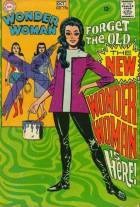 As for the costume change, it's a good idea. As sports teams have learned, if your new costume stinks you can go back to the classic but if it works you now have two to sell. It's just that execution-wise this one already looks dated to me, with that weird X-Men movie reminiscent half-jacket. You have to execute that costume well because 1) the first one is very iconic, and 2) it also has that Sub-Mariner factor of "I showed up to beat your ass in my pageant swimsuit and tiara" that actually makes Wonder Woman more terrifying than a standard costume might. Anyway, Jim Lee isn't a well-known costume designer, at least not to my knowledge, so I'm surprised he got that call. JMS' public distaste for the Mike Sekowsky version, which I recall being a few outfits perfectly in line with an Emma Peel-style take on the character, just seems unfortunate to me on an aesthetic level. I liked the way those costumes looked.


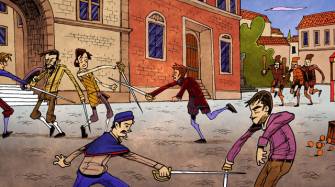
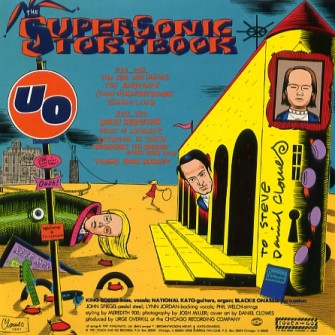

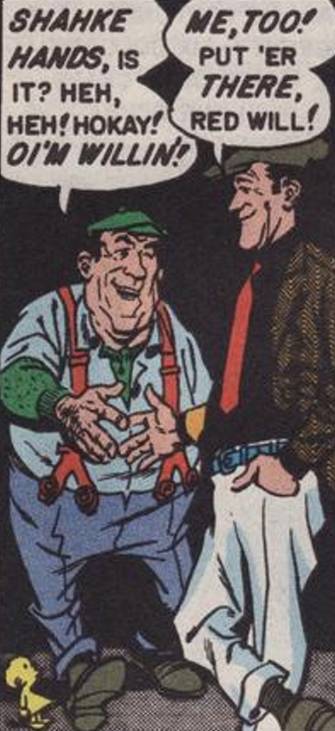
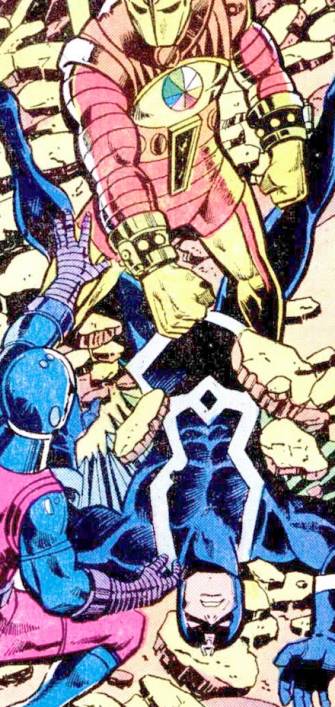
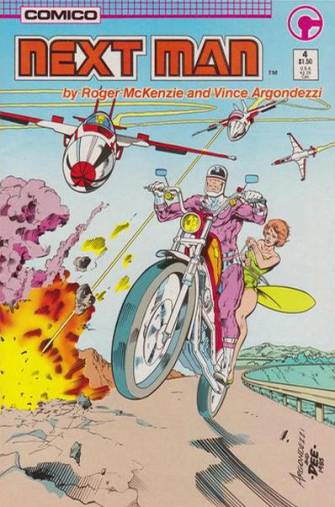

 *
* 
.jpg)




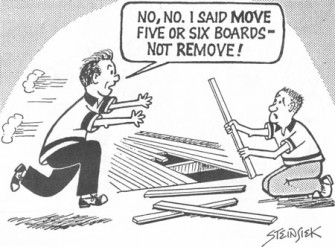
 *
* 

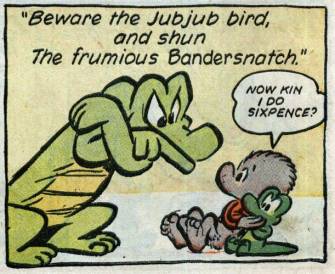
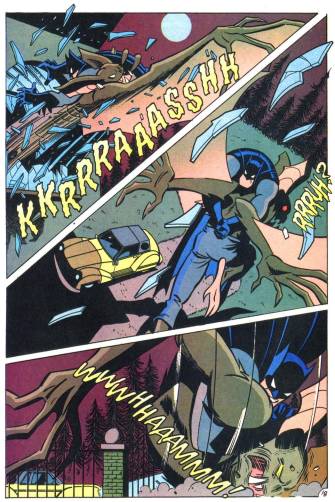

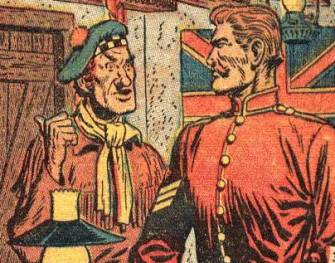
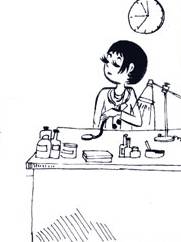 There's nothing that's particularly newsworthy about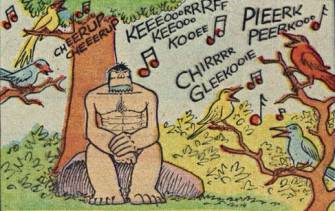
 * Matt Seneca
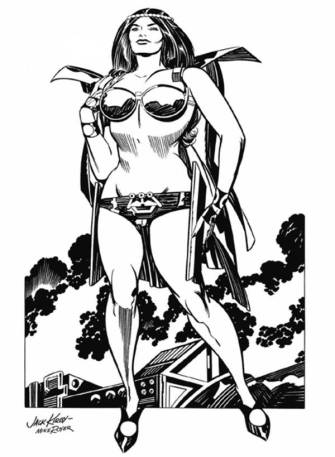


_thumb.jpg) I first became aware of
I first became aware of 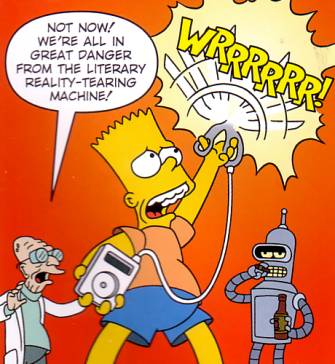
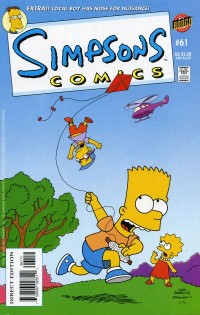 SPURGEON: I don't know anything about Bongo other than a bit about
  SPURGEON: Do you have a sense of your audience for the original comic books? When you were doing these crossovers, were you hearing back from people? Is it different audience than the other companies out there have?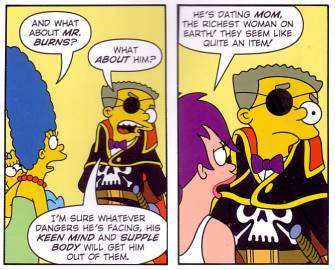
 SPURGEON: Taking something from animated form and putting it into comics form, is there anything harder to do on the comics page? Is there an effect you lose that's harder to replicate than others?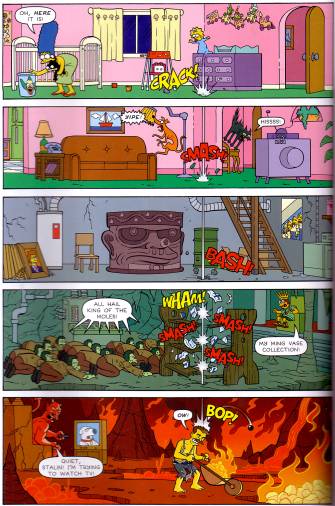
 SPURGEON: So is there a way you pace yourselves with such sequences?
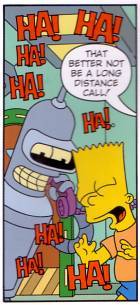 SPURGEON: As the writer that mashed the two universes together, is there anything about doing so that surprised you? For instance, as might be expected you paired off a lot of the characters for different scenes; is there an effective pairing that you didn't see going in?
 Somehow along the way they decided to give him
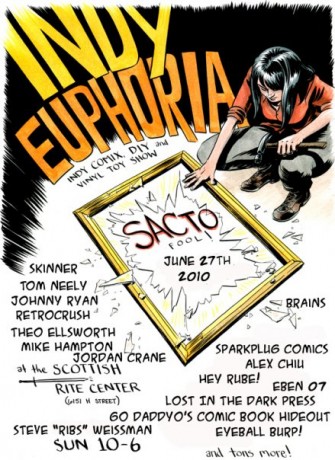

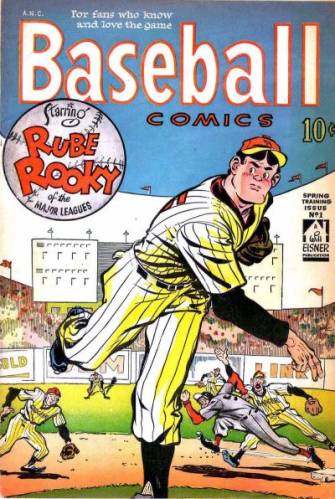
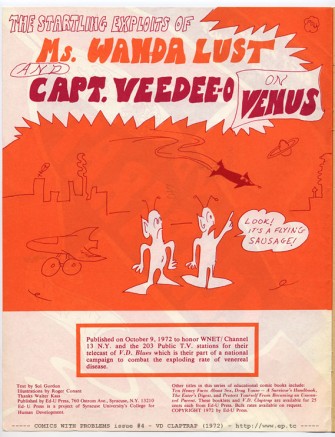
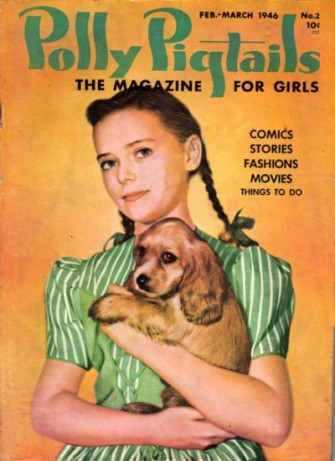
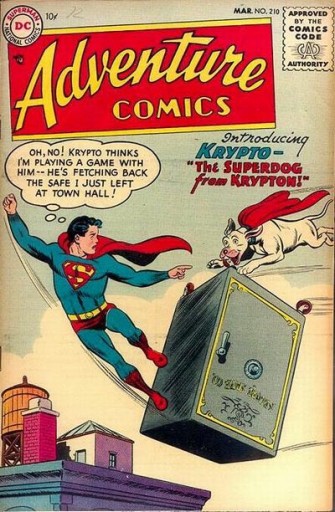
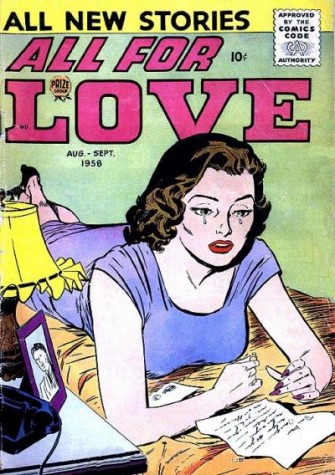
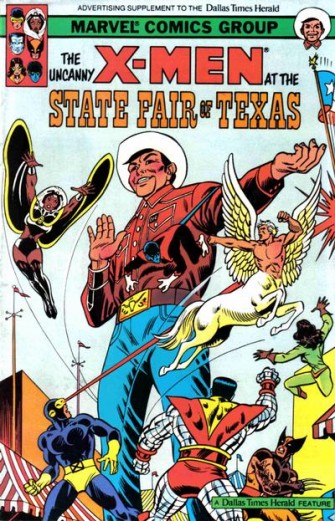
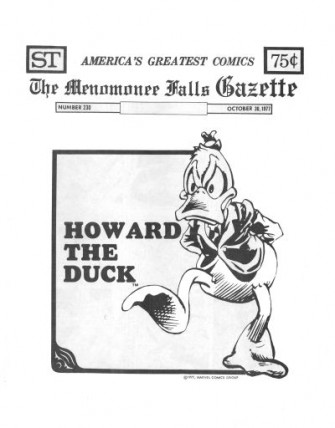
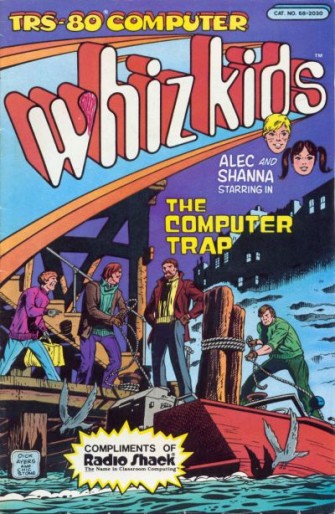
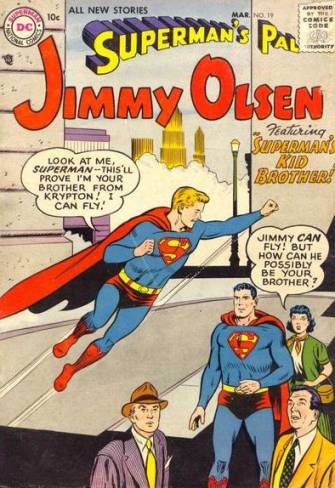
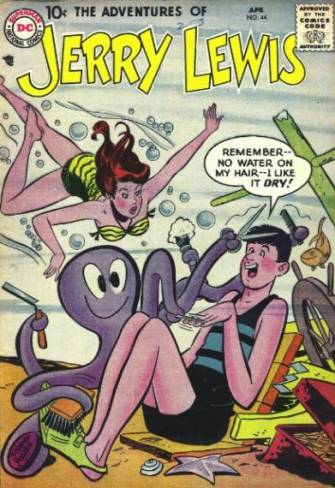
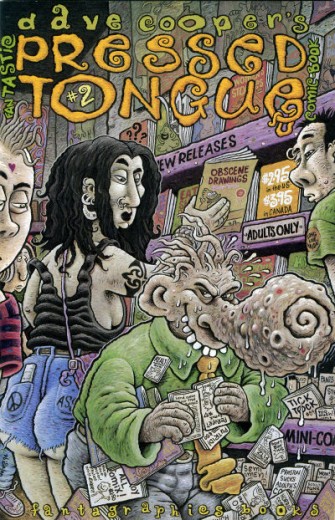
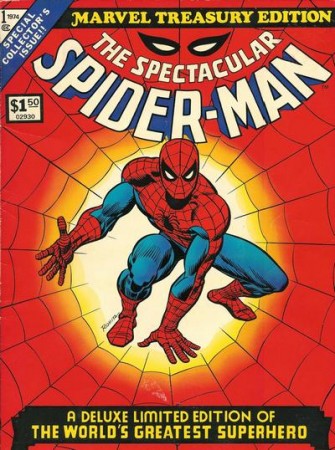
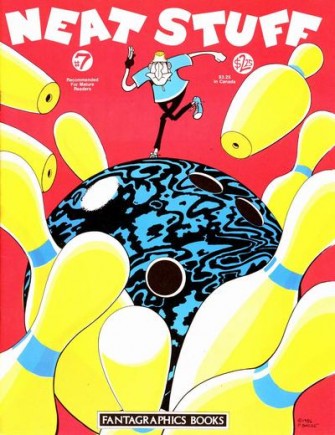

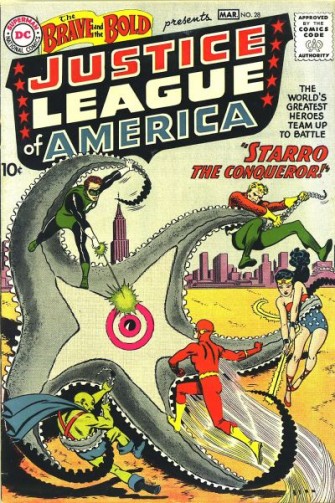
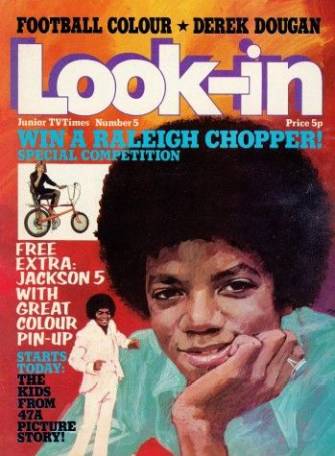
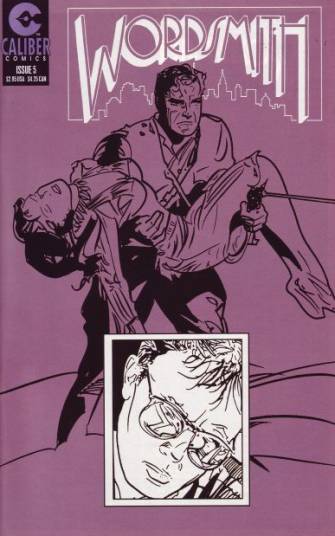
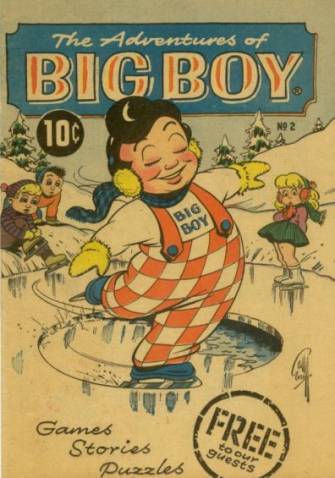
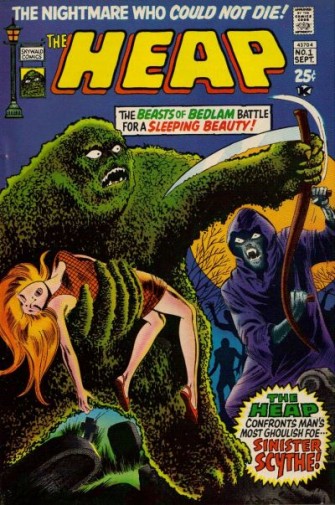
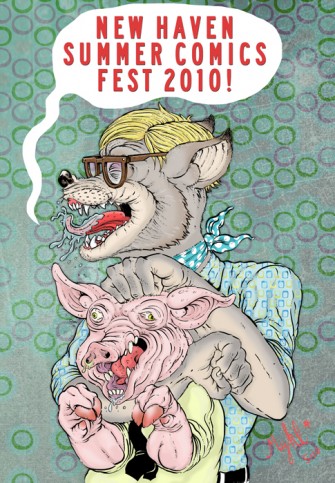
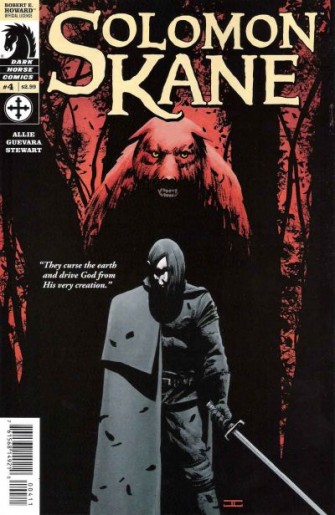
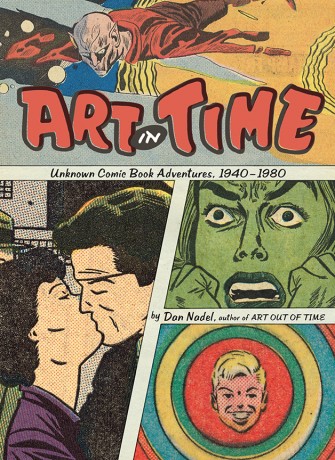
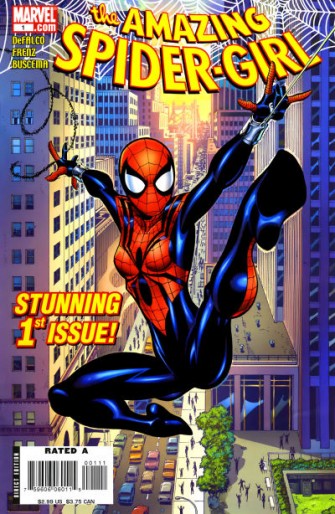
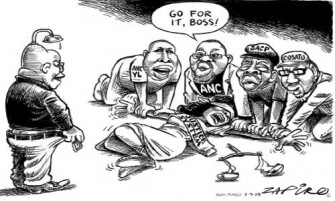
 I don't have too much to say about
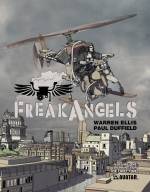 Something called the British Fantasy Society
 As part of their ongoing coverage of the dance between Comic-Con International and the cities of San Diego, Los Angeles, Anaheim and Las Vegas for hosting honors regarding the post-2012 version of the show,
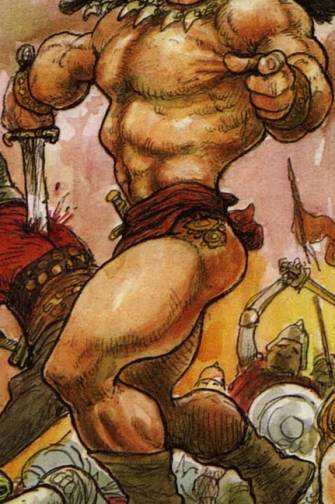
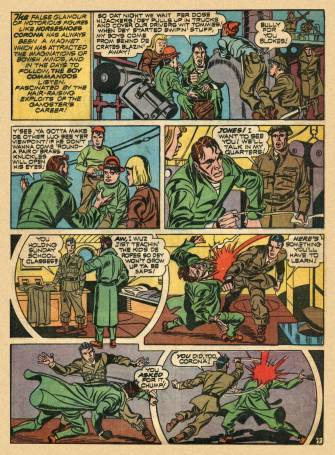
 * Frank Santoro has

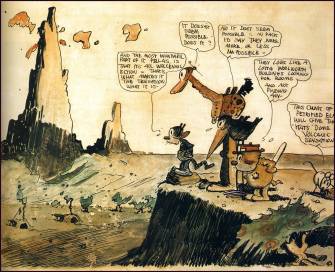
 By Tom Spurgeon
 The book banned was Perak Darul Kartun while the two comics named were Isu Dalam Kartun and the wonderfully-titled 1 Funny Malaysia. All three were banned for specific contents within the covers. The 1984 act is designed to keep the public order, which indicates the content was somehow commenting on current government policy or conditions for which the current government might be held responsible.
 Desbois owned the
 If I'm reading
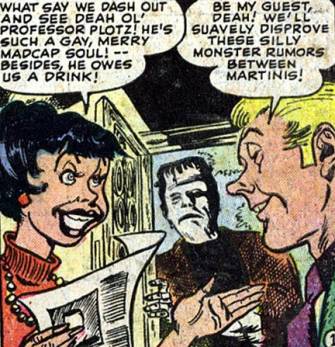
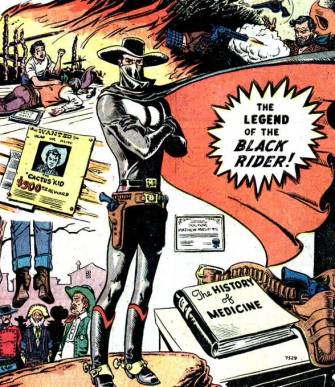
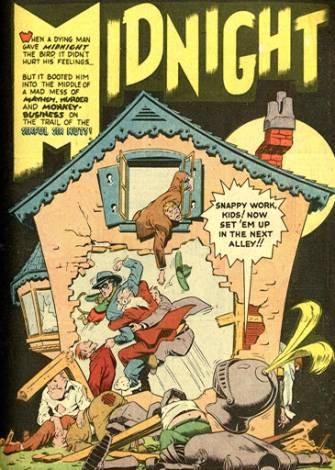
 * the artist Fabio Moon's sketches
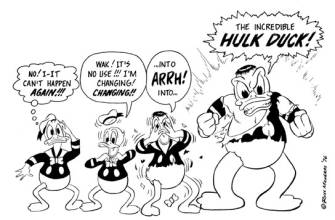

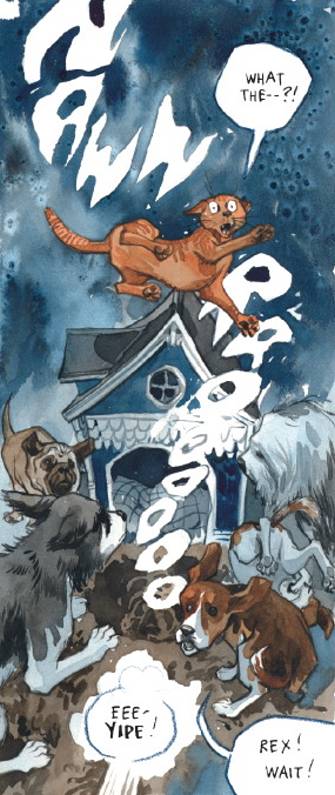

 * the cartoonist Scott Stantis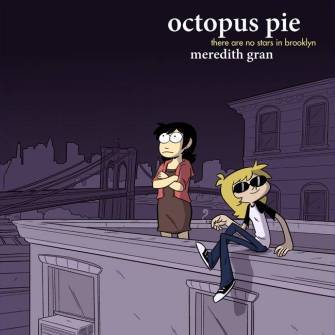



 * I can't vouch for it, but apparently
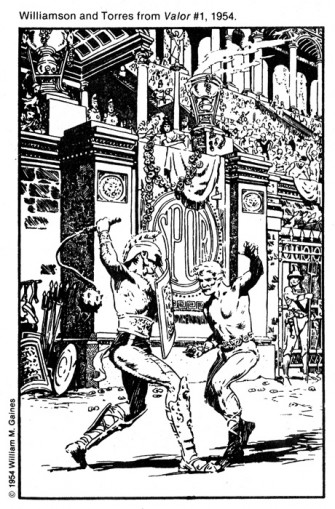
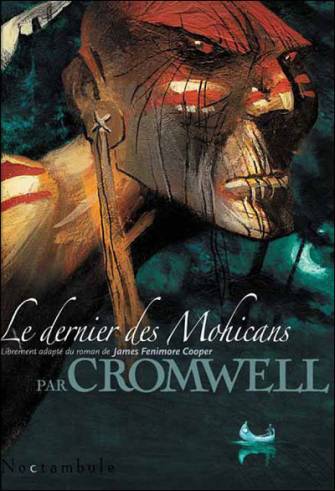
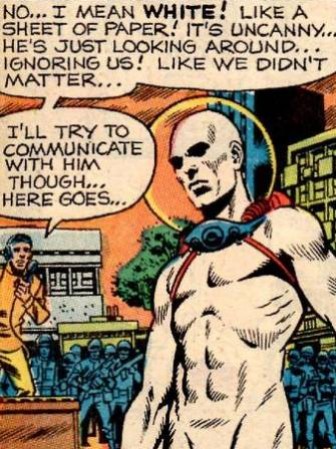
 * sole remaining major Seattle P-I asset David Horsey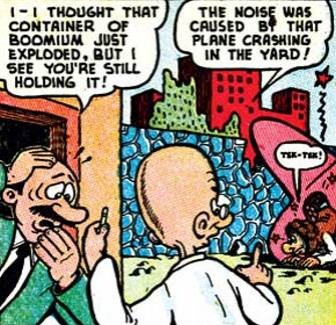
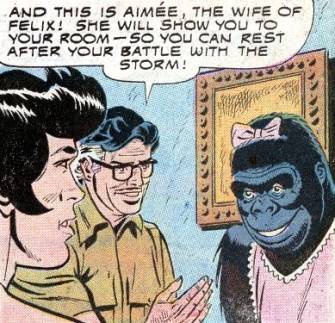

 * the always-intriguing Matthias Wivel
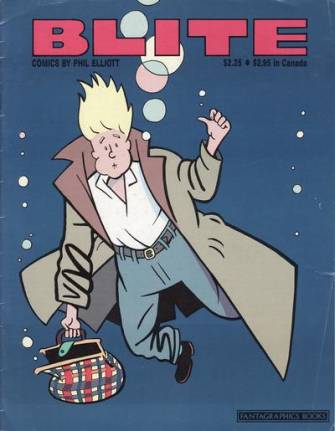
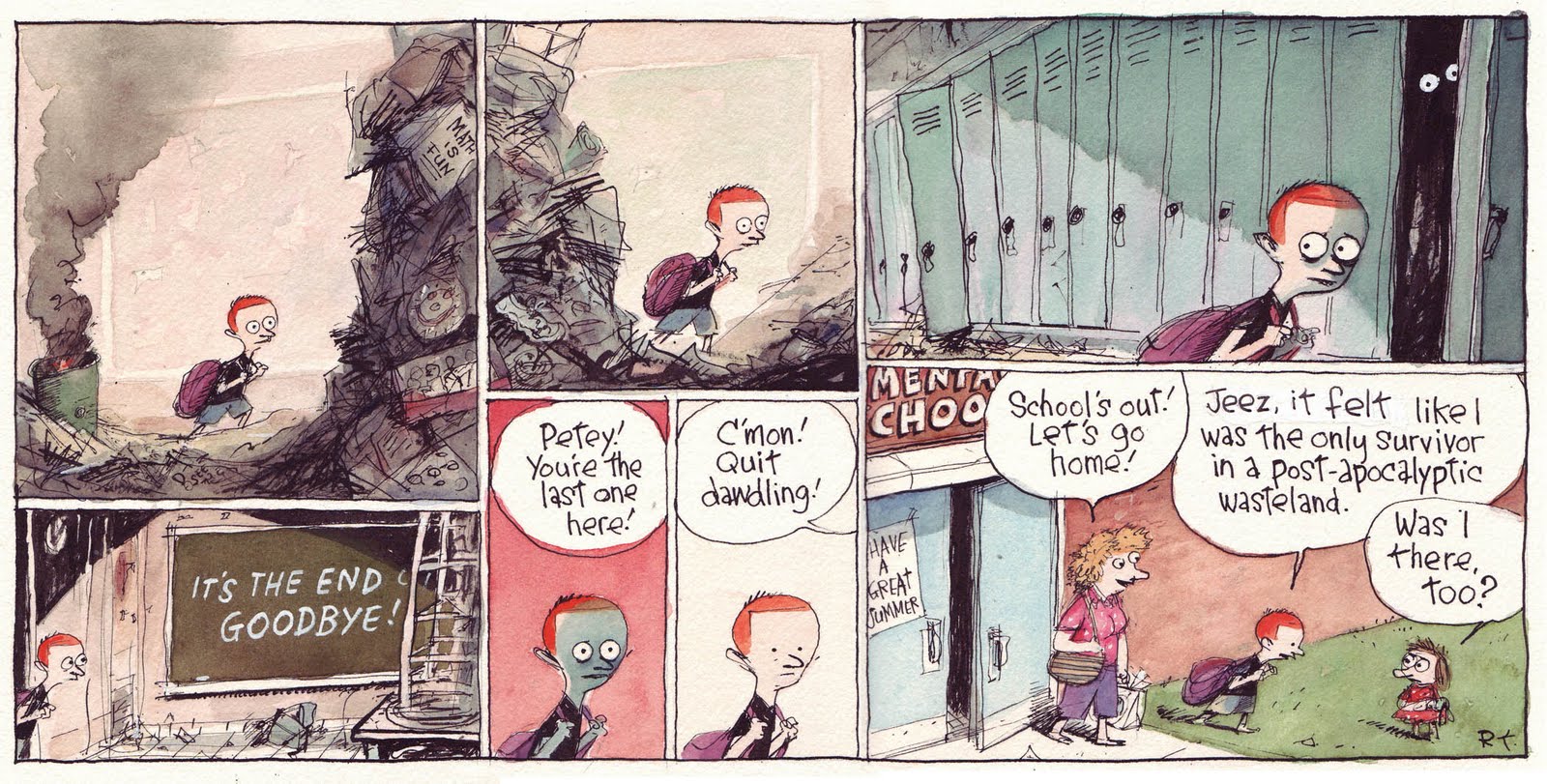
 *
* 
 According to
 Over at The Comics Journal

 * you can buy
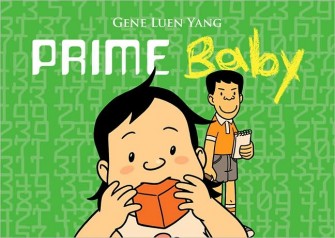
 SPURGEON: For that matter, have you been able to fully enjoy that book's success, do you think? Now that you've had a couple of years, is there anything about the experience in terms of how well that book did that stands out to you?
 SPURGEON: You probably did the healthiest thing available to you as a same-publisher follow-up to ABC in that The Eternal Smile was almost radically different -- in fact, the short stories in that book all break in different directions from each other, let alone from past work. Was that a satisfying work to put together, these different stories in different modes and with different tones, all in color, after such a sustained graphic novel effort? It looked like you guys were having fun but at the same time I could also see the book as being laborious in terms of its execution.
 SPURGEON: There are what I would say are obvious cautionary elements to The Eternal Smile in terms of how it presents fantasy vis-a-vis reality. What I couldn't tell -- and maybe you don't want to tell -- is where your personal sympathies lie. Is it enough to pick up a kind of critical ethos to the stories in that book, or is there a specific criticism of fantasy and its limits you'd like the reader to consider?

 SPURGEON: You mention lightness... I think more than any of the other comics that ran in the Times, yours was humorous in a way that we think of comic strips being humorous: was that intentional? Are you a strip fan, is that a mode of expression that you enjoyed inhabiting for a while? Were the constraints of the strip useful to you as a creator in any way?
 SPURGEON: Is there anything to the way you construct the individual pages that's important on a project like this one? For instance, is it important that every individual story segment have a certain sort of gag, or that certain characters are voiced every time out? What is the intended effect of so much dropped detail in your panels, how so much of Prime Baby takes place against a single-color background?
 SPURGEON:
  YANG: I've got a few things in the works. Early next year,
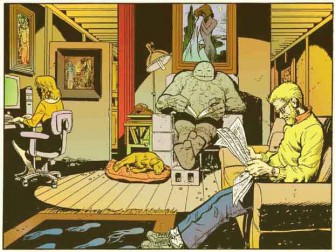
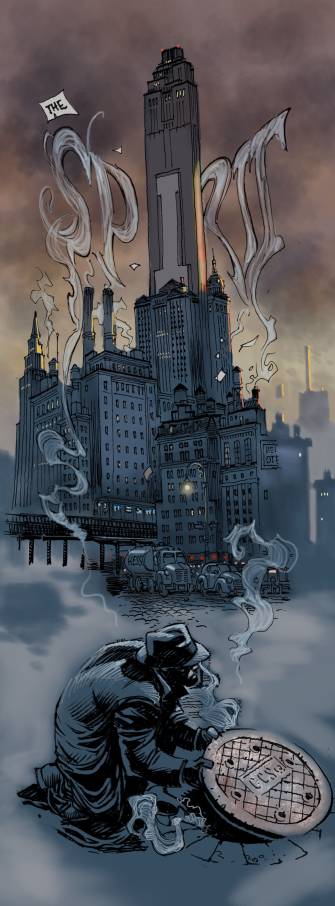

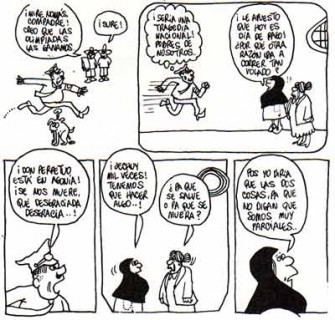
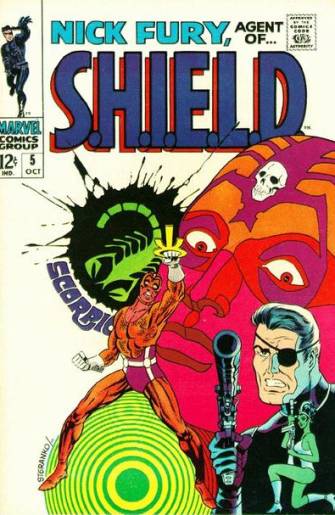
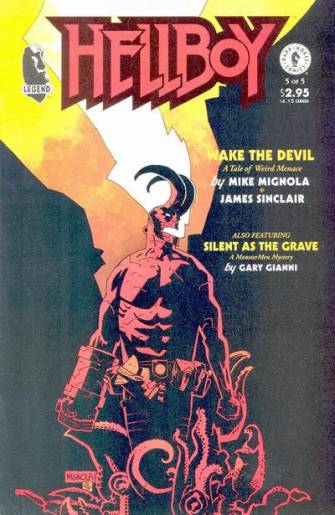
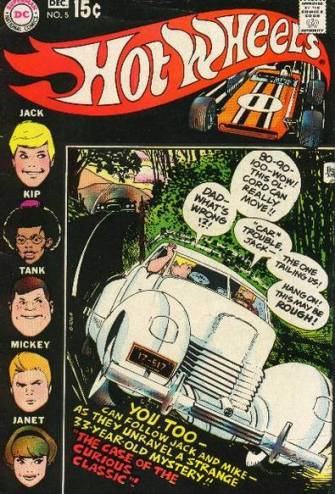
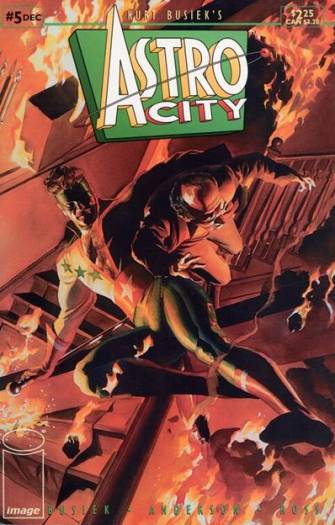
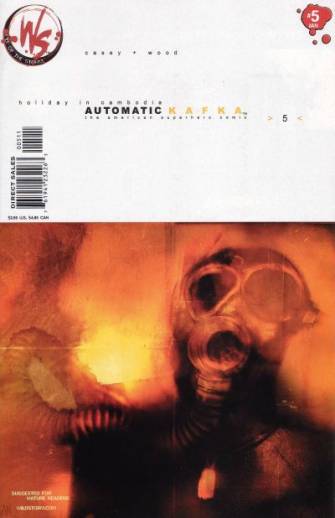
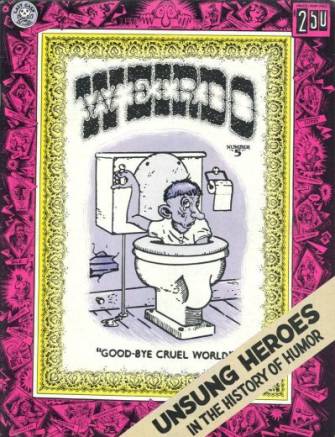
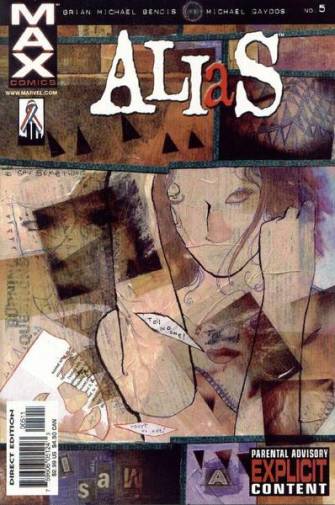
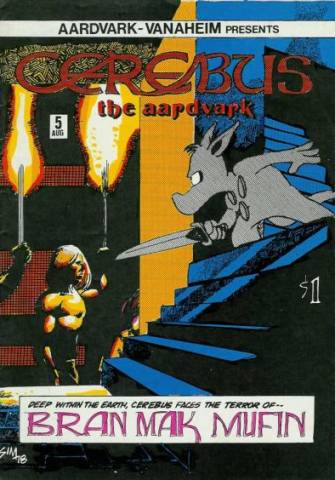
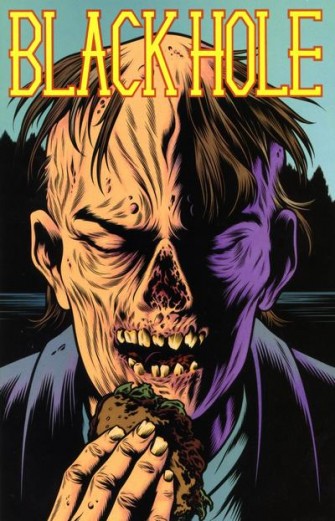
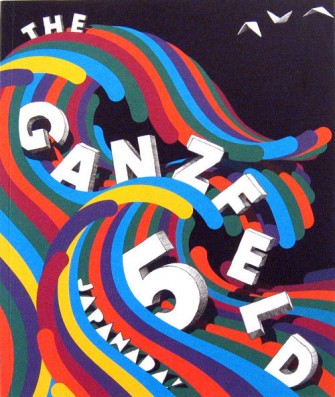
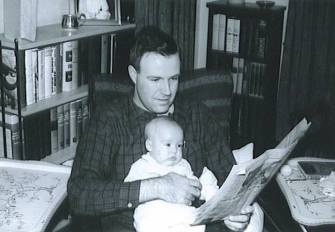
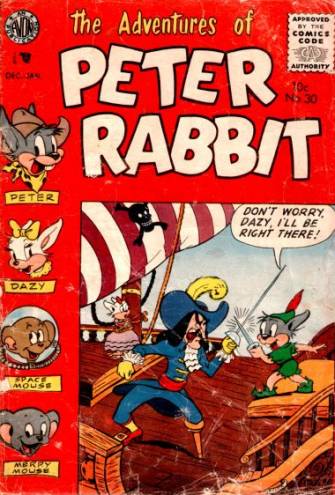




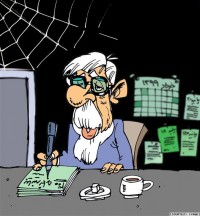 A cartoon from exiled Iranian cartoonist Nikahang Kowsar has been removed from a site focused on Iranian news similarly based out of that country,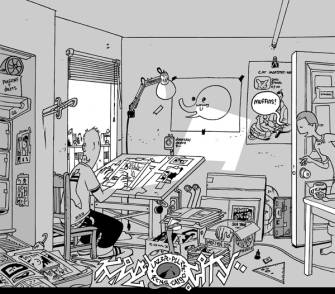
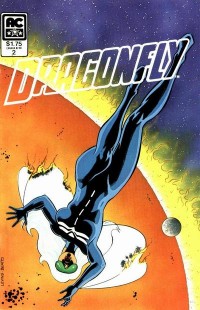
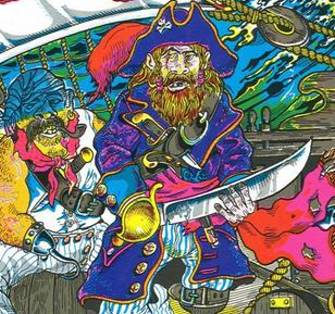
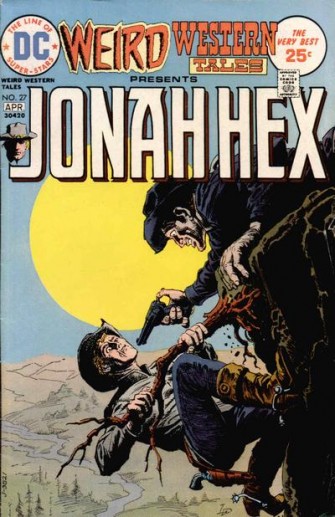
 *
* 

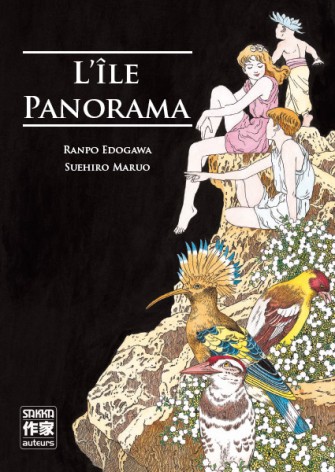


 Laura Onstot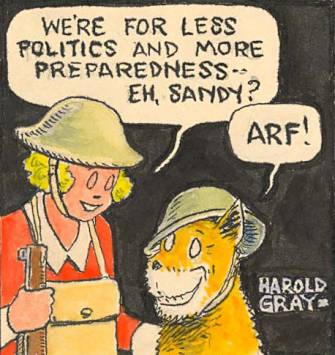
 Secondly, as of this past Sunday I am engaged to my lovely girlfriend, Jenny. I had already been squirreling away cash, but the SMURFS job (which I got, again, in large part thanks to you) provided me with the necessary boost of funds to by a ring and pop the question! We're both very excited, as you can imagine. A small pic is attached here -- you can see them larger on
 * it figures that two cartoonists to take note of Bloomsday would be


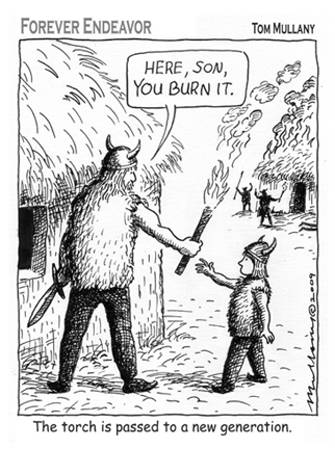
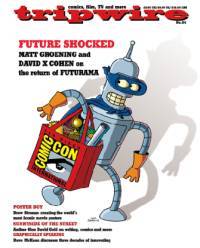 * while multiple magazines purporting to fill that magical aesthetic space between Wizard and The Comics Journal have come and gone, Joel Meadows and Team Tripwire keep on publishing, in print, year after year, Diamond's bizarre solicitations standards and the general apathy of the North American comics Direct Market be damned. They're doing another one, and if you're a store owner or distributor that can give them a hand in getting more of their magazines into the hands of attentive summer readers, I'm sure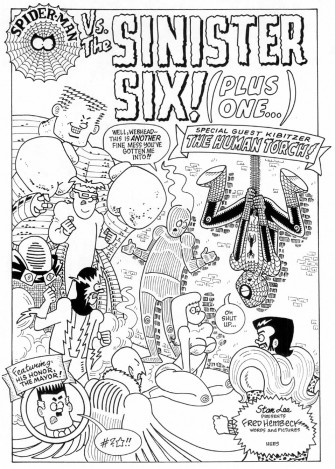
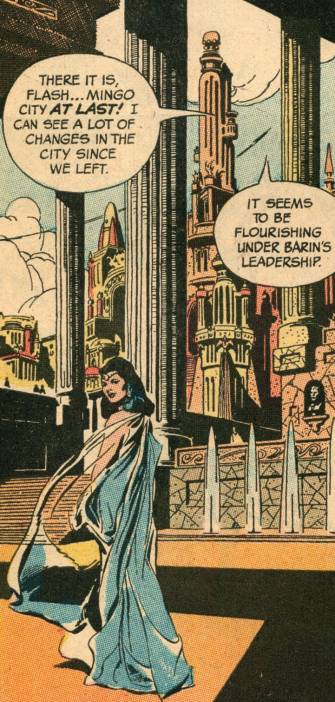
 I totally missed the story of Rob Berry and Josh Levitas running up against being asked to make changes in non-sexual nudity for their book to be made available on the iPad, and of all the stories out there I think
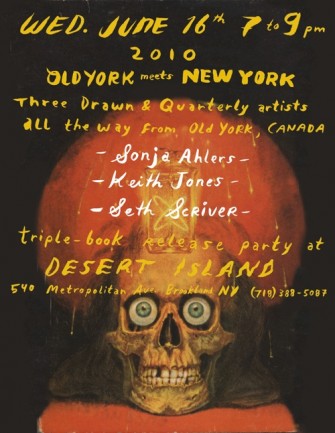
 * I can't quite figure out the nature of
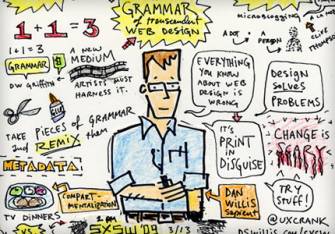
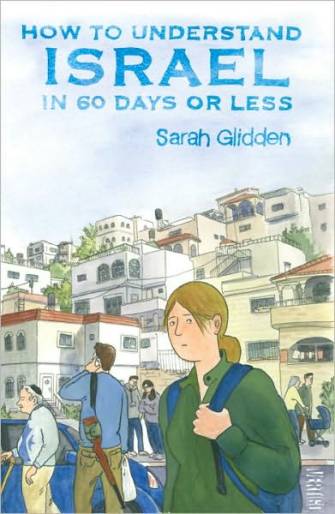
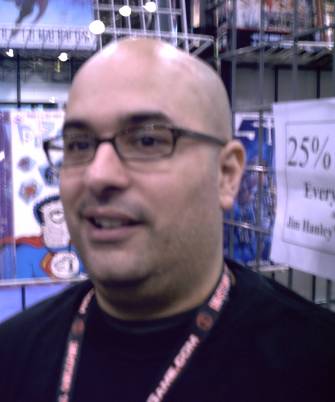

 Williamson was among the early students of




 Williamson spent the balance of his remaining career between these sparkling runs on other people's pencils on series and one-offs like two of the three Star Wars prequel adaptations and occasional all-in-one projects that took one's breath away for the still-evident mastery and skill Williamson could show given fuller reins on a project. He drew Flash Gordon in a two-part mini-series written by Mark Schultz that at one of the most crass periods in mainstream comics history, the middle 1990s, came across like a sparkling gem of old-school values, of a quality with his 1960s work on the character or the underrated movie adaptation from the very early 1980s. Williamson would also work with Schultz on a late-'90s Dark Horse Presents short called "One Last Job," which wasn't literally true but seemed close enough for some fans to take notice. A 1999 story featuring the
  Williamson won an
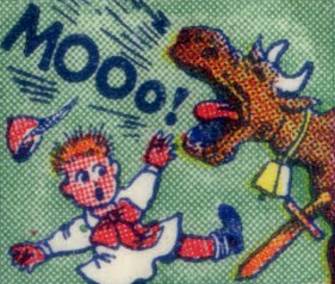
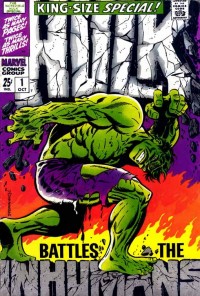 *
* 
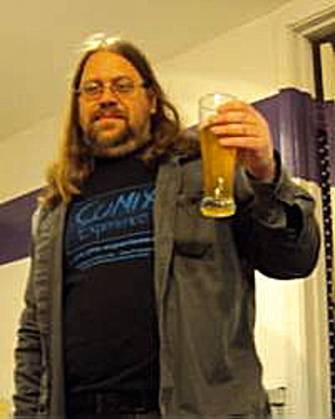


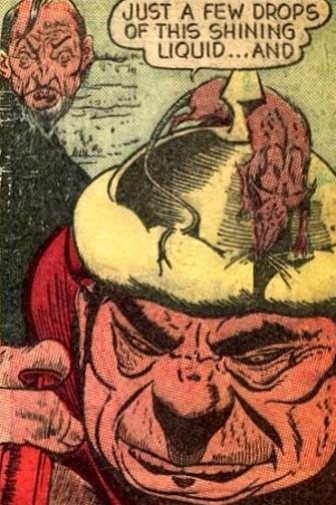
 On what was a slow news day in terms of features, and because of the announcement that Little Orphan Annie was to be canceled after 86 years facilitated by the delay between production and publication in newspaper strips, several media sources noted the strip shuffling off the comic strip coil in abrupt fashion with Sunday's appropriate/necessary/couldn't-be-helped
 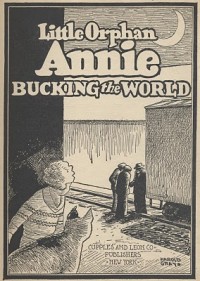 I hope that the strip's legacy will focus more on the work as an interesting take on family-as-we-choose-it, as a compelling story strip distinguished by Gray's virtuoso feel for characters both despicable and kind and his ability in depicting a variety of interesting spaces in which everyone operated, and for Annie as representative of maybe the most humane fantasy presented to audiences in comic strip history. Long before the government was big enough or even a factor where Annie suggesting another path became a politicized notion, Annie was an expression of the idea that if you treated people decently and worked really, really hard, things would likely turn out better than worse for you. That it was embodied in this traditionally super-weak character, a young girl without firm family ties or most kinds of basic support at crucial times in her life, I have to imagine that this was a hopeful message for people who felt similarly disempowered. Of all the comic strips out there to read in their classic state, Annie is the one I have the hardest time putting down, even in volumes that rested on my lap make my legs fall asleep. I'm sad to hear about her passing in a sense, but she hasn't been the same for years.
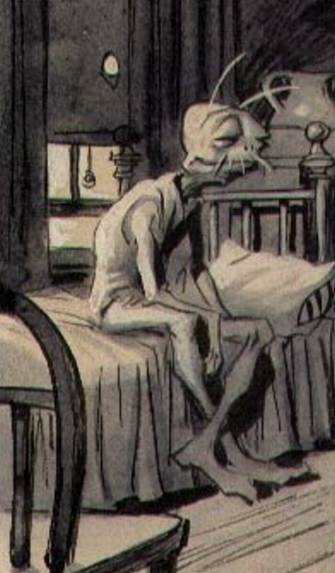
 The problem with the discussion is two-fold, I think. First, neither side seems to fully believe the claims of the others, particularly when it comes to money. I'm not sure how that improves, but no one in comics gets a medal for transparency where money's involved so I think that one limps along for a while yet. Second, there seems to me a completely unearned assumption of basic common ground where strip comics and webcomics are concerned, and I would challenge the logic that this should be the case. I think the differences end at the size-of-some-strips level. Just about everything else is like debating tennis vs. peanut butter.
 *
* 



 I'm most excited by what I think of as a new school of
  If Graham's work is defined by its economy, I think Stokoe's Orc Stain stands as a direct contrast . I love his work for its complex line work and highly imaginative details, and think the devil that Slayer sings about is in them. Stokoe's approach to color is fresh in contrast with other periodical comics coming out right now. While lacking the subtlety, what he does with his palette and color saturation reminds me a lot of Ronin-era Lynn Varley -- back when she was arriving at her own response to what was coming from Europe as imports and in Heavy Metal. His world of dense woodland, tribal aesthetics, odd creatures and odder logic is a really compelling place.
 Ryan in Prison Pit proves to be a master of precise composition and pacing. Though there's nothing redeeming about any of the characters in Ryan's hellish world, I still want to follow them for the artist's drawing virtuosity. There isn't a misplaced line, or a poorly chosen composition in this book, and it leads to a visually compelling, well-paced piece of work. I always liked Ryan's work on Angry Youth Comix, but could understand how one could write him off because they were personally offended or bored by the shock value of his humor. There's shock value and bleak humor in Prison Pit, but there's also atmospheric moments that remind me of a Leone western.
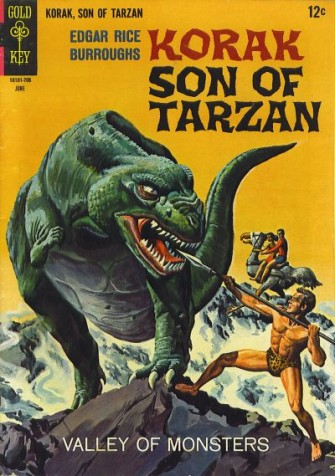
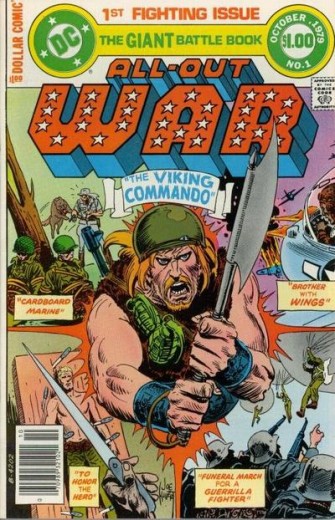
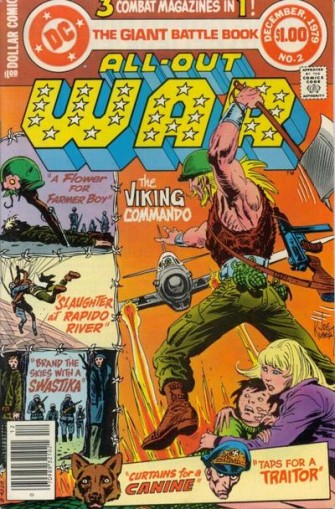
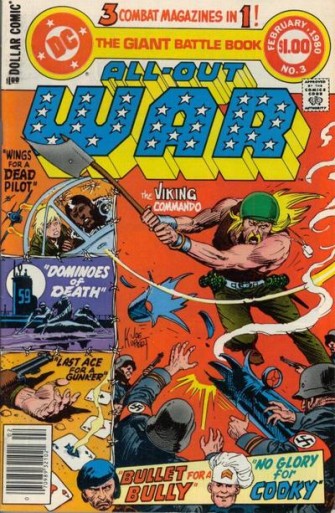
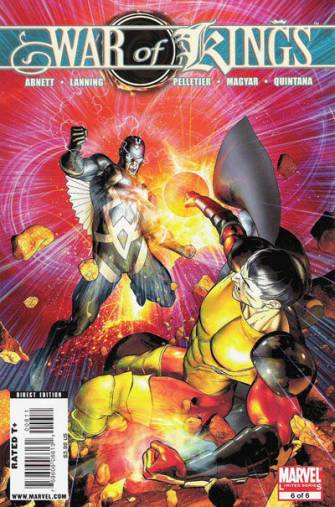
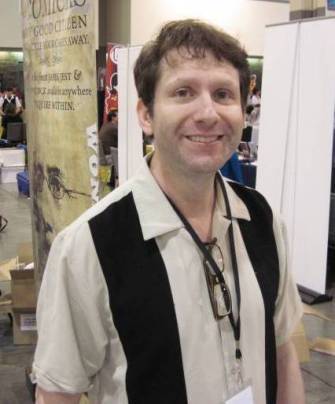
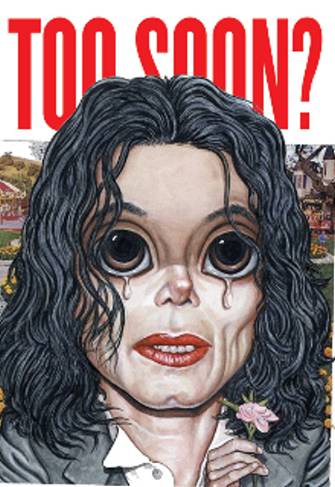

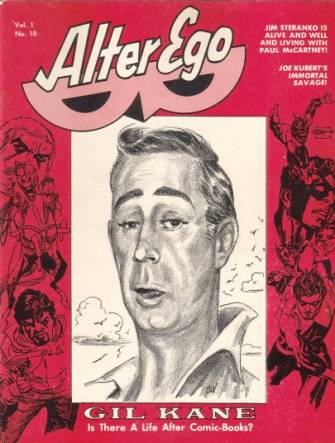
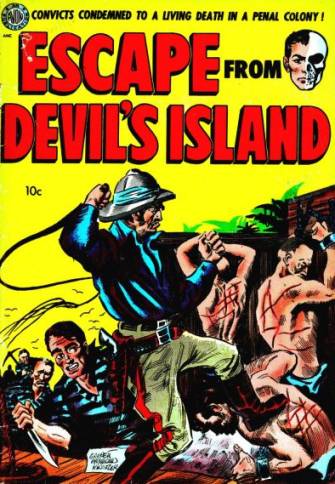
 Nominees
 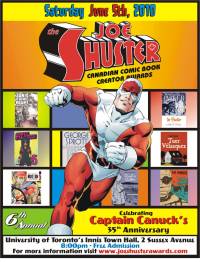 Winners
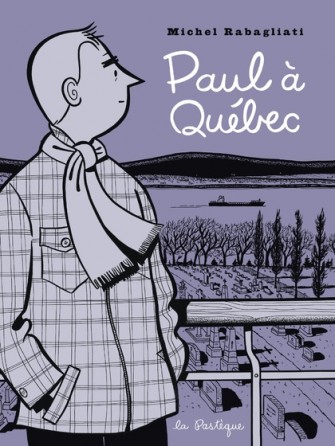
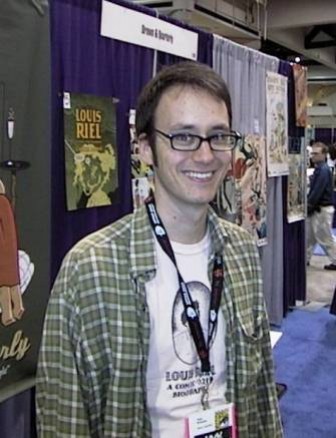
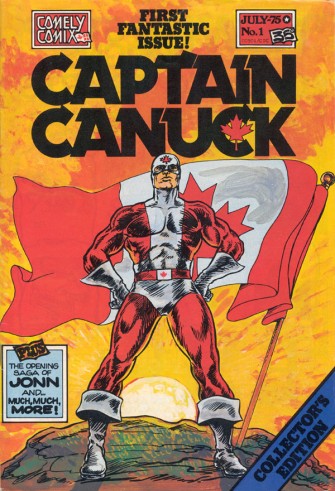





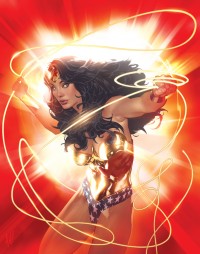 * the reviewer Matthew Brady applies a classic construction to a review of a Wonder Woman encyclopedia,


 * not comics: I'm not sure why I got this e-mail at CR, but
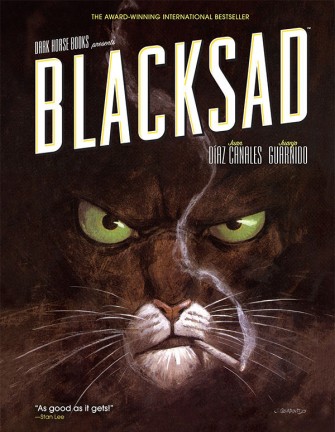
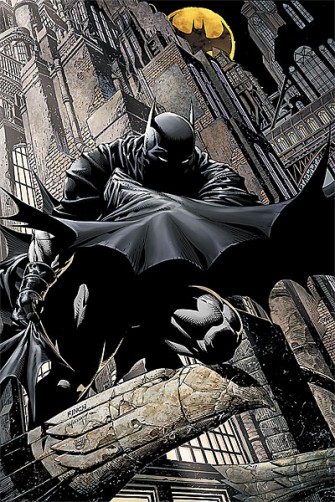
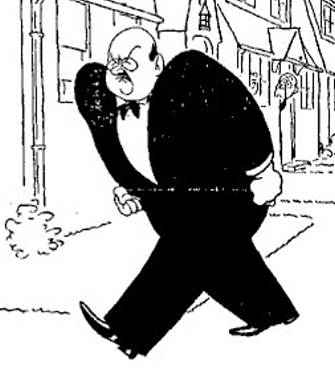

 *
* 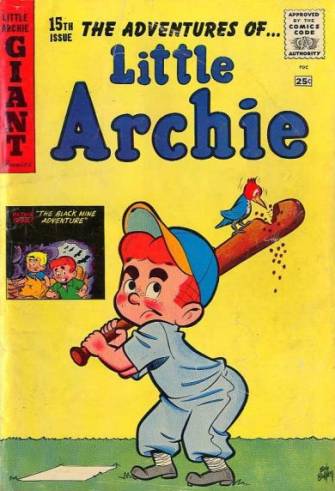

 * I believe
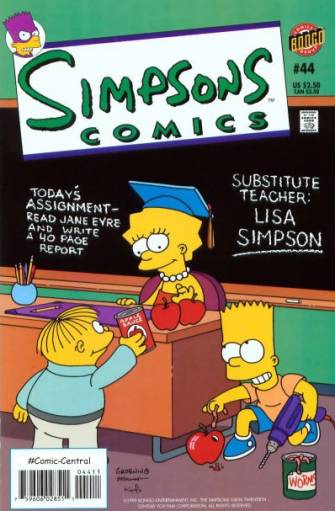
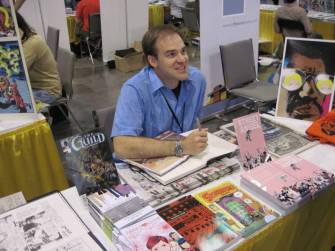


 * a funny thing that happened late in at the auction -- and the auction ran pretty late -- is that
  *
* 

 * I nearly missed this just because it sat around in my Bookmarks folder forever, but Richmond Magazine
 4. Will Comics Experience A Tidal Wave Of Destitute Older People In The Next 20 Years, And If So, Can Anything Be Done About It?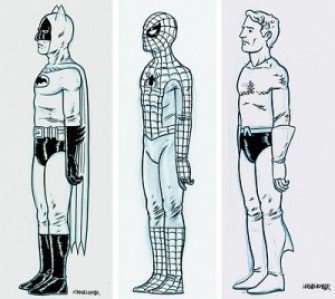

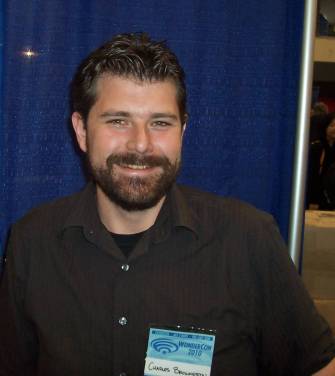
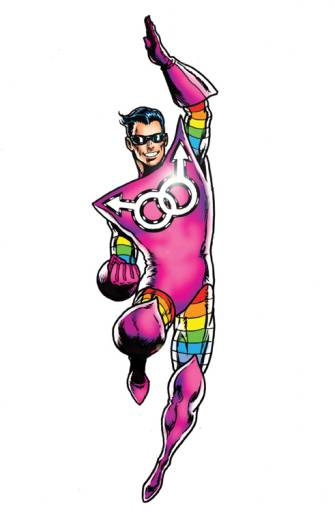

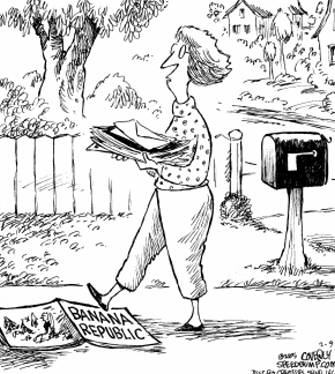
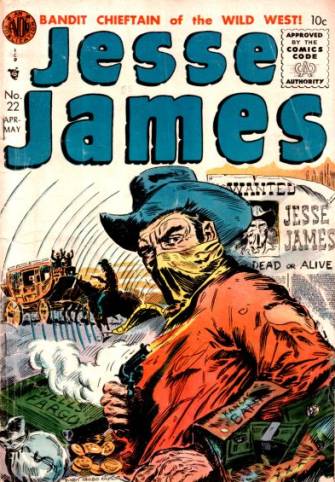

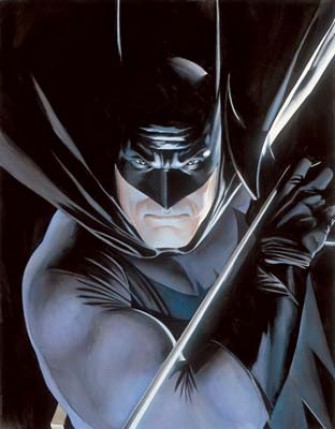
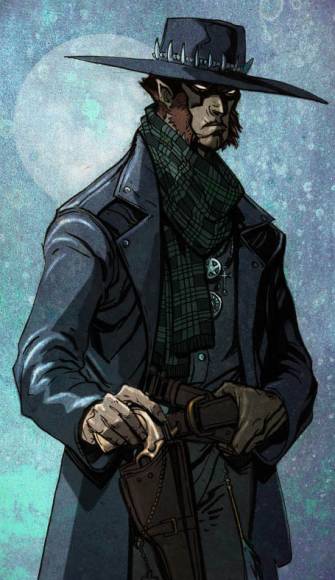

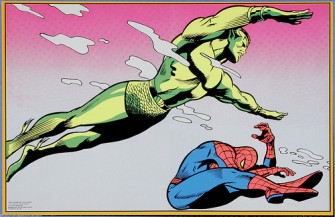


 SPURGEON: You're a successful show -- do you consider yourself a show that's growing? What would you like the show to look like 10 years from now? Would it be bigger? Would it be in multiple places around the city, for example? More days?


 What I think is going to be the key is positioning mangaka as people, positioning the creators of these works as flesh-and-blood real people that produce the work, people worthy of respect and support. Making


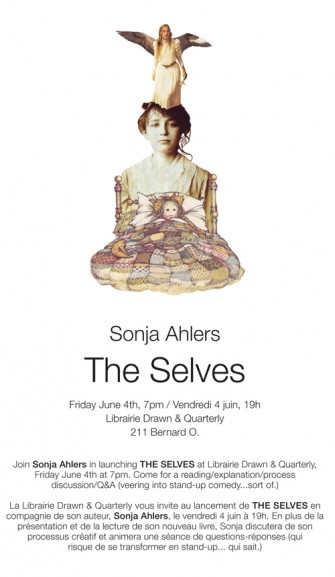
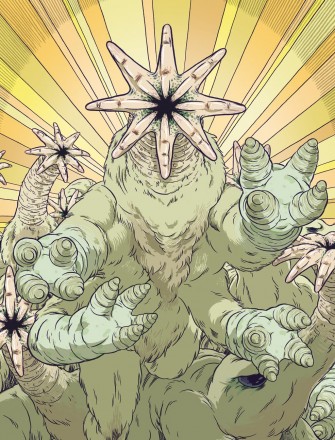

 * I couldn't figure out the links at first, but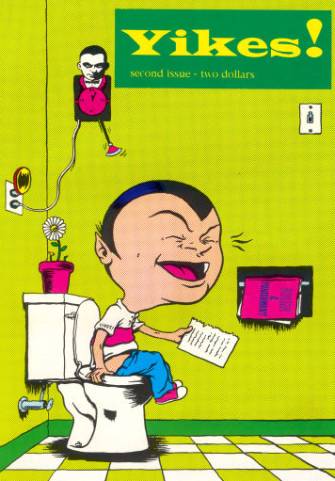
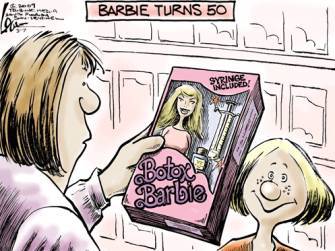
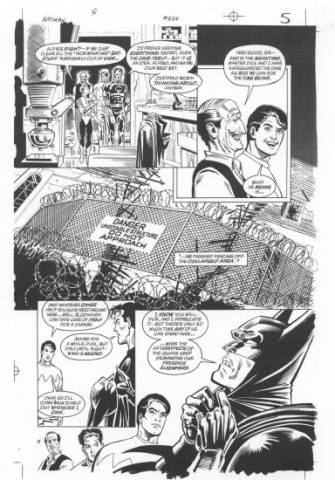
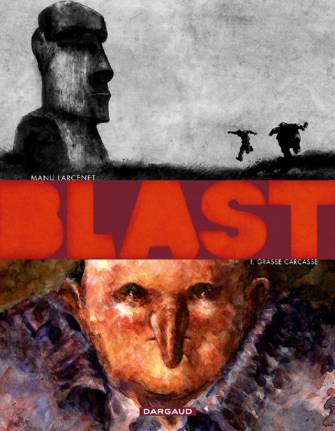

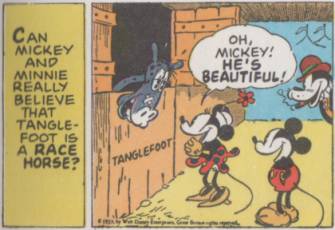
 * not comics: one way that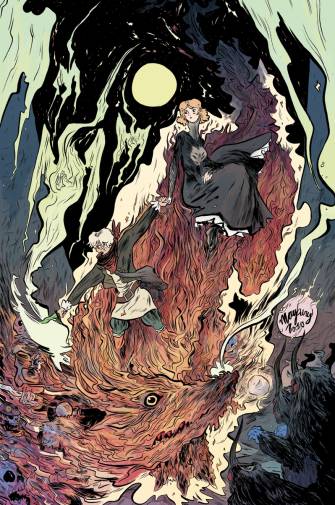
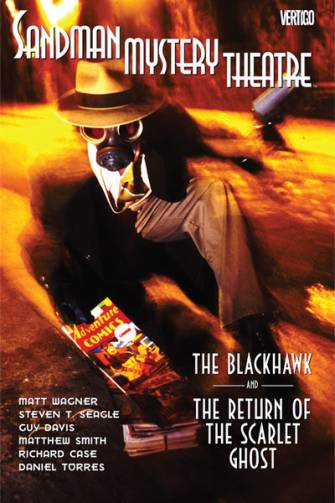

 * alt-comics pioneer Roberta Gregory
 I'll admit I know every little about Book Expo America, the book industry's big trade show. I've only even attended twice. But reading
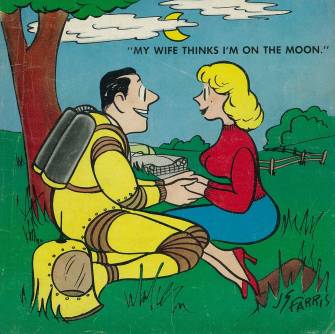
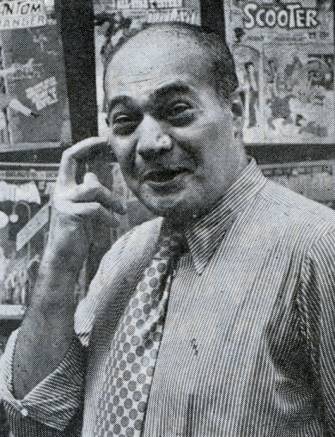
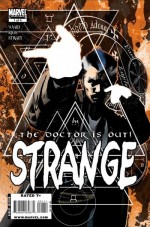 * blogger prime Neilalien, noted expert on all things Stephen Strange,

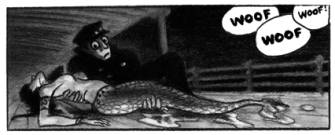

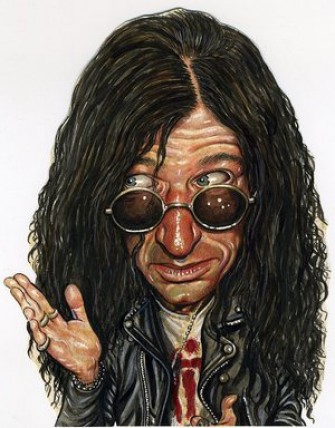


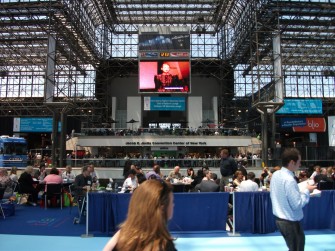
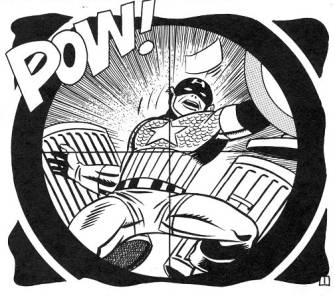
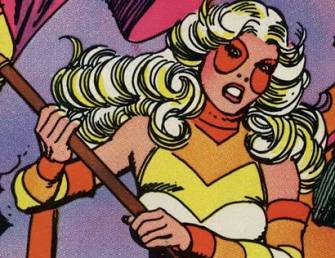
 Through Ethan Heitner comes word of