Two Editorial Cartoonists Depart Their Staff Positions
Two editorial cartoonist-related vocational moves slip briefly into the spotlight, distressing only for the matter-of-fact reflection of print publishing's decline and the expected role of cartoonists in the shape of such publications moving into a dominant social-media age.
* an ABC affiliate serving Mississippi notes that the Jackson-based Clarion-Ledger's Marshall Ramsey is shifting into a bigger role at a local radio station, replacing a Clarion-Ledger reporter/broadcaster who is moving more fully into teaching. Ramsey is said to be continuing his cartoons, and given he was moved to part-time status last November when the Clarion-Ledger made significant cuts in staffing and paper size, I'm not sure this changes that part of his status at all. A new gig is a new gig, though, and Ramsey was so positive about the moves last Fall it's nice to see a new opportunity open up for him. Ramsey also remains syndicated through Creators.
* Alan Gardner notes that Jim Day of the Las Vegas Review-Journalwas laid off last week in abrupt fashion. I share what I'm reading as Gardner's dismay at the brusque and impersonal way that the newspaper ended a 30-year career, including 20 as the paper's primary editorial cartooning voice. Day is apparently 61 years old, despite photographic evidence that suggests otherwise, which could put him near more of a retirement point depending on personal circumstance. He does plan to continue cartooning, and is represented to papers through the service provided by Daryl Cagle.
Not Comics: Al Hirschfeld’s Residence Is Sold This is more of a curiosity than a real story, but I can't imagine there are too many times that a late artist's home sells for what is likely something close to a $5.3 million asking price. The theater artist Al Hirschfeld was a significant part of New York City culture for decades, although he's only come back into comics' consciousness since the rise of sequential narrative definitions of the medium allowed for a second look at his series of portraits and scenes as extended meditations on theatrical culture. He drew from his home, one of those upper east side townhouse that cost in the mid-six figures as recently as three decades ago (and Hirschfeld was around for much longer than that). The article linked-to above notes that the residence includes some Hirschfeld art on the walls (it even points some out) although if I were buying that building even partly for Hirschfeld I'm thinking the prize would be his barber's chair seating. Gotham popular arts enthusiasts will now have to set their site on the Jim Henson building, which if I recall correctly is going for five times the price of the Hirschfeld place.
I'm also slightly -- and benignly -- curious as to why the place hadn't been sold until now, as the artist died in 2003.
Random Comics News Story Round-Up
* a bunch of you have written in to express enthusiasm for this Prisoners Of Gravity archive, which has a ton of comics-related interviews. I'd suggest bookmarking it for a rainy day.
* hey, it's a 1986 interview with the great Gil Kane! Kane was of course one of the great 20th Century mainstream comics artists and is on the Mt. Rushmore of comics talkers (with Hogarth, Spiegelman and Barry).
* not comics: somehow I missed that Chicago institution Earwax had closed. I can't speak to any special relationship it had to comics or cartoonists the way Paul does in that link, but it was certainly one of the great '90s City Of Big Shoulders hipster institutions, in the best possible way. Even those who were more camaron soup at Arturo's people than they were vegan banana walnut pancakes at Earwax folks ended up over there at some point or another. I sat in Earwax within the first week of showing up in the Windy City in the 1990s and I went there the last time I blew into town some seventeen, eighteen years later. That's what the great neighborhood businesses do. More here.
* Frank Santoro and the Comics Comics commentary kids talk forgotten cartoonists. Well, more like cartoonists that just sort of wandered away. You know what I mean. There's a Robert Boyd post somewhere in there that helps define things if you get confused. Robert Boyd is nice like that.
* we're going to see more of this kind of thing before we see less of it.
* look at all these nicely-dressed cartoonists. My favorite thing about the big NCS dinner isn't the fancy dress but the fact that apparently it was once common for unattached male cartoonists to bring women that looked like their characters to this event? It's like a proto-booth babe thing, at least the way it was described to me.
* Michael Cavna talks to Donna A. Lewis about the launch of her new strip Reply All. I'm always curious about newspaper strip launches because on the one hand I feel they're 15 years behind the curve in terms of getting the word out; on the other hand, I'm not sure getting the word out really means a damn thing for strips in terms of finding a toehold in their primary market.
* it's not comics and usually this kind of thing goes under "craft" in the quick hits section, but I have a copy of the New Yorker issue with this Jaime Hernandez illustration in it, and it's a lot of fun. Well worth a peek at whatever place is near you that carries The New Yorker, which these days is a rare and wonderful place.
* finally, read this down to the polar bears. If you're not smiling, click away. That kind of cute superhero thing really does it for some people, and doesn't do a thing for others.
New York Daily News Drops Entire Page Of Strips
As noticed by many of you out there, the New York Daily News looks to have dropped from three pages of comics to two. According to notes kept by Brian Walker and sent along to a number of journalists (thanks, Brian), the dropped strips were:
* Close to Home
* Curtis
* Dustin
* F Minus
* Marmaduke
* Over the Hedge
* Real Life Adventures
* Rose is Rose
* Sherman's Lagoon
* The Flying McCoys
* The Lockhorns
* Tundra
The strips that remain in the paper are:
* Argyle Sweater
* Between the Lines
* Blondie
* Dilbert
* Doonesbury
* Gasoline Alley
* Get Fuzzy
* Hagar
* Jump Start
* Mother Goose
* Mutts
* One Big Happy
* Pearls Before Swine
* Red & Rover
* Soup to Nutz
* Zits
If you can detect a pattern here other than a vague lean towards bigger hits in the keep group, you are a better and smarter person than I am, that's for sure. Losing placement at a big circulation paper like the Daily News is a blow to any strip, and losing a page's worth is a blow to any readership.
Is It Weirder That Wizard Missed Its Initial Digital Launch Date Or That Barely Anyone Noticed? The new magazine launches Wednesday. Actually, I'm pretty certain that a lot of people noticed, I just didn't.
Rob Samsel, 1964-2011
The comics community learned via a posting by Jimmy Palmiotti to twitter that early Wizard staffer and subsequent comics retail employee Rob Samsel passed away on February 18 in a Connecticut hospital after being suddenly stricken. He was 46 years old.
Samsel is best known in comics circles for being one of the early staffers at the recently-defunct industry magazine Wizard, in the days when the magazine was organized a bit more like a traditional comics news publication with interviews and news stories than it was perhaps structured in different periods later on in its history. A part of that magazine's remarkable surge to the top of the hobby-publication heap, Samsel was an embodiment of that publication's virtues in terms of a sense of humor and maintaining deep, dependable industry connections across a variety of comics people upon which to call.
In later years he worked at a variety of Connecticut retailers and also conducted some collectible business on his own. As the comics industry catches up to the news, Samsel is remembered here and here.
He is survived by a wife of eight years, a son, Robert Jr., three step-sons and a wide variety of other relatives. He was buried on Tuesday, February 22, following a brief ceremony.
Missed It: Vertical’s Ed Chavez Speaks To Brigid Alverson Interview here. I skipped linking to this one at an earlier opportunity because I thought the central distinction being made would be pretty obvious to CR readers: that publisher Kodansha and printer Dai Nippon bought into Vertical and its current way of doing things as opposed to seizing or scooping up an asset that could be deployed elsewhere or broken up into smaller assets. Still, there's some good stuff in there, such as why Dai Nippon is the most advantageous partner for Vertical early on, that there was a 650 (!) percent surge in manga sales at the boutique publisher between 2009 and 2010, and why this sales surge wasn't enough to keep the company flush. It's definitely worth a few minutes of your time if you're interested in that segment of the market at all.
Two Very Different Profiles Of Comics-Related Enterprises
* Publishers Weekly discusses the Comic Book Legal Defense Fund on their 25th anniversary year, a CBLDF 101-style article that mentions its yearly operating budget and describes a very challenging fund-raising year in 2010. How great is it that something like the CBLDF could actually last 25 years, with all the good its done and all the battles its lost along the years.
* Joel Pett talks about the Egyptian cartoonist Amr Okasha. I think what's interesting to me there is that it shows just how much getting to know a few of your international colleagues can forcefully and fundamentally change your perspective about a political situation. Okasha has a page up at Cartoon Movement.
South Africa HRC Dismisses Zapiro Rape Cartoon Complaint The South African Human Rights Commission last week dismissed a complaint brought by Young Communist League National Secretary Buti Manamela claiming that Jonathan "Zapiro" Shapiro's 2008 "Rape Of Lady Justice" cartoon violated the dignity of its target, Jacob Zuma, now the country's president. The commission came down on the side of the right of a journalist to criticize a politician and on the cartoon's value to add to political discourse.
Zapiro defended his cartoon in a written submission to the commission, where he claimed a right to freedom of expression, going so far as to explain why each of the people holding down justice were included as doing so.
Although the decision came down very strong for Zapiro's side, those making the charges cited the panel's declaration that the cartoon was offensive and distasteful.
The award-winning cartoons, certainly by now the most famous in Zapiro's long and distinguished career, is presently the subject of a major lawsuit by Zuma against the cartoonist.
Modern Language Association Call For Comics Papers Complete
I'm not sure I all the way understand the various calls for papers that spring up in various academic circles, but this one sounded cool and I imagine it might lead to a bunch of academics confronting Larry Reid at work, so I thought I'd let Charles Hatfield explain this one from the Modern Language Association.
Tom, the MLA Discussion Group on Comics and Graphic Narratives now has three Calls for Papers for MLA 2012 (Seattle, 5-8 Jan. 2012) posted to its website.
Random Comics News Story Round-Up
* Comic-Con International hotel rooms go live for reservations at Noon ET on March 9. Differences this year include more hotel rooms and one night reservation taken right away in order to reduce number of people holding rooms, refundable only until early May. I think that's also a much earlier date generally.
* go here for photos of people using cartoons as a protest about the way things stand in Libya.
* the cartoonist Alec Stevens offers up a mini-survey of Christian comics here. There are more out there, but it's a fine list of intriguing works and is of course presented in a genuine, heartfelt way.
* Comic Riffsinterviews Jef Mallett on his 10-year anniversary with Frazz, which will likely freak you out in the "I can't believe it's been a decade/we're all hurtling towards the grave" manner. There are some cartoonists in comics you interview where you come out more mentally healthy afterward they're such positive people to which to expose yourself, but interviewing well-known fitness enthusiast Mallett may actually make you more physically healthy. Congratulations to Mr. Mallett.
* the retailer and industry advocate Chris Butcher talks about some of what's involved with buying manga, including the fact that no matter what it's like it's not only insane to use customer decisions as "teaching moments" it doesn't match up to history. Besides, if someone convinced me that something I did got Cromartie High School halted however many volumes before the end, I wouldn't stop crying.
* a student uses one of Alison Bechdel's cartoons on a class assignment and Bechdel totally approves.
* more image-focused teasers for a pair of overlapping Marvel initiatives. I like the principal one. I wish I could say the same of this handsome image for a forthcoming DC project, which doesn't really say anything other than "Here I Am." Or maybe "here i am."
* here's another slideshow on an issue I imagine is welcome to editorial cartoonists walking the minefield of the international political landscape right now: the Academy Awards, which were last night. This sort of reminds me of the Super Bowl stuff, where I understand every negative impulse in reaction to it except for the idea that it's somehow unavoidable. I watched a Simpsons I hadn't seen, caught Knicks/Heat, read a comic book called Brain Camp and went to bed -- Mr. Excitement, I know, but a non-Oscars evening for sure. I saw very few of the nominated movies this year, although I thought Colin Firth was actually better and The King's Speech even more ordinary than I was told.
* speaking of the Oscars, the cartoonist Kate Beaton has some really funny and I guess one could say slightly mean cartoons on top of her twitpic account right now, although as to the latter description I can't imagine anyone being so serious about such matters as to have their feelings hurt. I say that as a fat guy who owns an X-Men t-shirt. One of Beaton's cartoons reminds me of that year when Tim Leong tried to ask various comics people outside the Eisners what they were wearing to the show and the guys he talked to instantly played along and the women he talked to had no idea what he was getting at.
* not comics: this probably should have gone first, but congratulations to Shaun Tan on winning for his animated short.
* hard not to laugh at Michael Kupperman's "Good Ol' Charlie Sheen." Kupperman's one of the most reliably funny cartoonists going.
Two Comics Things Related To Events In Christchurch
* a cartoonist and writer named Sarah E. Laing has posted a diary-style comic you can access here (and through the image above) about the situation facing many people in the earthquake-affected city and the frustration of those who want to do something, anything to help. I can't think of another comics reaction to that event, not yet, so maybe you'll visit and read.
* if you're on Facebook, you might follow or bookmark the business page for Comics Compulsion, a business in Christchurch that has been deeply and drastically hit by the event. The problem is that the store exists in the shadow of the Grand Chancellor hotel, which was severely damaged and is expected to collapse. The Comics Compulsion page hasn't been updated since Wednesday, but I suspect that at some point that will be the best place to find be information on how we might be able to help the owners. (thanks, Bob Temuka)
On Second Thought, I’m Not Certain How Much I Have To Say About The New Eisner Hall Of Famers
I promised a longer write-up on the judges' selections for this year's Will Eisner Hall Of Fame, but now that I'm staring at the various press releases and cartoonist biographies, I'm not certain I have a lot to add. Ernie Bushmiller and Lynd Ward are acknowledged giants in their respective fields of endeavor. People have come around slowly to Bushmiller and the way his cartoon worlds exist first and foremost to facilitate gags, but I think more people exist in the pro-Bushmiller camp than in the anti-Bushmiller camp these days. If woodcuts artist Lynd Ward is good enough for a two-volume slip-cased collection from The Library Of America, he's worth a round of applause from the tables full of slightly-tipsy comics industry folk in San Diego this summer and all the respect before and after we can muster. I would think that work worthy of a hall of name nod even if I didn't personally enjoy great chunks of it, if you know what I mean.
As I stated in that initial post, I'm pleased that Jack Jackson made the Hall Of Fame. Jackson's career was one of those where there was so much quality work in an area almost no one else worked in that it's hard to look at it for very long without blinking and turning away. I can't imagine anyone whose career is like that right now, although I guess one could argue that Joe Sacco comes reasonably close to dominating the expression of comics as journalism in the same way that Jaxon did historical comics. Jackson's comics are that much more special in that they were born of a time when the expression of an adult sensibility in comics of any kind was a curious thing. One way to think about it is to think about all the things about which we have excellent comics and the even more things about which we don't and then to think how big a pile we have of Texas history comics and who's primarily, nearly solely responsible for that. His work was a gift, unexpected and frequently glorious. It's my understanding that the difficulties in getting those works over with a sustainable audience and a variety of personal tragedies made Jaxon's a tough life, so to see this kind of recognition can also be seen as a nice thing from that perspective. Mostly, though, I hope it means more people will read his comics.
A few CR readers have written in curious about Martin Nodell receiving a Hall of Fame nod. Like most people younger than 75 years old, my primary knowledge of Nodell comes from interacting with him on the convention circuit in the 1990s. He seemed like a very nice man. His obviously loving and solicitous relationship with his wife as they exhibited at these shows was the kind of thing that when you see it you immediately want to get married, even if you're not seeing anyone. I'm not as familiar with his artistic contributions as I probably should be. I remember liking his covers -- he was a central image guy in an era of Schomburgian chaos -- and his Green Lantern comics always had a handsome, finished look to them that other comic books of that time period maybe didn't. There was none of that outsider-art juice that came from the artist's discomfort with elements of the material being drawn. In that basic sense, that they were the product of adults working in honest and forthright fashion in a milieu for which they expressed little need to apologize, Nodell's comics were nearly as rare to that time as Jack Jackson's comics were to his. Given that the Eisners and its Hall of Fame have evinced a special interest in mainstream comics over the years (this isn't a criticism; all Halls do something similar), it would be weird not to have Nodell in there, and in the summer of Green Lantern it seems appropriate that it be now.
So for whatever small thing it's worth, I'm happy with this group. Kudos to Estrada and this year's judges: Ned Cato, Karen Green, Andy Helfer, Rich Johnson and Chris Powell.
I thought it was interesting that there was a ramp-up in judges selections from two to four. Awards administrator Jackie Estrada explains in the press release that there was a desire to recognize significant, overlooked contributors. I think it's a good thing, because as the list of nominees to be voted on by eligible folks that aren't judges indicates, we're going to get more and more 1970s creators -- both underground and mainstream. If there isn't a flurry of people going in right now things are going to get really crowded as we start to get into the 1980s. I hope Bill Blackbeard stands a chance of making it in; that would be really neat.
Anant Pai, 1929-2011 Anant Pai, a foundational figure in Indian comics whose readership extended into the millions, passed away on February 24 in a hospital in Mumbai. The cause of death was a heart attack. His age was given in most news reports as 81 years old, although other sources provide other dates.
Pai was born in the town of Karkala in the southwestern sate of Karnataka. He studied chemistry at school, but ended up in publishing in 1954 at the Times Of India. Therefore he was at least in close proximity to the creation of the seminal Indian comics publication Inkrajal in 1964.
In the late 1960s, the writer and editor conceived of the series Amar Chitra Katha (translated as "Immortal Picture Stories") after watching children on a TV quiz show fail to answer questions about Hindu mythology to the extent they were able to respond to inquiries about Greek mythology. The series took on formal texts such as the Sanskrit epic Ramayana in addition to folk stories with a Hindu element, usually focusing on a single, identifiable figure. The stories were told in a formal English in order to help teach students how to use that language more effectively, and to facilitate their use in formal education. Most reports have a first issue appearing in 1967 but at least one has that delayed until 1970. It's generally agreed that Pai was an effective advocate for the work as well as their co-creator, traveling the country and speaking to teachers' groups about their value.
The success of the publication kick-started several careers and the basic structure of an industry to serve them. One writer claims here that series took up to four years to really hit its stride, but there's no one denying the publisher's claims that the series has sold over 100 million copies in its lifetime, and has enjoyed a readership derived from the targeted youthful demographic and among adults who one guesses may have missed out on the spotlighted stories in their own educational journeys. Pai created Rang Rekha Features as a comic and cartoon syndicate to help meet the demand his successful publication had instigated. Among the artists who illustrated the Pai-written stories were Ram Waeerkar, Souren Roy and Madhu Powle. The original publication continues to sell three million copies a year; you can access it and its satellite offerings here. As is the case with North American comics, the success of the book with children helped create the next generation of creators to work on it.
The series' success also raised Pai's profile to that of a kind of father-figure for many of his fans. He was known both as the father of Indian comics and more affectionately as "Uncle Pai."
In 1980, Pai created another series, Tinkle, which various obituaries have called the first Indian comic book set in modern times. The series was created as a complement to Amar Chitra Katha, engaging school subjects not covered in ancient texts in the same wholesome manner as Pai's first major creation. One of its major artists had come to Pai's attention by sending in fan work to Ama Chitra Katha as a child. Tinkle was a also a hit, and a seminal work for the 1980s generation of Indian children.
A portrait of Pai as an employer written by Janaki Viswanathan recalls as modest-living man focused to significant degree on the perceived needs of his readership.
The cartoonist apparently fell several days ago, injuring his foot to the point it needed surgery. The heart attack came a few days after surgery, his publisher said. He had planned to attend the country's first Comic-Con; he was given a lifetime achievement award by that group, many of whom as children discovered comics through his works.
The cartoonist was cremated the same day he passed in Mumbai. Pai is survived by a wife. He had no children.
FFF Results Post #245—Healers
On Friday, CR readers were asked to "Name Five Comics Characters Involved Or Used To Be Involved In The Health Care Industry In Some Capacity." This is how they responded.
Tom Spurgeon
1. Dr. Donald Blake
2. Linda Carter
3. Rex Morgan, M.D.
4. Dr. Charles McNider
5. Matthew Thorne
1. Hatori Sohma
2. Dr. Fell
3. Nurse Diana Prince
4. Hyakkimaru's adoptive father
5. Dr. Leslie Thompkins
*****
Frank Young
* Linda Lark, Student Nurse (John Stanley)
* Nellie the Nurse (Timely-Atlas title; also one-shot John Stanley Dell comic)
* Dr. Dimwit (Basil Wolverton)
* Doc Syke (Ving Fuller)
* Dr. Ten Boom in Daniel Clowes' "Gynecology"
1. Rx Migrane (Elder: Panic #9)
2. Nervous Rex (Spiegelman: The Malpractice Suite)
3. Anne Quenneville (Lemire: The Country Nurse)
4. Henry Jekyll (Mattotti: Dr. Jekyll and Mr. Hyde)
5. Doctor Pill (McCay: Little Nemo)
*****
Jonathan Miller
1. Dr. Stephen Strange
2. Dr. Leonard Samson
3. Black Jack
4. Dr. Gym'll (supporting character in the LSH)
5. Joshua Clay (from the '80s Doom Patrol; combat medics count, right?)
1. Randy O'Brien / Antibody (D.P.7.)
2. Jack Black (Jack Black)
3. Dr. Kenzō Tenma (Monster)
4. Shaman / Dr. Michael Twoyoungmen (Alpha Flight)
5. Jake Olson (Thor Vol. 2)
*****
Eric Newsom
1. Dr. Spaulding / "Mikado" (from The Question #8)
2. Dr. Buckaroo Banzai
3. Dr. Gym'll
4. Dr. Swineheart (both from Fables and a most horrific Grimm tale)
5. Dr. Kent Nelson
1. Dr. Stephen Strange
2. Dr. Lucy Van Pelt (no longer "in," sadly)
3. Dr. Bong
4. Dr. Leslie Thompkins
5. Doc Samson
*****
Stergios Botzakis
1. Dr. Stephen Strange
2. Kenzo Tenma
3. Moonstone
4. Leslie Thompkins
5. Doc Samson
*****
Ali T. Kokmen
1. Thomas Wayne
2. Stephen Strange
3. Beth Chapel (Dr. Midnight)
4. Malcolm Long (Watchmen)
5. Diana Prince (the nurse who sold her identity to Wonder Woman back in the Golden Age)
1. Dr. Franklin Storm (Fantastic Four)
2. Dr. Jacob Grimm (Fantastic Four)
3. Dr. Robert "Bob" Doom (Sensational She-Hulk)
4. Torchy Brown (Torchy in Heartbeats)
5. Harvey Pekar (American Splendor)
* Night Nurse
* Black Jack
* Dr. Strange
* Dr. Tenma
* Thor (Dr. Donald Blake)
*****
Tom Bondurant
1. Dr. Thomas Wayne
2. Dr. Douglas Dundee, the Wayne family friend who, after treating many of Bruce's mysterious wounds, eventually learned Batman's secret identity
3. Dr. Leslie Thompkins, the Wayne family friend who comforted Bruce after his parents' deaths, and who became the closest thing Batman ever had to a foster mother
4. Dr. Alexander Sartorius, a/k/a Dr. Phosphorus
5. Diana Prince, the Army nurse who financed her move to South America (to be with her fiance) by selling her identity to Wonder Woman
*****
Michael Grabowski
1. The Psychiatrist from EC's Psychoanalysis
2. Dr. Stephen Strange, world-renowned neurosurgeon
3. Harvey Pekar's doctors in Our Cancer Year
4. Dr. P. H. ten Boom, singing gynecologist
5. Liz, Garfield's veterinarian
*****
Justin J. Major
1. Dr. Michael Twoyoungmen
2. Dr. Stephen Strange
3. Dr. Leonard Samson
4. Dr. Nick Riviera
5. Dr. Jane Foster-Kincaid
*****
Danny Ceballos
1. Dr. Strange
2. Black Jack
3. Lucy van Pelt
4. Harvey Pekar
5. Chet Doodley
*****
Johnny Bacardi
1. Dr. Stephen Strange, surgeon (I'm sure PLENTY will name him, too)
2. Dr. Buckaroo Banzai, neurosurgeon
3. Dr. Gym'll, Legion staff physician
4. The Sacrificer, from Amazing Adventures #'s 27-29 & 31, an obstetrician of sorts
5. Dr. Harleen Quinzel, psychologist
*****
Mark Coale
1. Stephen Strange
2. Leslie Thompkins
3. The Crime Doctor
4. Rex Tyler
5. Dr. Faustus
*****
Fred Hembeck
1. Dr. Leonard Samson
2. Dr. Franklin Storm
3. Dr. Johann Fennhoff (aka Dr. Faustus)
4. Nellie the Nurse
5. Young Dr. Masters
CR Week In Review The top comics-related news stories from February 19 to February 25, 2011:
1. United Media outsources all of its syndication duties to Universal, a strong and shocking move that would have been unimaginable 15 year ago. While it's an obvious historically significant move, the effect it has on the modern comic strip industry depends on how Universal responds to these new duties -- what they make a priority, and how successful they are with those strips.
2. Dwayne McDuffie passed away in unexpected fashion. Only in his late 40s, McDuffie was a co-founder of the Milestone line, a prolific writer of comics books, a successful animation writer and producer and a respected advocate for a variety of issues.
Update: That link no longer works, and it's to the same place you get by googling and I can't find an alternate page by searching TORN or Colleen's site. Not sure what happened there, but if anyone finds a good link, please let me know!
Hy Rosen, 1923-2011 According to his longtime employer the Albany Times Union, Hy Rosen passed away on February 24 after a long fight with cancer. Mr. Rosen, a paragon of local cartooning virtues over the course of a 44-year career, was 88 years old.
Rosen was the son of a Russia-born junk collector, and grew up in poor conditions in Albany's famously tough South End. He was trained at the Chicago Art Institute and through programs provided by the New York Art Students League. He served in the army during World War II with the 604th Engineers Camoflauge Battalion where one duty was painting anti-Hitler murals in buildings in France.
Rosen went to work for the Times Union in 1945, beginning in the art department on a salary of $25 a week. He went on to become the paper's first editorial cartoonist, creating more than 10,000 cartoons between moving to that position and his 1989 retirement. The newspaper offices would move twice during his run there, from its original to its current locations.
In a well-written appraisal appearing in the Time Union obituary, Paul Grondahl described the cartoonist's work at its best. "Rosen's strength as a visual commentator melded dramatic pen-and-ink images, coupled with spot-on representational facial features of his subjects and a working-class perspective that fumed at corruption and pomposity in the commentary captured in his cartoon balloons. His trademark became a tiny self-portrait in a bottom corner of his cartoons, holding a paint brush in the manner of a spear and voicing a parting shot."
He was also one of those artists that chose to work in the newsroom, creating a final draft after a couple of hours of working, beginning at mid-afternoon and drawing from ideas that he had been considering throughout the day. He occasionally sought commentary from fellow newspapermen.
In the mid-1960s, the cartoonist became a journalism fellow at Stanford; he also pursued advance degree work at the SUNY- Albany. Rosen was a founding member and past-president of the Association of American Editorial Cartoonists. In later years, he moved into bronze sculpture with a measure of success. In the 1990s a book of his cartoons about New York state politics, called From Rocky To Pataki, was published. His co-author was Peter Slocum. He won Freedoms Foundation awards in '50, '55 and 1960.
Rosen is survived by his wife of 61 years, Elaine, three children and three grandchildren. Services will be held this Sunday.
Rosen has won top Freedoms Foundation awards in 1950, 1955, and 1960.
Neilalien Retires From Near-Daily Blogging After 11 Years
The godfather of all the comics bloggers, Neilalien, has decided upon the occasion of the 11th anniversary of his site to step back from regular blogging. He announces the move here, in a typically lively post. I wish him every last bit of luck and good fortune on his new schedule and with all the things he gets to do in the time he saves by no longer entertaining and educating readers like myself. I hope that includes getting to read more quality comics and maybe even a first-rate movie for his beloved Doctor Strange. It's hard for me to describe the exact nature of my affection for people that write about comics for a long period of time, and that do so out of a love for the medium more than a desire to scramble over this gig for another one, so I'll just say thank you.
Your Danish Cartoons Hangover Update: Chesser Gets 25 Years
* in a news item that's hitting the wires without the "danish cartoons" phrasing, we learn that Zachary Chesser was sentenced to 25 years on three charges, including threats to the South Park creators, threats to participants in Everybody Draw Mohammad Day, and support to terrorist organizations. The South Park and Everybody Draw Mohammad Day expressions can be traced back to the Danish Cartoons Controversy; they are subsequent expressions made possible and controversial by that original one. Chesser had previously pleaded guilty to the charges, and the final sentence was split down the middle of what prosecutors and defense attorneys argued was appropriate.
* a man believed to mastermind an attempt over the holiday to shot up the Jyllands-Posten offices that published the original Danish Cartoons will stay in Sweden, according a decision reached in Stockholm earlier today. Formal extradition filings are expected to begin as soon as possible. The other three suspects are being held in Denmark.
Random Comics News Story Round-Up
* here is a nice and longish post about Joe Sacco's visit this week to the Center For Cartoon Studies. Sacco's one of the best cartoonists.
* with all the political turmoil in the world and in various Midwestern state capitals, I have to imagine most North American political cartoonists are glad to have something really stupid about which to draw a cartoon.
United Media Leaves Syndication; To Outsource To Universal Seismic news, I think best covered so far by Michael Cavna. For you comic book fans, this is basically a company like Marvel outsourcing all of its comic books to DC. United Media is one of the giant businesses in the history of comics, developing in the first part of this century as the syndicated arm of the Scripps paper. Its present clients number about 150 in all categories, including off the top of my head so forgive me if I get something wrong Get Fuzzy, Marmaduke, Luann, 9 Chickweed Lane and Rose Is Rose. I also believe they still have a small editorial cartoonist group, too, including Rob Rogers.
The deal is believed to be completed by June 1, and has as its genesis the transforming fortunes of the Scripps-Howard company and where that company seems to want to place its emphasis. They previously sold the enormously profitable licensing business United Media Licensing for what some felt was not exactly a premium price -- $175 million for a group of licensing arrangements that included a relationship to Peanuts.
I can't imagine this will have an immediate effect on the popular strips in the group; then again, as far as I know, everything could be on the table -- if not immediately, then certainly over time. I would imagine that Universal will be able to scale up to handle any number of additional, but the question is whether they're as willing to scale up for Alley Oop as they are for Pearls Before Swine.
My first thought is that this will have greater, long-term effects on the industry, just in terms of there being a severe reduction in the number of major players in that market, and what an additional major player means in terms of options for cartoonists and simply providing solutions and strategies to various issues facing that form of comics expression. In other words, we now have one less major player with the potential to arrive at a solution for that industry's long-time issues with on-line distribution in addition to one less place for cartoonist to send their work.
The Never-Ending, Four-Color Festival: News On Cons, Shows, Events By Tom Spurgeon
* it's kind of the last weekend before the major con schedule starts up, so the things out there to do tend be smaller and more modest: a joint appearance by David B. and Ben Katchor at a French writing festival seems like a potentially good time. The smart and funny Tim Kreider is doing a signing in Baltimore. Mark Siegel is speaking in Minneapolis. There's a Wizard-related event in Miami.
* not this weekend but next weekend marks what I consider the official start of the North American convention season, with a very good and still-growing regional show. The Emerald City Comicon starts up its three-day run tomorrow, and I think compares to the mainstream-plus approach a lot of the more successful regional shows have taken. It boasts a smart and well-connected organizer, Seattle is one of the great cartooning and comics towns, it's near maybe the greatest cartooning town of the present-day (Portland, Oregon), and it's a lovely place to visit and spend a few days. I think these are all virtues that will serve it well over the next five to ten years. There's a real sense of a being in a city when you visit Seattle, while at the same time it offers up all those great, comfortable, neighborhood virtues that you find up and down the West Coast. I hope everyone attending or exhibiting has a blast.
* of special interest for those attending may be a Dwayne McDuffie memorial panel on Saturday evening. That's where I'd be if I were able to go to that show. There's also a Frank Quitely spotlight panel I'd attend for sure.
* Stumptown Comics Fest in Portland announced a few more guests this week: Rick Remender, Ethan Nicolle, Phil and Kaja Foglio and Jeffrey Brown. That about covers all of the comics, that group right there.
* finally, I've never received as many e-mails about a convention guest as I have about Lorenzo Mattotti making it to TCAF this year. The consensus from those wrote in seems to be a high-pitched, happy squeal. Mattotti is by all reports a really good convention guest, one of those cartoonists where you get a thrill just for their breaking out the slides. I look forward to seeing whatever he does at the show and hope I can score a seat.
Not Comics: Zunar Savages Partisan Malaysian Publication
It's not exactly comics, but I found this short article on the cartoonist Zunar savaging a publication called Utusan Malaysia compelling because 1) Zunar is being treated as a free speech advocate generally as opposed to one with only something worth saying when it comes to cartooning, and 2) that he disparages the publication in terms of it being a party's broadsheet instead of a functioning newspaper says something about his values in terms of what constitutes a newspaper worthy of extending these kinds of protections.
Kodansha And Dai Nippon Make Major Investments In Vertical Publishing giant Kodansha and the printer Dai Nippon have purchased major shares of Vertical, Inc., a small but vibrant publishing house responsible for many of the best art and historically important manga. The publisher purchased 46.7 percent and the printer 46 percent, based on a $930,000 capitalization.
It seems like one of those moves that brings the publisher a bit of needed financial stability more than it signifies any wholesale change. Marketing director Ed Chavez says as much here. Kodansha-related titles make up a significant but dominant portion of Vertical's publishing schedules, and that's not expected to change. In fact, Chavez mentions here that the Dai Nippon purchase may have greater immediate impact, and may more quickly facilitate adding a title or two to the publishing roster. In fact, it's not hard to see this purchase stabilizing the publisher in a way that the prose side of their efforts gains relative to the manga efforts.
Vertical, Inc. has in recent years been the primary publisher for English translations of the great Osamu Tezuka -- Buddha, Black Jack, Ode To Kirihito and many more -- and for high-end works of more general interest, such as the ongoing Twin Spica and the forthcoming Drops Of God.
Random Comics News Story Round-Up
* registration is open for the Comics & Medicine conference taking place on the campus of Northwestern University. You can read all about what sounds like an intriguing couple of days here.
* Daryl Cagle has one of his interesting slideshows up, this one on the political turmoil in Wisconsin over Scott Walker's move to de-legitimize the collective bargaining power of public unions. It's always fascinating to take the temperature of the editorial cartoonists on a divisive issues.
* over at Comics Alliance, John Parker makes the case for the late-'60s Silver Surfer series as a key, if not the key, comic in Stan Lee's career.
* this post at Newsarama's blog suggests that Boom! may face a challenge in its use of the name Kaboom! for its kids comics line.
* Matt Seneca reprints a Steve Ditko drawing of Superman, which he suggests is the only Ditko portrait of that character that was ever published.
* Gina Gagliano suggests here that one way of looking at why kids need to read comics is by seeing it as an extension of all of the reasons they need to read, period.
* if you're an accredited, degree-bearing librarian that loves and knows comics and can lift 40 pounds, the Billy Ireland Cartoon Library and Museum has a sweet, sweet gig for you.
* J. Caleb Mozzocco asks that you stop for a moment and recognize the awesomeness of Dennis Culver.
* not comics: Alan Gardner catches a book charts-success for illustrator and cartoonist Wes Hargis.
* finally, Jill Pantozzi suggests that we appreciate creators now as opposed to waiting until after they're gone. Tom Brevoort suggests one way people can do just that.
Eisner Judges Put Nodell, Jaxon, Bushmiller And Ward In Hall Of Fame; Nominations Announced As Well Full list here; longer article tomorrow. My initial reaction is to be very happy for the late Jaxon, who did groundbreaking work and was poorly rewarded in relation to his achievement even on the typical cartoonists' scale of expectations for such things.
It Feels Like A DC Cancels Some Books Day It just does. And it looks like I was right: I now know that their recent take on The Spirit is gone, and probably several more. CBR, Rich Johnston and Heidi MacDonald will likely jump on this ten seconds after they can find out more. Canceled titles means people out of work; canceled titles from a non-core initiative means that DC circles the wagons that much tighter around their main characters. It's also another sign that the big companies have a much harder time than they used to pushing comics through so that they at least meet certain sales minimums.
Update 2: It seems I can't find a link I can totally endorse without causing a splitting headache, but it's now my understanding after talking to a couple of the principals that DC has apparently canceled all of its "First Wave" titles, as part of a new, more ruthless strategy in terms of pulling the plug on under-performers. To be honest, I knew they were doing a Spirit comic because I like that artist Moritat, but I had no idea that this First Wave group existed as a group until like 43 minutes ago. Or I had forgotten. Just saying.
Polish Government Destroys Print Run Of Chopin Book In a story that's apparently the talk of Poland today and just now hitting English-language wire stories, Poland's Deputy Foreign Minister Jan Borkowski has said that a graphic novel commissioned from publisher kultura gniewu about Frederyk Chopin aimed for distribution to schoolchildren will have its print run destroyed and that there may be action against government representatives that allowed it to be published.
The graphic novel, apparently sponsored jointly by the Polish Embassy in Berlin and Poland's Foreign Ministry to the tune of 27,000 euros, had come under fire for the salty language employed in a prison concert sequence, including but not limited to the provocative turn of phrase "fucking fag-holocaust." The story in question is from artist Krzysztof Ostrowski.
In speaking to media this week, Foreign Minister Radolsaw Sikorski had called the language and subsequent publication of same a mistake, and actually focused specific blame on a supervising employee at the embassy in Berlin -- an employee that no longer works there. It does seem as if there was approval for the publication, which makes moves like this one and any potential subsequent ones that are punitive in nature deeply unfortunate. Two thousand copies had been printed.
A video report spotlighting panels from the book can be seen here. Copies have already hit auction sites, meaning that aside from the troubling move and the potential fallout, this may end up being a rare comic for the ages.
Bundled, Tossed, Untied And Stacked: A Publishing News Column By Tom Spurgeon
* the art-comics publisher Fantagraphics has released the cover image for the Lorenzo Mattotti/Lou Reed collaboration The Raven. No surprise that it's incredibly handsome.
* Todd Allen offers up a must-read article on the Kindle as a potential publishing platform for comics. Turns out that the fee that content providers for the Kindle ask for is based on the ability to transfer the work to the device, and with comics' much greater digital size because of the graphics involved, this may mean they're priced out of this market or any other that take a similar approach in terms of such fees.
* Boom! has renamed their kids' line Kaboom! and has announced some sort of Peanuts-related effort and a brand-new comic from Roger Langridge. I'm not certain what Peanuts there is out there and I'm a little dubious of making a big deal of it until we know exactly what it is, but a Langridge comic is always great news.
* so it looks like Marvel's maybe trotting out an "Eternal" construction with their Avengers titles. This is where you project past iterations of a present-day group and let the audience muse on what that past group must have been like. This strategy isn't restricted to superhero comic books, you also see it in things like TV shows, as in, say the episodes of St. Elsewhere that focused on the years-ago hospital staff. This is a fun strategy for a lot of fans in that its provides a certain amount of fan service with older or only-talked-about characters and makes larger the conceptual reality of the modern team. It's also a way to gather a bunch of not-very-successful properties and give them the kiss of legitimacy that is an affiliation with the popular modern concept. On the other hand, it can be as repetitive and ordinary-seeming as any other move if done a lot of times, and can reduce the already in-canon past history of the modern term that works just fine for a lot of fans.
* Fantagraphics has a full name for its forthcoming book of Bill Everett comics. Also: Bill Everett comics!
* in the on-line reviewing world, Grant Goggans has put his The Hipster Dad's Bookshelf on hiatus. I've come to depend on linking to Goggans as one of the half-dozen prolific and reliable independent reviewers out there, and enjoy in particular his insights into British comics works, so I hope he hurries back with renewed vigor.
Your 2011 LA Times Festival Of Books GN Prize Finalists The Los Angeles Times Festival Of Books has announced its various category nominees for its Book Prizes, celebrating work published in 2010. The graphic novel category finalists are:
The winners will be awarded April 29. Presenting the Graphic Novel award will be their comics-oriented columnist Geoff Boucher. The nominees and finalists are selected by panels of three judges each. Asterios Polyp won last year's GN award, I believe the category's first.
I'm not sure there's anything to say about the nominees directly except that they basically represent new work as opposed to some of the great collections out there (a couple of the works appeared on-line before print publication, and Tyler's work folded in an older comic into its pages), and the range of publishers represented -- self-published, boutique publisher, established arts-comics publisher, book publisher -- seems to me a healthy thing.
In addition to the nominations in the various themed categories the Festival announced a pair of stand-alone honors. Worth noting from a comics perspective is that something called the Innovator's Award is going to Powell's Books, the Portland superstore where a lot of fine comics material can be and has been purchased.
Hereville: How Mirka Got Her Sword Wins Nebula Nomination
According to a combination web site and livejournal post by the author, Barry Deutsch, Hereville: How Mirka Got Her Sword has won a nomination in the Nebula Awards in the category Andre Norton Award For Young Adult Science Fiction And Fantasy. If you're not familiar with it, that's the Science Fiction and Fantasy Writers Association of America awards program, and has been around since the mid-1960s. I believe this is the first comics project that's ever received a nomination, although I'm not 100 percent sure about that. Andrew Wheeler has a full list of awards nominees here, and the official list is here.
Random Comics News Story Round-Up
* Chris Arrant notes that DC may be uncorking its odd, protective of its copyrights policy against writer/artists.
* in his "Drawn To Read" feature at Barnes & Noble, Ward Sutton takes a look at two works by Elizabeth Bishop and one work about Elizabeth Bishop, which I would imagine in terms of natural comics-making has a much higher degree of difficulty and fewer opportunities than your standard Clive Cussler effort might offer.
* Andi Watson sketches a way for a Marvel writer to get the Hulk over with the good people of their weary, smashed-up world.
* I wrote Monday about a recent cartoon on the Wisconsin teachers' issue with which I didn't agree because I admired the notion put forward by the cartoonist that he was following his opinion on the specific matter despite that opinion running counter to his general political beliefs. I didn't talk about the quality of that cartoon on purpose, because 1) I didn't think that was germane to that particular bit of praise and 2) I think processing art according to how it satisfies or runs up against our personal political beliefs is a sign of the laziness and decadence of our general political conversation. I'm criticized for that stance here -- well, the stance the writer imagines I'm taking. In contrast, I'm more than willing to say here's a cartoon I don't like very much at all, on any level, by a cartoonist whom if you described the piece without my seeing it would have been my first guess as to its author. The suggestion I think is that we're supposed to admire a cartoonist for being brave enough to go to extremes, and while I'm certain that can be a virtue in specific contexts, I don't think it's a stand-alone virtue, I think it's a bit misapplied to this kind of expression and unlike pursuing one's opinions even when the result is personally unsettling I think the ultimate value of extreme expression is overstated and not exactly a tonic to what ails that field. This probably makes me a hypocrite, I don't know.
* Alan Gardner has dug up a link to more information on the MLK Jr. comic distributed in Egypt during the anti-Mubarak rallies there.
* not comics: I enjoyed this post by Fred Noland about having to provide illustrations on a recurring topic.
* RC Harvey talks about verbal-visual blend, his primary contribution to the understand of comics. Like if you invited Bob to your college campus, this is the subject on which he'd likely speak.
* not comics: I know I'm repeating myself, but I'm still not sure I understand how worldwide action icon Wonder Woman is a TV show and self-contained, dark, single-but-extended story Preacheris a movie, rather than the other way around, but I still hope both are entertaining and that as much money goes to creators involved as possible.
CR Interview: Alexander Theroux On Edward Gorey Edward Gorey would have been 86 years old today. Gorey has only intermittently been accepted by the world of comics -- an exhibition here, a place on a list of popular or influential comics there -- despite making book after book of mordant, morose and insanely funny work that obviously encompasses both major, working definitions of the medium: sequential narrative and verbal/visual blend. The writer Alexander Theroux's recently re-released The Strange World Of Edward Gorey engages with the life and art of a unique and admirable individual in a sprawling, non-linear way stuffed with hidden treasures in terms of detail, insight and language. I was pleased that he agreed to speak to me about both book and man. -- Tom Spurgeon
TOM SPURGEON: One thing I noticed during research is that Mr. Gorey passed away the year the original book came out.
ALEXANDER THEROUX: That was a complete coincidence. I remember getting a phone call from a friend of his in 1999 saying that he died. I couldn't believe he died at 75 years old. He never did athletics, he had a bad heart, he had diabetes. When I first met him in 1972 he was kind of heavy, but he had lost a lot of weight. It just so happened that I had been writing that book. As a matter of fact, I was going to go over and show it to him. Read him parts of it. It was a complete coincidence that it was published the year that he died.
I didn't really see a lot of him the last seven or eight months of his life. He became very busy doing these plays. I was also teaching at Yale at the time. So I was gone for most of the week. To make a long story short, in the drives from Cape Cod to New Haven and back I used to think a lot of things about him. I always thought he was a subject worthy of a small memoir. It just happened to coincide, his last year and that book.
SPURGEON: What kind of source material did you have? You had the 1972 interview that you did, of course. Had you done other formal interviews? Did you keep notes over the years?
THEROUX: I was asked in 1972 by Esquire to do an article on him. That was the beginning. I was always interested in him. The source material was nothing but talking to him and my own reveries.
SPURGEON: The structure of the book is remarkable, I think. A lot of memoirs, a lot of biographies, they tend to be much more straightforward than this one. This is very elliptical, but it never seems like it rambles at all. I wonder how you approached that.
THEROUX: You've seen the second book, the hardcover, right?
SPURGEON: Sure.
THEROUX: Gary [Groth] asked me to expand on the paperback. I didn't know I was going to add to that. I originally typed that manuscript. I got the paperback on-line, and started to see where I would expand it. That's why it's occasionally repetitious. If there was a paragraph on what Gorey collected, I would build on that for the hardcover. So we never really foresaw that it was going to be a much longer book. But once I got the bit between my teeth in looking at him, I had remembered a lot of things and interviewed a lot of people... it just builds. Since the hardcover has come out, I had about 20 new thoughts about him. Recollections, new things, that come every day.
I wrote several books on color, primary colors and secondary colors, and in a way they're kind of jazz riffs on the colors. You know? There is no real A to Z or particular chronology to those color things, they're really jazz riffs on the colors, serendipitous at the same time. With Gorey, there's no actual sort of floor plan to that book, I basically tried to travel from when he was born in 1925 to when he died, but with a lot of recollections in between. I stop time a lot of places to make a digression. That probably irks a lot of people, but that's the nature of my writing. My novels are pretty much like that, too.
SPURGEON: Was there any feedback after the paperback was published that led you to make changes in the hardcover?
THEROUX: I never heard anything back from the paperback. I never even thought anybody read it. I never really knew anybody that read it.
SPURGEON: So these are mostly your own continued thoughts on the subject matter.
THEROUX: These are solely my own thoughts. His nephew gave me some information, but I found that I knew much more about him than anybody I talked to. For instance, I was going to talk to several people at the Gorey Museum. I had a hard time getting in touch with them. Then I realized that these people really came along late. That was originally his house. I thought, "Bugger it, I'll do my own spade work." And that's what happened.
SPURGEON: Gorey had a very strong fan base, very devoted fans. They must react to something in his work, but it's not something that connects to the artist you describe.
THEROUX: First of all, people don't know anything about him. The one service I do provide is something about the man, because every book on Gorey is all about the macabre. "He wears a beard." "He has rings." "He's eccentric." You get the same baton passed along with everybody. It wasn't particularly on my mind when I began this book, but nobody that knows him has ever bothered to write about his personality, what he collects in various details. There's a guy writing his biography that's on the Cape right now. I'm going to talk to him probably sometime this weekend. I told him there are whole areas of Gorey I never touch, like his parents. Stuff on his father, stuff on his mother. His father remarried that woman that was in Casablanca. There's a whole world available to a biographer that I never get in touch with. Friends of his from all over the country, people in California, the whole New York Edward Gorey. There's tons more to know about that man.
I just kind of went along having known him for 30 years in the Cape, my little visits to his house and that sort of thing. I make comparison to Aubrey Beardsley and WH Auden. He proclaimed that he had memorized all of WH Auden. You probably read the book, but I went into the things about Beardsley and Auden. As I say, there's a whole world. There would be a lot of work, because there are a lot of things about that man. He was very complicated.
SPURGEON: Is there any worry from you that these aspects of his life may not get explored because of your work, that your work focuses subsequent attention on a certain number of aspects about his life at the expense of others?
THEROUX: Every book that's connected to him, things about his pictures, I've always been completely dissatisfied. Often they've quoted me: quoted my article in Esquire in 1973, or quoted the paperback. But I've always been kind of disgusted that nobody ever bothered to get to the man. He did many interviews, but he never descended into particulars. I always thought people covered the same old path when they wrote about him. I know there are a lot of new things I've said about him that nobody's ever said or seen.
SPURGEON: He seemed to be not interested in presenting himself a certain way.
THEROUX: I mention in this book that there were several Goreys. If he was very well-rested and well-fed and happy in an interview, what he would give you was a lot more fun. I think he would gauge his interviews with how intelligent or interesting, how comfortable he was with the person doing it. I've seen him do the same old thing: "What are your books about?" "Oh, I don't know." I've seen him give perfunctory responses. I remember many conversations where we'd be talking about fascinations of his that had nothing to do with his books. As I say in the book, he didn't like flattery, he didn't like to talk about his books. He certainly didn't like to talk about the meaning of them. He hated gushing. Mostly he wanted to talk about movies and books. He didn't get biographical. I knew him for so many years, but I never even asked him questions about his sexual preferences, or about his mother or his father. I didn't think it was my right to know any of that.
SPURGEON: One thing that comes through is that you admired the way he operated as an artist, the focus and even the disconnect he brought to his work.
THEROUX: I totally admired the way he worked. He'd get up in the morning, he was very productive. And then he would stop at 1:00 to watch soap operas. I think he gave away the afternoons. Most nights he went to the movies, and would see anything. He watched a lot of television in the afternoon. He was always diligent about work, every day. He gave away every morning to working. He was a serious artist.
One of the points I also made is that he got very little recognition in his life for what he did. I always thought it was kind of shocking. It's really amazing. This is 2011. He's been dead 11 years, and there's been no biography of him. It's kind of shocking to me.
SPURGEON: Is there a general reason why you think that is? Is he a hard person with whom to connect?
THEROUX: People want to read Stephen King novels. I don't think, first of all, that the publishing industry is really with it. I think we live in a very slovenly age and it gets worse by the year. People just aren't interested. People that work in publishing are not acute. A really good publisher should have nailed someone, even called me, and said, "Would you like to write a biography of him?" There is a man writing his biography right now, as I said, I'm going to talk to him this weekend. You'd think the publishers would get off their ass and say to someone, "We want a book about this man." But they're all chasing Justin Bieber. The era of good books and intelligent editors and really awake agents I think is gone.
Even in my lifetime I've seen such slovenliness in the American world. It's a lazy country. People walking around malls in baseball hats, not doing anything. There's such a slovenliness that's taking over America. Gorey was very down on the way things were. He was very satirical about the morons in the public eye. Part of the joy in talking to Edward Gorey was to delight in his sarcasm, his sardonic asides about everything.
SPURGEON: You see that also in his work.
THEROUX: It was much more controlled and boxed in his work. His books are little art objects. he was ready to fulminate against many many things. Political, religious, economic excesses of the world. There was a decadence about him. He inherited the satirical quality of Beardsley. People like Harold Acton, the 1920s, the Edwardian era. He was in the tradition of the sardonic.
SPURGEON: When you speak of the Edwardian Era in the book, was there a time when the interest in the virtues of that period was at a higher point in the culture, or was that always an odd, arbitrary choice of Gorey's?
THEROUX: I was telling someone the other day, there a division in the 20s and post WWI era, especially growing up in England. I think Gorey inherited this. There were the athletes, the muscular types -- on one side of the tennis court, as it were. Then there were these kind of fey, bright young things on the other side of the tennis court. There has always been a kind of mocking, derisive look that they took regarding each other. I think Gorey grew out of that kind of gay interest, that fascination with '20s movies, '20s styles; there's a tradition, I think. He was unhappy in the military and when he was at Harvard he was always in an artsy world. He went to the ballet every night in New York. He was almost a caricature of that Ronald Firbank type of character. He was very fey. He didn't hide any of that.
I'm trying to think of the center square from Hollywood Squares.
SPURGEON: Paul Lynde?
THEROUX: Yeah. He was very Paul Lynde-ish. That sardonic, slightly ghoulish wittiness. I would pick Paul Lynde as a very Goreyesque person.
SPURGEON: [laughs]
THEROUX: In his books he was much more controlled. He was obviously less loose in his books. He loved to puncture balloons. I mentioned that book The Beastly Baby. He always had a kind of anti-family theme in his books. The Beastly Baby is a good example of the kind of excess that he was willing to make.
SPURGEON: One thing that's always been curious to me: do you have any idea of what constituted the genesis of a book to Gorey? From reading your book I have an idea of the process, how he executed his books once he started them, but I still feel in the dark about how an idea turned into the beginnings of a book, what he latched onto.
THEROUX: That's a good question. Take The Loathsome Couple, that was based on Myra Hindley and the moors murders in England. He was a big reader of newspaper and the ghoulish things. The Loathsome Couple is an example of something he took from real life, but most of it was little stories that occurred to him all on his own. He put himself -- this kind of tall, elongated bearded figure -- in his books. But I think there's very little connection in terms of this as the source of a story. He loved the idea of Agatha Christie. The Dwindling Party, I think he dedicated one or two to her. Do you know the French writer Alphonse Allais?
SPURGEON: Not at all.
THEROUX: He loved him, and illustrated several stories of Alphonse Allais. He had this friend Felicia Lamport that wrote poems, in Cambridge, and he illustrated several books of hers. He was given to illustrate books from friends of his and books he liked.
A biographer would have a lot of fun with your question. He had a corner of the world the way that Faulkner had Yoknapatawpha County. Gorey fabricated these little stories and went with them. I used to always tell him in relation to The Unstrung Harp that he should write more. He used to say, "Oh, you say that because you're a writer." I think he would have written a very funny novel.
He did have a kind of lethargic gene, too. He worked all his life, but he had so many interests: television in the afternoon, movies at night, and then the last decade of his life he turned to plays and really got the bit between his teeth in regard to plays. He never wanted to undertake a novel. The phone was always ringing, he had more friends than he would admit to. He had a whole library of CD and video movies. A biographer could have a field day connecting some of his ideas to certain events, but I always thought it was mostly sui generis.
SPURGEON: You're very precise with your language. In one of your interviews you said, "Making sentences is creating jewelry." As a writer who has that kind of skill in building sentences and then making works out of it, how do you judge Gorey's ability to use words and pictures together?
THEROUX: You see it in other places. Hilaire Belloc was an example of a person who could write well and draw well. Cautionary Tales For Children. There are certain people... I always thought that Al Capp, the cartoonist, I'm not sure how much he wrote of his own, but I always thought the storylines for the Li'l Abner comic strips were good: a lot of wit and a lot of satire.
Gorey inherited a lot of that... I think his fascination with art, castles, topiary and ballet lent itself to a sort of exaggerated writing. Precise, very ornate, overstated sentences. He loved names, he loved crazy verbs. He was a real rhetorician. Like I said, that led me to ask him why he didn't write more. He had great talents in both.
I'm sure you know this, but his illustrations were amazing. I've gone to several shows of R. Crumb. Crumb's a genius, but I'm always amazed by how much whiteout he used in his drawings. I have several Gorey drawings. I used to see the things he threw away in his wastebasket, and sometimes I would ask him if I could have it if I was there for an hour talking to him. His artwork was really impeccable. It's amazing how good a writer he was and how good an illustrator at the same time. I'm always amazed that people didn't badger him a lot for his art.
I know that he was very frustrated. He told me several times that The New Yorker had several covers of his work and didn't run them for five or six years. I was always amazed that The New Yorker would be blase about a Gorey cover and not run it as soon as they got it. I never thought he got the respect that he was due. He won the tony for the Dracula set. He did the drawings, the original mark-ups for the Mystery! television show. I always got the impression that it was a little too late for him. "Where were you back in the '60s?"
SPURGEON: Would you have any idea why comics people have been so slow to embrace Gorey as a maker of words and pictures?
THEROUX: I honestly couldn't say. I first saw his work in England in 1970. I was amazed to find out that he was still alive and in fact lived in the Cape. In the summer of 1970, 1971 maybe I found out from a bookseller he lived in the cape and I went over to visit him. The first time I read Nicholson Baker's The Mezzanine, do you know that novel?
SPURGEON: I do.
THEROUX: When I read that book, I was teaching at Yale at the time, and I actually called Baker and said, "I love this novel. This is a masterpiece." He was very grateful for that phone call and more or less told me that it went to five or six publishers. I'm getting back to this again, but the point is how could a person read two page of the mezzanine, a publisher, and not buy it? It was published in a very small way. I don't know how a person could pick up a Gorey book, especially in the comic world, the cartoon world, and not immediately be blown away. People are dumb!
SPURGEON: The Esquire piece was done at just about the time he did the first of those big paperbacks, the Amphigorey books. That's where a lot of people saw his work for the first time. Did those works change the way people felt about him?
THEROUX: That first Amphigorey book, and they did about three or four more as you know, that gave him a lot of attention. That first edition is worth a lot of money. That's about 18 works of his, and that got a lot of attention.
SPURGEON: Do you have any idea who's in charge of his publishing legacy?
THEROUX: He did a lot of his smaller books in private for Fantod Press. He did some of them in very small editions. He was very generous. If people would go see him, he would give them one or two of them. I never understood why. I'm recalling he was kind of dissatisfied with some of the printing of his books, or that publishers didn't want to do them, but I know that he was dissatisfied with the state of publishing his work.
SPURGEON: One thing I thought really fascinating about the book, something that was widely known of him and something you've even mentioned in this interview: the amount of TV he watched, the amount of pop culture he engaged. Television and film in particular. You suggested that this was an expression of how he engaged with the wider world?
THEROUX: He was one of these people that had to have something flowing into his head all of the time. I have a couple of friends from graduate school, one of them was kind of an eccentric. He had to be reading something all the time. It could be the back of a box of Rice Krispies. He was driven to read things all of the time. It was almost a psychosis. Gorey needed and wanted to know a lot of things. There were whole areas -- sports is a good one -- that he didn't care at all about. Not surprising. Ted Williams, the Red Sox? He didn't really care at all -- any more than a Red Sox fan would care about who's on the docket for the New York City ballet.
I can tell you one truism about Edward Gorey is that he needed to see, he was driven to hear music. He loved Mozart. He was fascinated with the stories of soap operas. I could never understand it. I joined him in a lot of his fascinations: outré literature, certain music. His nephew mentioned this group Phish; Gorey went out and got these Phish CDs. I think he had the time, not having children, not having a wife. These were opportunities a single man could have. I don't think he wanted a family to get in the way. I said in the book that he was one of the few people I've ever known that did exactly what he wanted. Just don't get in his way. He was always heading somewhere. To a movie. He had to have that cultural water floating along all the time.
He thought Golden Girls was hilarious. I mentioned Pamela Franklin, this English actress. He used to rave about her. She was really just this teen-aged girl, talented but... he thought Charlton Heston was a genius. Sometimes, by the way, I think there was a kind of idiotic hyperbole to some of his fascination, he wanted to show the world was upside down. The last thing you would expect is to hear that Charlton Heston is a great actor. Nothing against him personally. I think Gorey loved the iconoclastic mode.
SPURGEON: As someone who has re-examined his works, where would you have people to go to read Gorey? What are the works of his that you think are key to understanding him?
THEROUX: This is going to sound like a really odd and self-congratulatory answer, but the book that I wrote is the one I think people should read. Do you know Baron Corvo the writer? He was an eccentric turn of the century English novelist. His name was Frederick Rolfe. There's a book called The Quest For Corvo. I read the book one time and it's a great portrait of a really eccentric fellow. He was also a person that Gorey liked to read. Once you read Corvo... Corvo was a really strange, eccentric, Catholic, gay writer. You have to read this book Hadrian the Seventh, a novel. It's a masterpiece. I read The Quest For Corvo, that tells you all the directions to go to read Corvo's work.
To answer your question, which is a good question, and without patting myself on the back, I think reading my book would give you a great portrait of this man and what would be good to know as you approach his work. I can look at the most minor Gorey card or fable or wordless drawing -- I find everything equally valuable. I have no one favorite work of Gorey's, because I just love to see his drawings, I love to read what he writes. Some of the poems are a little silly. Some of his drama scripts are a little thin. But it's all related, it's all part of one rosary. People do have fascinations. Gashlycrumb Tinies is a huge favorite. I can still look at that with enjoyment, I can look through those Amphigorey books and enjoy each one. I think his high point was in the '60s. I think his drawing was the best in the '60s.
There is one book of his I particularly love. It's called... It's a cookbook. I've had a long day. It's a big cookbook. The something cookbook. It came out in the '60s. The drawings are great, the cookbook is fascinating. It's considered a real collectible book. I bought my copy for 15 dollars. That's the one I would single out as totally unique.
He told me his lost his talent around 1990. He was doing a drawing once and said that. I think illustrators get a little loose. I think Crumb's earlier work is better than his later work. I think Gorey's later work isn't as great. Some of his works in the '60s and early '70s are really amazing.
SPURGEON: This is a rudimentary question, so I apologize for it, but his books in a lot of ways resemble children's books. Did he have an opinion about that audience reading his work?
THEROUX: He illustrated a lot of children's work. He illustrated Rumplestilskin. Children love his drawing, but you soon see the taste is so much higher. I think you know this, but these flipbooks with the text on the bottom and these drawings, they mime in a way that form of the children's book. When I first started treading him, I thought it was for children. Children see the form, but the exoticism is way beyond children. And once you start to look at his work, you can point at his drawings, and kids will be thrilled with them, the sarcasm and the outré qualities of the book go way beyond that. I'm not answering your question very well. He's often been thought of as a children's illustrators. He did veer off into children's books. He did covers for these John Bellairs books that are really young adult books. But the central Gorey is for fine book collectors.
SPURGEON: I agree with you, but I think children ended up encountering them -- the kids from the 1960s and 1970s certainly did. Did he ever think of that audience encountering his work?
THEROUX: An interesting way to answer that question is if you look at my book, there's a picture of him holding a baby. Did you see that picture? It looks like he's holding a pumpkin [Spurgeon laughs] He was ill at ease with women and children. He once said, "I don't know any children." He did things like The Bug Book, that's a real children's book. The Fatal Lozenge or The Wuggly-Ump, some of those you can give to a precocious eight-year-old. The Lost Lions. Fantod Press. I think he loved to think of himself writing these limited-edition books for passionate Gorey-ites. You could do a whole book like Amphigorey of Gorey's children's works.
SPURGEON: Are you optimistic that people will continue to come to his work? You seem fundamentally pessimistic about the culture, but do you think Gorey will have a place? Will people still read Gorey a quarter century from now?
THEROUX: I'll answer this by way of saying about my own life: I've written several novels where I thought as soon as they were published I thought I would be famous. I thought that people were going to love them, and they were just given mediocre reviews and went into that back room. I have no faith in the logic of buyers. People seem to want to watch Hannah Montana, and listen to the Black Eyed Peas. I stand incredulous before the tastelessness of the world. It really does apply to Gorey. I'm amazed it's taken so long for him to have attention.
* the cover to the re-released edition of Strange Case
* illustration from the Dracula program
* I just like this page
* an Alphose Allais work illustrated by Gorey
* words and pictures together
* a New Yorker cover
* the first Amphigorey book
* a 1967 cookbook cover
* a John Bellairs cover
* one of the small-press books
* a random Gorey panel that amused me (below)
* Mark Evanier takes note that the Fantagraphics Gahan Wilson collection from a year or so back is doing the deep discount rounds. These things bounce around quite a bit depending on who is buying what supply of books, but anything under $30 would seem to me a steal.
* just because I don't link to Richard Thompson as much as I did right when Cul De Sac came out doesn't he mean he isn't still killing it with material like this and this.
The Series That Made Me Realize Alt-Comic Books Were Dead I was talking to some friends over the weekend about the death of the alt-comic book. Granted, one can make a very good argument that they haven't died yet, and an even better one that they could make a comeback if someone were willing to get in there and do a great deal of dirty work over a period of time. But for the capital-light second generation alt-comics publishers and the first generation publishers that inspired them, the shape of what comes to mind when you think of what they publish has changed forever into something with a spine.
The idea that the format was on its way out has been around for a dozen years at least, and may have been around in some form or another for a few years before that. The reason I know this is an idea that's been bandied about for a while is that the comic book series that first made me think that the format just might be on the way out stopped publishing some eight years ago.
Lewis Trondheim's The Nimrod was a fine, fun comic book series. If one could put aside the automatic reaction that every comic not featuring Batman or Wolverine was doomed, you could convince yourself that within its world The Nimrod looked like a winner. It featured comics from a world-class talent (Lewis Trondheim), it was from the publisher of such legitimately successful alt-comics series as Eightball and Hate (Fantagraphics); it was a dense, satisfying read for the money it asked (I not only took longer reading individual issues than with any other comic I purchased, I re-read them for a couple of weeks afterward), and there was really nothing between its covers that would make one think that waiting for the trade might seem a good idea. There was a serious buzz to my day every time I knew a new issue had arrived. Mostly, though, The Nimrod being as good it was said something to me when it first didn't catch on and later went away: that it really wasn't about there being a lucky generation of creators with all the talent. The actual format might be an issue. This accessible, clever and deeply funny work wasn't making the connection it should in part because the people who would love it weren't going to see it or buy it as a comic book.
I have no idea why I'm bringing it up today except to suggest like many of the great comics series, this one is worthy of your attention and seeking out, particularly if you've come to enjoy Trondheim's work as published through NBM. Even the high-end on-line retailers have issues of this book available for less than cover price or a nickel over that amount. Fantagraphics has one issue on sale for 99 cents. Comics' loss can be your gain.
When Your Personal Take On A Story Isn’t The Running One Taken at his word, kudos to cartoonist Phil Hands for apparently sticking to his personal perspective when making cartoons about the political turmoil in his home state rather than working with points of greater consensus in mind. No matter the result, in a world where people are likely reading some take on the issue involved simply by my posting this, that's a good thing.
"I know this cartoon won't make me very popular, but that's OK. I didn't become an editorial cartoonist to win a popularity contest. I became an editorial cartoonist so that I could use my modest drawing skills to express my political viewpoint."
Given today's partisan-soaked political battles, I imagine that Hands won't just have to experience negative reaction directed at this cartoon from its readership -- he's already been hammered by the first comments thread participants, including the accusation that this particular takes better secures the cartoonist's job -- he'll also get to read reactions from people who are made aware of it because of the slightly mournful tone of his mini-essay or the expectations-thwarting aspect of it, and then he'll further see it used by Internet sites and columnists in various media that will discuss the cartoon as the latest salvo in an abstract, unserious political/cultural war far too many people are fighting.
Ivica Bednjanec, 1934-2011 Ivica Bednjanec, a prolific Croatian cartoonist active for almost 50 years whose most valued work was done for young audience, died on February 15. By one count provided in regional media upon his passing, Bednjanec made over 2000 individual pages of comics and contributed to nearly 1000 comics stories.
He was born in 1934. By the time he finished his higher education in 1962 he had been publishing for 10 years, even winning a prize in 1957.
According to cartoonist Darko Macan, Bednjanec had a successful and prolific career making comics for young people. "He was best known for his two series that ran for more than 30 years -- and are still being reprinted today -- in the Modra lasta magazine for tweens and early teens: Genije (Genius), about a kid with penchant for strange inventions with hilarious consequences, and Osmoskolci, a teenage drama staring two girls, a level-headed Jasna and trouble-prone Nina," Macan wrote CR. "Bednjanec's other beloved and enduring characters were Njezni (Gentle), a bumbling crook used to satirize the current events and aimed at the adult audience, and Durica (Pouty), a gag-strip about a temperamental kindergarten kid."
Macan mentioned that early in his career Bednjanec also drew series of historical adventures set in the Croatian history, WWII and the Mexican revolution. The Croatian history comics were comprised of 30 books completed in the mid-1960s.
He won two awards in 1984 at festivals: the "Pulcinella" in Naples, and the "Andrija" in Ljubljana. In 1988 he received the grand prize at Vinkovci. At Vinkovici nine years later Bednajec took home a lifetime achievement award; he received a similar award in 2006. Bednjanec was also awarded the Order Of Croatian Danica, one of a series of valuable national awards given to a variety of distinguished citizens. A recent career retrospective exhibition in Zagreb threw the spotlight on Bednajec's idiosyncratic approach to art, said to be shorn of influences usually prevalent in the work of working cartoonists and clear of any similarities that might shoehorn him into a specific generation of artists. According to interview excerpted in regional-media obituaries, he considered himself an artist working from a folk tradition.
Bednjanec was also an illustrator, designer and poet. He was a longtime professor at a graphic arts school in Zagreb.
A funeral was held last Friday, and a public commemoration was scheduled for earlier today. Ivica Bednjanec was 77 years old.
initial draft provided by Darko Macan; any mistakes mine. thanks, Darko
Analysts: January 2011 Direct Market Estimates
The comics business news and analysis site ICv2.com has offered up their usual array of lists, estimates and analysis regarding the performance of comic books and graphic novels in the Direct Market of comic and hobby shops, this time for Jnauary 2011.
My favorite numbers cruncher John Jackson Miller at The Comics Chronicles has begun his analysis of the month here.
Miller seems to be say the story of the month is that Diamond offered its clients a lot fewer comics for sale, including a lot of key titles, which on a short term basis and given series-to-series and book-to-book ordering habits is going to drive down sales overall. I agree with him this is the major point worth making, and I think most people saw this coming. In fact, my memory is that February and perhaps even March will feature similarly reduced numbers of comics for sale.
I think two other things are worth noting. First, the #2 comic sold just under 73,000 copies. Seeking an understanding for that performance in past charts seems to be a dead end. Viewing the estimated comic book sales for January 2009, for example, you see a few more comics performing at a top level, over 100K, and then a precipitous fall to a similar sales plateau, just a bit further down the charts. This could mean, I guess, that's the core audience right now for top books -- that the best-selling books that lack some sort of gimmicky interest fall to the 70k level or deeper. It's impossible to say. Certainly in 2008 many more books sold more than that 70k plateau. My hunch is that weaker than wished-for sales in the top 20 reflect in pretty ordinary fashion a buying strategy based on serving core readers, that there's not a ton of stuff that's exciting people in the standard series comics that's leading retailers to order more copies for sale. Everybody is hunkered down, which sort of makes sense in a winter month without a number of comics bearing the usual signifying factors for a sales pop. That doesn't mean it's a good thing, just an understandable thing.
The other thing that pops, of course, is the title that did excite retailers into buying extra copies that could be moved into their customers' hands: Fantastic Four #587. I maintain that the story of how Marvel promoted that title -- which they're moving into its own title -- is a pretty basic lesson in how to goose interest in a series in order to gain it a new basic sales level from which it will then decline, which is worth noting in that it may be just about the only strategy available in an severely ossified market. In other words, you can't just make a good comic, you have to gain the system.
Missed It: Latest Round Of Xeric Grant Winners Back on February 8 the Xeric Foundation released the names of its latest round of grant recipients. A total of $31,158 went out to seven comic book projects, pushing the foundation's overall impact to over $2.4 million. The very first round of recipients came in September 1992. This year's winners are:
The Xeric Foundation was established by Peter Laird to facilitate donations to western Massachusetts non-profits and to provide assistance to self-publishing comics creators. More information can be had at their web site. The next deadline is March 21 for review on May 1.
* Evan Dorkin reads and reacts to a bunch of comics. Dustin Harbin writes a similar "what I've experienced and what I thought about it article," although it's more focused on a range of material processed in a bunch of different places rather than print comics.
* Oliver East sent along this link to a Flickr set from the recent Manchester show displaying for sale his art and that from like-minded artists. "It was a good turn out and I sold at least 12 Santoro's, 3 Porcelino's and a Badman to people who "don't like comics,'" East wrote CR. Speaking of comics-related exhibits, here are photos from the Henry & Glenn Gang Bang 1.
* not comics: go here to see a collage made by artist Jeff Keen from an old issue of The Shadow. (thx, Mike Everleth)
* they don't make cartoons much more classic than this one.
* David P. Welsh asks after manga you'd like to see come back in print, and notes at least one title where demand has made prices shoot through the roof. Not a title I would have expected, either.
* finally, this article about the most frequently re-launched mainstream comics companies is both fascinating and distressing, mostly for the same reasons. It's like watching someone cut themselves.
CR Features: Ted Adams’ Keynote Address From The 2011 ComicsPRO Conference In Dallas The following is the written text for the Keynote Speech that the IDW CEO/Owner provided the retailer organization ComicsPRO at their annual meeting in Dallas last weekend. He was nice enough to send it along. Adams and IDW had a very good year in 2010, breaking into the top five on multiple charts and becoming a Premier Publisher with Diamond for their sustained sales effort. Of all the head honchos at all the comics companies, Adams it seems to me has most consistently advocated for the direct market and its key role in comics sales while also openly pursuing digital initiatives, bookstore shelf placement and other sales avenues. His matter-of-fact approach has helped diminish the potentially damaging expectation that various ways of selling comics must do battle with one another. This equanimity may come from Adams' presence in the comics industry before and through what may be the most significant comics industry event of the last 25 years: the decision by Marvel in the mid-1990s to buy a distributor and attempt to move copies on its own. You'll get a sense of that history below. No matter its genesis, Adams' confidence in the direct market and his hopes for its future must have been an edifying thing to see in person, and I'm grateful he decided to re-share his thoughts here.
Adams asked for two things in printing this piece. The first is that the speech as given was a bit different than the speech as written: this is the written version. The second is that if you're so inclined you might think of following him on twitter. -- Tom Spurgeon
*****
I spent the last couple of days in Pittsburgh with Joe Hill and Gabriel Rodriguez on the set of the pilot for the Locke & Key TV show. I had a great time and the show looks amazing. When Joe came down for breakfast yesterday, I told him I'd be speaking with you this morning and I still couldn't come up with a good joke to kick things off and asked him if he'd help me come up with something.
About five seconds later he came up with this joke.
We all know that in the '50s everyone believed that all you had to do to boost comic sales was put a monkey on the cover. So, at IDW we decided to bring that back. I bought an orangutan for our artists to use for reference but it ran away. Proving that a fool and his monkey are soon parted.
I appreciate being asked to deliver the keynote speech this morning. I have great respect for the retailers in this room and the ComicsPRO organization. I love the fact that the direct market is made up of thousands of independent and entrepreneurially driven retailers, but it does make it difficult to communicate in a meaningful way with a group that large.
When I meet with licensors to discuss new properties, I often talk about how the direct market is our most important marketplace but there's really no way to do a nation-wide promotion in the way that we can with a bookstore chain. As an example, if we want to have front-of-store placement for the True Blood graphic novel at Barnes & Noble, we provide them with co-op money, and they can make that happen at every one of their stores in the country.
I would love to see a day where similar opportunities existed within the direct market. A day where publishers could have the ability to do national marketing and promotional campaigns that they know will be backed up with retail presence at comics shops all across the country. A campaign that would be financed by publishers and Diamond in a way that gives direct market retailers a financial incentive to participate. My hope is that with an organization like ComicsPRO those kinds of discussions can continue to be had.
So I'm a strong supporter of this group and I'm here to do whatever I can to make it succeed.
I've been thinking a lot of about the changes that we're seeing in the direct market today and it's made me realize that the direct market has, of course, seen changes for the entire 20-plus years I've been working for direct market publishers.
When I worked for Eclipse back in the early '90s, I was hired as their distribution manager. Think about that, an independent comic book company had a full-time employee dedicated to managing their distributors. And the reason for that is back in those days there were a dozen or more distributors spread out all over the country. There was no internet or email and so all communication had to happen by phone and fax.
And one poor decision by Marvel, when they decided to buy a distributor so they could self-distribute their product, changed the entire way comics were sold in America forever. The change that occurred from that decision impacted everyone and happened unbelievably fast but we survived. And if we could survive that event, I think we can get through anything.
I moved from Eclipse to Dark Horse in 1992 and as I think back to those days, I realize that was a time when an independent publisher could have the best-selling comic book in the country. Dark Horse had unbelievable success with Star Wars, RoboCop vs. Terminator, Sin City, and many other titles. The direct market in those days wasn't dominated by Marvel and DC in the way that it is today. One of the things that concerns me most about today's marketplace is that the Top 100 titles in any given month are almost all superhero titles by Marvel and DC. I'm concerned that we've lost the strength that comes from a more diverse product mix.
The other big change that started happening in the early '90s was the idea that graphic novels could be sold to bookstores. When I was at Dark Horse, I made the sales presentation to their first bookstore distributor. In those days there was no graphic novel section in bookstores, the books were racked in the humor or sci-fi sections.
And, of course, today all of the book chains embrace graphic novels and have sections devoted to them. To be honest, based on the news from Borders, I wish they'd embraced graphic novels a little bit less.
In the mid '90s I went to work for Jim Lee and John Nee at WildStorm Productions. WildStorm was then part of Image Comics and the direct market was at an all-time peak. Individual comic books could sell more than a million copies and Jim Lee and Todd McFarlane were absolute rock stars -- guys who could draw thousands of people to a signing.
And, again, the direct market in those days was a place that had tremendous success with more than just Marvel and DC superheroes.
During those days, I remember a meeting that John Nee called at WildStorm. The WildCATs TV show was on CBS and we were going to publish a comic called WildCATs Adventures that would be done in the style of the show. John had just received the pre-orders for the first issue and they came in at 120,000. So, John sat down all of his senior staff and told us that WildStorm could not publish any comics that sold less than 200,000 copies.
So, in the last 15 years we've gone from a marketplace where an independent publisher would cancel a title that sold less than 200,000 copies to one where the best selling comic in December 2010 sold less than 90,000 copies.
I went from WildStorm to Todd McFarlane Entertainment and helped Todd run his comic division. He had the Spawn TV show on HBO and the Spawn movie had just come out. And, again, in those days the direct market was a place where the Spawn comic book was regularly the #1 selling comic book in the country.
The success of Spawn shows how one person in our business can create a property that can reach around the entire world.
Our impact on pop culture is astonishing. Just looking at this year alone there are huge movies coming out based on Green Lantern, Captain America, and Thor. The Walking Dead was a monster hit for AMC and, as I mentioned earlier, Fox is shooting the pilot for the Locke and Key TV show. There's no question that there's a huge audience for the content we create.
Our challenge, publishers and retailers, is to get more of those people into your stores. Publishers have to create better comics and we have to do a better job of bringing customers through your front door. And comic shops have to be places that sell more than superhero comics. If we don't we're going to niche ourselves into irrelevance.
And the most recent change we've seen over the last couple of years is the digital distribution of comics -- whether it's via the illegal pirating of content or via iTunes or PSP. There's a new way to read comic books and it's something we're all trying to figure out together. Diamond made an announcement this week of a program that will include direct market retailers and I'm very glad to be working with them on it.
Most of the changes I've talked about this morning have been situations where we've responded to the change instead of initiated it. But there are plenty of examples of individuals or groups within our market creating positive changes for all of us.
Robert Scott started the online forum CBIA, a place where retailers and suppliers can have private and spirited conversations. It's almost always the place I go first when I want to see how retailers are responding to something new.
Joe Field started Free Comic Book Day and has brought huge numbers of new people through the doors of the stores that participate.
Diamond and their premier publishers put together the FOC program, helping to remove some of your ordering risk.
And Diamond and all of their suppliers worked together to make Tuesday delivery a reality, which we all hope has improved the quality of your life and given you more time to merchandise new product.
So, in that spirit I have a few suggestions for changes that I believe could benefit us all.
I already discussed my hope for a national co-op program that is financed by publishers and Diamond that requires a front-of-store or endcap commitment from retailers.
Robert Scott and I have often discussed the possibility of creating a national coupon program where customers could get something exclusive at a direct market retailer. As an example, a customer brings in his movie ticket for Transformers 3 and gets a free comic or a discount on Transformers comics and toys. For the last two Transformers movies, we've done promotions with Target and K-Mart where they gave away millions of our comics at movie theaters and those comics included coupons that brought people into their stores. I would love to do something like that with the direct market.
But my biggest suggestion today is going to be met with skepticism. I know a lot of people, including myself, are preaching about creating a direct market with more readers who want to buy a diverse mix of comics. But, that is going to require a change in the way you buy products. If publishers and creators want to launch new titles, they're going to have to share in the financial risk with you.
You have to be risk averse when you place orders for something new because you're assuming all of the risk for unsold product. For there to be growth in the direct market, that's going to have to change. Publishers are going to have to accept some form of returnability for new titles that they really believe in. The burden of getting new people into your stores has to be an equal one between publishers and you.
My last suggestion is that ComicsPRO consider adding a publisher representative and a representative from Diamond to your board. They could be non-voting members but I think it's important that you include publishers and Diamond in your decision-making.
I know I've been hard on superhero comics this morning and I don't mean to come across as an elitist but I believe we're at our best when we're selling more than the latest super-hero crossover. We're at our best when we're all part of bringing titles into the world like Watchmen or Kick-Ass or Sin City or The Walking Dead or Scott Pilgrim or Darywn Cooke's Parker books.
I'm going to conclude by telling you the same thing I did a year ago at Diamond's retailer summit in Chicago. I believe in the direct market. I believe in you and your ability to sell product. You wouldn't be here if you weren't serious about your store. You've spent the time and money to be here so you can meet with your peers and share ideas with them. You're here to tell your suppliers what's working and what isn't.
You're here to make your business better and I'm excited to learn what I can do to help. I see a lot of old faces in the room this morning and I'm looking forward to catching up with you. For those of you I haven't met, I hope we'll have the chance to speak over the next two days.
A Few Thoughts On The 2011 ComicsPRO Annual Meeting
Last weekend was the annual meeting for the retailer organization ComicsPRO. I'd love to have the resources to one day attend and cover the show in person. Until that day, I'm happy to play catch with various reports coming out of the event.
Ted Adams of IDW provided this year's Keynote Address, the text of which Adams was nice enough to have me publish in post that will roll out above this one. ComicsPRO has a blog. The posts are tagged, but there are several about the meeting if you poke around, including this summary post and this post about their Appreciation Award winners, Stan Lee and Jack Kirby. There were a smattering of reports on comics news sites, like this summary of Adams' speech at the industrious Rich Johnston's Bleeding Cool. Finally, Brian Hibbs, a voice with which many of you are familiar, posted four short essays on the weekend: CP's Bus Ride Of Doom, Speed Dating, Bonfire and Hibbs' Last Year.
I remain pro direct market and pro ComicsPRO. The direct market of hobby stores and comics stores drives me nuts sometimes. I think, for example, its members participated far too fully in the market's unfortunate and unnecessary homogenization over the last several years. I also get frustrated by their inability to be self-critical in almost every circumstance. But I think the value of devoted comics retail is obvious if you imagine their withdrawal from the market as currently constituted or even dream up a scenario by which they never existed until six months and what we might think were we forced to wrestle with this brand-new thing. A series of locally owned specialty stores that sell bunches of comics is an amazing thing by almost any outside standard. As far as ComicsPRO, I believe in that organization for the number of superlative retailers it counts among its membership and for the general idea -- explained by Ted Adams in his keynote speech -- that some sort of way to deal with retailers effectively and as a group is vital and necessary for that segment's continued growth. Comics retail will likely in the next few years struggle all sorts of ramifications from ground-shifting changes in the way we buy things and why artists make comics; this conflict will also see that group fight with their better nature. ComicsPRO tends to fall on that better-nature side of issues, embracing goals of long-term growth and diversity and better practices, and when you see people stand in opposition to what they do those objections seems to almost always come out of short-term, competitive, advantage-pressing, self-righteous positions. ComicsPRO has to be the only arts organization I've heard of where how much they do for people not their members becomes a key issue.
What was out there that I liked? It's probably no surprise that as a group I find Hibbs' essays the most interesting of the bunch of stuff I've read on the meeting. I particularly enjoyed their collegial, rah-rah tone. This essay about a tour to four varied comics shops intrigues me because Brian takes the position that comics should serve their customers and ignore outside considerations of what their store should be. It's slightly alarming to me that the advocacy-store position still holds any sway that Brian sees fit to debunk it. Moreover, I think that if comics retail culture is still processing critiques involving broad assumptions as to what kind of material they carry, that suggests there's been a lot of time lost in terms of building a value system for stores that focus on matters other than the bullet points from some mean essay a guy wrote on a messageboard in 2003 about a comic book store carrying role-playing games. I also think the underlying notion in Hibbs' material overall that ComicsPRO is at a point where it will be judged less by folks' impression of it driven by well-known retailers like Hibbs and more on the way it executes various programs through the work of folks like Amanda Emmert is a convincing one.
Adams' speech strikes me as worth processing primarily for its knot-splitting characteristic, its ability to see the forest and the trees. For instance, of course a national retailers' organization is vital for companies that want to do national sales campaigns, and companies should want to do national sales campaigns. Of course with interest from other media in a wide variety of projects that germinated in comics shops the comics shops might consider policies and practices that encourage that range of projects. Adams also makes a case for the broader, less quantifiable advantages that a national organization and national action might entail, a stance that serves as a refreshing tonic to the tendency to process every ostensibly worthwhile action in comics solely in terms of how it advances very focused, very individual agendas. I want to visit the system of comics shops that Adams asserts could exist in his keynote address, and if I met someone as upbeat as Brian Hibbs while I was there, all the better.
FFF Results Post #244—Our Benevolent Rulers
On Friday, CR readers were asked to "Name Five Cartoonists Whose Presence As Festival President Of A Major Convention, Like Art Spiegelman At Next Year's Angouleme, Would Give You An Additional Reason To Go, If Only To See What They'd Do With It."
Tom Spurgeon
1. Chester Brown (picture by Gil Roth)
2. Seth
3. Tony Millionaire
4. Johnny Ryan
5. Jeff Smith
*****
Brandon Graham
1. Dave Sim
2. Enki Bilal
3. Jamie Hewlett
4. Carla Speed McNeil
5. Jose Munoz
* Darwyn Cooke
* Anders Nilsen
* Jaime Hernandez
* Lynda Barry
* Daniel Clowes
*****
Marc Mason
1. Terry Moore
2. Garry Trudeau
3. Dave Sim
4. Charles Burns
5. Eddie Campbell
*****
Simon Heath
1. Mark Beyer
2. Steve Ditko
3. Henning Wagenbreth
4. Guy Davis
5. Kim Deitch
*****
I tried to use my own photos whenever I could, or those from Whit Spurgeon and Gil Roth. In a few cases there were photos on the Internet so widely distributed as to make me think no one's claiming ownership to them anymore, and they were delicious to boot. As is the case with any images used, I claim no ownership to them and all rights are reserved to the copyright owners, but in the case of these scattered photos if someone is claiming ownership to any of them I'll rip down this use of them faster than you can click "send" on an e-mail, all with my most sincere apology.
CR Week In Review The top comics-related news stories from February 12 to February 18, 2011:
1. Borders, a key player in the bookstore surge for comics over the last decade and perhaps the friendlier and more aggressive of the two major retail chains in terms of throwing a spotlight on manga, declares bankruptcy. A massive number of stores are likely to close as the chain adjusts to not just its own debt situation but to the changing realities of brick and mortar retail.
2. Comic Relief announces its closure. Comic Relief was an iconic second-generation comics store, the kind opened by fan-retailers that worked in one of the first wave, both correcting the established model and building on it. Its co-founder and driving force Rory Root died in 2008 without proper documentation as to his wishes for the place, leading to a rolling series of disputes between the family and the folks long and widely acknowledged as Root's ownership and management successors. A new store run by three friends of Root will employ its clerks, host its cats and use its backstock, hopefully serving the fertile-for-comics-reading Berkeley area with the same elan.
3. Just days after the dismissal of a similar cast in a New York-based federal district court, the Stan Lee Media Lawsuit against Stan Lee is revived in a California court with complainants that are court-acknowledged representatives and a strong focus on Stan Lee's actions in Fall 1998 when his claims for rights to various Marvel characters were assigned, negotiated, acknowledged.
Quote Of The Week
"What made the Canada Reads discussion so dismaying though was that most of the jurors didn’t go after the book for its flaws or take sufficient note of its virtues; instead they preferred to dismiss it outright as a graphic novel." -- Jeet Heer
*****
today's cover is from the great comic book series Four-Color
India Comic Con Debuts This Weekend In New Delhi Here's a pretty standard profile-type article. This weekend's event sounds like a modest affair, but the potential market is anything but modest and that's why I imagine representatives from Marvel, DC and Archie are there -- if those are actual sent representatives and not just representatives that happen to be on hand, if you know what I mean. I assume they are, but you never know. No matter how that breaks down, this is an event definitely worth noting. If nothing else, it's a sell-out.
Your Danish Cartoons Hangover Update: NYROB Summary Article
* Malise Ruthven pens a long, summary-style article on the Danish Cartoons phenomenon for The New York Review of Books. If you've been blowing these article off for a while now -- and who the heck would blame you? -- this one is a nice re-read just to refresh you on the broad strokes of the last five years. I would disagree with Ruthven most strongly that the original intent of the Jylland-Posten publication of the images was satirical as opposed to a kind of crudely conceived free speech protest.
* one intriguing article linked to in the Ruthven piece is this one from a private consultant about terrorism risks in the year ahead, which focuses on Danish Cartoons-related potential for violence.
* if you're hearing the name Youssef al-Qaradawi a lot in terms of the current country-to-country turmoil in the Middle East and think that name sounds familiar, you may recall -- perhaps assisted by the Ruthven piece -- that he was the one that kind of accelerated the original crisis by calling for a "day of rage" against the Danish Cartoons. Here's a profile.
Ismail Gülgeç, 1947-2011 The Turkish cartoonist Ismail Gülgeç, a widely-read newspaper cartoonist and a fixture in that country's related professional associations, died at Istanbul University Medical Faculty University earlier this week, after suffering a massive heart attack on February 7. He was 63 years old.
Gülgeç was born in the province of Gaziantep. Frequently sick as a child, Gülgeç taught himself to make art and to cartoon in and around illness-related interruptions to his primary education.
His first newspaper gig came in 1965 for Yeni Asir, and his first cartooning placement came three years later in Yeni Asir. He quickly became known as a caricaturist. In the 1970s, he was widely published in a variety of publication including newspapers such as Ege Ekspres and magazines such as Devir. His biggest gig during that decade was a job at the daily newspaper Milliyet, which he held between 1975 and 1980. He also contributed cartoons to Milliyet's comic paper, called Kirpi. Another significant story for him during the 1970s was the feature Ormangiller, which is said to have driven revived national interest in the comic strip. In 1980 he moved to Cumhuriyet, although he continued to draw for a variety of clients, expanding his reach like many veteran cartoonist into illustration and other commercial art gigs. His Memo feature took on historical events, while Insanlar dealt with events from everyday life.
He was a member of the Turkish Journalists Association, and was a member and past chairman (1988-1989, 1991) of the Caricaturist Association
A ceremony for the cartoonist was in front of the Cumhuriyet building in the Şişli province of Istanbul yesterday; plans for burial will see his remains moved to the province of Canakkale in the northwest of Turkey.
Flannery O’Connor Was A Student Cartoonist? So apparently says a limited edition book by the great novelist's alma mater. Moreover, the images of student life at the traditional women's college -- now a designated public liberal arts institution with a significant program named after the famous alumna -- were created by cutting linoleum, which is extremely time consuming, and were reactive to events on campus. All this while taking classes on an accelerated schedule and, one assumes, writing. I either did not know about this or knew about it and complete forgot.
Random Comics News Story Round-Up
* Jeet Heer, Chris Butcher and Darwyn Cooke -- charter members of Team Comics' Smart, Articulate Dudes Force -- talk to the National Post about the small-c conservative reaction to Essex County in the Canada Reads contest.
* this site hasn't updated in the new year, but the photos of various comics-related programs taking root in Pakistan are pretty amazing.
* Gary Groth and Alan David Doane talk about the big-C Conservative comic strip Obama Nation. While I have problems talking about the strip in relation to the abominable harassment the creators recently received, its quality is certainly a subject worth engaging on its own.
* not comics: I saved this story about Marvel's attempt to put a Mystery Men title out there and the problems this might cause with Bob Burden's Mysterymen and never got back to it, but the point I wanted to make is that it seems to me that when you look at these companies as intellectual property generators, the viability of packaging parts of that intellectual property for potential consumption on film and television depends greatly on finding some sort of decent, conceptual hook for doing so. When it comes to random older characters, it strikes me there aren't a whole lot of ways to do that.
* I believe I may have missed this list of nominees for the first inaugural Stan Lee awards. There might have been some room for a Stan Lee awards program that focused solely on writing, now that I think of it, although I'm sure there will be a lot of hype for program in this form. I also think I never linked to this interview with an anonymous Wizard ex-employee that was posted shortly after the magazine was shuttered. That sounds like it was kind of a crummy place to work; then again, they all sound like crummy places to work. I also skipped over this reaction at the time from the writer Peter David. Oh, and one more awards program nominees list I blew off: the comics-related GLAAD media awards nominees, which both seem to exist in a world where comics only exist in this really narrow purview, and given their media-analysis angle sort of oddly make sense in wanting to stay in that neighborhood. Not an accurate or edifying reflection of comics, though. Chris Butcher hashed out the problems with such an approach here.
* I haven't caught up with either individual article yet, so this may be a stretch, but I don't recall seeing a whole lot of articles on the comics-focused sites talking to creators affected adversely by various publishing moves: the Cars team; Tony Bedard.
* Sean Kleefeld writes about technology and the convention experience. Whenever I think about con, I always remember that the only reason I used to go to them was to look for comics I couldn't get otherwise. That doesn't mean a whole lot outside of my personal story, but it's something I keep in mind.
Wordpress Dumps Funky Winkerbean-Focused Sites After Letter? If I'm reading this correctly, the owner of two sites commenting in satirical fashion on Tom Batiuk's Funky Winkerbean claims in an astonishing post that the cartoonist used a legal representative to inquire after the site with its previous host, Wordpress, and that this inquiry forced its migration. He publishes the letter in the post, which was directed from a law firm to Wordpress owner Automattic Media. The person being inquired after further states that fear of having to defend himself legally may lead to changes in how he runs those sites. None of my e-mails on the matter have been returned, and I post this partly in hope some of them will be, or even that people I haven't reached at all might contact me and maybe take a few questions. My first take on the matter is that I'm not sure on what basis other than the "you really don't want to mess with the hassle" angle these claims as to trademark infringement are being made, although I'm also largely unfamiliar with the satirical sites in question and how they conceivably might have employed elements of the strip in ways other than standard parody or commentary. The whole thing's a head scratcher, actually, and the principles being challenged would seem to me to have dire consequences for satire and commentary generally, sites like The Comics Curmudgeon.
* the big story this week in terms of traditional publishing initiative-type news is that Marvel is going to do a comics-centric magazine featuring the Pixar characters, and looks to have the rights to do collections of the existing Boom! material. You get those kinds of deals when you're a fellow division of the big companies, although Disney does still have licensing deals with companies like Boom! and Fantagraphics. This kind of magazine doesn't seem to be the most forward-thinking strategy in 2011, but I would imagine that there are advantages to a traditional approach. Plus a great deal depends on execution. Another thing to make note of is that such a publication falls into the first kind of buzz phrasing to emanate from the Axel Alonso-era Marvel, the desire to bring in younger generations of readers.
* the move away from Pixar and other properties might allow Boom!, at least, to set itself up more firmly in the classic serial and with television properties that Disney ran in syndication five, ten, fifteen years ago. Almost as if on cue, they've just announced a DuckTales comic book series.
* I completely missed that there was one of those University Press Of Mississippi "conversations" book with Howard Chaykin. Chaykin can be a really fun talker about comics.
* that the Spider-Man character is joining up with the Human Torch-less Fantastic Four for several issues if very old news at this point, and barely news in the first place, but I quite like the look of the new costumes on the Fantastic Four or whatever they're calling them. Spider-Man joining the team for a while makes sense, too, if you look at the moves as what they almost certainly really represent: Marvel trying to set a new baseline sales number for one of its most moribund sales franchises. It's nearly impossible to say that it hasn't been successful so far, although comics fade more quickly than ever. I still think it's distressing for the long-term that you can't build sales on a book simply by making a good book -- not like this, anyway.
* a reprint of the key mid-1970s Steve Ditko small press effort Wha..!?is apparently now available. That's one for the permanent collection.
* writer Joe Harris will be handling scripting duties on one of the mini-series driving Dynamite's revitalization of the Vampirella property. Speaking of properties, Dark Horse is doing some comics with the Avatar franchise.
* Lee Bermejo is writing and drawing a Christmas-themed Batman stand-alone. Bermejo provided the art to a 2008 Joker book that received a big bump from the Heath Ledger portrayal in that year's Batman movie. Speaking of movies, DC has announced a bunch of one-shots to go along with the release of the Green Lantern film -- each one feature a character spotlighted in the movie.
* I'm not sure I totally buy Douglas Wolk's argument here -- at least as I understand it -- that the new issue of Osborn represents much of anything in terms of current appetites for a limited type of mainstream comics art. Same as it ever was. Plus things with those kinds of comics are so rigid and ossified right now, on any number of levels, and also more focused on comics writers, that it's hard for me to imagine any artist making a huge difference right now. In other words, my hunch is that art is more invisible than it is aesthetically constrained with those kinds of comics right now.
* DC is launching a Strange Adventures anthology, which among other features will house the Brian Azzarello/Eduardo Risso effort Spaceman. It's almost more worth noting for the fact that they're putting this out there as a major announcement than what they're putting into the comic, which is weird and sad, I k now.
* news that Brian Bendis and Alex Maleev will be doing Moon Knight is old news at the on-line news sites that cover mainstream comics more closely, but I figure there are probably some fans of their run on Daredevil out there that might not read a whole from sites like that, and would appreciate a least a heads-up to check that one out on the stands.
* a few random links I initially missed putting this together. This interview with Grant Morrison is about comics he wants to do rather than comics he's doing, but when Morrison sets his sights on something he usually eventually gets it. Over at Marvel, Canadian superhero team book Alpha Flightreturns to battleHeroes For Hire as the most soft-launched series title in company history. More Paper Scienceis on the way. Here's word of Josh Hagler's next project. DC cancels five.
* finally, Drawn & Quarterly has a couple of preview images from Matt Forsythe's Jinchalohere.
Dan Merritt Sure Sounds Together In This Borders Article Here. The writer for the local Dearborn paper talks to retailers that might ostensibly benefit from the closure of that city's Borders. Merritt not only says that his Green Brain long ago learned to live in the same market as the national chain, he goes on to explain why their presence was beneficial to what he does, expresses civic sympathy for the loss of a fellow Dearborn business and then unpacks in concise fashion why comic stores are better than bookstores in terms of serving local customers and why he doesn't do commerce on-line. If there were an election for the King Of Comics coming up later this month, on the basis of this article alone we might see a Draft Dan Merritt movement.
Charles Bell, 1916-2011
Charlie Bell, a one-time cartoonist for the Regina Leader-Post that moved into editorial positions over the course of a 35-year career with the newspaper, died on January 25 in Regina General Hospital. He was 94 years old.
Bell was born in Portage La Prairie; the Bell family moved to Regina in 1924. Educated in local schools, Bell served during World War 2 after being called up from the Royal Canadian Naval Volunteer Reserve. Although he joined the Leader-Post as a cartoonist in 1947, the bulk of his career was spent in editorial positions, becoming Managing Editor in 1962 and taking an Associate Editor position closer to his retirement in 1982. He spearheaded the computer's move to a computer-oriented newsroom starting in 1974.
Bell contributed cartoons to the Leader-Post before being hired; in fact, the cartoon submissions put his previous position in danger and taking a job with the newspaper seemed a natural move. Although he placed well in at least one national cartoonist contest early while at the paper, Bell was much better known to local art curators and collectors for his landscape paintings.
He was preceded in death by a wife, Marjorie, and is survived by a pair of nieces.
Your 2011 Glyph Comics Awards Nominees The following are the nominees for the 2011 Glyph Comics Awards, "for black comic books." The awards themselves will be presented in late May in conjunction with the East Coast Black Age Of Comics Convention, a yearly event in Philadelphia. The PR from the awards program says that six nominations went to the characters, talent and comics related to the Unknown Soldier series.
Story of the Year
* Afrodisiac; Jim Rugg, co-writer and artist; Brian Maruca, co-writer
* BB Wolf and the 3 LPs; JD Arnold, writer, Richard Koslowski, artist
* Fist Stick Knife Gun; Geoffrey Canada, writer, Jamar Nicholas, artist
* Unknown Soldier: Dry Season; Joshua Dysart, writer, Alberto Ponticello, artist
* Yummy: The Last Days of a Southside Shorty; G. Neri, writer, Randy DuBurke, artist
Best Writer
* JD Arnold, BB Wolf and the 3 LPs
* Geoffrey Canada, Fist Stick Knife Gun
* Joshua Dysart, Unknown Soldier
* Mat Johnson, Dark Rain
* Jim Rugg & Brian Maruca, Afrodisiac
Best Artist
* Denys Cowan, Captain America/Black Panther: Flags of Our Fathers
* Christian Dibari, Pale Horse
* Simon Gane, Dark Rain
* Richard Koslowski, BB Wolf and the 3 LPs
* Jim Rugg, Afrodisiac
Best Male Character
* Afrodisiac, Afrodisiac; created by Jim Rugg, co-writer and artist, & Brian Maruca, co-writer
* BB Wolf, BB Wolf and the 3 LPs; created by JD Arnold, writer, Richard Koslowski, artist
* Cole, Pale Horse; created by Andrew Cosby & Michael Alan Nelson, writers, Christian Dibari, artist
* Geoff, Fist Stick Knife Gun; Geoffrey Canada, writer, Jamar Nicholas, artist; based on the life of Geoffrey Canada
* Moses Lwanga, Unknown Soldier; Joshua Dysart, writer, Alberto Ponticello, artist; inspired by the character created by Robert Kanigher & Joe Kubert
Best Female Character
* Aloya Rose, Unknown Soldier; created by Joshua Dysart, writer, Alberto Ponticello, artist
* Nola Thomas, NOLA; created by Chris Gorak & Pierluigi Cothran, writers; Damian Couceiro, artist
* Sarah, Dark Rain; created by Mat Johnson, writer, Simon Gane, artist
* Scout Montana, Shadoweyes; created by Ross Campbell, writer and artist
* Selena, 28 Days Later; Michael Alan Nelson, writer; Declan Shalvey & Marek Oleksicki, artists; based on the character created by Alex Garland for the motion picture 28 Days Later
Rising Star Award
* Nicholas DaSilva, Dread & Alive
* Carl Herring Jr. & Tod Smith, The Enforcers
* Brandon Howard & Sean Mack; The Revolutionary Times
* Jamar Nicholas, Fist Stick Knife Gun
* Geoffrey Thorne & Todd Harris, Prodigal: Egg of First Light
Best Reprint Publication
* Cold Space TP, BOOM! Studios
* Superman vs. Muhammad Ali Deluxe HC, DC Comics
* Unknown Soldier: Dry Season TP, DC/Vertigo
Best Cover
* 28 Days Later #6, Tim Bradstreet, illustrator
* Afrodisiac, Jim Rugg, illustrator
* Cold Space #1, Jeffrey Spokes, artist; Juan Maruel Tumburus, colorist
* Unknown Soldier #15, Dave Johnson, illustrator
* Yummy: The Last Days of a Southside Shorty; Randy Duburke, illustrator
Best Comic Strip or Webcomic
* The K Chronicles, Keith Knight, writer and artist
* Marty's Diner, Dmitri Jackson, writer and artist
* The Revolutionary Times, Brandon Howard, writer, Sean Mack, artist
* Solomon Azua; Jake Ekiss, writer and artist
* World of Hurt, Jay Potts, writer and artist
Fan Award for Best Comic
* Azrael: Angel in the Dark; Fabian Nicieza, writer, Ramon Bachs & John Stanisci, artists
* Captain America/Black Panther: Flags of Our Fathers; Reginald Hudlin, writer, Denys Cowan, artist
* Doctor Voodoo: Avenger of the Supernatural; Rick Remender, writer; Jefte Palo, Gabriel Hardman & Alessandro Vitti, artists
* New Avengers: Heroic Age -- Possession; Brian Michael Bendis, writer, Stuart Immonen, Wade von Grawbadger & Art Adams, artists
* New Avengers: Luke Cage -- Town Without Pity; John Arcudi, writer; Eric Canete, artist
The awards committee used the nominations as the occasion to announce its Chairman's Award, "a new award given in special recognition of a work in any media outside of comics, including but not limited to books, television, film, or the Internet, that illuminates the black comics experience in an exceptional manner, and also broadens and deepens the growing body of knowledge about black comics worldwide." That award goes to Black Comix: African American Independent Comics Art and Culture, by Damian Duffy & John Jennings
They’re Still Arguing About That Hudnall/Lash Cartoon
I can't really recommend you read any of it. Although I recognize that those with their noses in it may have a very different perspective, I think the nature of this kind of political back-and-forth tends to be foolish to the extreme, all sides, and constitutes the flailings of a nation in precipitous decline more than it does the crude, rude history of American back-and-forth. Still, if you want to follow the backlash that a James Hudnall and Batton Lash cartoon about the President and First Lady received due primarily to the aggressive, focused rant of a cable television host, you could do worse than to start with Hudnall's site or the comments thread on the matter at The Beat.
One small thing that's intriguing to me is that people are quick to focus in on the cartoon and its relative merits, which reminds me of how people used to process the cartoons of Mike Diana when he was on trial way back in the day. There's something about an issue like this one that makes people quick to declare where they fit relative to the nature of the ideas being expressed, which I think is a sign of how much the conversation itself is distorted in any given case. I did it, too. Is it pertinent? I don't think so. The merits of any cartoon do not seem to me to justify harassment or death threats, or even the empty gestures (and I hope to God they're empty) of same that exist for whatever bizarre, sad reason people might do that. That's the primary consideration here, I think, the only real line that gets crossed. Nobody deserves to be personally harassed or threatened for art, for an idea.
I will say given the likely shape of rhetoric over the next several days, even as I run as fast as I can in the other direction in what is hopefully a slow grind to a halt (at least in terms of newsworthy developments), that I don't think that pushing back against this kind of idiocy, or suffering through it, is necessarily heroic or even particularly laudable in any way. It's more sad and necessary than heroic, I'd say. It seems to me that a lot of the extra stuff, anything beyond just doing another work of art, becomes political posturing in a Grand Theater Of Stupid that generates a kind of empty heat upon which certain people somewhere not in the middle of it eventually profit. It's a business, really. Again, I realize that my perspective might change if I were deeper in it. I recall that when the Danish Cartoons were a huge issue that I was similarly depressed when folks cast themselves as free-speech heroes for just doing their job. I don't know if that's completely applicable here, but it reminds me of that.
But again, more than anything else, I deplore harassment and threats. If you're one of those people, please stop. If you're one of the people on the receiving end of that kind of nonsense, I'm sorry, and I hope things get better soon.
Random Comics News Story Round-Up
* the cartoonist and publisher Dylan Williams writes eloquently on the closing of Comic Relief.
* this interview with Charles Berberian about his new book on music has a number of highly amusing moments, including but not limited to the matter-of-fact appraisal of the value of the LP as a surface on which to roll cigarettes.
* not comics: as an armchair property development czar, it's hard for me to imagine that Wonder Woman is the TV show while Preacher is the movie, but okay.
* it's the return of the Tom Toles Cartoon Caption Contest! Actually, I'm not certain that I knew about previous iterations, but I tend to like Tom Toles.
* as much fun as can be had tweaking editorial cartoonists for occasionally avoiding contentious issues, Darryl Cagle presents a bunch of cartoons from cartoonists engaging what may be the most contentious issue of all.
* not comics: it's always amazing to me when someone believes that folks have the time to respond to and engage with e-mails that they aren't able to use as material on their site or other publishing effort.
* finally, an interview with John Romita, Jr. I'm tangentially involved with that interview's creation, so if you have an interest and can give it some link love, I'd appreciate it.
Bored With Revolutions, Wars & Budgets, MSNBC Turns To Vital Matter Of Harassing Cartoonists
I think Jim and Batton are swell, dislike their political cartoons, and severely resent the culture of grandstanding, picking sides and general unseriousness that leads to nonsense like this. Sheesh.
THR, Esq.has the details of a new Stan Lee Media lawsuit over Stan Lee's 1998 assignation of characters to that company and what that means in terms of rights later granted Lee as part of a complicated settlement with him, in part over the Marvel characters he co-created. The explain it to your Mom version is that SLM claims that Lee and Marvel settled a legal case for rights that SLM says Lee has previously assigned to the Dot-Com Era company that bore his name. Beyond that basic description of things lies the mad, gibberish-like howls of a thousand legal filings, angry e-mails sent to reporters in support of same and a timeline that makes that Kang/Rama Tut/Dr. Doom/Immortus stuff look like amateur hour. The article makes a point of this lawsuit not having the problem the previous, just-dismissed one did along the way in that these are folks with an acknowledged, legitimate, stamped-by-another-court stake in SLM, but to my completely not-trained eye I don't think those rights were a factor in the final dismissal. On the other hand, a switch in jurisdiction to California and just having the legal matter still around constitute a definite risk to those involved; there's no such thing as a sure thing in matter like this one.
The Never-Ending, Four-Color Festival: News On Cons, Shows, Events By Tom Spurgeon
* another great get for TCAF: Usamaru Furuya, in support of Vertical's English-language release of Lychee Light Club. TCAF organizer Chris Butcher profiles the Genkaku Picasso author here. That's shaping up to be another excellent show, and I'm glad I'm all ticketed and pre-paid hotel roomed up.
* Comic-Con International has named its latest round of show guests: Joyce Brabner, Peter Kuper, Paul Levitz, Jerry Robinson, Jeff Smith, J. Michael Straczynski, Peter J. Tomasi, Ashley Wood.
* you can go here for a PDF discussing the key exhibitors on C2E2's floor. That's going to be an interesting convention, because a lot of what they've needed to do this year is about building a structure that attracts regional fans as opposed to throwing famous and semi-people on top of the show's special guest list until they reach some sort of pop-relevant critical mass. I don't think we'll know how successful that show is going to be until it happens, in other words -- it's the convention itself that's going to have to attract people this year, not the novelty of such a show or the break it represent with Wizard's summer show. I imagine it will also help if the show develops a bit of an identity, at least in industry terms.
* the Emerald City Comicon home page seems reasonably active and stuffed with various travel-related bargain opportunities. The MoCCA Festival is a month or more further away, but its site seem particularly devoid of news. The TCAF site is for a show to be held a few weeks after MoCCA, but seems to be pretty active -- I did not know Jim Rugg had canceled.
* I missed this one last week, but Stumptown Comics Fest named its first comics award jury: Mike Allred, Brandon Graham, Laura Hudson, Michael Ring, Jason Leivian. Information on how to be considered for an award is available through that same link.
Three Ideas In Three Stories That May Only Interest Me
* in this Emily Flake interview at The Economist with cartoonist Adrian Tomine, we learn that the D+Q version of his Scenes From An Impending Marriage came about in part because someone put the original wedding-gift version up for sale on eBay.
* in this short essay by cartoonist, longtime self-publisher and new Dark Horse featured talent Carla Speed McNeil, the act of self-publishing is re-envisioned as a way to gain the benefits that used to accrue to people when they apprenticed themselves to a more established talent.
* in this post at the Forbidden Planet International blog, it's suggested that an important thing about the cartoons that have emanated from the Middle East about Hosni Mubarak is that they more openly depict Mubarak than ever would have been allowed up until a few days ago.
Go, Read: Factchecking Doonesbury
I'm kind of lost when it comes to political sites, particularly the context in which individual sites operate, but I enjoyed this short piece on a site called PolitiFact that endorses a recent Doonesbury fact shout-out as mostly true. Their modest objection seems to come from a potential misunderstanding over competing definitions for "at home." (It's also probably worth noting that if Trudeau had used the other definition and adjusted his figure to what would then be a suggested 45,000, his point would still have been really, really strong.)
It’s Today: Borders Files For Bankruptcy; 193 Stores To Close I don't have much to say about Borders' decision to file for bankruptcy except to express sympathy for both the employees that will be let go and the communities which may have come to depend -- for whatever reason, ideal or not -- on some of the stores soon to close as a primary source for reading culture. Comics publishers seem to have long ago braced for this eventuality so it's hard for me to project this latest development as necessarily catastrophic for anyone out there, but I suppose we'll know soon if that's the case. I do think that we may have underplayed the effect over time that the retailer's slow-motion slide into adynamy has had on the foundational strength of the comics market, though, and the long-term potential effects of a shrinking platform for print reading retail this represents. This is a symbolic day in terms of those stories, for sure, above and beyond the direct effects of the move into bankruptcy.
image from a book I bought at a Borders a long time ago
Go, Look: Sub-Mariner #54 I enjoy the heck out of the late '60s into the early '70s Sub-Mariner comic books, one of the largest, mostly-untapped resources in the Marvel library
Two “Sign Of The Times”-Style Personnel Moves
Two straight up industry hire stories that seem reflective of the state of things in comics right now. John Shableski of Diamond Book Distributors' Sales Manager has resigned to take up a new position at JeffCorwinConnect, where he will continue his advocacy for the graphic novel by spearheading a line of them aimed at various audiences the Animal Planet personality has targeted for his views on various issues. (That sounds unsavory, doesn't it? I just mean they seems like issue works rather than fictional ones.) Meanwhile, Courtney Simmons was named Senior Vice President of Publicity for DC Entertainment, where she will manage that company's publicity efforts in its East Coast and West Coast operations. I'm sure both of these folks are excited by their new jobs, and I wish them the best of luck in finding success with their new duties.
I couldn't help but see both hires in terms of the still-settling landscape facing comics right now. That Shableski could move from his current position to what under a different reading could be seen as a start-up initiative far from the center of comics seems indicative of where the comics industry places emphasis and value -- I've been thinking about that a lot recently, how one company can have 10 employees and another, smaller one can have 40 employees and they don't seem to operate all that differently. That kind of thing. As for Ms. Simmons, I'm sure that she has a very specific role to play, and the publicity and marketing of comics companies is an evergreen source for hires and departures, but the symbolism of another executive being hired for a company already rich with them seems important, too. I'm not a chart-maker, but I have to imagine that if you marked where the money goes at these hugely successful media companies over the last ten years, I bet there's a bigger jump above a certain level of company employee and not so much below a certain point, with freelance talent.
Random Comics News Story Round-Up
* this morning's rumor cited here and here is that the Comics Comics team in some fashion will be taking over The Comics Journal, which would be awesome, would certainly fit the criteria for an important March 1 announcement, and would make perfect sense of the publication's dumping of affiliate blogs The Panelists, Journalista and Hooded Utilitarian. I have no idea what this would mean if anything for longtime editors Mike Dean and Kristy Valenti (I assume Gary Groth would be safe under any scenario), and I doubt we're going to hear much more of anything until an official announcement. I can tell you that I'm remaining right here, status unchanged, although hopefully doing an increasingly better job in whatever role a changed landscape might provide.
* Drawn And Quarterly has revealed its cover for Chester Brown's much-anticipated Paying For It. I've read the book and like it very much. Like most of Brown's comics on a first reading I was enthralled cover to cover by the natural power of his cartooning and put the work down with like 18 billion questions about what I just read and how good it is.
* if someone is taking over the Journal, I hope they'll consider a different way of showing off their interviews than splitting them into multiple parts. I can't imagine the gain in hits is worth the loss of focus and long-term traffic by not having a piece like their intriguing talk with all-time category-of-one background artist Gerhard appear as one massive piece. At the same time, you can lose an interview by just posting it in running blog fashion, so I hope they find a way to spotlight pieces like that without losing them or chopping them up. You should take some time to read the Gerhard piece if you're interested in his kinds of comics-making in any way, shape or form: 1, 2, 3.
* Johanna Draper Carlson, who does a better and more consistent job than most of the comics commentary class, myself included, in terms of looking at things from a consumer's point of view, takes a look at the Wizard and Diamond/iVerse digital strategies as announced and wonders after some of the huge leaps in logic involved. I share her general suspicion that both, particularly the latter, operate at odds with the thrust of digital culture.
* Tim O'Neil talks about big superhero universe cosmologies (via Sean Collins) in a way that does indeed make them sound very appealing.
* the critic Kate Dacey talks about a phenomenon I'm sure is part of many manga reader's general experience: giving up on longer series.
* not comics: this story about press treatment at Toyfair is really fascinating, but I feel very removed from the process and complaints described there. I finished it with renewed gratitude for the excellent treatment I receive at comics shows and from comics publishers, and for things like review copies that allow me to cast a wider net as a critic and news person. It really does help when you have limited resources, and I don't want to ever take those things for granted.
* not comics: it seems to me that Preacheris a better property for adaptation now than it was when it was being published; certainly the cable-TV entry into series drama making, and the kind of projects they like to make, would favor a stab at Preacher in that particular realm rather than a shorter one. Speaking of comics being made into movies, no one told me that one of the handful of guys in the running for Best Actor In The World is playing a supporting role in the Spider-Man reboot.
* not comics: this short news feature about Ursinus College abandoning their way of collecting admissions that stressed numbers over quality return in favor of a tougher policy seems to me reflective of something right now, but I'm not sure what.
Go, Watch: Monocle Profiles Samandal Anthology it's the third of four features on the video segment you'll discover through the link; Monocle is the magazine read by people on the airplane that within a few years would like to own an airplane, and its comics coverage is eclectic but always solid via Gil
New Wizard Digital Effort To Launch February 23, TCJ/Fantagraphics Has Something Planned For March 1
This could end up being an extraordinary next few weeks in magazines that cover the comics industry, as one all-time heavyweight in that field announces a firms launch date and provides a few spare details as to the nature of that effort, while another in that general weight class (less financially, more historically) say today they have their sights set on something announcement-worthy at the beginning of next month.
In this interview at iFanboy with Wizard's Gareb Shamus, we learn that the new digital Wizard magazine is set for launch on February 23. We also hear Shamus' disdain for the web site model that wasn't exactly kind in terms of previous, abortive efforts from the company to move on-line, and not much else very specific besides that. Shamus' rhetoric is interesting in that while extolling the virtues of digital publication in magazine form has currency right now, it would seem to me an even bigger job to put together something unique like that so quickly, particularly given that I believe in order to meet various financial benchmarks in the company's financial reconfiguration they cut ties with all work in the pipeline and therefore will have to generate brand-new content to fit the brand-new format. The relative funding of such an effort should be a huge point in its favor, and Shamus is quick to point out the key partnerships and endorsements Wizard's decade-plus success in print has garnered the company.
As for The Comics Journal, this note at recently departed affiliated blog Hooded Utilitarian states that the site was given a two-week deadline to set up shop elsewhere, which would have meant a deadline at the end of February (the site moved early). A query sent to a Fantagraphics representative about whether or not March 1 was a re-launch or re-vamp date, and if not what the affiliate drops mean, confirmed that they will have an official announcement "in about two weeks" but declined to comment on exactly what that might be. "You'll just have to wait until March 1."
This Isn’t A Library: Notable Releases To The Comics Direct Market Here are the books that make an impression on me staring at this week's no-doubt largely accurate list of books shipping from Diamond Comic Distributors, Inc. to comic book and hobby shops across North America.
I might not buy all of the works listed here. I might not buy any. You never know. I'd sure look at the following, though.
*****
OCT100041 FINDER GN VOL 01 VOICE $19.99
The first Dark Horse release from the long-time self-published property, one has to imagine that in addition to getting a bunch of more of the series attractive science fiction work this one is notable in terms of seeing if that deal really leads to greater exposure for that work.
SEP100112 HEART TRANSPLANT LTD ED HC $99.99
I'm certain there is a regular-market edition of this anti-bullying tome out there even though it's not listed as coming out this week. Perhaps it's already out. I think I'd be way more interested in the cheaper version than in this one, but not everyone is me.
NOV100045 TARZAN THE JESSE MARSH YEARS HC VOL 08 $49.99
I'm quite fond of this series of hardcovers featuring the lovely art of Jesse Marsh on top-five 20th Century pop-culture icon Tarzan. I really like looking at the art. That's a panel at the bottom of his post.
DEC100417 PLANE STORY TP $19.99
I'd like to see this coming of age story set in the 1970s commercial art world, although the effect that its description in the solicitation copy as "Mad Men meets A Contract With God" frightened me more than it intrigued me.
DEC100470 MORNING GLORIES VOL 01 FOR A BETTER FUTURE TP $9.99
Similar to the Finder work, the sales figures here are of some interest. That's a great price point, and there's been some juice for the serialized comic books.
SEP100687 CAPTAIN AMERICA BY JACK KIRBY OMNIBUS HC $74.99
Marvel saved at least one of its very late archival efforts from last week for this one. This is all the late-period Mad Bomb era material that most serious, young, bearded comics fans of the 1970s severely disliked but has only grown in reputation since. I'm not certain you can't buy these individual comics for that amount, but it's nice to have a fancy hardcover edition of some things, too.
NOV108215 ALEX TOTH ADVENTURES JON FURY IN JAPAN SPECIAL ED $11.00 NOV101001 JOE KUBERT READER TP $25.00
There are about two-dozen names that generate multiple projects that can get one to pick up and least check out any publication in question, and these are certainly two of them.
DEC100965 UPTIGHT #4 (RES) $3.95
Jordan Crane's entry into the "Last Alt-Comic Standing" sweepstakes is as gorgeous and affecting as past issues, and I can't imagine any fan of those kinds of works not wanting to at least try it out. (image above)
*****
The full list of this week's releases, including some titles with multiple cover variations and a long, impressive list of toys and other stuff that isn't comics, can be found here. Despite this official list there's no guarantee a comic will show up in the stores as promised, or in all of the stores as opposed to just a few. Also, stores choose what they carry and don't carry so your shop may not carry a specific publication. There are a lot of comics out there.
To find your local comic book store, check this list; and for one I can personally recommend because I've shopped there, albeit a while back, try this.
The above titles are listed with their Diamond order code in the first field, which may assist you in finding comics at your shop or having them order something for you they don't have in-stock. Ordering through a direct market shop can be a frustrating experience, so if you have a direct line to something -- you know another shop has it, you know a bookstore has it -- I'd urge you to consider all of your options.
If I failed to list your comic, that's on me. I apologize.
Comic Relief, 1987-2011; New Store To Open In Its Wake
An interesting outcome to massive rumors over the weekend that iconic Berkeley comics store Comic Relief was about to close, less than three years after the passing of its founder, Rory Root and after weeks of news along the lines of new stock not being offered, shrinking patronage, last-ditch fund-raising efforts and some expected harping between various elements over what went wrong and when.
The primary news is that Comic Relief is now closed, with a sign on the door on Valentine's Day making this clear to anyone that stops by. "As of today, Monday, February 14 (Valentine's Day), Comic Relief Bookstore is, for all intents and purposes, closed and no longer in business," the sign read in part. While this was not all of the news, the passing of one of the great retail establishments in the industry's history should be worth a few words.
Comic Relief was opened on April 15, 1987 by early comics and gaming retail veteran Rory Root and then-partner Michael Patchen. In a quick march to industry prominence including being awarded one of the first Will Eisner Spirit Of Retailing awards after just over five years in existence, Comic Relief prevailed over a heady combination of second-generation comic book shop virtues. The shop evinced thorough yet somehow still idiosyncratic-seeming stocking strategies: it was a store that took seriously the original comic shop call to have what at least seemed like "all the comics." This was a trick matter in an era when doing just that had driven many of the early comic book stores out of business in the black and white bust. Comic Relief's stock felt deeper and more significant than that held by many of those fallen stores. It was for this range alone it became a destination shop for those traveling to the area, and a place for people to phone looking for hard-to-find books. It's my understanding that in its long-time location that a huge chunk of its stock could not be displayed, such was the extent of its holdings. Comics Relief was a top 12 comics store in the world for the vast majority of its years in existence, a flagship in a region full of iconic retail establishments.
Comic Relief was more than a vast warehouse, however. It showed consistent support for local cartoonists, including those in the forefront of comics growing, literary-minded, alt-comics movement. This included Adrian Tomine, whose early mini-comics were displayed on its shelves, and Dan Clowes, whose art was in its promotion and who called the store "a national treasure." Comic Relief's owner and employees seemed to many of its customers more like general advocates for the medium rather than champions of any single genre within it; at the same time, they didn't promote the whole by pushing away any specific iteration of the medium within that whole. The store pursued important non-traditional markets such as libraries, passing along expertise as well as stock. The store was progressive in terms of stocking renewable trades and perennial sellers. Its owner became a presence at key Book Expo Americas in the early 2000s as comics developed a presence in several new markets and general push in terms of sales viability. Given the sheer number of books it carried, the physical presentation of the story in its primary locations (there was a move in early 2005) remained for many of its years professional and inviting. Comic Relief long enjoyed a sort of dramatic visual impact for its central location at Comic-Con International, basically functioning as the primary bookstore at the primary comics show. It had claim to pride of place in the comics-rich and comics history-rich Bay Area. It was the kind of bookstore that changed lives, shaped careers and gently altered the course of its industry, a place that could claim these things without needing to resort to excessive hyperbole in doing so. Comic Relief had a long and magnificent run.
Comic Relief also displayed the primary weaknesses of the great American comics shop in that its operations were deeply reflective of the strengths and weaknesses of its owner and driving force. When Root died in 2008, the last stages of which came quickly, the store lost his personal skill-set, elements of his network and the size of his presence in its everyday dealings. Root wasn't the entire store -- there were too many talented employees in and out of the place over the years, each with a compelling story and contributions of their own -- but like many of the great, idiosyncratic comics businesses, he was a key to its ongoing success. Many of the store's shortcomings were Root's as well. Comic Relief inherited elements of the sometimes-chaotic business affairs Root enjoyed with various suppliers, a general way of conducting business that may have been just held together by the late retailer's force of personality for longer than many realized. Just 50, Root perhaps hadn't fully prepared for a succession of the type now forced upon the store; this may have helped put a general faction of interested parties involving Root's family at odds with the employees and their supporters Root intended to directly carry on his life's work. As is the case with many small businesses that people love dearly from both sides of the service counter, the eventual outcome was painful to watch and seemed inevitable months and months before the final plug was pulled. In 2010, Comic Relief no longer displayed on the floor of Comic-Con International, a sign of ongoing trouble that registered with hundreds of fans and industry members for its obvious symbolic qualities. That Fall saw more rumors and the suspension of new comics delivery, the lifeblood of even those comics stores with a giant range of books and trades. In a sense, one could argue its final fate announced yesterday felt like it was in the cards from the moment Root's passing became public knowledge. I don't know anyone shocked by the news.
The positive word to rise out of yesterday's closure is that a new store will be opened by three friends of Root to service a Berkeley region now apparently bereft of viable comics-buying options. As soon as rumors hit over the weekend just past about the current landlord serving a 72-hour notice on the store, word that a group including Chris Juricich was negotiating some sort of potential buyout or deal for stock and employees quickly followed, at least in the hushed-whisper sense e-mail to e-mail. Those rumors also turned out to be true, and according to an e-mail sent by Jim Friel to Heidi MacDonald, this group included himself and longtime area bookstore owner Jack Rems. The store has pledged to hire remaining employees and even the store cats, but in a very smart, likely necessary (the debts incurred) but I'd suggest even slightly touching move, the Comic Relief name will be retired. If they can make a great comics store out of it, they'll be doing the same work Comic Relief did for most of its almost 24 years. If they can make the bookstore a spiritual successor to Comic Relief in terms of its general ambition and the joy it frequently brought to the process of getting comics into people's hands -- any comics, any people -- they'll have done an excellent thing.
Mike Peters Defends His Chernobyl Theme Park Strips A recent Mike Peters cartoon about a tourism initiative in the Ukraine led to an angry denunciation in a New York paper from a radio host whose audience includes people from regions affected by the 1986 Chernobyl incident at the heart of Peters' satire. Peters responds here. What's compelling about this is that it's an old-fashioned tussle: a cartoonist wants to use satire to make a point, a reader or group of readers doesn't see the point as much as some element of the satire they find makes light of them or insults them in some other way. It's also kind of intriguing to me that Peters would idiosyncratically pick and choose topics on which to comment like this one; a lot of real-world commentary in comics seems to stay within a very limited, prescribed purview. At the same time, the lack of context that comes with not knowing the back story on the issue being presented could make the criticism seem arbitrary and selective. I think an incident could be very instructive in terms of how certain strips may function in a fractured media landscape.
The strips ran February 7 to February 12 and can be accessed here.
Marvel Seeks To Knock Out Jury Demand In Kirby Suit A few readers e-mailed this link to me, and it's not something I saw on my own, so my apologies to wherever it was linked to in a broad, comics-culture sense first. Anyway, it's a memo apparently filed by Marvel in support of disputing a jury demand made by the Kirby family in their ongoing legal wranglings with the corporation. It's worth a read to refresh yourself on some of the elements of the case. When it comes to the demand itself, any sane person or one willing to read a few lines and spin a few words can speculate about the general impetus of such a move or statements within the case that, for instance, the case doesn't directly lead to a adjudication of profits so doesn't require a jury; I'll spare you that here. I did think it was interesting that the Simon case was used as a precedent in this matter, if only for the trivia of it, and while this is certainly a Marvel document and puts forward a pro-Marvel view of the affair, it's difficult to read this and not wonder after the case that's going to be made that Kirby's work wasn't work for hire in the way that it's generally understood, how the case to be tried in court is different than the case tried in nerd courts for years and years and years.
Missed It: Kent Worcester Retires From TCJ.com
One thing I didn't notice yesterday as the affiliated blog Hooded Utilitarianannounced its departure from the on-line iteration of The Comics Journal is that longtime writer Kent Worcester had said his farewell a few days earlier. Worcester was a writer with whom I worked at the print magazine in the mid-'90s; I always like reading him, so that he will be publishing less frequently is bad news. I look forward to whatever he does next, of course.
As for related matters, Noah Berlatsky muses further on HU's time affiliated with TCJ.comhere. He mentions rumors that may indicate more moves to come. I've received e-mails from other contributors to the site that tell me they haven't been told if there are more changes afoot at the longtime comics magazine, but it interests me less to be right on top of such an announcement than it does to wonder after what such move might in substantive fashion lead its readers. A small thread at the magazine's once-thriving message board about the departures has only a handful of participants.
Random Comics News Story Round-Up
* a Borders bankruptcy looms. Is a bankruptcy really that much more dire a development than the overall collapse of the bookstore chain? I'm not certain. But my first hunch is to say that their actually crossing the line and going into bankruptcy isn't as horrible as their long-time shudder and collapse, although it will make a fine press moment for those following the story and as bankruptcy involves a process does have direct implications in how things proceed from here.
* Sean T. Collins addresses Miller and Varley's The Dark Knight Strikes Again. At the very least, that's prime "Desktop Background Image" hunting ground.
* I don't think I've ever seen a picture of Gerhard before. That's from an interview that I'm sure will be worth reading once it's all posted; you may want to read it in parts but I'm going to hold off for a while. If TCJ is still going to make some additional moves this year, I hope running interviews as one post will be a strategy they consider.
* not comics: so apparently there's little toy-related interest in X-Men: First Class, which I imagine could have something to do with what company has what relationship to what movie as much as it does the toy company's reading of public interest, although I could be wrong. I'm just going to sew little turtlenecks, craft little go-go boots, and make little martini glasses, after which I'll glue them onto my existing X-Men toys.
* it seems to me that the issue as to whether or not any country's potential war-criminal indictment of US politicians is a fascinating one for every reason except the fight a reader picks with Steve Benson.
* Newsarama's look at bad romantic plotlines in various extended runs of superhero comics progresses into Spider-Man (with Kelly Sue DeConnick commenting) and X-Men (with Joe Casey). The Spider-Man comics offer up way more skeevy romance/sex-related plot-lines than I would have recalled on my own. Yick.
* finally, Brigid Alverson's short post on on-line comics models suggests that that consumers usually end up preferring the simplest model, which if true would push a lot of what exists right now off the table. I'm not as worried as some are about multiple systems, though, not for right now.
TCJ Dumps Hooded Utilitarian; Will Move Back To Own Site Announced by Noah Berlatsky here; this would seem to portend more changes at The Comics Journal. The contentious Hooded Utilitarian site and its prolific cast of writers had been a controversial part of TCJ's move on-line in late 2009/early 2010.
Update: Scott Cederlund pointed me to this post at The Panelists, which indicates that TCJ may have changed its relationship to that fairly new blog as well. If that's true, then TCJ will have ended its relationship with all three of its affiliated blogs.
Updated Thought: If I were a frequent visitor to the TCJ messageboard, I might think about copying and pasting any material I wanted to my own hard drive. Just a thought.
Go, Read: Ali Dilem Cartoon Calls For Algeria To Match Egypt This is one of those "there it is" stories that gets mentioned here occasionally, but I think it's worth noting if things in Algeria move in that direction that Ali Dilem was making cartoons like the one described. There's a wealth of humor and nuance that can get lost in the reporting of such a thing, though. Mostly, I just want this here where I can find it.
Joanne Siegel, RIP
It looks like the writer Brad Meltzer was the first person to mention it publicly, on Twitter.
The Cleveland Plain-Dealer blog has since confirmed. Jerry Siegel's widow and a leading figure in the fight to see various Superman-related rights returned to the family was 93 years old.
Brian Hibbs: ComicsPro Meeting Good, Jim Lee Used Props
I'm not sure how to provide coverage of the ComicsPro meeting considering I couldn't afford to attend and much of the good that comes from a get-together like that is hard to measure or even, frankly, track down. Readers of this site should be familiar enough with the voice and perspective of retailer and industry advocate Brian Hibbs to read this post and get some sense of how things went.
Hibbs shares a visual metaphor employed by Jim Lee to make a point about the profits involved with print comics and with digital comics. The point that Lee was making to that particular audience should be pretty clear. But as someone not in that audience my first reaction would be to question why it's so important that publishers find the same level of profitability with digital media that they had with print media. If they can't find that same level of profitability, maybe that says something about the relative value of those publishers in the digital age.
L’Association Strike Concludes: JC Menu Sends Out Massive Letter Explaining The Affair From His POV The L'Association strike is over, with the salaried employees that were to be let go from the groundbreaking French alt-comics publisher now apparently restored or at the very least perhaps have a chance of being restored at a general meeting scheduled for March 5. That call went out February 10. The dispute between the company and its employees -- complicated by a mostly stony silence from some of the principal actors, how these kinds of confrontations play out in France as opposed to the US, a contentious relationship between the company and some folks that write about comics, and that this went public at Angouleme -- had received intermittent attention over the last several weeks both for the dispute itself and what it suggested about the state of the publisher.
Yesterday Jean-Christophe Menu sent out a very long letter (characterized in many places including here) explaining his point of view on the entire matter as it unfolded and as it stands right this moment. Among the revelations/arguments, for which I'l apologize in advance maybe not quite getting due to my lousy college French:
* the company first came up noticeably short in 2009, leading to them hiring a consultant that worked with their accountant to see what was the matter. Their conclusion was that the company had structural difficulties that had been ameliorated/cloaked by the enormous success of their books with Marjane Satrapi. As Satrapi moved more into film, these problems came back to the surface with a vengeance, as the amount of money had also facilitate further spending by the publisher.
* L'asso reduced their output in 2010 and 2011 to 25 books a year. (This move and the cuts that have come with it may be at the heart of the dispute, the employees suggesting this is the kind of major move that can only come with a full membership meeting; Menu holding that this is precisely the kind of move that the company should be able to make in crisis without complicating matters.)
* reductions in staff were on the table since early 2010, and Menu claims shouldn't have come as surprise. He also says that he was let go from his official salaried position at the company in March 2010, that he was at that time the largest salaried employee, and that he continues to provide the same services to the company without charging them.
* what sounds like a very dramatic meeting in December 2010 put a lot more cost-saving measures on the table, including but not limited to moving from two full-time art directors to one with additional work being farmed out to freelancers.
* an initial period of negotiating between company and striking employees -- a move that sounds like it was a surprise -- that may have been complicated by a number of factors including the new company structure, a new distribution agreement and the pre-Angouleme crush of things to do.
* for as much press attention to the strike as the company's not-stocked booth at Angouleme brought, the company lost money by not having a fully-functioning booth.
* one of the meetings after Angouleme put into more stark terms the losses suffered by the company over the last three years.
* although he met with employees after Angouleme, and says he held his tongue during these meetings for the most part, among his objections were the idea that there be a board that would decide on what's to be published, the notion that the solutions advanced or either irrelevant to or don't engage the very real economic problems that are caused by the current worldwide recession and L'Asso's changing economic profile, and his general treatment in the media because of the way he feels he was portrayed by the striking folks. Menu also seems to express surprise and dismay about the January 10 notice that the strike has been lifted.
Anyway, that's an amazing letter, and you should read it if you have the time and you're interested in this kind of thing. I'm sure I did not do it justice, and please don't take anything I said as firm enough to facilitate any characterization of the original; the ideas in play are fascinating. The next dozen years are going to see a lot of companies dealing with the changing infrastructure of the way art is made and sold.
My hunch is that the economic problems facing the company are very real and not the kind of thing you can strike over to make go away: Satrapi was a tremendous, world-wide publishing success of the kind that hides a lot of problems, and if you project a similar loss of that kind of key, money-making project onto each of the big alt-comics companies in US and dream for a second what that would mean in each case, I think you can see the pressure that might all of the sudden roar to life as it apparently did here. In another sense, it could be that both sides have a point: that there are unsustainable economic problems with the way the company is set up right now, and there are ways that the company is organized and functions that are unsatisfactory to those working there. I'm not sure how these problems are resolved just by people deciding it's resolved, but comics can be strange that way. March 5 should be a heck of an interesting day.
CFP Issues Second Call For Papers For 2012 MLA Conference Following the Modern Language Association's first call for papers to be presented at their 2012 Seattle conference being revealed as the rather dry "Why Comics Are And Are Not Picture Books" which sounds like one of those conversations you have at dinner with your comics buddies until your date's baleful stare makes you change the subject, the chance for comics scholars to head to one of North America's great cities in completely tax-deductible fashion took a turn towards the pop culture arena with a Spider-Man topic being the second subject of three. I have almost no idea what any of this entails, and the one time I tried to write about comics in college I ended up in front of like 33 committees populated solely by dour professors I never saw anyplace else, but I'm dying to learn about topic #3 now.
A Few Comics Items Related To Recent Events In Egypt
Here are a few news items with some reasonable claim of connection to recent events in Egypt culminating late last week and over the weekend with the resignation of their longtime president Hosni Mubarak.
* Carlos Latuff made 34 cartoons about Egypt from January 23 through the weekend just past, which I think makes him the cartoonist with the most attention paid and most work done on that particular subject during its time in the international spotlight. I haven't been able to find a place where all of these cartoons were published, but I'm still looking -- his twitpic account is down as I type this.
* Ammar Abboud was nice enough to write in on what homegrown graphic novelist Magdy El-Shaffee was up to during this momentous period in Egyptian history: "Magdy was part of the protesters in the streets, he did a short interview (in Arabic) on the 29th of january saying no to Mubarak and to the Muslim Bothers in the same time." I was interested in El-Shaffee's whereabouts not just because he happened to be a comics-maker in that country but because his work ran afoul of the Egyptian government in recent and the graphic novel that caused those problems plugged into some of the same feelings of unease and dissatisfaction among young people that seemed to drive the protests.
* Darryl Cagle has two posts worth perusing: a slideshow of Cagle-related cartoonists on the ouster of Mubarak and a post on the response from international cartoonists.
* here's a piece that is more about art and artists generally and the role they played over the 18 days of the formal protests.
* finally, in case you missed it -- and it did come out on a Friday night, not exactly comics-related surfing's prime hours -- Domitille Collardey and Sarah Glidden collaborated on a short comic about watching the events from afar: Egypt From 5,000 Miles Away. There's a reasonably interesting discussion in the comments thread about the fine line between writing about viewing an event and how that relates to those who participated in it directly, a back-and-forth that's intensified in comics since 9/11. I have to say, though, I'm pretty sensitive to that kind of thing and that particular criticism did not occur to me while reading their comic.
Shin Kyung-Moo, 1955-2011 Shin Kyung-Moo, the longtime editorial cartoonist for South Korea's Chosun Ilbo newspaper, passed away February 12 due to complications from leukemia. He was 55 years old.
Shin Kyung-Moo started sending cartoons in as letters to the editor starting in the late 1980s, around the time of the Olympic Games held in Seoul. His first professional gig was at the Bosun Economy in 1992; he moved to Chosun Ilbo in 1996, where he enjoyed one of the most significant platforms in all of cartooning: the newspaper, published with only minor interruptions since 1919, enjoyed a circulation of well over 2,000,000 people during his time on staff, and in more recent years has also enjoyed a significant Internet presence in multiple languages.
In 2009 the cartoonist was diagnosed with leukemia and took a year of sick leave. A return to his post early this year was short-live, about 20 days, before he took sick leave again. His last comic, which ran on January 29, bore the title "People Worse Than Kim Jong-Il."
An example of his work from 1998 can be seen here.
Go, Read: Evan Dorkin On San Diego Cons 1987, 1988
Evan Dorkin's discovery of a Gilbert Hernandez-drawn party flier from the 1987 San Diego Con sets him to remembering the days of hotel room parties and everyone getting to know everyone else. Plus: funny.
Go, Read: Happy Valentine’s Day Here are a few romance and Valentine's Day-related cartoons and comics for your perusal on this most fun and life-affirming of the major card-selling holidays.
* the cartoonist Emily Carroll celebrates the holiday by giving us all a special webcomic to go look at.
* Dean Haspiel, Geoff Boucher and Moby get together for a little single-day promotion/on-line comic effort.
* the cartoonist Stephanie Piro offers up a short comic related to the holiday here.
* that great sequence from Doonesbury where Joanie Caucus and Rick Redfern get together for the first time, a sequence I believe a few newspapers chose not to run and one that's almost impossible to imagine folks running now for its indirect storytelling more than the content.
* two recent Newsarama posts describing silly, distressing or just plain odd romances with various characters: Teen Titans and Legion Of Super-Heroes. Others are promised but haven't appeared yet.
* here are three links to substantive posts by Matt Thorn: a short history of the romance comics genre, a list purporting to be all of the romance comics ever published and a bunch of romance comics covers.
Random Comics News Story Round-Up
* so Diamond's day-early program had 98 percent compliance in its initial stages. That's good news: the third-best news possible. I have to say, though, it kills me that even 10 stores would violate a brand-new policy like that, when not violating the policy and making this work over the long-term is so clearly in the best interests of everyone involved.
* Joe Sacco and Adrian Tomine talked about craft and I missed it until it was e-mailed to me. Thanks, folks.
* not comics: the note I received in support of this Kickstarter project hit on something I hadn't yet seen: making the bulk or all or even just a significant amount of one's kickstarter goal on a first day or initial set of days.
* Steve Lieber goes medieval to fix some comics art.
* J. Caleb Mozzocco notes about halfway down this post that a couple of arguably anchor -- at least high-profile -- recently-announced series from DC Comics are already off schedule. That's never a big deal title to title, and the market has kind of processed late titles in a way that none of them are ever that damaging, but the phenomenon over the long term just can't help those kinds of retailers do their jobs and connect with that serial reader in a way those companies want them to.
* not comics: it seems to me that writing for free is allowing someone to exploit you for a reason you think will be beneficial to you long-term. The problem is that you frequently end up way more exploited than you are buoyed by those benefits. Moreover, if you're not giving as much thought as to how you will see a benefit as those doing the exploiting are thinking about how they will benefit from that exploitation and those like it, the chance you're going to be disappointed and frustrated -- in addition to being exploited, you already gave that away -- proves exponentially larger.
* Frank Santoro continues his long, rambling essays about a recent trip to the west coast by talking about the cartoonists Jon Vermilyea and John Pham in the course of spending some time with them.
FFF Results Post #243—Mwah!
On Friday, CR readers were asked to "Name Five Great Comics Kisses." This is how they responded.
Tom Spurgeon
1. The kiss from Milton Caniff's last Sunday Terry and the Pirates
2. Maggie and Speedy kiss at the backyard party in "The Return Of Ray D."
3. Maggie and Casey kiss at the end of "100 Rooms"
4. Peter Parker and Mary Jane Watson kiss at the airport as Peter starts to get over Gwen Stacy.
5. Carmilla Frost and M'Shulla Scott kiss in Amazing Adventures #31.
1. Big John to Robin Hood on the first page of "Robin Hood!" (Mad #4), John Severin
2. Shermlock Sholmes's first kiss to the hand of Mrs. Gowanis in "Shermlock Sholmes!" (Mad #7), Will Elder
3. Prince Violent and Alota in the final panel of "Prince Violent!" (Mad #13), Wally Wood
4. The redheaded widow and Kane Keen in "Sound Effects" (Mad #20), Wally Wood
5. "The kissing scene the way we'd like to see it" in "Scenes We'd... Like to See!" (Mad #23), Jack Davis
*****
Uriel A. Duran
1) Superman and Lois Lane's "last kiss" on Superman #75
2) Wolverine and Hawkeye (okay,Daken and Bullseye) on Dark Wolverine #84
3) Hal Jordan and Carol Ferris on DC:The New Frontier
4) Etrigan and Batman on Detective Comics #603
5) Frank Einstein and Luna Joe on Madman Atomic Comics #7
1. The cliffhanger of DeMarco planting one on Dredd about halfway through "Beyond the Call of Duty."
2. "Pompom girls can't resist a superstar," Peanuts, Sept 4 1972.
3. Lord Fanny sends Mr. Quimper to the ball in the last episode of The Invisibles story "Black Science II."
4. That time that Cutter John and Bobbi in Bloom County lip-locked for so long that all the critters of the forest came out to see what the heck was going on.
5. The bit in "Day of the Droids" when Sam Slade is distracted by an amorous Clark Gable robot. "That's it, sugar, don't be shy! I kissed a million dames, but it was never like this before!"
1. Preacher: Jesse and Tulip in the Until the End of the World arc, after Jesse has burned down his Grandma's house.
2. Hyde kissing Mina in League of Extraordinary Gentlemen vol. 2 right before he takes of the Martians
3. Craig and Raina kissing for the first time in Blankets
4. Maggie and Hopey kissing for the first time in Return of Ray D.
5. Scott with his visor off kissing Jean in the mountains before she becomes the Dark Phoenix (issue 132)
1: Superman and Lois Lane kiss on the moon in All-Star Superman 3
2: Swamp Thing and Abby Arcane at the the end of "Rite of Spring"
3: Scott Summers and Emma Frost kiss and unknowing save the world in New X-Men 154
4: Victor and Clover kiss at the end of Blue Monday:Lovecats
5: Scott Pilgrim and Ramona Flowers kiss after Scott discovers The Power of Love in Scott Pilgrim Volume 4
1. Johnny Storm & Frankie Raye celebrate her joining the FF in Fantastic Four #238
2. Captain Marvel stops fighting his cancer and kisses Death in The Death of Captain Marvel GN
3. That infamous Nick Fury/Contessa scene by Jim Steranko
4. The first kiss as Nite Owl and Silk Spectre begin to consumate their relationship in Watchmen
5. After Barry Allen reveals to Iris that he's the Flash and she tells him she's known for a year in The Life Story of the Flash
1. Jesse Custer & Tulip kiss after Jesse deals to the L'Angelles clan, Preacher #12
2. Batman & Talia kiss after Batman punches her father's lights out, Batman #244.
3. Zot & Jenny kiss as Zot's about to leave Earth, Zot!#12.
4. Batman & Selina Kyle share a pity kiss after a brief (and very depressing) reunion in Batman Dark Knight Returns Book 3
5. Daken kisses Bullseye in the midst of 'Siege', Dark Wolverine #84
*****
Douglas Wolk
1. Judge DeMarco kisses Judge Dredd in 2000 AD #1107. It ends up destroying her career.
2. Hal Jordan kisses Katma Tui in Green Lantern #124. She feels nothing.
3. Chet and vampire Josie kiss in Yummy Fur #11. It's fraught.
4. Abby kisses Swamp Thing in Swamp Thing #34. He tastes like lime.
5. Zot and Jenny kiss in Zot #12. It's amazing.
*****
Danny Ceballos
1. Arnold finally kisses Jeanette the Harelip, Ernie Pook's Comeek
2. The Sandman kisses his son Orpheus goodbye and then kills him, Sandman #49, page 4, last panel
3. Josie the Vampire kisses hapless Chet Doodley for the last time, Ed The Happy Clown, page 180, first panel
4. Mr. Robert Roark dips and crushes on Mr. Schlock's secretary, Mike, Harvey Kurtzman's Jungle Book, Organization Man in the Grey Flannel Executive Suit, Page 49, second panel
5. Jim Gordon makes Sarah Essen drop her files, Batman: Year One, #407, page 3, first panel
1. The kiss that ended the Lucy v. Snoopy arm-wrestling match
2. Abby Cable and Swamp Thing's first kiss (in Swamp Thing #34)
3. Jean Grey and Scott Summers' first kiss (flashback in X-Men #138)
4. Matt Murdock and Elektra's kiss as she dies in his arms (in Daredevil #181)
5. Virginia Stillman and Daniel Quinn's surprise kiss (in Paul Auster's City of Glass)
1. Charlie Brown & The Little Red-Haired Girl It's Your First Kiss, Charlie Brown
2. Superman kisses Lois Lane into a complete state of amnesia Superman II
3. To their mutual surprise, Gunther Berger plants one on Luann DeGroot & to their even greater mutual surprise she reciprocates Luann comic strip
4. Beckers tears out Jeremy's heart Zits comic strip
5. Edda & Amos "rampant on a Bosendorfer" 9 Chickweed Lane comic strip
*****
thanks to all that participated; double-entries (even cute ones) and animated cartoons will likely be dropped immediately from all future FFFs
CR Week In Review The top comics-related news stories from February 5 to February 11, 2011:
1. Diamond announces a partnership with iVerse for a digital initiative including comics shops that will involve a month-long exclusive to comics shops for digital material by the participating publishers and will require customers wishing to buy that material to go into the comics shop where they will receive a code from the retailer.
2. Stan Lee Media loses bid for Stan Lee's stake in the Marvel Universe. The resuscitated remains of the Internet Era One company had sued Lee saying he had assigned any rights to any characters to the company, so that when Marvel later settled with the writer that this indicated rights to the Marvel character had been Lee's and thus Stan Lee Media's after the assignation. Or something.
3. Several publishers scramble for new Canadian distribution as HB Fenn and Company bankruptcy hits several key North American publishers; a combination of increasing orders to warehouses and initiating discussions with Raincoast believed to be occurring.
Quote Of The Week
"Unlike our primitive government, the French legislature actually supports and funds the arts including, evidently, this comic's museum and the festival itself. They dump money at culture the way the United States government supports and funds the spawning of corn and weapons of mass destruction. Although the French have a couple of hundred years on us, there is still time to catch up... but first we must all start smoking again." -- Paul Karasik
*****
today's cover is from the great comic book series Four-Color
Rick Altergott’s Peter Bagge Kills Me Every Time the Jim Blanchard is great, but the Bagge is sublime; from a tribute section to Jim Blanchard in Hate. I'm 75 percent convinced that everyone in today's comics industry is going to eventually go to hell for Rick Altergott not being a big star
Wondering Out Loud About Magdy El-Shafee Does anyone out there know of any reaction to the recent goings-on in Egypt from graphic novelist Magdy El-Shafee? His Metro was banned in I think 2009 and again in 2010, and while my memory is that the book revolved around a group of friends turning to crime, the feeling that there was a fundamental lack of opportunities for young people that many feel fueled the recent protests was the driving force in the graphic novel as well. I guess it was published in Italy late last year, and this element wasn't lost on their reviewers. If anyone knows of a blog -- the one at his site has been discontinued -- or similar way to get an idea of what he's up to and/or thinking I'd greatly appreciate it.
Someone put up an odd, three-part, sort-of motion comic of the Italian version (part or whole I couldn't tell you) of Metro under the title "Anger Day Egypt": #1, #2, #3.
You Should Really Be Watching Al-Jazeera’s Live Feed Today
But in case you wanted to look at some cartoons about it, Carlos Latuff and Emad Hajjaj are two cartoonists that have been on the story since its very initial stages.
Go, Read: Remembering Mike Parobeck
Mike Parobeck was an early exemplar of what people tend to call the "cartoony" school of mainstream superhero comics art, a way of doing comics that's fairly prevalent now but at the time of Parobeck's passing in 1996 was still fighting for a toehold in the Image/Alex Ross/manga-informed 1990s. I own a significant number of his comic books.
Félix Molinari, 1930-2011 Various French-language comics sites are reporting the death on February 9 of veteran artist Félix Molinari. He was 80 years old.
Molinari was born in Lyon in 1930. His family had fled to France from Italy, fearing Mussolini. Like many lifelong comics artists, Molinari drew well and copiously from an early age. As was the case with many career artists that came of age in the 1940s, Molinari was deeply inspired by the work of the newspaper strip cartoonist Milton Caniff. He briefly attended school at the Beaux-Arts de Lyon.
He began working in comics as a teenager. His adaptations of L'Aigle des Mers and La Caravane Héroique appeared in 1947. He created the World War II Pacific Theatre adventure comic serial Garry in 1948; that feature would run -- initially in 12-page bursts and with the scripting of Robert Baggage -- until 1986 and provide the content for over 20 books. A superhero strip named Super Boy started about ten years later and also lasted into the mid-1980s, while a run of strips about the Flying Tigers ran in the magazine Tora from 1972 to 1980, generating five albums.
By the time he began Super Boy, Molinari had established himself as one of the fields workhorse artists, and for the next three decades was an anchor for the pocket-book publisher Imperia. As an artist he may have been best known for a black and white technique that eschewed pen and/or pencil for brush right from the start. One estimate of his work load in his most prolific periods claimed 200 stories of 10-60 pages in length over the course of 23 years.
As his career progressed, Molinari found more time for advertisement work, while in comics his talents as an illustrator drove him into doing more cover work. Byt the late 1980s, some biographies have him leading comics altogether for a combination of commercial illustration and packaging design work. He would return to comics in 1992, and work through at least the middle of the last decade. Molinari worked on a variety of series with different writers in the 1990s, mostly for Soleil: Les Heritiers d'Orphee (with Philippe Aubert), Les Tigres Volants (Richard Nolane), Les Survivants de l'Atlantique (Jean-Yves Mitton) and what was his last major series, Le Dernier Kamikaze (again with Mitton).
A personal reminiscence here recalls a lively, gregarious man; he was apparently a favorite at various festivals.
Molinari suffered from vascular difficulties for about a month preceding his death. Although one report mentions in passing that Molinari was married, none of the pieces I've read talk about survivors.
Random Comics News Story Round-Up
* Yan Basque walks folks through the involvement and eventual final-round fade of Essex County in the Canada Reads contest, linking it up in a way that if you hadn't been following this story at all you could probably get 98 percent of it here.
* how on earth did I miss an announcement that Dark Horse is going to be collecting Crime Does Not Pay and how did Dark Horse let me miss this announcement? That is a significant brick in the great wall of comics one should see. It looks like a best-of rather than a more ambitious effort, so a lot will depend on the execution, but it'd be nice to see a book of that material done well.
* not a lot of comics covers featuring a guy going Florentine style with a knife and a straight razor. Just sayin'.
* not comics: I enjoyed this piece at Robot 6 on Al Columbia detailing what he did with the work for Big Numbers #4, although I'm confused that it's talked about as brand-new information -- I thought this information had been out there for years, periodically endorsed and then not endorsed by the principals.
* I forgot to link to this commentary from Robert Stanley Martin about Jeet Heer's piece on Art Spiegelman. I don't agree with the sentiment, but the only thing on point I had to add when it was sent to me in an e-mail is that Spiegelman was that it seemed to me there were complaints about Speigelman being named Grand Prix winner -- using the one-hit wonder argument, or extolling the virtues of a favorite European artist -- but these were in places like comments threads on news items and among artists, not so much published "hold on there" articles.
* I disagree with Neil Gaiman that on-line distribution of material that's not the person's to distribute is best described as lending someone books; I think it's more complicated than that, and that these complications push that act away from people lending books and to a place where I believe the author's wishes should hold sway. There's also a matter of degree, the same way that in college you could check out the library's copy of a textbook or look over a friend's shoulder in class if you needed to, but a professor Xeroxing a text for all 30 students would seem different. The reason I bring this up, though, is that I'm surprised to hear, at least via anecdote, that so many people apparently learned about their favorite author by borrowing a book. I first encountered the vast majority of my favorite authors by having someone tell me about them or reading a review and then going out and buying the book. Maybe I need less mingy friends?
* I've bookmarked this Donald Phelps piece about Barney Google for consumption over a bowl of cereal later this morning. Phelps can be a struggle for some readers -- I'll admit to fighting my way through a piece or two -- but the critical insights seem to me worth it, and once you get used to his rhythms you'll likely appreciate how he turns unique phrase after phrase.
* finally, a bit of not-comics: a pair of independent filmmakers have announced their intention to make a documentary film about Lynd Ward. I would like to see a documentary about Lynd Ward, so this makes me smile.
Comic Relief Rumored To Have Received Rent Notice
Erik Larsen put it in front of the most people's eyes so far. It's being picked up in various places and I have a few e-mails both in and out about it. Should be an interesting next couple of days; let's all hope this is pure fiction, or that knowing about it right now prepares us for any window to pitch in if that becomes an option. Any way it breaks this strikes as me as a sign of the times. The Berkeley-based Comic Relief was for years one of the nation's premier comics shops and arguably remains so today; its driving force Rory Root died three years ago this May.
A benefit was held last weekend -- I totally missed it -- but patrons tell me new books simply haven't appeared on the shelves in a while, which seems to me would be devastating for any comics shop.
The Never-Ending, Four-Color Festival: News On Cons, Shows, Events By Tom Spurgeon
* we're three weeks away from Emerald City Comicon, and the start of the Spring convention season. Only in the overripe North American convention scene could a couple of months off with the biggest European Festival plopped down right in the middle of it feel like this huge break.
* there are show openings in New York and Seattle, a book signing in Minneapolis and a modest comics show in Chicago this weekend. So it's not all open dates between now and then.
* the big news of the week is the sell-out of 2011 Comic-Con International passes, reported at a wider variety of genre-interested sites than that thing used to be. While this was a frustrating day for a lot of the people trying to get on-line, and surely for Comic-Con as well, I still think the bigger story is that they got the tickets sold. That was the job. There's no way to offer up 100,000 or whatever tickets for more people than that that want them and not have there be some level of frustration, and there has to be a way of separating the frustrations that come from being screwed because of someone's malfeasance or indolence and the frustrations that naturally result from a bunch of folks pushing through a super-crappy situation. Even though I sympathize with the emotions involved, waving one's hands and declaring "they should have done a better job" really fails to cut it in terms of cogent analysis, and is basically just the flip side of those mean people that declare everything okay because they got what they wanted. Anyway, the tickets got sold. Retailer James Sime, whose funny gesture was covered on this site earlier this week, on second consideration declares in an update that TicketLeap seems to have gotten the job done, and like I said Monday, I have to imagine that has to be the primary thing for most of those involved -- if it hadn't happened, just think what a disaster that would have been. Put one more experience down on the simmering resentment tab sheet, for sure, but I think we're some time away from even that being a bigger deal. The ironic thing there, of course, is that if enough people get so frustrated they quit going to the show, their problems with the show become much easier to solve.
* done in the wake of the sell-out, this interview with David Glanzer that I think originally ran at Newsarama (that site is not accessible as I write this) lets us in on the Comic-Con view of things. At lot of it applies to the frustrations I describe above, but it also expands to include issues like limiting press access while balancing the fact that an entity like Comic-Con has to place value on smaller media that covers Comic-Con all the time and bigger media that may cover it once a year. The gist is that if you kind of manipulated your personal media credentials for free access, you may not be able to do that in 2011 or the years ahead. I think they've done a pretty good job of tightening some things up behind the scenes in deliberate fashion. I'd personally prefer it if they protected all my ins and semi-dirty tricks, of course. I have a feeling that sooner rather than later I'm going to miss the days when I could make 11 hotel reservations and sign up "reporters" (pals) to help me "cover" (drink during) the show, but on no planet could I argue that such practices are better off being allowed to continue.
* on interesting side element is that there was a flash of interest in having an off-site event in order to target local and regional fans that aren't able to attend Comic-Con. I think someone running a show or extended event -- something a step up from a store signing -- at the same time as Comic-Con would be fascinating, although very tricky.
* finally, New York Comic-Con started its own ticket sales this week, with what I'm told is brisk movement and a modest version of some of the interface difficulties that CCI had. People seem to really enjoy that show, and it's nice to have a thriving show of that type on the East Coast.
Go, Read: Chris Arrant On Top Cow/Image Consolidation
I liked this piece by Chris Arrant on recent moves at Image to consolidate some staffing needs between the company and its Top Cow imprint, mostly for the detail work. Arrant uses changes in the marketing department at the companies to make kind of a broad, rolling point about the value of marketing at such, which he then admirably allows to get undercut a bit by Image's Eric Stephenson. Arrant's right, though, in that the difference in staffing strategies between Image and other publishing companies surprises when you put it into plain language, and that these matters are generally worthy of extended consideration.
Go, Read: Brian Hibbs On Bookscan Numbers 2010
Every year the retailer and industry advocate Brian Hibbs writes an analysis of Bookscan numbers, and every year they set my teeth on edge, primarily for a lot of arbitrary, comparative math and sweeping, selective assumptions, all in defense of the Direct Market in which Hibbs works. This year's analysis lacks all of that, and is ten times better for it. I'm glad, because I always felt strange being so critical of past reports in that I'm a big booster of Direct Market retail despite its obvious flaws, and felt that those who occasionally roared that publishers should abandon the DM or whatever, usually based on some even more vaguely-defined short-term success elsewhere, were being ridiculous. I don't want to simply repeat bits of Hibbs' analysis via pull quotes until I have something substantial of my own to add -- that kind of blogging's not fair to the amount of work Hibbs put in. But if you are at all interested at all in the rough parameters of an important current market, read Hibbs' piece for a yeoman's explanation of and rough stab at what's going on there.
Random Comics News Story Round-Up
* Tom Devlin and Peggy Burns conclude their Angouleme Odyssey long after anyone would think people might remain naturally interested with a day in Paris, include a must-see visit to, well, several places. Lots of people dressed casually and well and looking put-together.
* the writer and critic Sean T. Collins looks at the work of Uno Moralez, and points us to this Tumblr account.
* finally, the always reliable Chris Sims looks at comic books' finest romantic relationships. It's a fun list, although someone needs to get that guy some Harvey Comics to look at: "Casper and Anyone That Will Have Him" was sorely missing from that list. Also, I was startled by the blackout of curse words in the Preacher selection, mostly because it made those word balloons look super-filthy. When it comes to crappy relationships in comics, no one out-hustles the Legion Of Super-Heroes.
Diamond Partners With iVerse For DM Digital Initiative
You can read Diamond's announcement they'll be partnering with iVerse Media in an ambitious digital program designed to include established comics retailers here:
It strikes me as one of those program where the fact of its existence is about 1/10,000th as important as its execution over time, even though reaction will be frontloaded to engage the former.
Let's play, anyway.
Three things jump out at me.
1) Unless I'm reading the PR poorly this program would seem to offer material over multiple platforms but would focus on one reader -- iVerse's ComicsPLUS.
2) Publishers are apparently going to be asked to respect a 30-day exclusive period on material offered through the program.
3) This program seems to involve a trip to the store to buy the digital product.
What strikes me about those three keys as I pull them out and stare at them is that they may operate in opposition to the general thrust of Internet culture and commerce, at least as I understand those things as a consumer and participant in that culture. As for #1, on-line consumers like to decide on their own technology if they feel they have options, and some feel that way even when they don't. As for #2, publishers working on-line may have all sorts of reasons not to want to grant brick and mortar stores a 30-day exclusive on material, or may want to do so partially, or may want to do so with strings attached. As for #3, going to the store to buy digital material seems potentially problematic to me: a physical trip is not the way I purchase anything else on-line, this cuts out international participants (a positive area in digital purchasing thus far) and all those not served by a store, at least initially. If this ends up a program that serves all the comics stores but not all the customers, which it may even optimally executed, you have to, for instance, market to two audiences 30 days apart.
Even if I'm 100 percent right about that initial reaction, it's not a deal-killer: comic stores act in opposition to most current buying patterns already, the publishers' desire to assist the direct market retailers may outweigh all other factors, and nothing at all when it comes to Internet commerce is set in stone. Still, the notion that a program designed to meet the potential raging river of new commerce that is on-line readership may be doing so by swimming upstream concerns me.
There are three wild cards in my view, although admittedly what seems like a wild card to me may be something that others see as a certainty.
1) This seems to me a very different program depending on 30 percent, 50 percent, 90 percent participation. So watch those sign-up figures.
2) It further seems to me the availability of digital-plus material, by which I mean a purchase of digital material tied into the physical copy, could range anywhere from being a key element of the program as it unfolds to a total non-factor. Depending on the logistics, reach and publisher enthusiasm, emphasis on those aspects could even represent a fallback position for the program, where stores are tied into or able to strongly emphasize digital bonuses whereas digital copies will be made available in a wider number of places day and date. (For instance, two years down the line you may be able to buy digital comics of serial books anywhere, but only through the remaining elements of the program announced today you may be able to buy a course of serial comics that gives you 40 percent off the physical trade. That sounds really appealing to me.)
3) With a 30-day exclusivity window involved you could see any number of marketing schemes to go with this, which I could potentially see drowning that market in a kind of sales dissonance before it gets firmly established.
As a bonus, we also learn through this PR that Diamond believes there are 2700-plus stores, and that they're sticking by a $1.99 on-line comic (purchased on its own) as the natural/baseline price point. I'm not 100 percent convinced that price point holds. Also, in a more general sense, this program continues to make the comic book and/or trade the default units for reading material on-line, which I'm also not sure holds over the long-term.
There should be a ton of stuff about this initiative at the forthcoming ComicsPro meeting. While my mind turns automatically skeptical when any press release passes in front of my face, I'm also generally of the mind that in almost every case a program in place is better than five programs that exist in the perfect world of conjecture, so good on everyone involved. I'm eager to see how this works out.
Jerry Craft Wants You To Know About Black Comic Book Day
Strip industry veteran Jerry Craft sent out an e-mail this morning directing people to this press release about Black Comic Book Day, which looks like will be held at various locations on two different days: February 12 and February 19, with a related coda in the form of a Reginald Hudlin web site launch on February 23. I believe Craft may be looking for more artists to participate in the February 19th event in addition to just hoping to drum up attention and press interested. If you qualify and you're interested, you might contact him through the information provided in the above link.
* the big mainstream media attention generating comics news of the week, and deservedly so, is Top Shelf working with Congressman John Lewis on a graphic novel about his experiences in the Civil Right struggle. I think there's a huge, untapped reservoir about that period in American history somewhat along the lines of the fascination the last 15 to 20 years with World War II-era history -- there's just something about people living through a historical moment being of a certain age that leads folks to want to hear their stories. I hope it's really, really good, because I would like to see historically relevant comics memoirs become one of comics' richest areas of exploration. The planned book is apparently the first graphic novel penned by a sitting member of Congress, which punctures my theory that Rick Santorum was somehow behind the Coley Running Wild series.
* the cartoonist Jim Rugg urges folks to order copies of Street Angel and Afrodisiac if you haven't already purchased them, as supplies have been diminished by damage to boxes in storage.
* the cartoonist Jeff Smith published a Superman sketch at the Boneville blog that he says is from something he's working on for DC. You can pretty much group three or four clusters of words together out of that last sentence and be happy to read each one. There's a physicality to RASL that makes me way more interested in what Smith might do in terms of superhero art that far outstrips my general level of interest in superhero stories. Speaking of Smith, he's getting the Modern Masters treatment from TwoMorrows.
* Bantam and Dynamite have apparently won the license to do comics from George RR Martin's A Song Of Ice And Fire series of prose novels, soon to debut as a gritty television series with many writers doing the Sopranos/Lord Of The Rings comparison right out of the PR. Those are good books, and this adaptation doesn't look or sound all that promising for that series' hardcore fans, although I could be wrong and it could be that its newer fans will like it just fine.
* remember that great feature that Greg Stump did for a brief time years back about a pair of vigilantes that did nothing but beat people up for writing snotty or ill-informed articles about the comics medium? They would likely have a lot to do based on what I have to imagine without looking is the reaction to news of a forthcoming comic explaining this administration's take on health care reform.
* here's some good news that seems to me a bit off the beaten path, although there's a chance I could be misinterpreting what I'm seeing. It seems as if the forces behind the Vintage Sleaze blog have generated a book, Smut By Mail, a massive preview of which is available here.
* finally, fanzines make the world a better place, and Ditkomaniais apparently celebrating its 20th issue since its return and 83rd overall. Speaking of fanzines Mineshaft may not count as one except in its idiosyncratic editorial view and some of the basic parameters of its physical presentation (size, page count), but every single serious comics fan should at least consider buying this publication. It's a delight, and whenever an issue shows up it goes to the top of my reading pile 15 years after I stopped moving stuff to the top of my reading pile. I'd have paid cover price solely for this latest issue's back-cover drawing by R. Crumb of Wally Wood. That's not really publishing news, but I'm running out of places to talk about the publication.
Resource Alert: Dr. Michael J. Vassallo’s Timely-Atlas Blog I hadn't noticed this at all, but Dr. Michael J. Vassallo started a blog late last year. Vassallo is the source on Martin Goodman's comics publishing efforts during the Timely/Atlas period against whom experts writing about those comics check their work. Just having another shot at seeing some of the stuff Vassallo scans in from his primary sources collection -- like the "kid warped by comics" image clipped for use here -- would be worth adding the Timely-Atlas-Comics blog to your comics reading routine, and I look forward to catching up on what there's so far and the posts ahead.
Editorial Cartoons Also Baffled People 104 Years Ago If you've ever stared at an editorial cartoon for more than a few seconds before wrinkling your face and the paper in front of you in confused disgust, you may feel some solace learning that cartoons from 103 years ago, when they were on the cutting edge of direct, visually-communicative art, could be just as head-scratching. You also might enjoy learning that poorly-drawn college newspaper cartoons are apparently a grand American tradition. What's fascinating about this story, jokes aside, is its brief investigation into a bit of the slang employed by the cartoonist. It had never occurred to me that very specific and idiosyncratic slang might find voice in the first decade of the 20th Century, but not make enough of an impression to survive into modern day. I mean, it makes perfect sense, but I never thought about it before.
Bob Monks, 1927-2011 Bob Monks, a cartoonist and educator that worked in editorial cartoons, had his own TV show and published a book focused on his beloved Windsor, Ontario, passed away on February 8 due to complications from lung disease. He was 83 years old.
Monks was born in Bay City, Michigan. He studied at the Art Center College of Design in Los Angeles, and worked as an artist in New York City, where he married and started and family. The Monks moved to Windsor -- the former Ann Gibson had grown up there -- in the 1950s.
Monks initially worked a commercial art job in Detroit, but eventually entered into the lifeblood of Windsor as an educator and a cartoonist with a booster's eyes for the unique qualities of the community. He worked first as a high school art teacher -- he later described the change in salary from commercial art in Detroit to teaching in Windsor in blunt terms -- and by the 1970s became editorial cartoonist at The Windsor Star. He eventually hosted his own TV series, Bob Monks' Inside Outside on a local channel. That ended in 1984, after which he provided humorous profiles to a local news station until retirement.
In recent years Monks suffered from chronic obstructive pulmonary disease, which limited his mobility around his adopted hometown due to shortness of breath. This did not stop him from promoting Bob Monks History Of Windsor, which came out in 2010 from Black Moss Books, or from planning a follow-up. According to the obituary linked to above, Monks was also a fixture at a local home for recovering alcoholics, where he mentored younger men. He entered the hospital in late January.
A slideshow featuring work from his book can be seen here.
The cartoonist is survived by three children, four grandchildren and six great-grandchildren. Monks divorced his first wife after 22 years of marriage, and never re-married. Services will be held Friday, followed by cremation.
Random Comics News Story Round-Up
* Sean T. Collins talks about the great comics short "Here," on the occasion of it being posted on the Rutgers University web site for a class to have access to it.
* Don MacPherson's post on the forthcoming Fear Itself event series suggests the Big Two may be running out of titles. The first part of the post may be of interest to those of you tracking the way mainstream comics are marketed. MacPherson points out that other than the quality of the core creative team, there may not be a whole lot of ways to promote this book in a way that appeals to a knowledgeable comics fan.
* not comics: that Chris Ware poster for Uncle Boonmee Who Can Recall His Past Livesis a hell of a thing.
* Martin Wisse comments on my commentary about that recent Gareb Shamus interview. The man has a point. More of the same from Shamus starting here, although the questions are more confrontational in nature so that's sort of interesting. I believe in giving Wizard credit for its successes, but I severely dislike the notion floated in both interviews that Wizard was ever some sort of rallying-point industry leader. It's nonsensical. In fact, I feel it shouldn't be paid any serious attention until someone floats a model for Wizard's implied leadership that encompasses the severe and sickening 1990s crash and burn along with the early-'90s and mid-'00s surges.
* not comics: again via Sean T. Collins comes this fun, fan-art fantasy map. Staring at fantasy maps was a way a lot of kids in the 1970s and early 1980s had a sort-of comics experience without knowing that we were having a sort-of comics experience (Dylan Horrocks had to clue us in).
* finally, over at Same Hat!, a translated Go Nagai comic in an issue of Epic Illustrated is discussed and reprinted.
Erik Larsen and Kurt Busiek are talking via Twitter about Larsen's desire to do an off-site event Comic-Con International weekend, so as to serve area comics fans that were unable to purchase tickets to this year's show.
I think that's a fascinating idea, and I've long wondered why someone savvy and local didn't do a small comics show in proximity to the bigger show, accepting CCI passes and targeting in some modest way the left-out locals, people who want to go somewhere other than the convention center for a few hours as well as the "I don't plan my July weekends six months in advance" crowd. I went to a gun show and a fancy beer show in public spaces across the street from each other; why wouldn't I go to two comics shows in the same weekend?
Stan Lee Media Loses Bid For Marvel Profits According to scattered wire reports hitting late yesterday, Judge Robert W. Sweet has denied Stan Lee Media's motion that they be deemed the owners of intellectual property used by Lee to negotiate a much-publicized settlement with Marvel over the writer's contributions to modern, movie-driven Marvel empire. Sweet made the ruling in the District Court for the Southern District of New York.
The resuscitated Stan Lee Media, the failed Internet venture best known as one of the big crash-and-burns of the first major Internet publishing era and for its real and implied connections to some fund-raising for then wannabe New York Senator Hillary Clinton that enjoyed its own legal playing out in recent years, claimed that Lee's initial assignation of rights to the company upon its formation made them the owner of the rights that were granted by Marvel in the course of Lee and Marvel settling. Lee sued Marvel in late 2002 over a November 1998 contract. The assignation upon which Stan Lee Media hung their case was made in October 1998. Stan Lee Media filed for Chapter 11 in 2001.
Sweet was the judge on an early decision regarding Lee and Marvel, which looks like it became a minor point of contention in the case.
Sweet declared outright in his decision that there was nothing in the Stan Lee Media agreement that gave the company rights to Lee's various forms of compensation from Marvel -- Lee worked a certain amount of hours a week for Marvel at the time of the assignation -- and that the company had taken too long to file.
This Isn’t A Library: Notable Releases To The Comics Direct Market Here are the books that make an impression on me staring at this week's no-doubt largely accurate list of books shipping from Diamond Comic Distributors, Inc. to comic book and hobby shops across North America.
I might not buy all of the works listed here. I might not buy any. You never know. I'd sure look at the following, though.
*****
JUL100660 ACTS OF VENGEANCE OMNIBUS HC DAVIS CVR $99.99 AUG100667 ATLANTIS ATTACKS OMNIBUS HC MAYHEW COVER $75.00 AUG100666 CAPTAIN AMERICA LIVES OMNIBUS HC $75.00 AUG100669 MMW ATLAS ERA BATTLEFIELD HC VOL 01 $64.99
Is this really a six-months-later dump of giant Marvel collections on the market, all on the same week? I'm not sure that's a damaging thing or not, but that's a weird thing, for sure. On the other hand, this could just be a combination of stuff seeping back onto the shelves in various ways. Part of me wishes I was so loaded with cash that all of them were finding their way onto my bookshelves, although the only one in which I have a bit of genuine interest is the Battlefield effort -- I'd have to see it first, but I've always been fond of those slightly-crazed, woolly-looking and completely unsavory Silver Age war comics.
DEC100062 BPRD HELL ON EARTH GODS #2 (OF 3) $3.50 NOV100472 WALKING DEAD #81 (MR) $2.99 DEC100633 CASANOVA GULA #2 (OF 4) (MR) $3.99 DEC100303 NORTHLANDERS #37 (MR) $2.99
This is the small list of books that jumped out at me as comics that I might be if I wanted a small pile of comic books to read this week. While I might be missing one or two, and while I could probably swap out a book or two and be a happy comics reader, that seems to me like a tiny number of books.
NOV100028 CREEPY ARCHIVES HC VOL 09 $49.99
I'd probably at least pick this one up and give it a look, as it's getting into material with which I have a bit more familiarity. I no longer hear some of the archivist's complaints about this series that I heard about the first couple of volumes.
AUG101114 CHE GUEVARA GRAPHIC BIOGRAPHY PUTNAM ED $15.00
At this point, I'm not even sure which graphic novel biography of Che Guevara this is -- Jog will suss it out, I'm sure -- although they've all been worth picking up and looking them over so I can list it here.
NOV100847 LEONARD STARRS MARY PERKINS ON STAGE TP VOL 08 $24.95
How wonderful that there are eight volumes of this work out there to be read. They're a lot of fun.
DEC100933 MID-LIFE GN (MR) $19.95 Mid-life is Joe Ollman's first shot at a graphic novel-length story, as discussed in this big-ass interview.
OCT100472 ON THE LINE HC $12.99
There's always one comic that I'm dying to see that I can't because I don't have a comics shop. Well, hopefully a lot of comics shops carry at least one copy of this. Anyway, it's a Rian Hughes-illustrated newspaper strip that ran in The Guardian done in a style reminiscent of Gene Deitch, and I have no familiarity with it whatsoever.
DEC100788 PSYCHIATRIC TALES 11 STORIES MENTAL ILLNESS HC $15.00
This is Darryl Cunningham's book of beautifully sympathetic and straight-forward essays drawn from his experiences working with those that suffer from mental illness and from his own struggles. I have a copy of this book and it's quite attractive.
NOV100862 SHERLOCK HOLMES YEAR ONE #1 $3.99
Doesn't a year one imply that there was standard adventures before the window that the established fiction provides? Didn't Watson show up in the first few pages of the first canonical story? Is it completely idiotic to ask these questions as if there's some sort of hard set of rules, or just partially idiotic?
*****
The full list of this week's releases, including some titles with multiple cover variations and a long, impressive list of toys and other stuff that isn't comics, can be found here. Despite this official list there's no guarantee a comic will show up in the stores as promised, or in all of the stores as opposed to just a few. Also, stores choose what they carry and don't carry so your shop may not carry a specific publication. There are a lot of comics out there.
To find your local comic book store, check this list; and for one I can personally recommend because I've shopped there, albeit a while back, try this.
The above titles are listed with their Diamond order code in the first field, which may assist you in finding comics at your shop or having them order something for you they don't have in-stock. Ordering through a direct market shop can be a frustrating experience, so if you have a direct line to something -- you know another shop has it, you know a bookstore has it -- I'd urge you to consider all of your options.
If I failed to list your comic, that's on me. I apologize.
Go, Read: ICv2.com’s Three-Part Chat With IDW’s Ted Adams I generally enjoy whenever the hobby business news and analysis site ICv2.com interviews CEOs and otherwise important people from the various comics publishers. They have a point of view I don't all the way share, and the company folk usually bring some version of their A-game.
This threepartinterview with IDW's Ted Adams is a model of that very specific form. While Adams isn't going to reveal intimate details of his company's operations, and while he has an investment in what IDW is up to that generates a kind of natural spin, his answers sound grounded in the reality of his company and at least some detailed knowledge of its operations.
One could pull about six or seven individual-issue comments out for study and or notice. Adams' take on the Borders situation is to the point and not alarmist. He gives the best support to arguments that certain companies' dominance of the Direct Market does have an effect on how his company operates, if only in that they have to seize on individual opportunities to interface with that audience when it happens. Adams is positive about on-line sales and says it doubled for the company in 2010, but states openly and concisely that print objects and the Direct Market remain crucial to the company's success. He claims that the Library Of American Comics is a profitable imprint for the company, which is nice to hear considering how many relatively obscure projects Dean Mullaney has done in addition to bringing back Bloom County. And it's not all business -- he says that the forthcoming Alex Toth book they're doing might be the best thing the publisher has ever released, and who isn't rooting for that book to be really, really good?
Maybe Skip Altogether This Interview With Gareb Shamus Congratulations to MTV Geek for convincing Wizard World, Inc. head honcho Gareb Shamus to do an interview, the first major one he's done since the shuttering of Wizard's print iteration. That's a first-class get.
Unfortunately, it's not a good interview, largely because much of what Shamus says is broad marketing speak rather than plain language, and partly because a significant amount of the more engaged material seems based on narratives that aren't very convincing. One of many: I don't remember anyone criticizing Wizard during its initial years of publication because they preferred backwards-looking magazines. They were suspicious of the price guide and generally critical of the relentless hype and limited view of comics involved. Some were further disappointed by the general lack of an animating principle beyond celebrating the most popular superhero comic books of the day, feeding and feeding from that passionate fan base. My experience is that most people in comics admired or appreciated some element of what Wizard did, usually a column or writer that found a niche against the general thrust of the magazine's likes and dislikes, but also more generally the massive investment they made in the presentation of their publication -- a gamble that paid off big time. Like I said, one of many.
The marketing speak disappoints mostly because the print magazine Wizard was such a success for so long that it doesn't seem necessary to couch language in such vague generalities -- although that's the language the business world understands and throws money at, and Shamus has been a very successful businessman. Another item to take away from the piece is that Wizard really doesn't seem to have any concrete ideas for their on-line initiative, or no one's let Shamus in on those conversations. As described, they sound like a company's potential project two or three year down the line instead of something that's expected to make its debut this Spring.
Missed It: Canadian Book Distributor Declares Bankruptcy
Bryan Munn over the Canadian-focused web site Sequentialcaught a big story in the National Post late last week that completely escaped by attention: the Canadian distributor HB Fenn and Company has initiated bankruptcy proceedings after 33 years. They are Canada's largest book distributor and handled Marvel, NBM, and MacMillan (meaning First Second). Munn says they distribute Yen Press as well, and while I have no real reason not to believe this I'm also not sure why they wouldn't be handled by Hachette's Canadian distribution endeavors. Although I'm completely unfamiliar with Canadian bankruptcy law -- bankruptcy law generally -- the Post article makes it sound as if this is a bankruptcy of the "we will no longer be doing business" variety as opposed to the "we need to sort things out" variety.
This article in Quill & Quire suggests that Raincoast will likely pick up a bunch of business and that companies like MacMillan will bridge the gap by increasing the number of books available through their wholesale accounts. This article provides a bunch of context, including the two grievous earlier steps: Hachette's move away from the company two years ago and the shuttering of their publishing efforts months back.
While I'm sure there's a scramble to arrange for serviced booksellers to get book and for these companies to find a new entry point into Canada, I don't see any of the imprints or publishers as particularly vulnerable to disrupted business right now -- no one's released their book of the year into this tornado of setbacks, for instance. My hunch is that this story in terms of comics-related news is less about the actual damage caused but as one more sign of the relatie fragility of the bookstore market and many of its major players.
Random Comics News Story Round-Up
* congratulations to Jeff Lemire for going so far in the Canada Reads contest, and leaving the stage with class.
* Steve Bissette would like you to know that this iconic piece of 1980s comics art is still stolen, and that he's not willing to to accept any statue of limitations.
* Julia Wertz is running pages from her recent Drinking At The Movies as a sales inducement.
* David Brothers walks the potential consumer -- you and me -- through the digital strategies employed by Marvel Comics right now and tells us what they offer and what they mean. I've been tempted to try that $60/random old comics plan just because that would give me comics to read when I'm up at 3:40 AM on a Sunday morning, but your mileage may vary. I would prefer not to own comic books if I could help it, so I'm going to be a good customer for these efforts as they continue to improve.
* how come none of the discussions I've read about attractive people that did comics has ever included Matt Baker?
* I can't imagine there's anything on the entire Internet for your downaload and listen-to pleasure that's going to be more interesting than this interview with the great Al Columbia.
* Jackie Estrada wrote in to note 1) that the photo of Alan Moore and Jack Kirby together reproduced here was her photo, and 2) that in answer to my wondering out loud over how many photos of those two together there could be, that another photo of Moore and Kirby taken near that same moment has been very well traveled, even appearing in that new Taschen DC book. Thanks, Jackie.
* the retailer and Mt. Rushmore comics blogger Mike Sterling talks about covers -- which ones fans are asking after and which one they aren't.
* Jonathan Hill has put out a call for art donations to support the Washington School for the Deaf.
South African Cartoonist Suffers Police Raid
In an incident I'm guessing occurred yesterday or over the weekend as opposed to earlier today, the South African cartoonist Andre Trantraal saw his Cape Town home raided by police. This may have been part of a wider police campaign against the local drug trade. Trantraal's experience sounds horrible, and it's not clear exactly what put his house on whatever list the police assembled: a previous owner seems a likely inference from the piece, but nobody knows and even to speculate out loud is obviously problematic. The 30-year-old Trantraal works with his brother Nathan on the strip The Richenbaums; his work through that vehicle and in various long-form comics forms suggests a political consciousness that will no doubt shape his reaction to the incident.
Go, Read: Excellent Local Cartoonist Profile Of Joe Daly One of the great, time-honored ways to do an article about comics and cartooning is what I call the "Local Cartoonist Profile," whereby an area talent is feted for their various accomplishments in a field of endeavor whose particulars aren't all the way familiar to the reading audience. It's the kind of thing that your mom's friends see. This profile of the sublimely talented South African cartoonist Joe Daly may set a record for the number of humorous lines that subvert the traditional promotional aspects of such a piece. The sub-head kind of gives you a taste of it. "Cartoonist Joe Daly has won a major international prize for his work, but he's still broke and living with his folks, he tells Sean O'Toole." At another point, the writer makes a point that the cartoonist "doesn't have lactating boobs" -- something I'll bet was never a part of a piece on Chester Gould -- while Daly describes himself as being potentially mildly autistic. As much as I enjoyed the article and the deflation of standard-issue pomposity that comes with it, it does make me wish for a stronger industry in terms of providing greater opportunities and support to talented, super-idiosyncratic and wholly devoted creators like Daly, whose second Dungeon Quest book will be out later this year. I feel so lucky to be living in an age where I get to have some guy all the way in South Africa entertain me as much as Daly has with his last couple of books, and I wish that we could do more as a readership to reward people like that.
Comic-Con International Sold Out For 2011
As mentioned here last week, Comic-Con International took another stab at offering tickets for sale over the weekend, partnered with a confident company called TicketLeap after two previous efforts and partnerships each pulled a Vinko Bogataj in trying to handle the crush of traffic for the popular summer show. The result as surveyed in a bunch of industry coverage such as this nice post at Robot 6 was that CCI rode an initially, similarly blasted-out ticket partner through a late-day sell-out of all passes to the 2011 show.
While this comes at the expense of frustrating even more fans of the show bewildered at the rush for tickets and certainly cements the popularity of a show increasingly celebrated for its tribal event status in the wider pop culture cosmos, I imagine the primary feeling is one of relief for simply having pushed through this year's primary mission of getting its tickets moved from its virtual shoebox behind the desk and into the wallets of the eventual attendees. I would guess this puts things like a ticket lottery back on the table, or other strategies, starting with a long look at the nature of the demand that the show just struggled to fulfill -- how many ticket-buyers were interested in buying the tickets to transfer or otherwise re-sell them, how many were casual "take a shot" fans as opposed to those fully devoted to going, how much extra traffic was caused by fans pursuing multiple entry points. If the interest is as legitimately immense as these ticket-buying tidal waves might suggest, I imagine it could have an effect on the entire shape of the convention. The reaction the show runners have a bit down the road is probably more important than the "seriously, what the hell was that?" look they likely have on their faces right now.
The nature of the show's ticket-buyer is an intriguing problem for a show like CCI because it's not something they can really negotiate aggressively in terms of the show they want to put on. CCI remains a good comics show even as its lost some of the ragged charm of previous years. If they repeated last year's assemblage of comics guests and exhibitors and access to industry people, I could personally go to that show forever. I never attended nor enjoyed more panels at a CCI, and I had tons of access to publishing news and commentary and an opportunity to seek out follow-up information straight from the mouths of the providers. At the same time, they can put together a show like that, but if things eventually round into 99.85 percent of CCI ticket-buyers being more interested in standing in lines to see a trailer for Avengers or whatever, or that consider going to the comics parts of the floor show the equivalent of lost time, things may get weird. That hasn't happened yet -- for the past three or four years it seems to me asking around as many exhibitors continue to do well as have fallen off and the panel attendance for the hardcore comics stuff is 2X or 3X what it was, say, 10 years ago. Still, it's something to keep an eye on.
I would also imagine this is a boost for regional shows, as potential attendees for these kinds of events that just sort of enjoy the con experience look into the many fine opportunities to do so available in cities like Seattle, Charlotte, Chicago, Toronto and San Francisco.
Random Comics News Story Round-Up
* best wishes to comics creator Keiji Nakzawa on his recovery from lung cancer-related surgery.
* you know how when a big, classic, high-quality movie comes on TV and you can't help but watch a few minutes even though you've seen the film ten times before and own it in some archival format or another? That's how a I feel about encountering Krazy Kat comics on-line, like in this preview at 4thletter!
* Andrew Wheeler reads the editorial cartoons, to frequent humorous effect. He makes a good point, that some sort of close reading of North American editorial cartoons would be a fine basis for a site, if someone wanted to do it.
* Michael May has a round-up on aspects of the whole "creator-owned" mini-movement to which I have little natural access. One thing that would concern me if this is a fair picture of what's going on is that marketing and publicity is held up as some sort of magic pixie dust that solves all other problems, so much so that it's suggested that other ways of engaging with work -- writing negatively of something, for instance -- are less valid than being positive and getting on the good news train. I'm always a little puzzled by the value that comics folk place in market and publicity, which I think gets a little confused in that good publicity and PR is generally defined as that which popular books enjoyed. That's not exactly the most sophisticated way of looking at that particular enterprise. PR efforts in comics are all over the place in terms of quality, for sure, but I don't think they're as much a solution for, say, structural problems or corporate malfeasance, as I think is sometimes suggested for such endeavors.
* one thing I will suggest if people are going to take as a lesson from these widespread discussions about creator-owned work that they should start recommending and promoting their peers' work: consider being really tough in doing so. Alt-comics almost didn't survive the late 1980s and early 1990s, but one thing those comics did well is that if a creator from that period recommended another creator's work, it usually stood a chance of being pretty good. In the pre-Internet days, that was how I heard about Yummy Fur, for instance. By the mid-1990s, most cross-creator recommendations in that world were deeply untrustworthy, a lot of glad-handing and people recommending work from their roommates and pals (and in a couple of cases I can recall, people with whom they wanted to sleep) regardless of the quality of the actual work. If you have genuine, engaged enthusiasm for a work, people will frequently forgive you sending them to things that aren't all that great. If they sense you're doing it because they're your friends or out of some general sense of advocacy, they usually stop listening. At least that's been my experience.
* released almost at the exact same time were images of the first-issue covers to the forthcoming Marvel and DC Comics event series.
* a review of a comics adaptation of Ayn Rand's Anthem to which via the way their site is set up the reviewer doesn't sign their name is sort of funny, right?
* Mike Sterling laughs at this sequence of panels from an old Bernard Baily comic book, but a reprint of that comics story featuring those ugly, terrifying creatures freaked me out when I was a small child, and in the best way. There's a lot of writing about horror on the Internet, but as that's not a subject that interests me generally I'm unfamiliar with any really good essays on the role that horror imagery plays in fantastic literature generally, how some disgusting-looking creatures or terrifying story moment might work for a child in a way that it might not if the story it was in were a horror story more directly. So if there's such an essay out there you know about, let me know. It's significant, I think, how many of the comics that are the most fondly remembered into adult are seared into memory with that kind of moment: like the Kamandi story with the giant, crazy bats and horrible, barely contained virus.
* Sean T. Collins caught this mention that Janice Headley is now working full-time at Fantagraphics, which I guess wasn't the case before.
* not comics: when I think about it, I'm not sure why they don't cast a lot more of these movies with a blind eye to race. Wouldn't Jeffrey Wright have maybe been more interesting than Aaron Eckhart as Two-Face? And I like Aaron Eckhart.
* here's another article about superhero comics being best off when they deliver compelling moments as opposed to well-structured character studies.
* finally, Chris Sims is right about the absolute worst romance in mainstream comics history. That one as a kid was like one of those times when you're at summer camp and two of the counselors are dating, but not the right counselors, the super-pretty blonde and the oily guy with the mustache who physically intimidates the other kids instead of your pal the funny counselor that plays the guitar. But like 10 billion times worse.
FFF Results Post #242—Substitutes
On Friday, CR readers were asked to "Name Five Substitutions In Comics That You've Enjoyed." This is how they responded.
Tom Spurgeon
1. Luke Cage For The Thing (1970s Fantastic Four)
2. Hawkeye, Quicksilver, Scarlet Witch For Iron Man, Giant-Man, Wasp (1960s Avengers)
3. Snoopy's Ear For Linus' Blanket, At Least One Peanuts I Can Remember
4. Legion Of Substitute Mother-Fucking Heroes (All Of Them)
5. Roscoe Captain America For Steve Rogers Captain America
*****
Mick Martin
1. The bag-head, barefoot, FF outfit Spider-Man costume
2. The New Mutants' brief upgrade to X-Men in Uncanny X-Men Annual #10
3. The Hulk, Wolverine, Ghost Rider, Spider-Man version of the Fantastic Four
4.. The Nightwing-led Justice League in JLA's "Obsidian Age" storyline
5. A young gang member takes over as Jack-In-The-Box in Astro City #12
* H.E.R.B.I.E. the Robot (substituting for the Human Torch) in the Fantastic Four cartoon, for the hilariously awkward way he's shoved into the opening credits
* Ecto Supergirl (shapeshifted into, and substituting for, Clark Kent), so Mullet Superman could be seen pulling "Clark" from the rubble, Action Comics #692
* a bit of Max's singed scalp mounted atop Sam's curled hand (substituting for Max), after Max had died and his spirit still haunted Sam, "Sam & Max: Bad Day on the Moon"
* Ben Reilly (substituting for Spider-Man) in countless comics from the 90s
* Dark Beast (substituting for Beast) in 1996 X-Men comics
1) She-Hulk for the Invisible Woman (Byrne era FF)
2) Tim Drake Robin for Jason Todd Robin
3) Legion of Substitute Heroes
4) the Great Lakes Avengers
5) the Manhunters (infiltrating heroes' lives in DC's Millennium)
*****
Eric Newsom
1. Noel Sickles for John Terry (though under sad circumstances) on Scorchy Smith
2. The "Minutemen" in place of the Charlton heroes, Watchmen
3. Any time Alfred had to dress as Batman to avoid exposing Bruce's secret identity, especially when Alan Napier did it on the 60s TV show
4. Every character in Jack Staff that's a sub for an older British comic character.
5. Helena Bertinelli, aka The Huntress (substitute teacher)
1. She-Hulk for the Thing (Byrne-era FF)
2. Round shield for the orignal (1940's Captain America)
3. Simon/Kirby for Weisinger/Norris (1940's Sandman)
4. Neal Adams design for the George Papp design (Green Arrow)
5. "Marvel Comics Group" for "Marvel Pop Art Productions" (1966 Marvel)
1. Jean Paul Valley Batman for Bruce Wayne Batman
2. The All-New, All-Different X-Men for the Original X-Men
3. Magneto for Professor X ('80s X-Men and New Mutants)
4. Steel for Superman (Reign of the Supermen)
5. Black Canary for Wonder Woman (post-Crisis founders of the JLA)
1. JFK for Clark Kent
2. Beta Ray Bill for Thor
3. Wally West Flash for Barry Allen Flash
4. Dick Grayson Batman for Bruce Wayne Batman
5. Willow for Mantis (Steve Englehart character from Marvel to DC)
*****
Marty Yohn
1. She-Hulk for the Thing (1980's Fantastic Four)
2. Joe Fix-it Grey Hulk for the Gamma Green Hulk
3. Ryan Choi Atom for the Ray Palmer Atom
4. Matthew the Crow for Matt Cable (Swamp Thing/Neil Gaimen's Sandman)
5. Wally West Flash for the Barry Allen Flash
1. She Hulk for Thing (80's FF)
2. Back from the Dead Bucky for Captain America (recent)
3. Scott Lang for Hank Pym Ant Man (80s)
4. Hercules replacing Hulk in his own title (recent)
5. Impulse being the new "Kid Flash" (1990s)
*****
Matt Silvie
* Pussyarse and Fluegelhorn for Doofus and Henry Hotchkiss in the 1993 mini-comic Doofus #2
* Beta Ray Bill for Thor whatever issues those were
* Were-hyena version of Firestorm with Professor Stein's psyche trapped inside his subconscious for regular Firestorm, early issues of that series in the 80s
* New Jersey for Seattle in Hate, issue #15 (maybe?)
* Seymour the editorial assistant at the conservative magazine for Rorschach, Watchmen final panel of final issue
*****
Stergios Botzakis
1. She-Hulk for The Thing (in Byrne's FF run)
2. Trigon in Tiny Titans
3. The Incredible Hercules
4. Proty for Saturn Girl
5. This xkcd comic
*****
Tom Bondurant
1. Stephanie Brown/Robin for Tim Drake/Robin (ca. 2004)
2. Crystal for Sue Richards (late '60s and mid '80s Fantastic Four)
3. John Stewart as Sector 2814's only Green Lantern (1984-86)
4. David Knight as the Starman of 1951
5. The ad hoc "original Teen Titans" from New Teen Titans vol. 2 #s 20-21 (1986)
*****
Chad Nevett
1. Steel, Superboy, the Eradicator, and the Cyborg for Superman
2. The Dark Avengers for the Avengers
3. Eric Masterson for Thor
4. Ben Reilly Spider-Man for Peter Parker Spider-Man
5. Connor Hawke Green Arrow for Oliver Queen Green Arrow
*****
Michael Grabowski
1. Beta Ray Bill for Thor
2. Snoopy for Lucy in the psychiatric help booth
3. Red Sophia for Jaka as Cerebus's love interest (when they were married)
4. Spider-Man's black costume for his classic red & blue one
5. James Rhodes for Tony Stark as Iron Man (the first time)
*****
Mark Coale
1. rhodey as iron man
2. john stewart as green lantern
3. hawkeye as goliath
4. clark kent as daily planet editor
5. kristoff as ruler of latveria
1. Yelena Belova for Natasha Romanoff (Black Widow) (You knew I was going to cite this one, right?)
2. Andromeda for Supergirl (Legion)
3. Ystina for Sir Justin (Shining Knight, 7 Soldiers)
4. Jack Knight for David Knight (Starman)
5. Jaime Reyes for Ted Kord (Blue Beetle)
*****
Justin J. Major
1. Laurel Gand for Supergirl ("Five Years Later" Legion of Superheroes)
2. Beta Ray Bill for Thor (Thor #337)
3. Iron Munro, Fury, and Flying Fox for Superman, Wonder Woman and Batman (Young All-Stars #1-31)
4. Nighthawk, Valkyrie, and Hellcat for Doctor Strange, Namor the Sub-Mariner, the Silver Surfer (1970s The Defenders)
5. Franklin for Shermy (Peanuts 1968-69)
1. Judge Kraken for Judge Dredd
2. Sir Prize and Miss Terious for Superboy and Supergirl
3. Izzy's new body in Doctor Who
4. Major Eazy for Major Taggart
5. Danny the Street for the cave headquarters
*****
James Langdell
1. Oracle For Batgirl
2. Christine Spar For Hunter Rose
3. Yellowjacket For Giant-Man
4. Pogo Possum (syndicated 1949) For Pogo Possum (New York Star 1948)
5. Alfred E. Newman For The Baseball That Replaced The Sun As Charlie Brown Saw It
* Bucky Barnes Captain America for Steve Rogers Captain America
* Dick Grayson Batman and Damian Wayne Robin for Bruce Wayne Batman and Tim Drake Robin
* Fritz for Luba as the main character in Gilbert Hernandez's post-Palomar stories in Love and Rockets [Tom, if you're worried this doesn't quite count, Gilbert himself told me that's sort of how he considers her]
* The All-New All-Different X-Men for the original X-Men
* Kraven Spider-Man for Peter Parker Spider-Man
CR Week In Review The top comics-related news stories from January 29 to February 4, 2011:
1. Mohammed Geele found guilty on three charges related to a January 1, 2010 break-in into the home of Danish Cartoons Controversy cartoonist Kurt Westergaard. The 29-year-old Somali man was sentenced to nine years in jail, after which he will be asked to leave the country.
2. Art Spiegelman wins the Grand Prix at Angouleme, will assist in aid in the planning and execution of next year's festival. This marks the first North American cartoonist selected since Robert Crumb in 1999, and only the third overall, the first being Will Eisner. The announcement was the big moment of a successful and slightly dull Angouleme weekend.
3. Letter asking the UN to look into the case of missing Sri Lankan cartoonist/columnist Prageeth Eknaligoda delivered and initially processed.
Winner Of The Week
Spiegelman
Loser Of The Week
Geele
Quote Of The Week
"I got the okay to say this, so I'm gonna: I'm now an assistant editor in DCU editorial. And I Can't. Stop. Smiling." -- Rickey Purdin
*****
today's cover is from the great comic book series Four-Color
A Not-Brief Reaction To A Video That’s Already Been Taken Down I failed to respond to the Eric Powell diversity-in-the-comics-marketplace video while it was still up. I couldn't collect my thoughts in a compelling and forthright fashion. Scott McCloud's earnest response to the video shamed me into pledging to myself that I'd write something on the matter, or at least I'd pen something connected to the renewed, community-wide interest in marketplace politics and creative self-direction that video -- and its departure -- may or may not represent. This is that something. I also figured since Powell took the video down I'd better get my piece up before the week ended.
I hope to express the following points as simply as possible. My general desire is that no matter what video goes up or comes down, which argument proves stupid and which doesn't, who's convinced and who's confused, that an article like this one is a vote that the general debate about what's best for the various comics marketplaces continues wherever it can gain a foothold.
Here are ten reactions that came to mind upon watching that video and musing on the issue of marketplace diversity.
1. I was and remain happy for the sentiment of the video, and that it was done in the first place. Creators agitating and fighting for things they believe in, creative people hoping to shape the markets through which they release work, people talking and debating and getting pissed at one another -- these things are a huge positive for any arts industry. Part of me would love to see 50 such videos, if only as a sign that there are a significant number of creators out there engaged with the future of the medium in which they work.
2. I believe that in broad terms -- and that was certainly a video that was working in broad terms -- the video was right. Comics' primary marketplace, the Direct Market of comics and hobby shops, has through the years developed -- from a pretty significant starting point -- an odd, near-religious devotion to what is largely a singular school of expression within a single genre and, further, to a handful of characters that represent that genre's most fertile creative period. This fact shapes careers. This fact shapes the industry. There has also been some bad behavior in support of this bizarre fealty and the interests created by it. I don't see how these things are all that arguable.
3. Why the video hit with people, and why it hit so oddly, might require a book's worth of analysis. I think the vocational context is key. First, as others have pointed out, we're on the cusp of moving into a major era of on-line publishing for comics. I imagine the uncertainty of this shift makes any creator-focus agitation rattle more loudly than it would at other times. Second, lest we forget, we're in what may be (or may be past) the final months of a resurgent comics era that brought with it considerable hope: more and better comics content than ever; revitalization of the Big Two mainstream companies, particularly Marvel; healthy artcomix publishers; translated manga hitting hugely and with a mostly brand-new group of fans; a full generation of webcomics makers; success for publishers on bookstore bookshelves; the first sustained period of book publishers becoming interested in comics and the contracts that many people won from such companies as a result; a significant roar of interest in comics properties from the film industry. About a year and a half ago, I could see people all around comics start to freak out a little bit as they realized, in one way or another, that this magnificent surge might not include them in the way they might have hoped.
So we're talking about an industry with a lot of people caught between a disappointing age and an uncertain one. Many of these people are either in the generation approaching retirement age or the one right behind it in the midst of raising children and perhaps trying to buy a home. On top of all that, almost no one in that group has had the benefit that past generations of comics makers may have enjoyed working for a chunk of years in a more regimented, lower-middle-class to middle-class profession. Even scoring a syndicated newspaper strip is no longer the creative tenure and retirement guarantee it once was. As a result, I think a lot of folks in the comics community are stressed out, tired, worried as hell and loitering at the outer edges of despair. Given this context, reactions to the video were remarkably subdued.
4. The presentation of the video confused a bunch of people. I don't mean so much the extended, slightly distasteful sex gag. (If you haven't seen it, the video depicts an off-screen rogering as a metaphor for a capitulation to a bigger market player.) I get that people might react poorly to something like that, sure. In most cases, though, lingering on the video's sense of humor to the detriment of the issues presented suggests less moral outrage and more of that thing where we've all become junior-league media critics analyzing form as opposed to an audience engaging with content. It's not as if had Powell made an award-winning film about the same subject matter, a film that was as amenable to the audiences plopping into seats for Machete as it was to the audiences that saw Secretariat, that the core of his arguments would have been altered. It seems to me like conflating the issues presented with the way they were presented constituted a lost opportunity.
I found more interesting the other stuff that confused people, most of which I think came from the overlapping perspectives that defines comics today. For instance, about a half-dozen of my alt-comics making friends wrote to me outright baffled that the primary author of this video was the creator of The Goon, which they consider a mainstream book in every significant way. At the same time, I imagine that Powell genuinely feels there's distance between what he does and what the core of mainstream comics does, even if that's not apparent to folks at the outer edges of the art form. I also received e-mail from people that said they were confused by anyone complaining about 2000 devoted serial comics readers; one of those perplexed by this even offered to trade financial portfolios with Mr. Powell if he was that dissatisfied. In their responses on-line, Kurt Busiek and Scott McCloud suggested a generational division to the video and how people responded: that if you were old enough to remember a generation or two or three ago in the realm of comics making, you might have a very different perspective on how diverse the market is than if you only knew the post-2000 market as a professional. Writer James Vance thought the video's arguments were the same arguments people have been having for 30 years. And so on.
I have little desire to hash out who's right or who wrong here. It's more that I think it's important to keep in mind the panoply of perspectives involved whenever someone levels criticism at an entire industry and art form from their very specific place within it. The Powell video failed because it hoped for a rallying effect from its agitation. There's really not enough common ground for that to be the natural expectation. Instead the agitating just got people agitated.
5. We have a difficult time talking about things in comics. This is weird in that any reasonably large Twitter feed will tell you that people in comics talk all the damn time. So it's not lack of practice, obviously. A lot of what was specifically distressing about the reaction to the video was how many old, corny, early Internet argument constructions still hold sway, ways of arguing that that should have been dragged into the light and staked a long time ago. That people shouldn't be allowed to complain unless they solve the problem they're complaining about is a ludicrous notion given two seconds thought. That a huge subset of superhero comics fans chose to regard this video as they've processed every argument since 1974 with a critical component -- as some sort of full-bore assault on themselves and their tastes -- is just sort of pathetic at this point. That comics people tend to cede to corporations some "right" to do whatever the hell they want as long as they don't get put in jail, without criticism, because that's the obligation these companies have to their bottom line and/or stockholders remains stunning to me. It's alarming partly because it's a repugnant view, or at least I feel that way, but also because the history of comics is full of examples of companies and businesses acting humanely rather than inhumanely, making a choice of one thing over another on the basis of something other than ruthless self-interest. After 15 years working in comics and 14-and-a-half months on the comics Internet, I never need to see the word "hypocrite" again. Ditto the idea that anyone that criticizes anything does so from a cross-armed position of moral superiority and it's that assumed smugness, not the issue itself, which needs to be brought down.
We have a lot of hang-ups, the comics community, and it will be much easier to move forward if we're honest about when those come into play. We might at least try to find new ways of saying these things, so that we know something is being said instead of clichés being brandished. This wasn't our finest discussion.
7. I hope that people who saw the Powell tape take away a few things. One is its central message that the Direct Market has a diversity problem. That's a fine line of inquiry, and an argument that seems obviously true to me if you limit your perspective to the core activity (serial comics buying) in the core market (DM stores). (I don't condone limiting one's perspective, but key markets are important, too, so as far as a criticism goes I'm happy to roll with it.) As we just discussed, I hope that people use the tape's arrival, apparent shortcomings and quick departure as a collective warning sign the community may lack the ability and tools to be rigorously self-critical. I also hope that people are unafraid to build on the tape's assertion that the industry can be held accountable for the shape and direction of the industry, and the real-world impact this has on people's lives.
History tells us that the big comics companies have acted as bad industry partners since their inception. We're just now coming out of a period where a series of furtive, overlapping agreements between certain industry players and Diamond threw up structural barriers that kept smaller publishers from opportunities they might have used to make a bigger plash in comics' primary market, a web of arrangements that helped seal into amber a status quo that placed greater value on short-term profits from fees and privileged hierarchies and goosing certain titles than onto long-term profit from partnership and information-sharing and allowing for title development. Comics blew some major opportunities there. There's also a strong argument to be made -- it used to be made a lot more than it is now -- that the big publishers frequently over-publish, and that this gums up the works in a way that keeps potential newer items that might sell well off the shelves and out of mind. Both Marvel and DC are currently in legal battles with the families of their greatest creators, something that all by itself indicates they may not have worn white in their recent marriages to world-beating mega-corporations. Such criticisms stand in addition to charges of routine bad behavior such as the epidemic of late books, descriptions in solicitations not matching what's published, and title stacking within months to deleterious effect. And both of those groups of accusations stand apart from the notion that the bigger the player, the more they should do to facilitate the health of the system -- great power and great responsibility, if you will.
8. Powell's video wasn't designed to provide solutions. I'm suspicious as to whether any easy solutions can be had. Powell's video felt anachronistic to a few people who wrote CR. I think this was because it didn't attempt to be specific to this time and place. But my suspicion is that its untethered and broader-than-broad feel was also due in large part to folks not having any idea what the hell is going on right now, what's taking place on a nuts-and-bolts business level. The comics market is less of a market than ever before, and becoming a smaller market, doubly so in the sense of it, with every day that passes. We may be far past the stage of raising this number, obliterating this rule, and changing this standard, and being able to expect a concrete result.
9. With that in mind, a next step I'd like to see for industry activism is a maturity whereby there are fewer general attacks on the unsatisfying status quo and more in the way of specific initiatives designed to bring about both specific effects and, with them, a general atmosphere of innovation and self-actualization. Less talk about fixing everything; more action towards fixing one thing. Give up trying to convince people something's wrong and instead start a dozen different guerilla campaigns to accomplish certain ends without feeling as if permission must be granted to do so. The great thing about comics -- and maybe an even greater thing about comics right this moment -- is that we're largely a made-up industry. The two most significant arts movements in the last half-century within comics can trace their secret origins to college humor magazines and superhero fanzines. You can't find the equivalent in another medium. Until recently, the vast majority of the people in comics got to where they are by being good at something in comics. The threshold for initial participation is as low as it gets. People just start doing things; if it's awesome the industry will kind of reassemble itself around this new and awesome element. You don't have to make a video pointing out the dragon and declaring your intention to tilt against it. You just have to put down your visor and go.
10. Here then are 10 off-the-cuff suggestions for potential strategies and initiatives and positions of advocacy and opportunities for people to adopt and/or begin pursuing. If not instructive, or if in fact deeply idiotic in and of themselves, they will hopefully get folks thinking along the same lines and coming up with a few of their own. Here are some things I'd like to see.
* an industry-wide news boycott on all characterizations of sales that don't come with verifiable sales figures. Better sales figures are crucial for rational decision-making about what kinds of comics are worth carrying over other kinds, and it's ludicrous that we only have these fishy estimates to go on, no matter how dead-on they might be in certain cases.
* a price guide created by a party not interested in profiting from the information in its price guide. This price guide would ideally start from the notion that many if not most comics have very little value in a collectibles sense, but that there are other collectible comics works that people desire that are rare that can't fit into a mylar snuggie. This would hopefully facilitate a massive reader's resource in cheap back-issues and see greater value placed on non-mainstream comics of a certain type.
* no more Tuesday releases until 2014. Giving DM retailers the opportunity to find traction with their weekly shipments and better sell all the books is more important right now than the publishers goosing the system to boost sales on any individual comic. The speed with which this popped up as a sales strategy is terrifying. It is also the kind of strategy that benefits market share leaders at the expense of smaller publishers without the juice to do this.
* any efforts and resources directed towards enforcing or policing the street-date element of Diamond's one-day-early shipping be re-directed into an industry-wide effort for guaranteed accurate information about available comics work. I think policing street dates is wasted money. If the retailers don't see the value in keeping their street-date promises, that's a far bigger problem than anything enforcing a sales ban will be able to curtail. Instead, invest in a system by which any potential customer can walk into any store and receive accurate information about any comic book that's available for sale.
* that some talented numbers-cruncher out there provide a baseline number for profitability in comics and trades. This is admittedly difficult, but I don't think it's impossible. Having a Mendoza Line for comics sales would allow for a rough measure of what comics were actually making money and what weren't. It would help prevent overcrowding shelves, force publishers to overtly and publicly commit to low-selling books rather than leave it up to some massive guessing game, and put the spotlight on comics series with the health to make it long-term.
* that some talented publisher or creator invested in the cause of greater diversity in the Direct Market make the economic case for doing so. A strategy of, "You should carry all of these books over here, and if you don't, you're a jerkhole" may be entertaining to make, but this week shows that channeling your inner Marilyn Bethke is not always as forcefully appealing as some of us might think. Again, if such a case can't be made, we should know that, too.
* a call for a more vigorous and open discussion -- if only in a hidden chat room somewhere where all participants sign an agreement not to release any information not cleared for release, so be it -- of the baseline expectations that a creator should bring to their digital set-up moving into the digital era. If the DM is perhaps closed to certain kinds of expression after years of ossification and major industry players shaping a market to please them, then all of the other markets would seem to me that much more important, including the one nearest to its date of birth. The Wild West approach to development of resources on-line for comics' creative community has led to some creative solutions and approaches. Yet there are also far too many things like confusingly abandoned sites, conflation of personal and professional uses of social-media accounts, and summary dismissal of entire tool sets that might be of tremendous benefit. This is something a guild might do if we had one, or agents would almost certainly do if we had them in the same sense that other fields have them. Every actor I know is expected to have X, Y, and Z in terms of on-line footprints. Why not comics people? I'd love to see a few folks with genuine success at employing on-line tools make the case for what resources or out there for their fellow professionals, and I would love to see this treated seriously by the creative community.
* once that basic set of expectations and requirements is known to most creators, there should be additional work to establish a fund for creators to borrow money to get up to that speed, a Xeric fund for on-line publishing and profile costs but on a borrow rather than grant basis. I know how ridiculous that sounds, but I'd sure prefer the next multi-millionaire who looks longingly in comics direction set up this kind of business as opposed to another film-hopeful publishing company or a vanity store.
* we need to know about a model for smaller-account Direct Market retail that works. Having a few basic models for diverse, arts-comics interested stores was a huge boon for stores that have since roughly duplicated one of those models. A model that involved something other than a lifetime's worth of inventory and audience building might be an equal boon in terms of providing greater coverage and more opportunities for more people to enter that business. If there is no successful comics shop in a town of less than 50,000 with anything to teach other potential stores of the same size, or if there is no comics shop in a developed market successful enough to operate as a niche store among more general ones, we should maybe know that, too.
* finally, I call for all future discussion of diversity and the state of creator-owned material stress the quality of material, not their creator-owned status, and that whenever they can encompass all markets for comics rather than simply the direct market one. My hunch is that whether or not something is creator-owned may matter to everyone except the audience that such comics hope to reach.
Are all these good ideas? Probably not. But thinking about the future in terms of a marketplace of ideas that may or may not be brought to fruition seems to me an always-useful idea, and perhaps there's something in there for someone.
I love all the comics. I really do. I can't imagine a life interacting with the comics art form that didn't show me the Streets of Cleveland, the ruins at Angkor and the hotel bars of Pyongyang with the same skill and insight and visual power as it's walked me around the Blue Area of the Moon, the Batcave and the ruins beneath Ylum. So any video that seems to be suggesting the value of all kinds of comics expressions has me mostly on its side no matter how it grades out as a piece of convincing agitprop. The more people that are making more different kinds of comics with more opportunities to succeed at doing so, the better off we are as fans, a professional community and as a culture.
We should also recognize that the vast majority of folks out there will have a more limited interaction with comics than you and I do, if they have one at all. And that's okay. We need to move past the point where consumer power in comics is split between a small group of people that buy only one kind of comic and an even smaller group that buys and reads them all. That'd be like splitting our culinary future between the hands of processed food devotees and the most demented, out-there foodies. We need as many people as we can get. As the best art form going, we deserve a place in more people's arts and entertainment experience. We need more superhero fans andthose people that read everything and people that trade minis and more customers that buy one or two funnybooks a year and people that are only interested in strip collections and people that only follow the underground folks when they do something and more people that read comics at the library. That's what diversification brings, not just more of one stamp-of-approval reader. Comics should be bigger than our imagination on its behalf, and better than our collective reaction to how it's personally neglected us. If a comedic video with an extended off-camera anal sex scene can provide the initial jolt of recognition that makes us question what things are desirable and how these things might come to be, good for that video.
There's a lot of hard work ahead. The best parts of the comics world of tomorrow will belong to those that pick a fight with something that bothers them today: a video if that's your choice of weapons, hard work and money invested if that's the way you operate. Time to get to it.
Your Danish Cartoons Hangover Update: Geele Gets 9 Years
Mohammed Geele was sentenced earlier today to 9 years in prison. He was convicted Thursday on three charges related to a break-in on January 1, 2010 into the home of Danish Cartoons cartoonist Kurt Westergaard, an assault that he tried to convince the court was to scare the cartoonist rather than harm him. Geele forced his way into Westergaard's home with an axe, and attempted to hack down the door of a panic room to which Westergaard fled, one imagines according to the story the convicted man maintained in order to further scare the septuagenarian cartoonist.
The 29-year-old Somali man will be expelled from Denmark after serving his sentence.
Random Comics News Story Round-Up
* congratulations to Doug Bratton and Mell Scalzi, the newly-named "museum manager/director of development" and "registrar," respectively at the Museum of Comic and Cartoon Art.
* not comics: I'm sure there's more to this story than initially reported -- well, I hope -- but for some reason I found it super-depressing. I can't be the only person in the last 24 months to mention to a peer that I was jealous of their long vacation only to be told it was actually an unpaid furlough.
* a discussion of teaser campaigns as marketing. I imagine they are very, very intermittently successful even by the broadest possible measure. At one point this year I imagined I would have liked them as a kid -- I liked the Amazing Heroes Preview Specials -- but later on the year I was just as convinced they would have felt manipulative and slightly unfair to me at that age.
* at this rate, the 100th volume of One Piece will crack the world in two.
* not comics: you can buy Al Hirschfeld's pink townhouse for a little over $5 million. If that's out of your price range, the sort-of famous apartment above Fantagraphics is available for rent at something I'm betting is less than the payments on a $5 million mortgage.
* not comics: Dan Nadel remembers a visit to Providence. I'll disagree with him that 2003 was a long time ago, but I like the photos.
The Never-Ending, Four-Color Festival: News On Cons, Shows, Events By Tom Spurgeon
* a few actual news stories this week, in no particular order other than how they popped up in my bookmarks folder. The first is that ReedPop has expanded the three-day New York Comic Con to four days. That makes sense -- it's their most successful comics show and it's good to build on success, plus the day before had become a kind of informal first day, anyway. This also gives them access to Comic-Con's successful Preview Night idea, which speaks to the access issues near to the heart of a lot of comics and pop-culture fans. As I recall, last year's show was very premium-oriented, so this provides another platform for publishers and vendors to give those kinds of things away.
* the second one is a bit less dry, and is good news all around. TCAF 2011 will have Natsume Ono as a featured guest. Ono is the author of Ristorante Paradiso, Gente and House Of Five Leaves. I think this is a really good get for them, as it opens up the entire manga side of the comics equation as an element of TCAF and as a spearhead for publicity efforts. I asked Chris Butcher about the move. He mentioned that there will be opportunities to work with Viz to promote the appearance that TCAF looks forward to embracing, and that aside from any benefits gained that way they consider Ono a world-class talent on par with any of the Festival's featured guests and are pleased to have her there on that basis.
Asked about how the festival might feature her to best effect, Butcher told CR, "On the floor at the show, it'll be a little more difficult as her current fanbase in North America has very little overlap with her potential fanbase at TCAF. Her work has a huge female audience, lots of josei and yaoi fans thanks to the gay characters and themes in her works like La Quinta Camera (coming this July from Viz), and while we have near-gender-parity in our attendees, female hardcore manga fans haven't been that audience yet. We plan to include her in spotlight feature programming for sure, but we're also going to try to put together a panel with Ono-san as well as other cartoonists whose work is sympathetic to hers, and whose fans might also crossover."
* if that attempt by CCI to sell tickets doesn't work, I suggest that David Glanzer make a second job of showing up at comics-related events with a box of random passes that he then throws into the crowd before escaping by helicopter.
* Rebecca Kraatz will also appear at TCAF, according to the nice people at Conundrum Press. Stumptown Comics Fest says they're adding Randy Emberlin, Gary Martin, Erika Moen, Sarah Glidden and Benjamin Marra. That should give you an idea of the kind of creators that head to Portland for that fine regional show in America's Funnybook Town.
* finally, tweets like this one from the artist Cameron Stewart make me think that someone -- Wizard, another organization, a new local group -- will have a good chance of making a New Orleans con work in the long terms, simply because New Orleans is an awesome place to visit and as more pros of this generation move into their 40s and 50s that's going to be a greater concern.
The 2011 Harvey Awards Nominations Are Open
And there they are. The Baltimore Comic-Con has been pushed up into summer this year and out of the increasingly crowded Fall con season, so an earlier awards process is called for. Still, this is "working at my desk since 6 AM" earlier. But hey, good for them. image from here
Your Danish Cartoons Hangover Update: Geele Found Guilty
BBC News has as smart and succinct a write-up as anyone out there. A 29-year-old Somali man named Mohamed Geele has been convicted on charges of attempted murder and terrorism. The charges arose from an incident where Mr. Geele forcibly entered the home of Danish Cartoons cartoonist Kurt Wesgtergaard on January 1, 2010, with an axe and a knife. Westergaard, at home with a child, jumped into a panic room and called police, who shot Geele when he left the house brandishing his weapons. Geele was acquitted of the attempted murder charge related to assaulting a police officer during that part of the incident, but was convicted of an additional assault charge for throwing his axe at the officer.
Geele had maintained during the trial in Aarhus that he was only trying to scare Westergaard rather than harm him. Westergaard, perhaps the best known of the Danish cartoonist that caricatured Muhammed in a 2005 edition of the newspaper Jyllands-Posten for his striking bomb-in-turban cartoon and his relatively high public profile in the last few years, testfied in court that he feared for his life.
Apparently a factor in the various convictions was the effort brought to light concerning how Geele planned the attacks.
A judge is expected to sentence Geele by the end of the business on Friday.
Your 2011 Joe Shuster Awards Nominations
The list of year's nominees for the Canadian creator-focused Joe Shuster Awards, one of the bigger nominees-per-category lists going, was released on Tuesday. Todd McFarlane and Chester Brown make up this year's Hall Of Fame list. The nominees and their categories are:
Outstanding Comic Book Artist
* Camilla D'Errico -- Sky Pirates of Neo Terra #4-5, "Little Red Riding Hood" from Fractured Fables (Image Comics)
* Stuart Immonen -- New Avengers #61-62/Finale/Vol.2 #1-7, "The Avengers" from Origins of Marvel Comics #1, "Second Coming: Prologue" from X-Men -- Second Coming: Prepare (Marvel Comics)
* Jacques Lamontagne -- Aspic 01: La naine aux ectoplasmes (Soleil)
* Francis Manapul -- Adventure Comics #6, The Flash #1-6, Superman/Batman #75 (DC Comics)
* Julie Rocheleau -- La fille invisible (Glénat Québec)
* Fiona Staples -- Mystery Society #1-5 (IDW), Northlanders #29 (DC/Vertigo), Fringe: Tales from the Fringe #4 (DC/Wildstorm)
* Cameron Stewart -- Batman and Robin #7-9, 16 (DC Comics), Prince of Persia: Before the Sandstorm (Disney Press) (pictured above)
*****
Outstanding Comic Book Cartoonist
* Scott Chantler -- Two Generals (McClelland & Stewart), Three Thieves Book One: Tower of Treasure (Kids Can Press)
* Darwyn Cooke -- Richard Stark's Parker: The Outfit, Richard Stark's Parker: The Man with the Getaway Face (IDW), Weird War Tales #1 (DC Comics) (pictured above)
* Pascal Girard -- Jimmy et le Bigfoot (La Pastèque) / Bigfoot (Drawn & Quarterly)
* Jeff Lemire -- Sweet Tooth #5-16 (DC/Vertigo), "A Civilized Thing" from Strange Tales II #1 (Marvel Comics)
* Bryan Lee O'Malley -- Scott Pilgrim Volume Six: Scott Pilgrim's Finest Hour (Oni Press)
* Siris -- Vogue la valise (La Pastèque)
* James Stokoe -- Orc Stain #1-5 (Image Comics), "Silver Surfer" from Strange Tales II #3 (Marvel Comics)
* Tin Can Forest (aka Pat Shewchuk and Marek Colek) -- Baba Yaga and the Wolf (Koyama Press)
*****
Outstanding Comic Book Colorist
* Brad Anderson -- Dark Horse, DC Comics, Marvel Comics
* Jean Francoise Beaulieu -- Marvel Comics
* Blond -- Boom! Studios, DC Comics, Zenoscope
* Nathan Fairbairn -- DC Comics, Marvel Comics
* Francois Lapierre -- Magasin général Volume Six: Ernest Latulippe (Casterman)
* Dave McCaig -- Clients include: DC Comics, Image/Top Cow, Marvel Comics
* Julie Rocheleau -- La fille invisible (Glénat Québec) (pictured above)
*****
Outstanding Comic Book Cover Artist
* Kalman Andrasofszky -- Action Comics #887, R.E.B.E.L.S. #12- 19 (DC Comics), Dazzler, Official Handbook of the Marvel Universe A to Z Update #2-5 (Marvel Comics), Artifacts #3 (Image/Top Cow), Stan Lee's Soldier Zero #3 (Boom! Studios)
* Chris Bachalo -- Amazing Spider-Man #630-633, Secret Avengers #4 Variant, X-Men: Curse of the Mutants: Storm & Gambit #1 Variant (Marvel Comics)
* Jacques Lamontagne -- Aspic 01: La naine aux ectoplasmes (Soleil)
* Mike Del Mundo -- Amazing Spider-Man #626, 628 Variant , Daredevil #506 Variant, Heroic Age: One Month to Live #1-5, Hulk: Let the Battle Begin, Klaws of the Panther #1-4, Marvel Heartbreakers, Marvel Zombies 5 #5, Origins of Marvel Comics: X-Men #1, Spider-Girl #1 Variant, S.W.O.R.D. #4-5 (Marvel Comics)
* Jeff Lemire -- Sweet Tooth #5-16 (DC/Vertigo) (pictured above)
* Fiona Staples -- Mystery Society #1-5 (IDW), DV8: Gods and Monsters #1-8 (DC/Wildstorm), Superman/Batman #79 (DC Comics), Acts of Violence: An Anthology of Crime Comics (New Reliable Press), Magus #1 (12 Gauge Comics)
* Zviane -- Apnée (POW POW)
*****
Outstanding Comic Book Publisher
* Les 400 Coups
* Conundrum Press
* Drawn & Quarterly
* Kids Can Press
* Koyama Press (pictured above)
* La Pastèque
* Udon Entertainment
*****
Outstanding Web Comics Creator Or Creators
* Attila Adorjany -- Metaphysical Neuroma
* Kate Beaton -- Hark! A Vagrant
* Emily Carroll -- His Face All Red, Dream Journals, The Death of José Arcadio, Out the Door, The Hare's Bride (pictured above)
* Karl Kerschl -- The Abominable Charles Christopher
* Drazen Koszjan -- The Happy Undertaker, Friday's Fables
* Simon Roy -- Dead Lands
* Simon Roy & Ed Brisson -- Skimming the Till, Catching Up
* Salgood Sam (aka Max Douglas) -- Dream Life
* Connor Willumsen -- Everett, Hot Brunette, Batman Comic, Explanation for Sator Stuff
*****
Outstanding Comic Book Writer Or Writers
* Anthony Del Col & Conor McCreery -- Kill Shakespeare #1-8 (IDW) (pictured above)
* Kathryn Immonen -- Heralds #1-5, X-Men: Pixie Strikes Back #1-4, "Good to be Lucky" from Girl Comics #2, "It's Not Lupus" from Breaking into Comics the Marvel Way #1, "A Chemical Romance" from Marvel Heartbreakers (Marvel Comics)
* Sylvanin Lemay -- Pour en finir avec novembre (Mécanique Générale)
* Jeff Lemire -- Brightest Day: The Atom Special #1, "The Atom" stories in Adventure Comics #516-521, -- "A Look At Things to Come In… Superboy" from Action Comics #892, Superboy #1-2 (DC Comics)
* J. Torres -- Lola: A Ghost Story, Yo Gabba Gabba: Good Night Gabbaland (Oni Press), Batman: The Brave and the Bold #11 (DC/Jonny DC), Disney/Pixar's Wall-E #2-3 (Boom! Studios), "Psyche" from Hack/Slash: Trailers #2 (Image Comics)
* Emilie Villeneuve -- La fille invisible (Glénat Québec)
* Jim Zubkavich -- Skullkickers #1-4 (Image Comics), Street Fighter Legends: Ibuki #1-4 (Udon Entertainment)
*****
Comics for Kids
* Binky To The Rescue by Ashley Spires (Kids Can Press)
* Felice Et Le Flamboyant Bleu by Mikaël (PLB Editions)
* Fishing With Gubby written by Gary Kent, art by Kim La Fave (Harbour Publishing)
* Food Fight: A Graphic Guide Adventure written by Liam O'Donnell, art by Mike Deas (Orca Book Publishers)
* Titi Krapouti & Cie Vol. 1 by Stéphanie Leduc ( Glénat Québec)
* Three Thieves Book One: Tower Of Treasure by Scott Chantler (Kids Can Press)
* Two Generals by Scott Chantler (McClelland & Stewart)
*****
The Gene Day Award for Self-Publishers
* Jason Bradshaw -- Boredom Pays #2
* Michel Hellman -- Iceberg
* Nick Maandag -- Streakers
* John Martz -- Heaven All Day
* Elaine Will -- Look Straight Ahead #1-2 (image above)
*****
The Harry Kremer Award for Outstanding Comic Book Retailer
* Amazing Fantasy (Red Deer, AB)
* Amazing Stories (Saskatoon, SK)
* Another Dimension Comics (Calgary, AB)
* Comic Book Addiction (Whitby, ON)
* The Comic Hunter (Moncton, NB)
* Comic Readers (Downtown Regina, SK)
* Golden Age Collectibles (Vancouver, BC)
* Hill City Comics & Games (Thunder Bay, ON)
* L'Imaginaire (Quebec City, QC)
* Planete BD (Montreal, QC)
*****
Canadian Comic Book Creator Hall of Fame
* Chester Brown (1960-)
* Todd McFarlane (1961-)
The categories in French, the categories explained, and the way the nomination process took place is information you can find through the initial link. Winners will be announced (or in the case of the Hall Of Fame category, simply honored) at the Calgary Comic & Entertainment Expo, held in June.
Go, Look: Whiz Comics #99 I've never really wanted to be a superhero, but it sure would be fun to punch one of these dickish-looking turtle men right in the head. pow!
* Jeet Heer defends Art Spiegelman from the usual rounds of attacks that come when the iconic underground/alt cartoonist wins an award, as he just did by being named Grand Prix winner at Angouleme. I would go to Arcade and RAW before Breakdowns, I think, for the wingman position in figuring out the ultimate virtue of Spiegelman's career, but I agree with Heer it's a career worth receiving any award an organization wishes to lob his way. Heer's comparison of Spiegelman to certain writers proves compelling and isn't something most critics would do with the directness and confidence Heer brings to it, so that's another thing that makes this worth reading. Part of me, however, believes the kind of critics that rip into Spiegelman's entire career in that kind of reactionary, "it's not fair!" way operate in such a strident, fight-for-the-sake-of-fighting way that to calmly and rationally list an artist's accomplishments and discuss them out loud almost works in those critics' favor. It gives them the summary to summarily dismiss. To look at it another way, Jeet Heer just made the best case for Spiegelman post-Grand Prix. He also may have just made the best case against Spiegelman post-Grand Prix, simply by rephrasing those attacks in non-moron and deeming the bulk of them worthy of such a response. Still: good reading, and for the vast majority of folks Heer's intent in discussing the art involved remains way more important than the back-and-forth between critics. I'll also agree with Heer that history judges Spiegelman in kinder fashion than many do now.
* the science fiction-oriented site io9republishes and discusses a safe sex public service announcement starring Death from The Sandman. It's weird to see a character presented in a way that its broad appeal is assumed from an era when comics supposedly didn't have that kind of broad appeal. I always think that The Sandman material should have a bigger popular culture footprint by now, but maybe that's just me.
* the Marvel core creators are in one of their regular creative retreats, the first in the Axel Alonso era. I wish I had thought of monitoring tweets from the participants, but I'm not that smart. Weekly Crisis is: One, Two.
* not comics: does this mean a rich nerd can't currently buy a Bottled City Of Kandor for a table in their home. They should team up with the Sea Monkeys people.
* finally, Rob Steibel uses a recent plot-point springboard and article about same to talk about Marvel's current creative legacy from the point of view of someone who's been watching the company for a very long time.
Bundled, Tossed, Untied And Stacked: A Publishing News Column By Tom Spurgeon
* when I initially stuck the image into this post, I did it not because I had anything to say about the forthcoming Fantagraphics publication of Jacques Tardi's The Arctic Marauder but basically because I wanted to stick that lovely-looking cover in here somewhere. Turns out there's a bit of casual publishing news about the project: Kim Thompson reveals over at The Beat that Fantagraphics will be publishing the books that feature characters that fold into the Adele Blanc-Sec series so as to reduce confusion -- and, one figures, to publish more great, fun works by Tardi.
* here's a publishing issue that rarely gets discussed the great John Porcellino describes his frustration with comics shops that won't deal with him or other self-publishers oriented towards mini-comics in any meaningful way. I mean, I fully support the idea that people should organize their stores however they want, and that in some ways the fact that there are stores out there that don't sell anything in which I'm interested is good for the overall health of the industry -- comics doesn't begin and end with my tastes. At the same time, it'd be nice if people dealt with cartoonists like Porcellino with a certain amount of respect and class, and that overall more shops would carry his remarkable books. I'd say there was a time in about 2006-2007 where the vast majority of what I bought in comics shops was a few dozen issues of King-Cat.
* so it looks like Marvel is trying at least one more time with its Hercules character. You could argue that trying a character out in multiple series is the new mainstream comics version of what launching a single solo title was in the 1970s. I bet they something like Agents Of Atlas or Hercules even runs across roughly the same number of issues as something like Nova did 35 years ago. I like the idea of Hercules comics because there's at least a bit of promise that somebody hits something, and the Lee/Kirby model does well by loquacious brutes, but I'm essentially four years old.
* I have no idea what the basic organizing principle will be for buying comics on-line three or four years from now -- company, creator, genre, no framework at all -- but for now I suppose it's worth noting when a company like IDW puts a bunch of material out there for sale from a single creator, in this case their foundational talent Ben Templesmith.
* DC Comics announces its run of mini-series and one-shot titles that will relate to its forthcoming event comic Flashpoint. The interesting thing from a comics publishing wonk standpoint is DC's desire to both capitalize on the attention of such an event but also its desire to protect the regular series from the crossover in case there's another group of fans buying those that don't want some outside set of concerns crowding into their comic.
* finally, Vertical continues to expand their manga efforts with Drops Of God and Princess Knight. That's still a modest enough line that every single book they choose to do deserves a considered look.
Your Danish Cartoons Hangover Update: LaRose Pleads Guilty
* as expected for the better part of a week now, and suspected by some observers long before that, Pennsburg, Pennylsvania's Colleen LaRose changed her plea to guilty in a Philadelphia federal court on charges that she assisted in a plot to kill the Swedish artist Lars Vilks. Vilks is going to be described as a cartoonist in most of the wire articles; he's really more of an artist that made a piece of cartoon-inspired imagery, that of Muhammed's head on a dog's body. LaRose has gone by the I believe self-granted sobriquet of "Jihad Jane" in most of the press reports. She could face life in prison and a fee of $1 million; I'm not sure that I understand the fee part of it, but okay.
* this is only tangentially related, but it may be worth a look for some of you: the not-guilty verdict brought down on reporter Lars Hedegaard is used here to explore the ramifications and in many corners unpopularity of Danish hate speech laws, including a significant Danish cartoons aspect that you will certainly recall if you've been following the story in broad terms (or, if not, will be quickly reminded). There's a certain grinding aspect to reading articles because it's difficult this far removed from those media sources to properly suss out any political motivations and/or general biases, so as always be careful and processing what you're reading.
Prageeth Eknaligoda Letter Received And Being Reviewed By UN
This is one of those "there it is" stories, but so much was made of a letter prepared asking the United Nations to look into the case of missing Sri Lankan columnist and cartoonist Prageeteh Eknaligoda, that to not link to a story of its delivery and initial processing would seem an oversight. It seems as if the letter came up not just for the value of asking the UN to look in, but as a focus for stories about the one-year anniversary of the night Eknaligoda, a couple of days before a hotly-contested election about whose winning side he had written critically, didn't come home from work.
Random Comics News Story Round-Up
* the nominations for this year's Eagle Awards are open.
* Chuck Wells talks about 2008's Legion Of 3 Worlds. My first reaction is to note that it's already been three years since Legion Of 3 Worlds, which 30 years would have been half the expected lifetime readership of a comics fan. My second reaction is that I remember wanting to like that title, but there weren't enough arms being pulled off to my taste. I renew my call for DC to make the Legion universe public domain reserving the rights to publish non-exclusive versions of anything anyone comes up with; Marvel should do this with Dr. Strange or the New Universe characters.
* Scott Edelman provides a look at a few excellent newspaper photos from an event years back celebrating the 75th year of the comic strip.
* Daryl Cagle pulls out another group of cartoons related to Egypt from one of the international cartoonists syndicated through his site.
* both ICv2.com and The Daily Cartoonist hint at new sites/major re-designs in the offing. Alan Gardner has already gone ahead and announced he's closing comments for good. I'd say I can relate to the desire, but having comments for as long as Gardner had them would have driven me batshit insane several months ago, so I can't really speak to getting rid of them.
This Isn’t A Library: Notable Releases To The Comics Direct Market Here are the books that make an impression on me staring at this week's no-doubt largely accurate list of books shipping from Diamond Comic Distributors, Inc. to comic book and hobby shops across North America.
I might not buy all of the works listed here. I might not buy any. You never know. I'd sure look at the following, though.
*****
DEC100061 HELLBOY SLEEPING & DEAD #2 $3.50 OCT100043 LITTLE LULU TP VOL 26 FEUD & OTHER STORIES $14.99
Dark Horse keeps chugging along with its weekly shipments to the world's comic book shops. These are two of the big, recurring arrows in their quiver: a comic book in the Mike Mignolaverse, and yet another volume in their Little Lulu reprint series -- maybe the first of the new wave collections to avoid the archival approach, I'm not all the way certain.
OCT100262 BATMAN THE RETURN OF BRUCE WAYNE DELUXE ED HC $29.99
I imagine that for a lot of people reading this a $30 Batman comic better have some Dick Sprang art in it, but this is the latest chunk of work from Grant Morrison on that character.
DEC100844 MUPPET SHOW TP VOL 05 $9.99
Boom!'s efforts with the Henson flagship begins to wind down. This will be a nice little chunk for future fans to collect in the back-issues and trades market, now that I think of it.
DEC100845 UNCLE SCROOGE #400 $3.99
This anniversary comic, previewed here, seems to promise a mix of the classic artists and the newer, well-regarded ones, the twin poles between which this title has been bouncing for several months now.
NOV100968 LYND WARD SIX NOVELS IN WOODCUTS SLIPCASE $70.00
I take it this is the new Library of America edition, and while buying it in a comics store seems like an unlikely circumstance to me -- I mean, it'd be nice, but I bet most people have this already, ordered elsewhere -- it's a foundational North American comics text. If you had one shelf of comics at home, this could be on it.
NOV100989 CURSED PIRATE GIRL TP $20.00
This is a collection of Jeremy Bastian's series, and if I'm remembering correctly this trade was made possible by a Kickstarter campaign.
OCT101085 IVY HC $19.99
This is Sarah Oleksyk's skillfully executed high school drama, which won raves as a mini-comic. Someone I know sent me a very excited e-mail about it being collected, so I'm looking forward to catching up.
JUL101158 TEZUKA BLACK JACK TP VOL 13 $16.95
I'm not a huge fan of this lengthy medical drama -- which is grounded in reality about as much as a syndicated TV show that only plays at 5 AM on the weekends might be -- but for some folks I know it's the bees knees: funny, exciting and deeply weird.
NOV101056 VIETNAMERICA GN $30.00
A lengthy memoir of a first-born generation Vietnamese American (1976); a review here. There's been a lot of coverage of this book due to the sensitive and novel nature of its subject matter.
DEC101137 COMIC SHOP NEWS #1233 PI
You know, someone out there has a collection of these.
*****
The full list of this week's releases, including some titles with multiple cover variations and a long, impressive list of toys and other stuff that isn't comics, can be found here. Despite this official list there's no guarantee a comic will show up in the stores as promised, or in all of the stores as opposed to just a few. Also, stores choose what they carry and don't carry so your shop may not carry a specific publication. There are a lot of comics out there.
To find your local comic book store, check this list; and for one I can personally recommend because I've shopped there, albeit a while back, try this.
The above titles are listed with their Diamond order code in the first field, which may assist you in finding comics at your shop or having them order something for you they don't have in-stock. Ordering through a direct market shop can be a frustrating experience, so if you have a direct line to something -- you know another shop has it, you know a bookstore has it -- I'd urge you to consider all of your options.
If I failed to list your comic, that's on me. I apologize.
Famous Cartoonists Solve Real-World Problems (Maybe, Sort Of)
* Scott Adams penned a funny op-ed for the Wall Street Journal last week, on lousy ideas to get more tax money from the rich. I thought it clever: Adams says that his lousy ideas -- like allowing rich people with an extra tax burden to use the carpool lane and park in handicapped spots -- are a stepping-stone to better ones. Even if you don't think the article amusing you have to admit it's a natural way for him to leverage the general expertise with which he might be credit by doing Dilbert, although Adams would like roll his eyes at that.
* the writer of this article on how to restore one's damaged on-line reputation kicks off the piece with an anecdote about Zapiro. Apparently the famed South African cartoonist had his work republished by some wacko sites, which led him to worry that people might think 1) he endorsed the views expressed on those sites, 2) the work in that context might allow people to think differently about the views he expresses. There's no callback to the Zapiro story at the article's end as one might hope, so who knows how that turned out. The reason it's worth noting is that longtime fans of Robert Crumb will recall that his "Goddamn" cartoons, a pair satirical efforts one guesses are meant to stab at people's fears of black people and Jewish people, have long been appropriated by right-wing sites. Crumb's reaction, unlike the folks describe in the article, seems to be to ignore them.
Your Danish Cartoons Hangover Update: Geele Trial Closes
* the courtroom phase of the trial against Kurt Westergaard's January 1, 2010 home invader Mohammed Geele ended yesterday with summary statements by the lawyers. Geele chose not to speak again on his own behalf. Sentencing should come by the end of the week.
* police wiretaps reveal the outline of the plans made by since-incarcerated men hoping to shoot up the Jyllands-Posten newspaper over the winter holiday just past -- a 20 minute shooting spree. The article leads with the threat of throat-cutting, but oddly enough that sounds like the shape of a prayer more than it does an actual plan. Jyllands-Posten was the original home of the Danish Cartoons in Fall 2005.







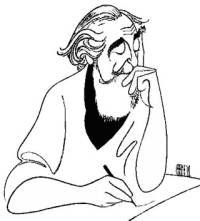 This is more of a curiosity than a real story, but I can't imagine there are too many times that

 * hey,
  * we're going to see more of

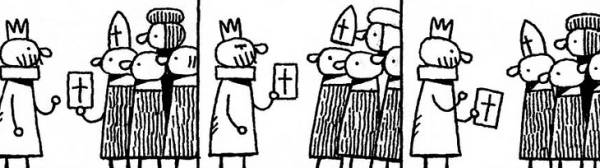
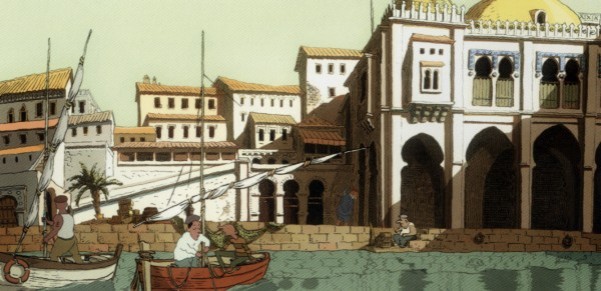
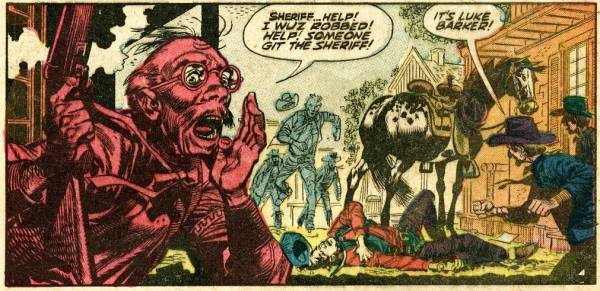

 The South African Human Rights Commission

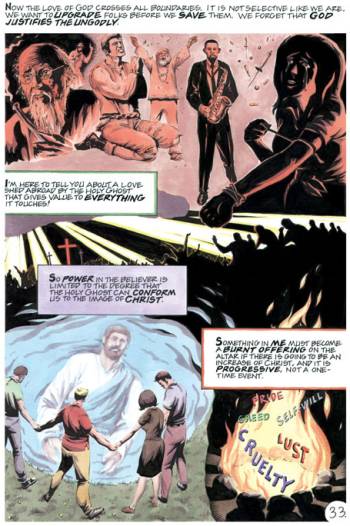 * the cartoonist Alec Stevens offers up a mini-survey of Christian comics

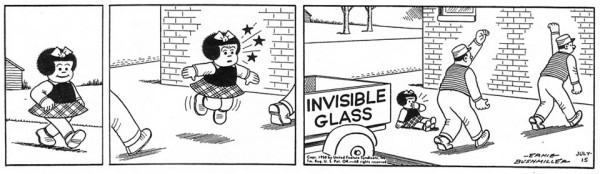
 As I stated in
 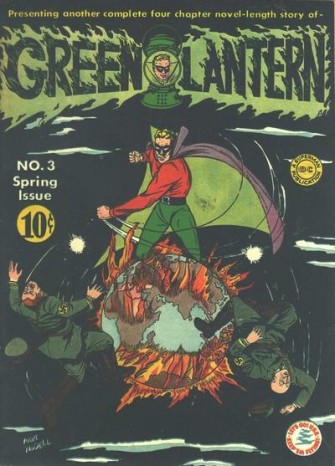 A few CR readers have written in curious about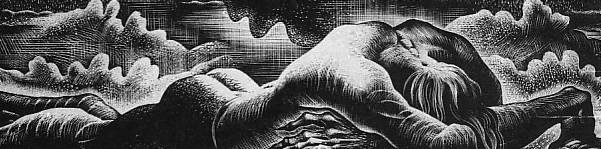
 Pai was born in the town of Karkala in the southwestern sate of Karnataka. He studied chemistry at school, but ended up in publishing in 1954 at the Times Of India. Therefore he was at least in close proximity to the creation of the seminal Indian comics publication



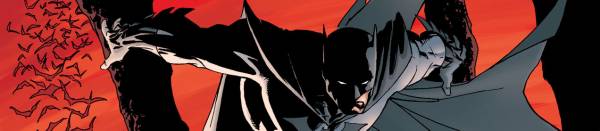
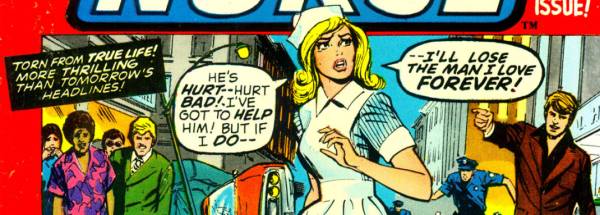
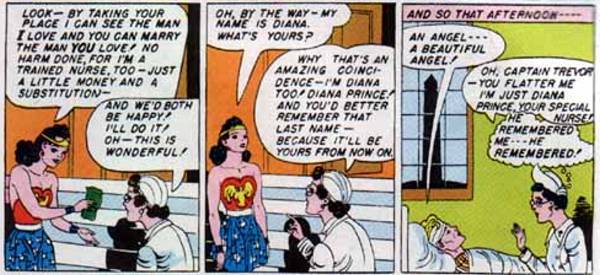
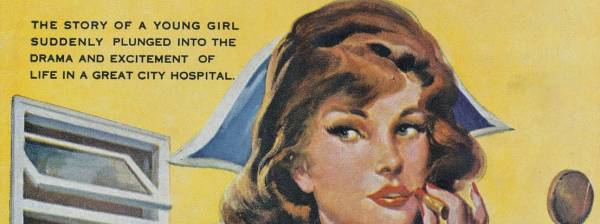

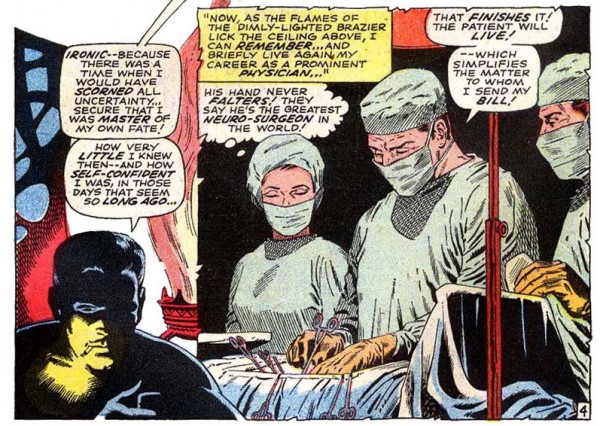

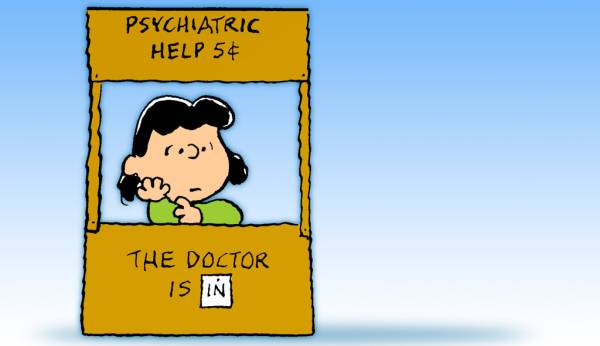
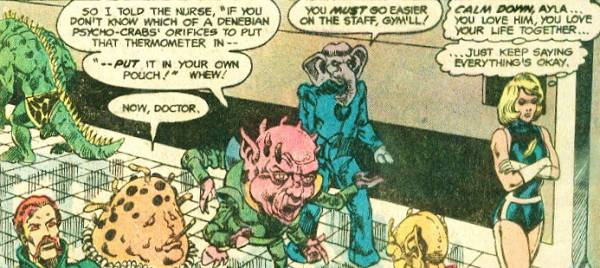

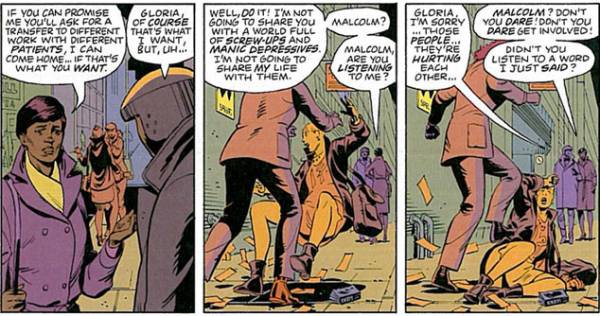
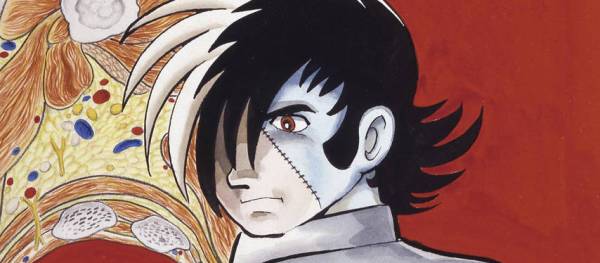

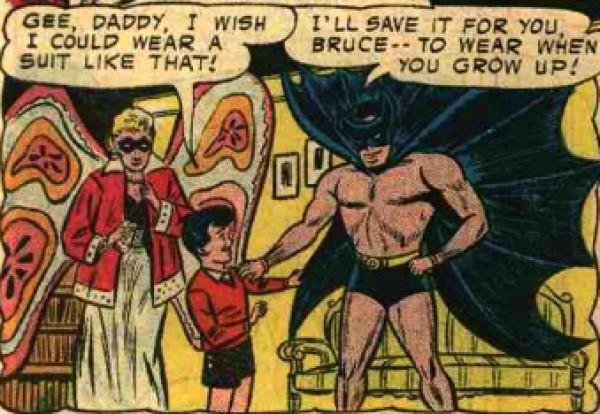


 The top comics-related news stories from February 19 to February 25, 2011:

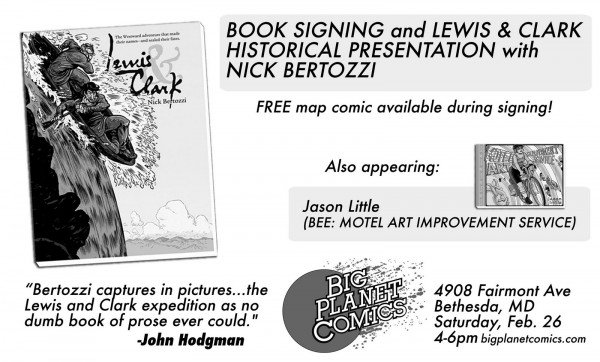


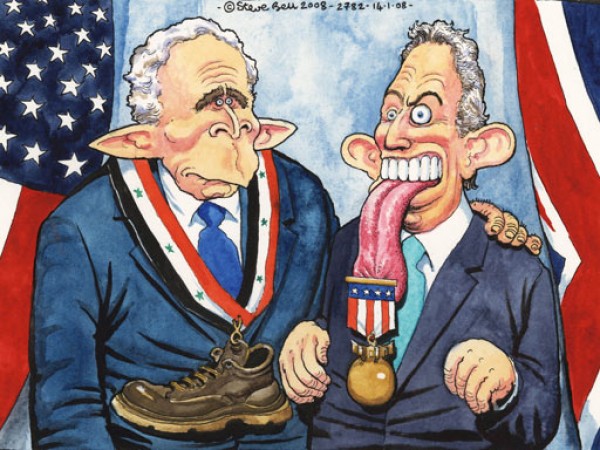
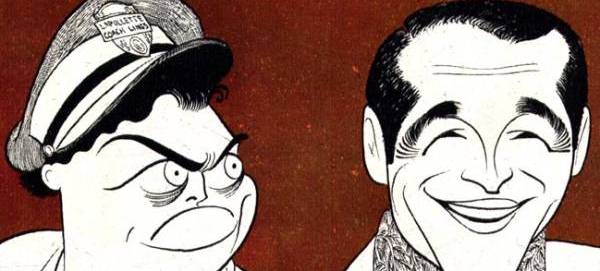
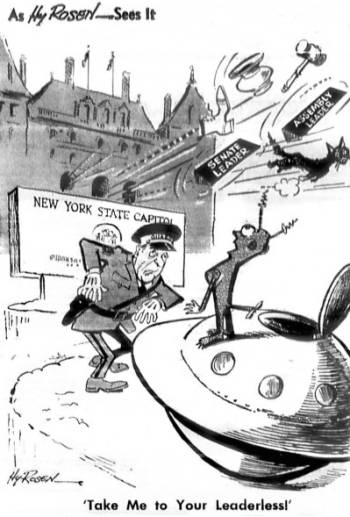

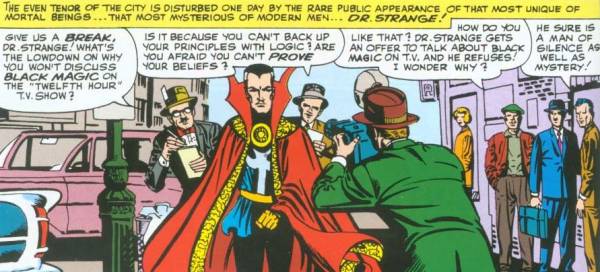

 Commentary and reaction around the Internet to the passing of Dwayne McDuffie (1962-2011).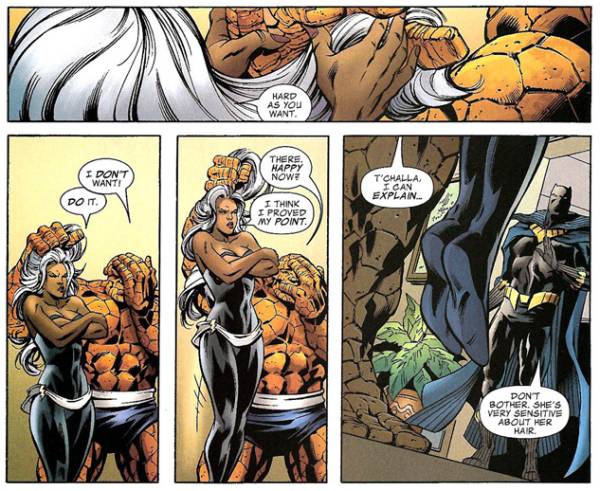
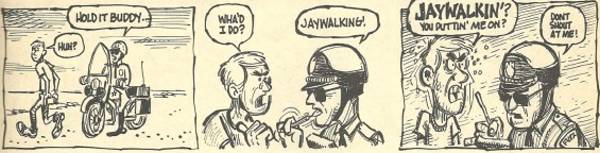

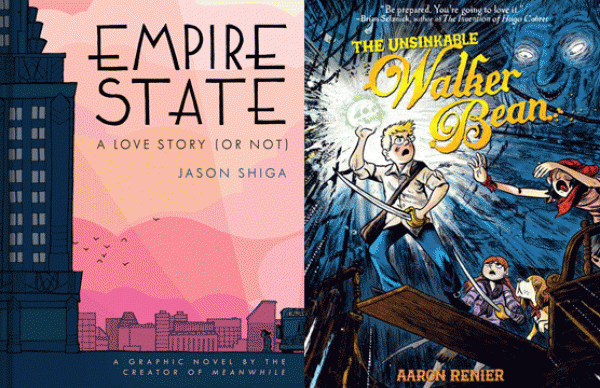
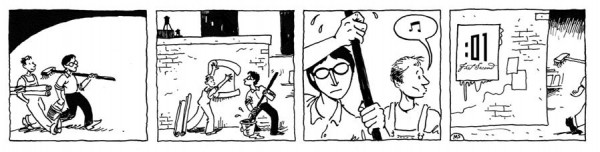


 * the great John Porcellino



 By Tom Spurgeon
 Publishing giant Kodansha and the printer Dai Nippon


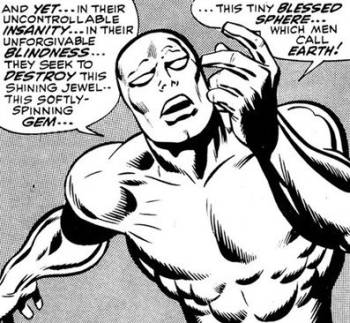 * over at Comics Alliance, John Parker
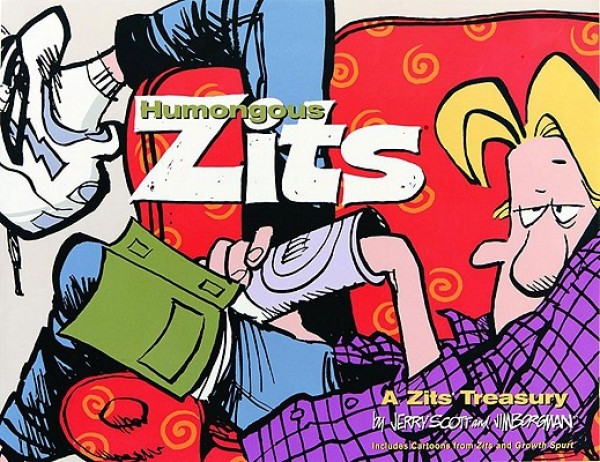


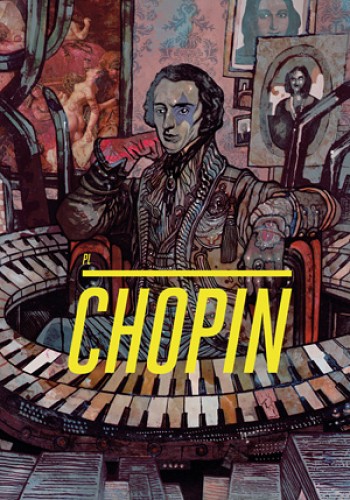 In a story that's apparently the talk of Poland today and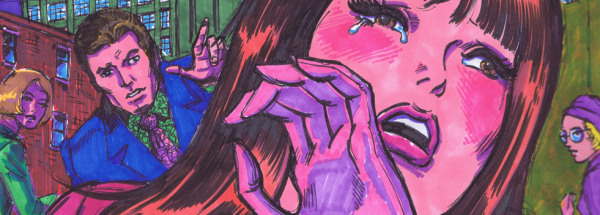
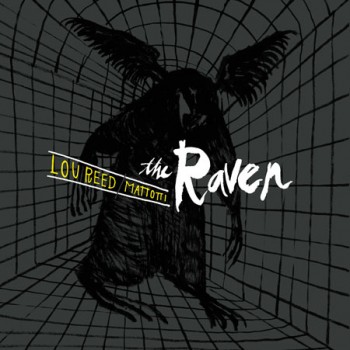 By Tom Spurgeon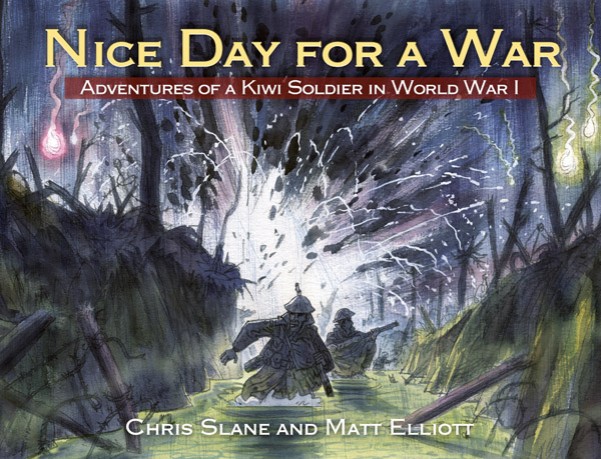
 The Los Angeles Times Festival Of Books


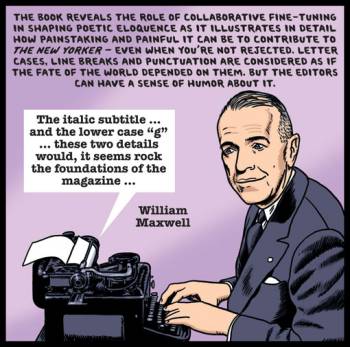 * in his "Drawn To Read" feature at Barnes & Noble, Ward Sutton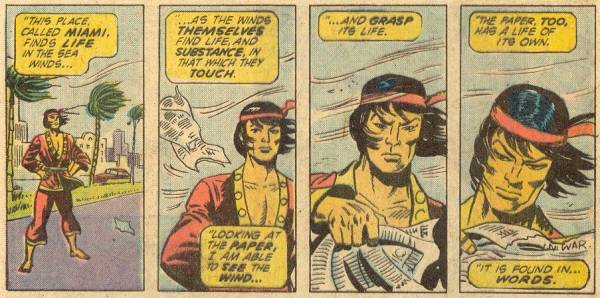

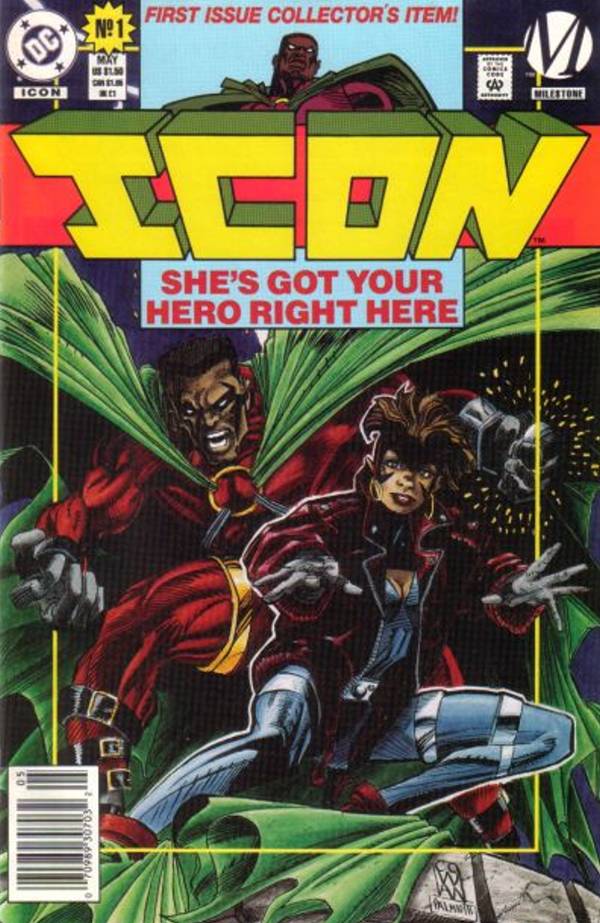

 SPURGEON: Gorey had a very strong fan base, very devoted fans. They must react to something in his work, but it's not something that connects to the artist you describe.
  SPURGEON: One thing that comes through is that you admired the way he operated as an artist, the focus and even the disconnect he brought to his work.

 I know that he was very frustrated. He told me several times that The New Yorker had several covers of his work and didn't run them for five or six years. I was always amazed that The New Yorker would be blase about a Gorey cover and not run it as soon as they got it. I never thought he got the respect that he was due. He won the tony for the Dracula set. He did the drawings, the original mark-ups for the Mystery! television show. I always got the impression that it was a little too late for him. "Where were you back in the '60s?"
 SPURGEON: The Esquire piece was done at just about the time he did the first of those big paperbacks, the Amphigorey books. That's where a lot of people saw his work for the first time. Did those works change the way people felt about him?
 THEROUX: This is going to sound like a really odd and self-congratulatory answer, but the book that I wrote is the one I think people should read. Do you know Baron Corvo the writer? He was an eccentric turn of the century English novelist. His name was Frederick Rolfe. There's a book called The Quest For Corvo. I read the book one time and it's a great portrait of a really eccentric fellow. He was also a person that Gorey liked to read. Once you read Corvo... Corvo was a really strange, eccentric, Catholic, gay writer. You have to read this book Hadrian the Seventh, a novel. It's a masterpiece. I read The Quest For Corvo, that tells you all the directions to go to read Corvo's work.
  SPURGEON: This is a rudimentary question, so I apologize for it, but his books in a lot of ways resemble children's books. Did he have an opinion about that audience reading his work?

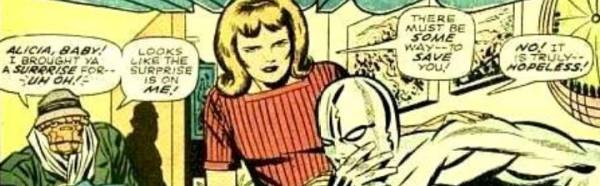

 I was talking to some friends over the weekend about the death of the alt-comic book. Granted, one can make a very good argument that they haven't died yet, and an even better one that they could make a comeback if someone were willing to get in there and do a great deal of dirty work over a period of time. But for the capital-light second generation alt-comics publishers and the first generation publishers that inspired them, the shape of what comes to mind when you think of what they publish has changed forever into something with a spine.
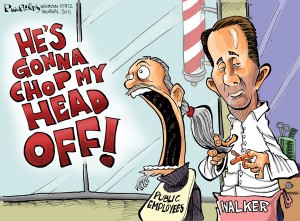 Taken at his word, kudos to cartoonist Phil Hands
 Ivica Bednjanec, a prolific Croatian cartoonist active for almost 50 years whose most valued work was done for young audience,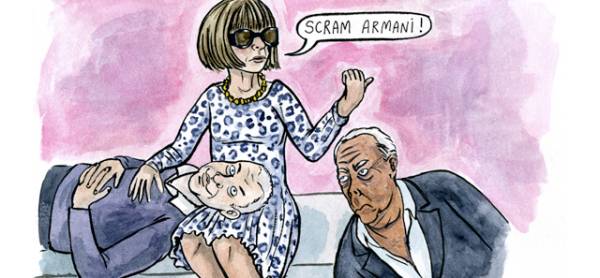
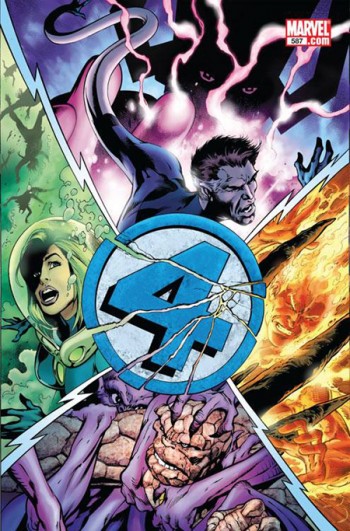 *
* 
 Back on February 8 the Xeric Foundation released the names of its latest round of grant recipients. A total of $31,158 went out to seven comic book projects, pushing the foundation's overall impact to over $2.4 million. The very first round of recipients came in September 1992. This year's winners are:
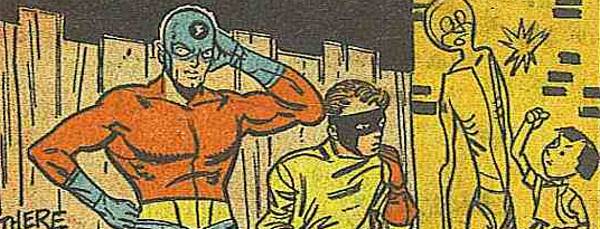
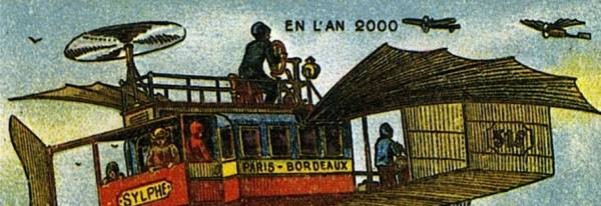
 *
* 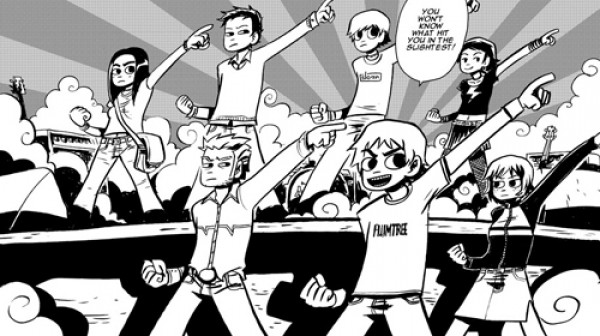
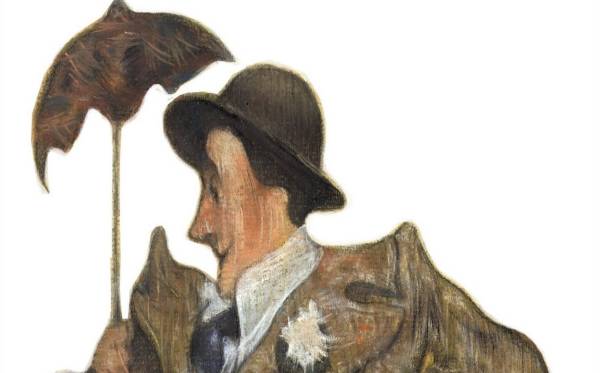
 The following is the written text for the Keynote Speech that the
  When I meet with licensors to discuss new properties, I often talk about how the direct market is our most important marketplace but there's really no way to do a nation-wide promotion in the way that we can with a bookstore chain. As an example, if we want to have front-of-store placement for the True Blood graphic novel at
  In the mid '90s I went to work for
  Robert Scott and I have often discussed the possibility of creating a national coupon program where customers could get something exclusive at a direct market retailer. As an example, a customer brings in his movie ticket for
  I know I've been hard on superhero comics this morning and I don't mean to come across as an elitist but I believe we're at our best when we're selling more than the latest super-hero crossover. We're at our best when we're all part of bringing titles into the world like
 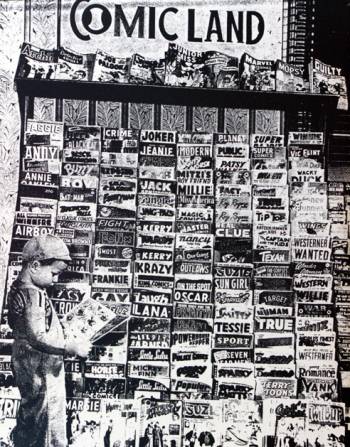 I remain pro direct market and pro ComicsPRO. The direct market of hobby stores and comics stores drives me nuts sometimes. I think, for example, its members participated far too fully in the market's unfortunate and unnecessary homogenization over the last several years. I also get frustrated by their inability to be self-critical in almost every circumstance. But I think the value of devoted comics retail is obvious if you imagine their withdrawal from the market as currently constituted or even dream up a scenario by which they never existed until six months and what we might think were we forced to wrestle with this brand-new thing. A series of locally owned specialty stores that sell bunches of comics is an amazing thing by almost any outside standard. As far as ComicsPRO, I believe in that organization for the number of superlative retailers it counts among its membership and for the general idea -- explained by Ted Adams in his keynote speech -- that some sort of way to deal with retailers effectively and as a group is vital and necessary for that segment's continued growth. Comics retail will likely in the next few years struggle all sorts of ramifications from ground-shifting changes in the way we buy things and why artists make comics; this conflict will also see that group fight with their better nature. ComicsPRO tends to fall on that better-nature side of issues, embracing goals of long-term growth and diversity and better practices, and when you see people stand in opposition to what they do those objections seems to almost always come out of short-term, competitive, advantage-pressing, self-righteous positions. ComicsPRO has to be the only arts organization I've heard of where how much they do for people not their members becomes a key issue.

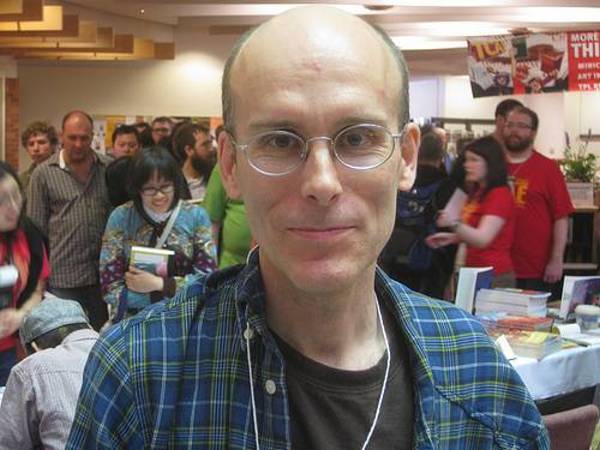
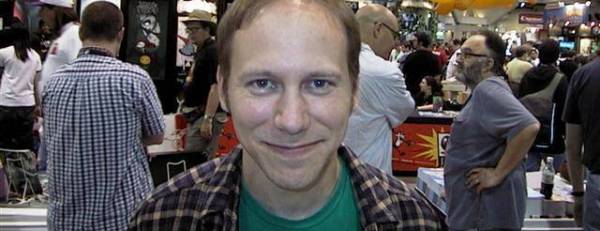

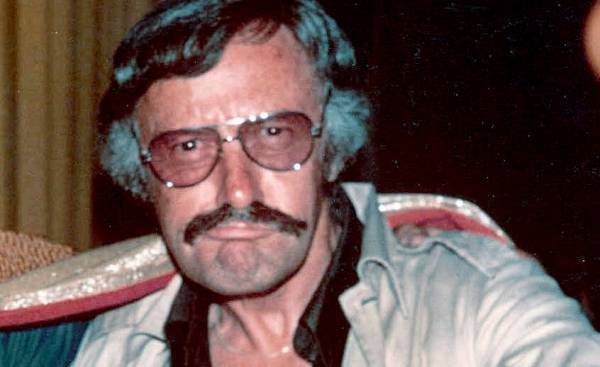

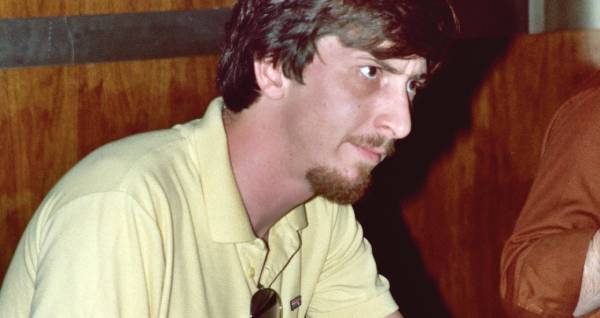
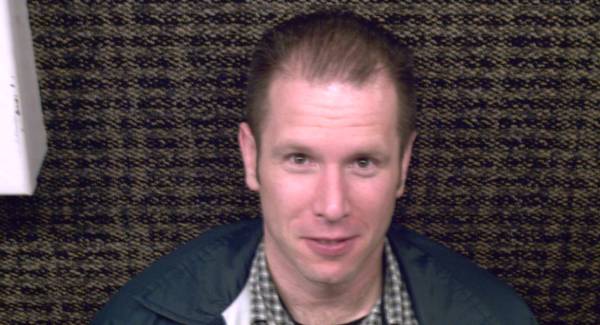
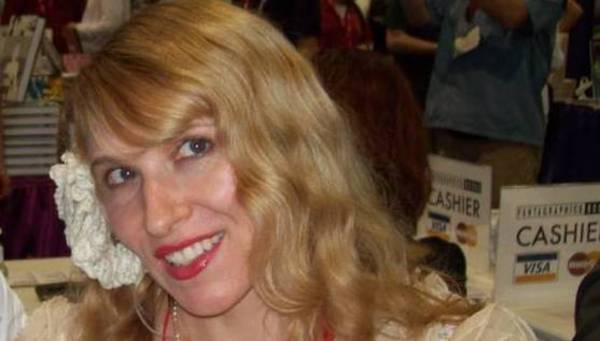


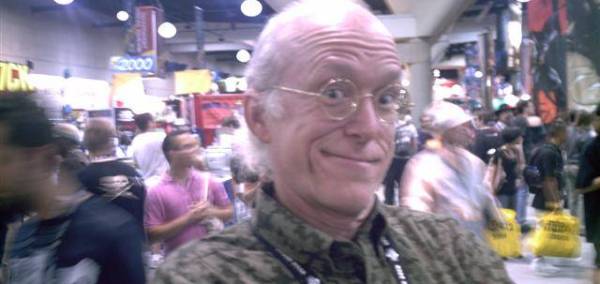
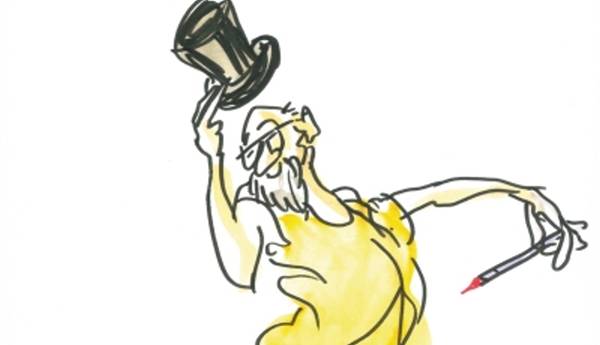
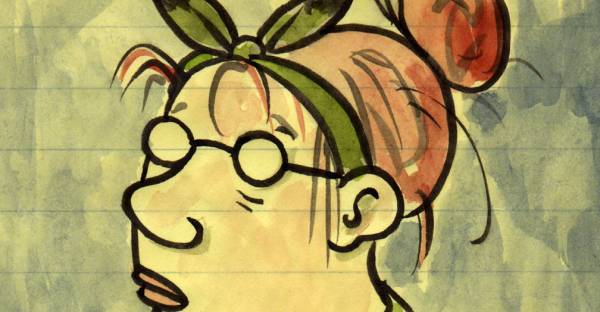
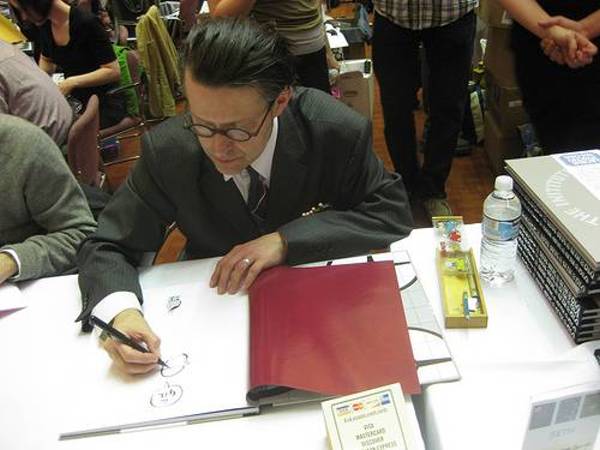
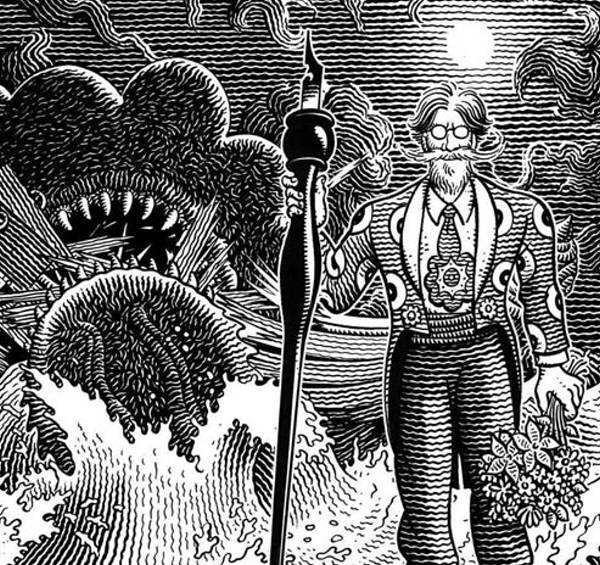

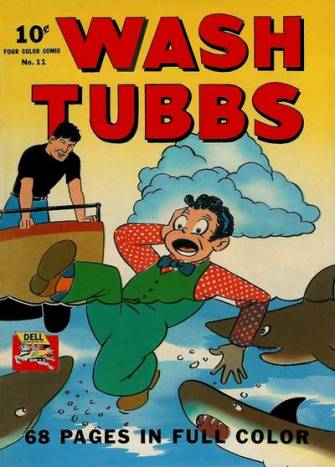 The top comics-related news stories from February 12 to February 18, 2011: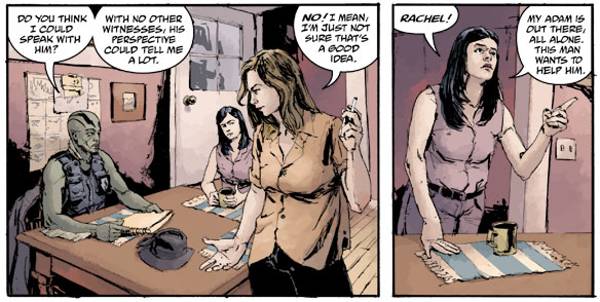

 The Turkish cartoonist Ismail Gülgeç, a widely-read newspaper cartoonist and a fixture in that country's related professional associations,
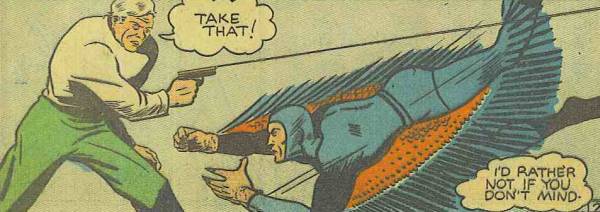
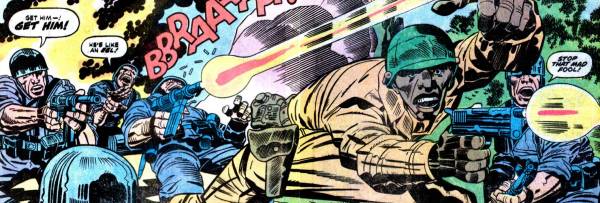
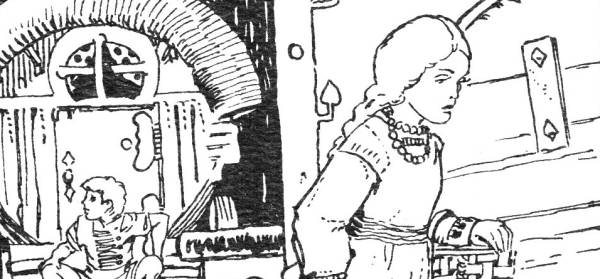
 *
* 
 If I'm reading
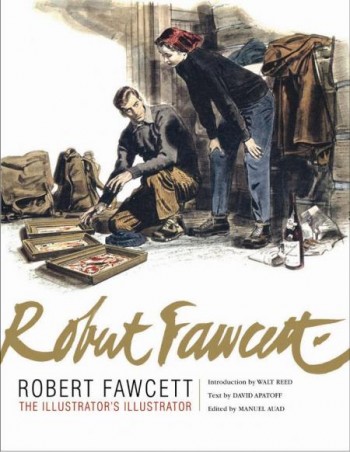 By Tom Spurgeon
 * I did not know that JM Ken Niimura
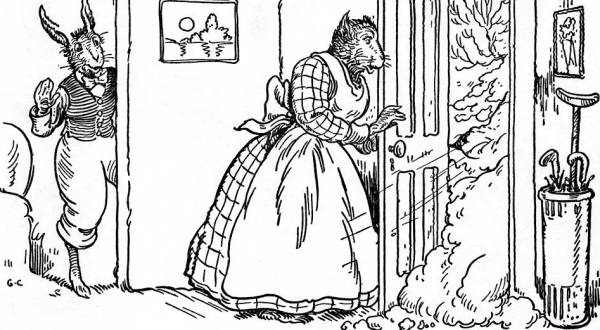
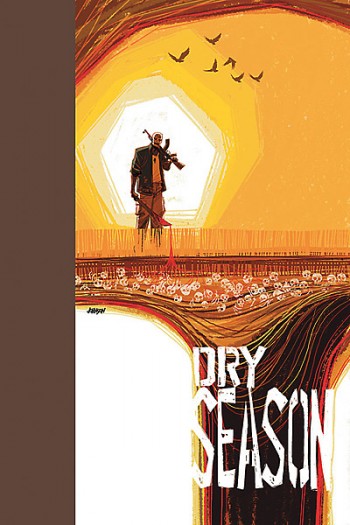 The following are the nominees for the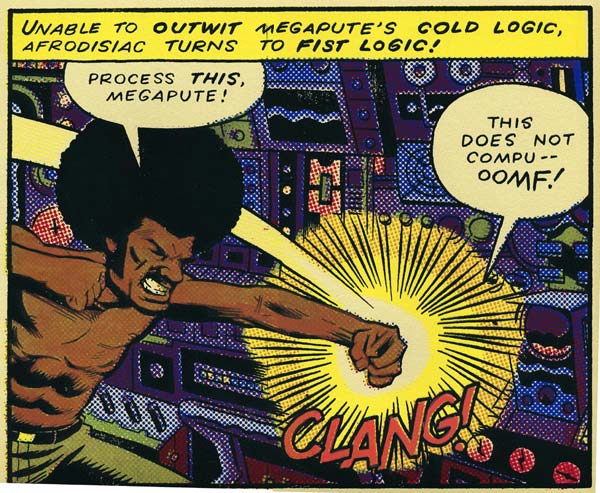
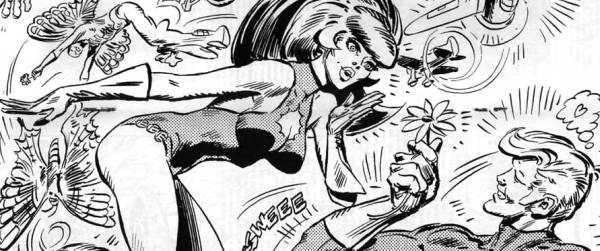


 *
* 
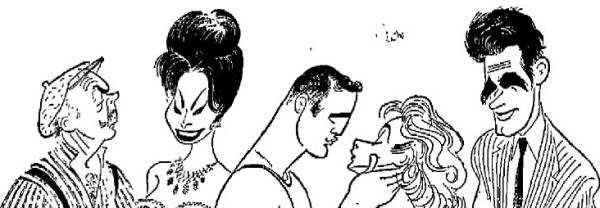
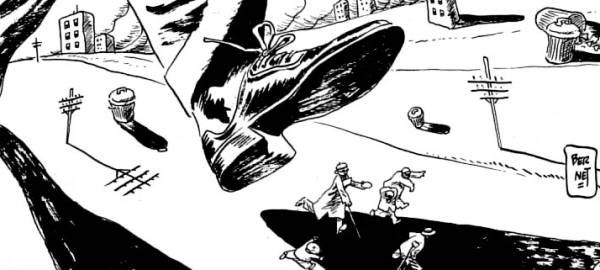
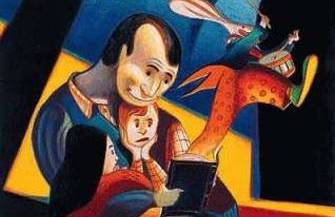 I don't have much to say about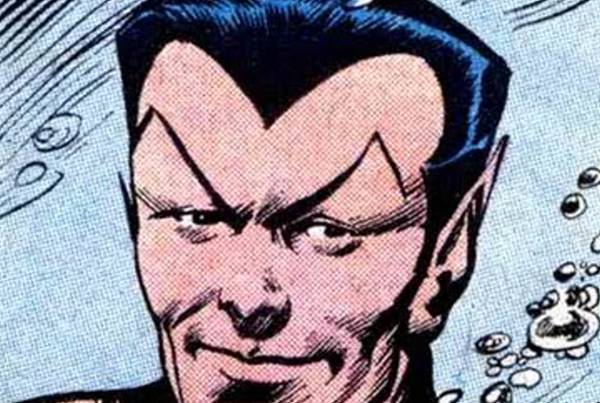

 * Drawn And Quarterly
  * the critic Kate Dacey talks about a phenomenon I'm sure is part of many manga reader's general experience:

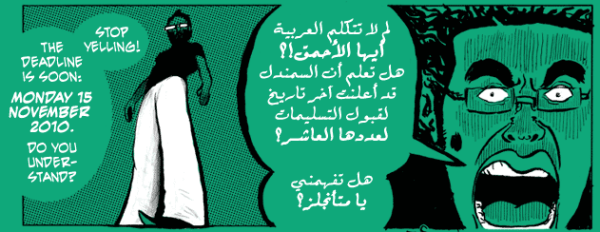
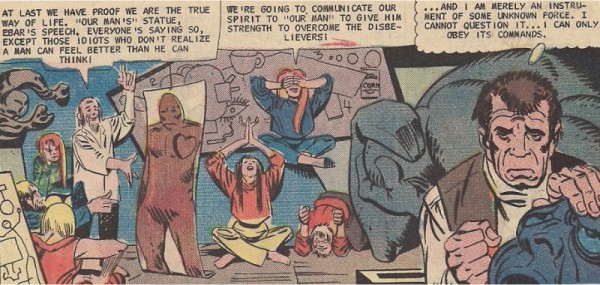
 Here are the books that make an impression on me staring at this week's no-doubt largely accurate list of books shipping from Diamond Comic Distributors, Inc. to comic book and hobby shops across North America.
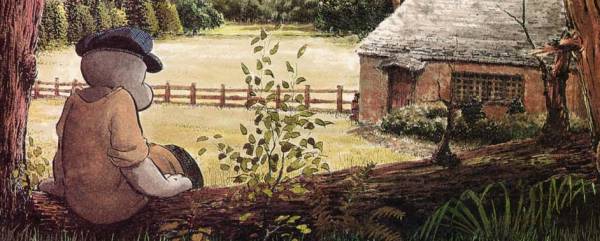
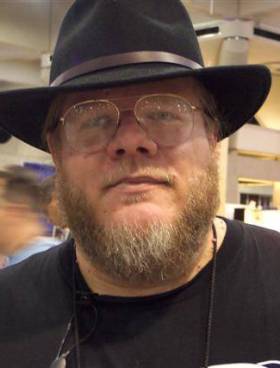 The primary news is that Comic Relief is now closed, with a sign on the door on Valentine's Day making this clear to anyone that stops by. "As of today, Monday, February 14 (Valentine's Day), Comic Relief Bookstore is, for all intents and purposes, closed and no longer in business," the sign read in part. While this was not all of the news, the passing of one of the great retail establishments in the industry's history should be worth a few words.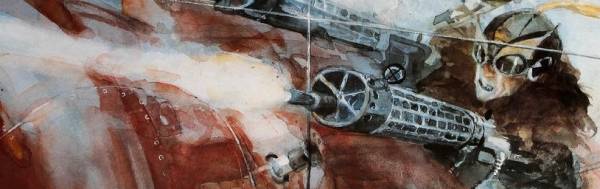
 A recent Mike Peters cartoon about a tourism initiative in the Ukraine led to
 A few readers e-mailed

 * Sean T. Collins

 Following the Modern Language Association's first call for papers to be presented at their 2012 Seattle conference being revealed as the rather dry "
 *
* 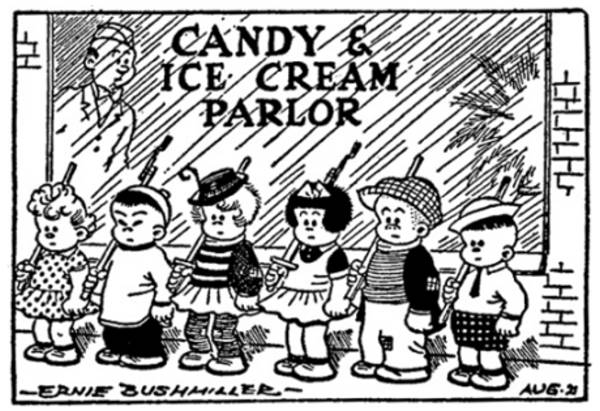
 Shin Kyung-Moo, the longtime editorial cartoonist for South Korea's Chosun Ilbo newspaper,
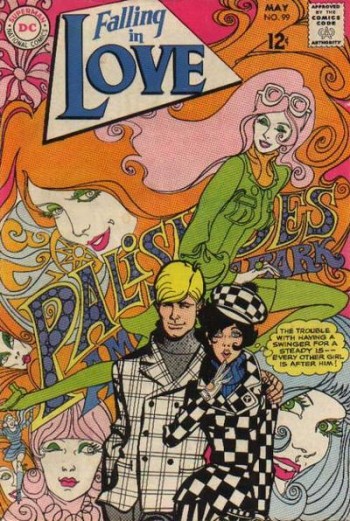 Here are a few romance and Valentine's Day-related cartoons and comics for your perusal on this most fun and life-affirming of the major card-selling holidays.
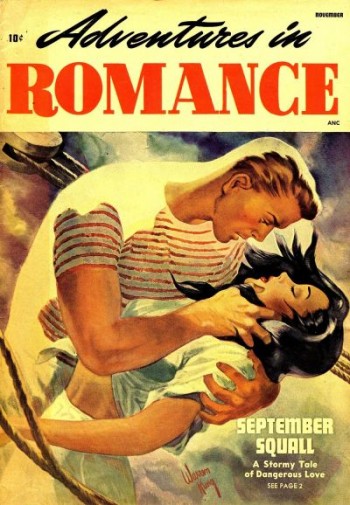 * I'm not certain why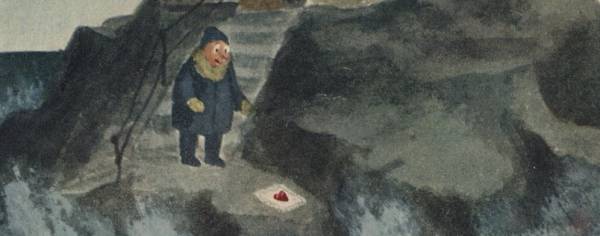
 * Joe Sacco and Adrian Tomine

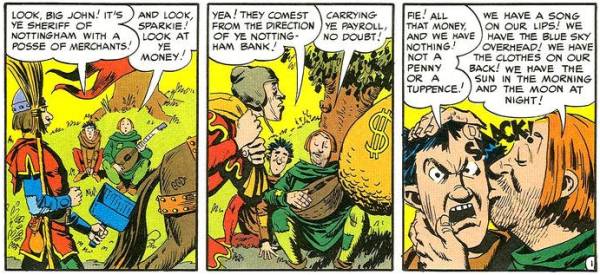
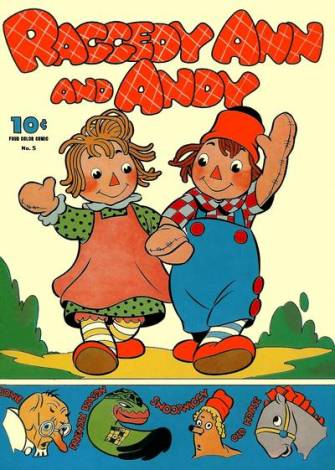 The top comics-related news stories from February 5 to February 11, 2011:
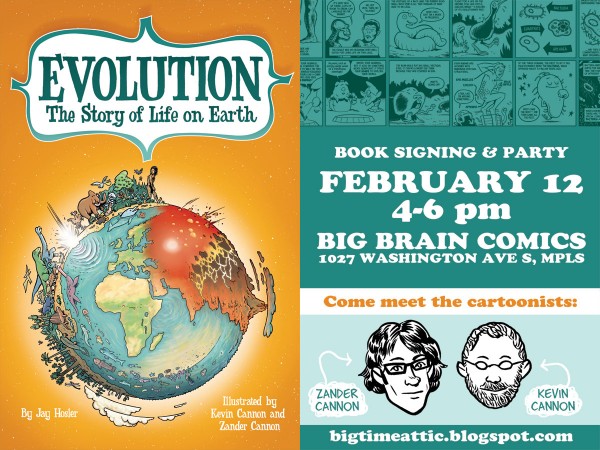
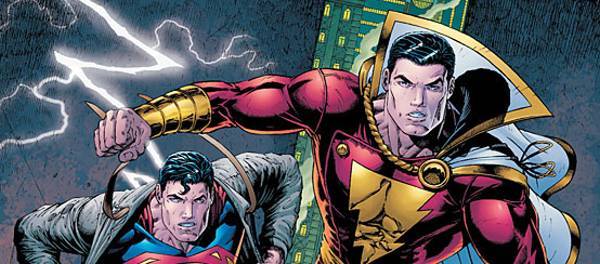
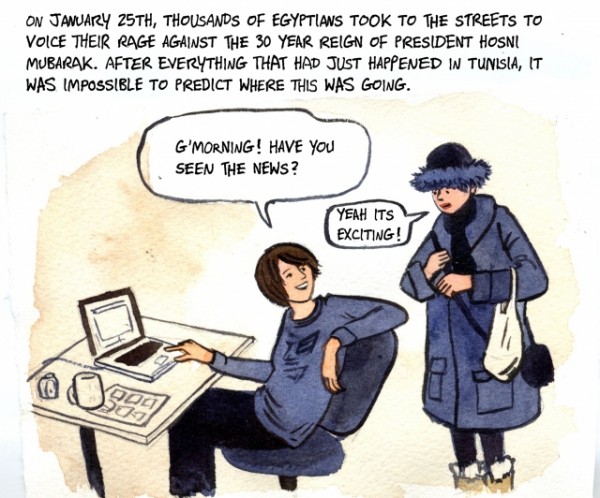
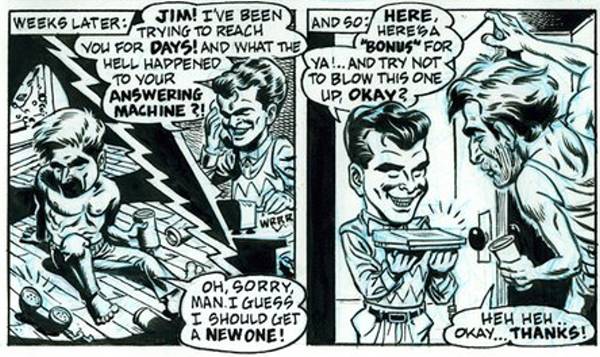
 Does anyone out there know of any reaction to the recent goings-on in Egypt from graphic novelist

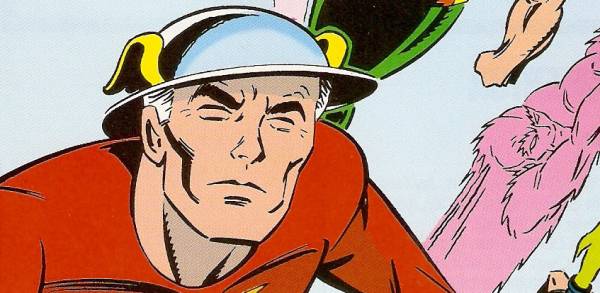
 Various French-language comics sites
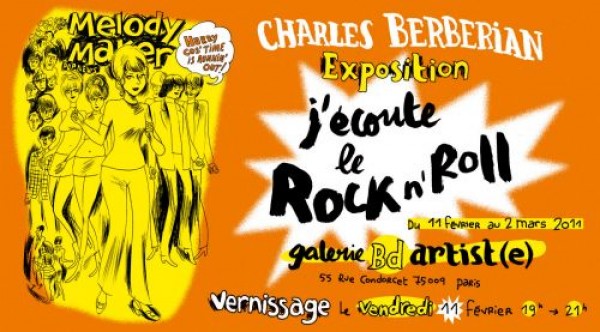
 * how on earth did I miss an announcement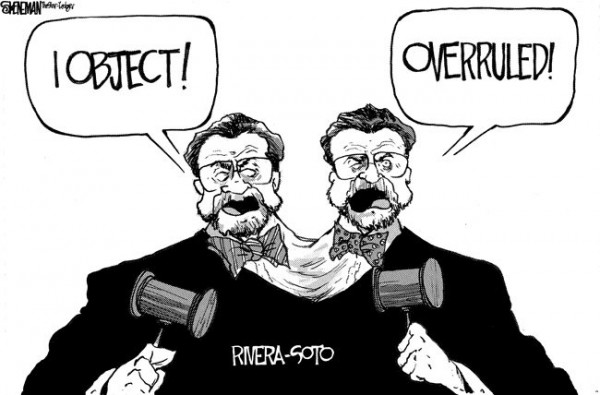

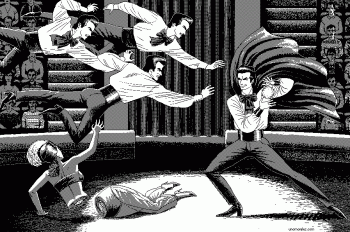 * the writer and critic Sean T. Collins
 Let's play, anyway.
 By Tom Spurgeon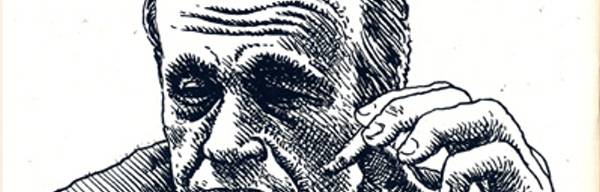

 I hadn't noticed this at all, but Dr. Michael J. Vassallo
 If you've ever stared at an editorial cartoon for more than a few seconds before wrinkling your face and the paper in front of you in confused disgust, you may feel some solace learning
 Bob Monks, a cartoonist and educator that worked in editorial cartoons, had his own TV show and published a book focused on his beloved Windsor, Ontario,

 * the talented kids from the Pizza Island collective
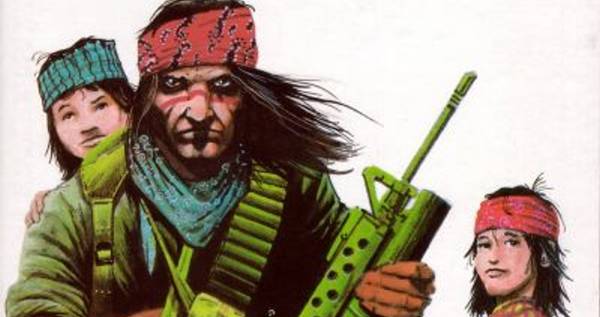
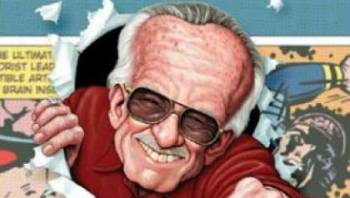 According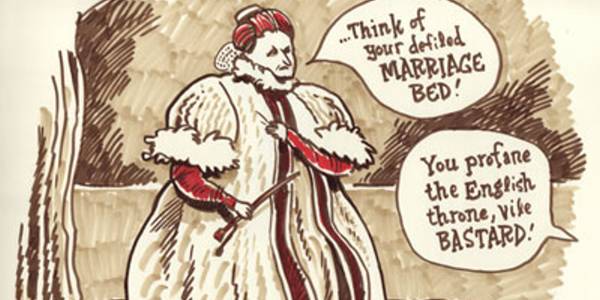
 Here are the books that make an impression on me staring at this week's no-doubt largely accurate list of books shipping from Diamond Comic Distributors, Inc. to comic book and hobby shops across North America.
 OCT100472 ON THE LINE HC $12.99
 I generally enjoy whenever the hobby business news and analysis site ICv2.com interviews CEOs and otherwise important people from the various comics publishers. They have a point of view I don't all the way share, and the company folk usually bring some version of their A-game.
 Congratulations to MTV Geek for convincing Wizard World, Inc. head honcho Gareb Shamus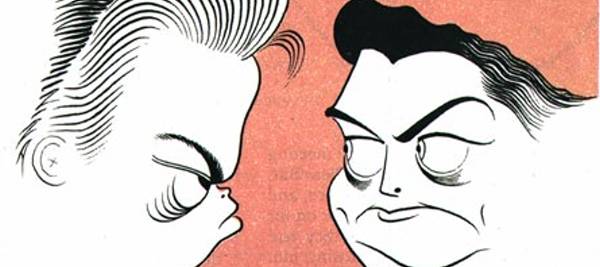

 * Steve Bissette would like you to know that
 One of the great, time-honored ways to do an article about comics and cartooning is what I call the "Local Cartoonist Profile," whereby an area talent is feted for their various accomplishments in a field of endeavor whose particulars aren't all the way familiar to the reading audience. It's the kind of thing that your mom's friends see.
 While this comes at the expense of frustrating even more fans of the show bewildered at the rush for tickets and certainly cements the popularity of a show increasingly celebrated for its tribal event status in the wider pop culture cosmos, I imagine the primary feeling is one of relief for simply having pushed through this year's primary mission of getting its tickets moved from its virtual shoebox behind the desk and into the wallets of the eventual attendees. I would guess this puts things like a ticket lottery back on the table, or other strategies, starting with a long look at the nature of the demand that the show just struggled to fulfill -- how many ticket-buyers were interested in buying the tickets to transfer or otherwise re-sell them, how many were casual "take a shot" fans as opposed to those fully devoted to going, how much extra traffic was caused by fans pursuing multiple entry points. If the interest is as legitimately immense as these ticket-buying tidal waves might suggest, I imagine it could have an effect on the entire shape of the convention. The reaction the show runners have a bit down the road is probably more important than the "seriously, what the hell was that?" look they likely have on their faces right now.
 * you know how when a big, classic, high-quality movie comes on TV and you can't help but watch a few minutes even though you've seen the film ten times before and own it in some archival format or another? That's how a I feel about encountering Krazy Kat comics on-line, like
  * one thing I will suggest if people are going to take as a lesson from these widespread discussions about creator-owned work that they should start recommending and promoting their peers' work: consider being really tough in doing so. Alt-comics almost didn't survive the late 1980s and early 1990s, but one thing those comics did well is that if a creator from that period recommended another creator's work, it usually stood a chance of being pretty good. In the pre-Internet days, that was how I heard about Yummy Fur, for instance. By the mid-1990s, most cross-creator recommendations in that world were deeply untrustworthy, a lot of glad-handing and people recommending work from their roommates and pals (and in a couple of cases I can recall, people with whom they wanted to sleep) regardless of the quality of the actual work. If you have genuine, engaged enthusiasm for a work, people will frequently forgive you sending them to things that aren't all that great. If they sense you're doing it because they're your friends or out of some general sense of advocacy, they usually stop listening. At least that's been my experience.


 The top comics-related news stories from January 29 to February 4, 2011:
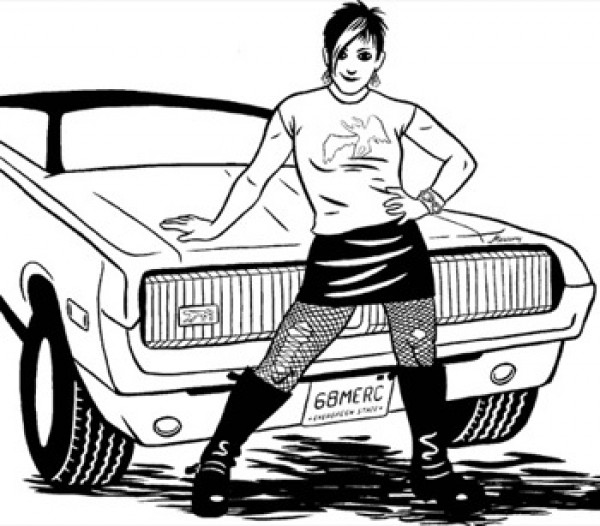
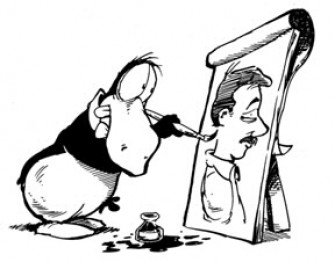
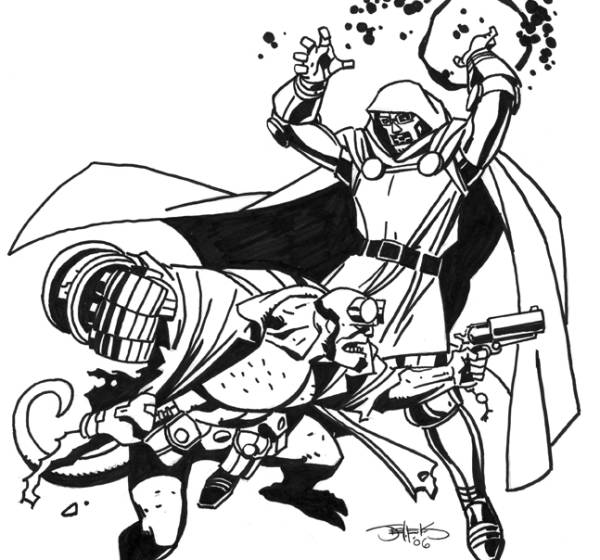
 I failed to respond to the Eric Powell
  2. I believe that in broad terms -- and that was certainly a video that was working in broad terms -- the video was right. Comics' primary marketplace, the Direct Market of comics and hobby shops, has through the years developed -- from a pretty significant starting point -- an odd, near-religious devotion to what is largely a singular school of expression within a single genre and, further, to a handful of characters that represent that genre's most fertile creative period. This fact shapes careers. This fact shapes the industry. There has also been some bad behavior in support of this bizarre fealty and the interests created by it. I don't see how these things are all that arguable.
 I found more interesting the other stuff that confused people, most of which I think came from the overlapping perspectives that defines comics today. For instance, about a half-dozen of my alt-comics making friends wrote to me outright baffled that the primary author of this video was the creator of The Goon, which they consider a mainstream book in every significant way. At the same time, I imagine that Powell genuinely feels there's distance between what he does and what the core of mainstream comics does, even if that's not apparent to folks at the outer edges of the art form. I also received e-mail from people that said they were confused by anyone complaining about 2000 devoted serial comics readers; one of those perplexed by this even offered to trade financial portfolios with Mr. Powell if he was that dissatisfied. In their responses on-line, Kurt Busiek and Scott McCloud suggested a generational division to the video and how people responded: that if you were old enough to remember a generation or two or three ago in the realm of comics making, you might have a very different perspective on how diverse the market is than if you only knew the post-2000 market as a professional. Writer James Vance thought the video's arguments were the same arguments people have been having for 30 years. And so on.
  I love all the comics. I really do. I can't imagine a life interacting with the comics art form that didn't show me the Streets of Cleveland, the ruins at Angkor and the hotel bars of Pyongyang with the same skill and insight and visual power as it's walked me around the Blue Area of the Moon, the Batcave and the ruins beneath Ylum. So any video that seems to be suggesting the value of all kinds of comics expressions has me mostly on its side no matter how it grades out as a piece of convincing agitprop. The more people that are making more different kinds of comics with more opportunities to succeed at doing so, the better off we are as fans, a professional community and as a culture.
 Links to stories, eyewitness accounts and resources concerning

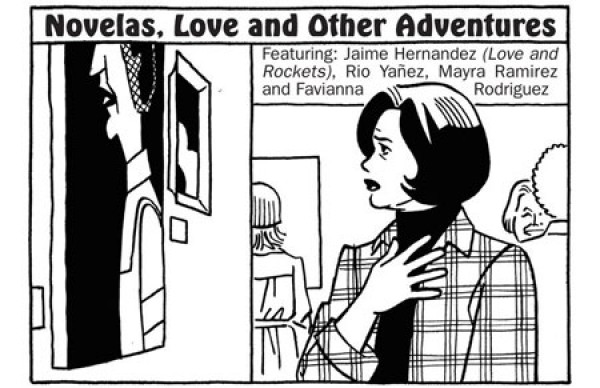
 *
* 



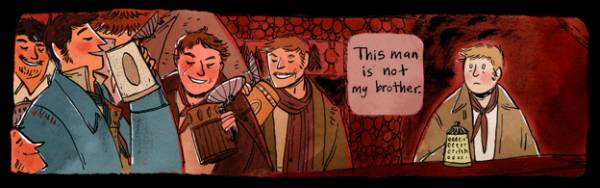

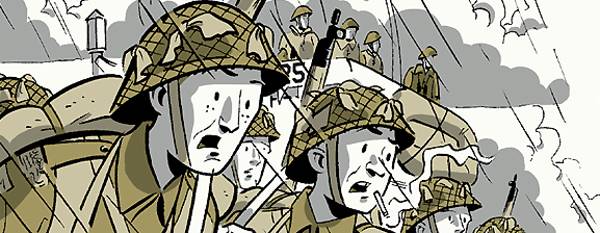

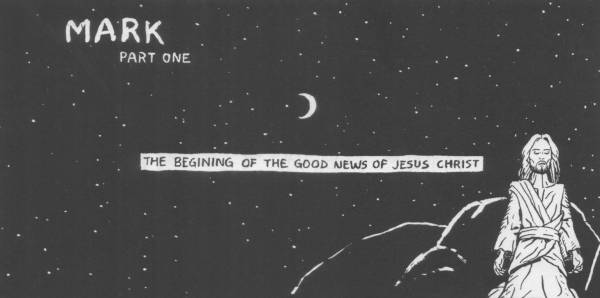
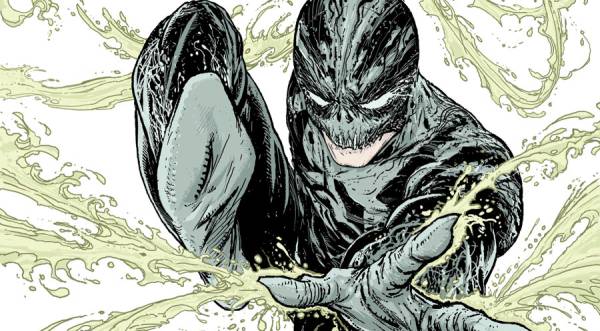
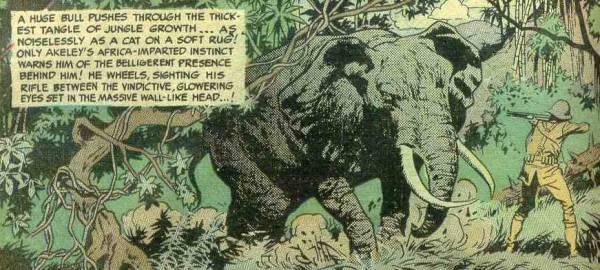

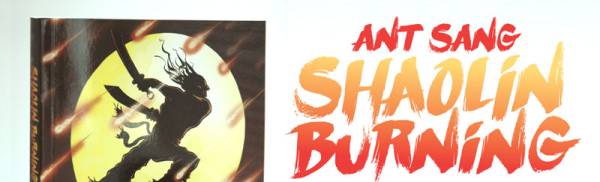
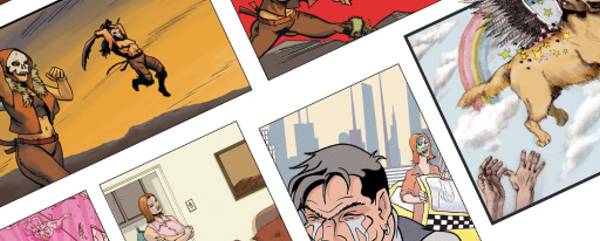
 * folks sometimes forget that the critic and writer Matt Seneca makes comics;
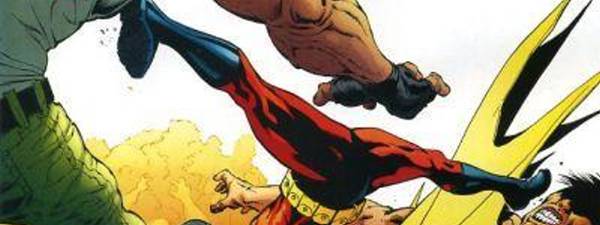
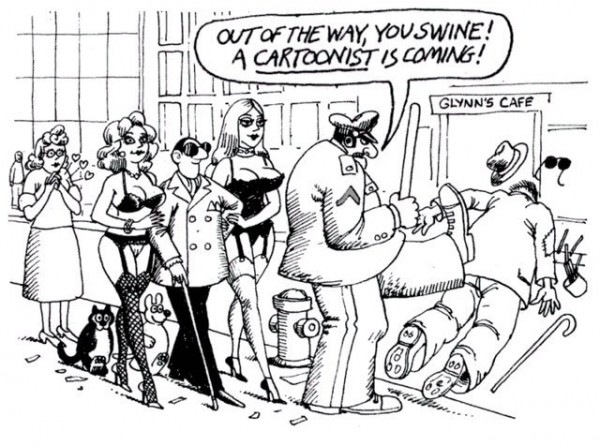
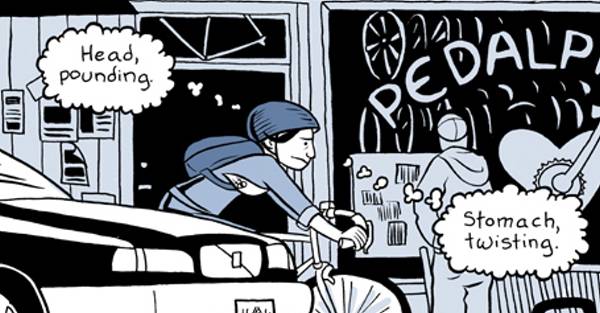
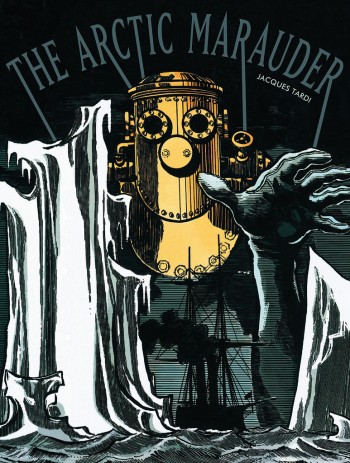 By Tom Spurgeon
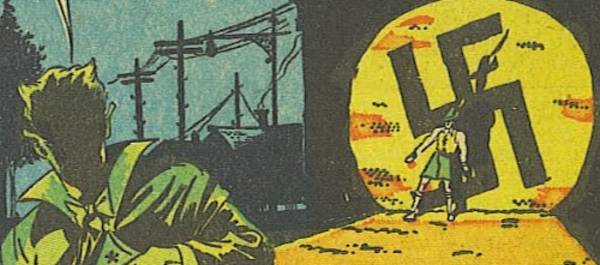
 * Chuck Wells
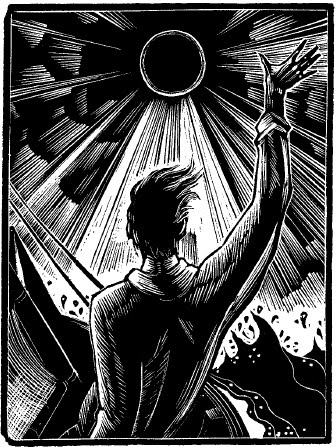 Here are the books that make an impression on me staring at this week's no-doubt largely accurate list of books shipping from Diamond Comic Distributors, Inc. to comic book and hobby shops across North America.