CR Week In Review The top comics-related news stories from April 23 to April 29, 2011:
1. The wider comics community learns that Bill Blackbeard -- a writer about comics, a longtime strips collection editor and the most important archivist of published comic strips and related material -- died last month at the age of 84.
3. Hobby Star sues the UFC and their convention partner Reed over use of the term "Fan Expo" to describe such a show in Canada. There was a greater reaction in terms of the novelty of someone actually pressing such rights than the idea that someone could be sued, which I think was long recognized in an intellectual sense as a possibility.
Quote Of The Week
"In our culture, we're always having this discussion about what romantic love is. So I guess I leave it open for that reason. I don't think anyone's really sure what we mean by romantic love or love in general. We know it when we feel it." -- Chester Brown
*****
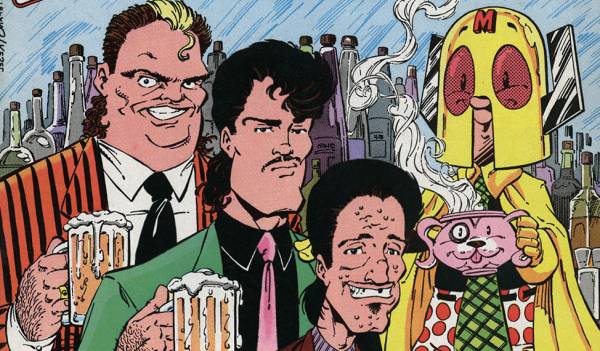
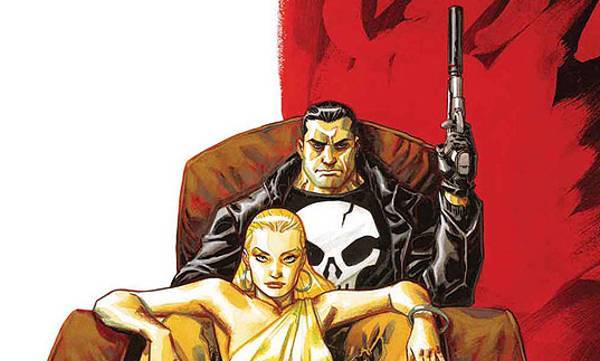
today's cover is from the great comic book series Four-Color
Happy 50th Birthday, Andy Mansell! I can't believe I don't have a photo of Andrew Mansell; I think this is a Dustin Harbin drawing of Mansell's study group -- if it is or it isn't, happy birthday to Mr. Mansell
Other nominees were Dash Shaw's Bodyworld, Karl Stevens' The Lodger, Carol Tyler's second volume to her You'll Never Know series, and Jim Woodring's Weathercraft.
Go, Look: TCAF Programming Is Up
Not this weekend but next, and there may be a few tweaks to come. It is my great honor to be scheduled to talk to David Boswell (Saturday AM), Chris Ware (Saturday PM) and John Porcellino (Sunday PM). Please stop by.
“You Want To Do A Feature Story About Who Doing What!?”
I'm not sure that I could have convinced the newspaper editors for whom I worked 20 years ago to let me write about Chester Brown and his new book Paying For It. It was a small, conservative city, and a paper that was much more likely to run pictures of the 4-H club on the lifestyle page than it was challenging meet-the-author pieces. Judging by this profile of Brown and his work at National Post, however, those publications that can handle this kind of material will get terrific stories out of it: unique and engaging subject matter, some measure of controversy about both the subject matter itself and various positions taken, an extremely eloquent cartoonist with a world of witnesses happy to testify as to his talent and import. It should be interesting to see what gets written about this book and how well the various publications make use of this comments thread-filling opportunity.
Format Changes At PWCW: Publication Going Monthly PW's e-mail newsletter on comics industry news, PW Comics Week (PWCW), is apparently switching from weekly to monthly distribution, with more articles going up on the web and more articles streamlined into the publishing industry bible's other news offerings. Calvin Reid and Heidi MacDonald remain co-editors. I suppose this could have waited until the next "Bundled" column, but there are so many changes at publishers and in comics coverage right -- much of it as invisible as the businessman hitting the bathroom at the bank to adjust his underwear -- that I thought I'd toss this one out there for weekend musing.
Go, Read: TCJ Round-Up Of Tokyopop Rights Situation
Sean Michael Robinson over at TCJdoes a quick round-up on the rights situation at Tokyopop, the one-time category forced that on April 15 announced the May 31 closure of its North American publishing division. It's kind of all over the place -- one creator, M. Alice Legrow of Bizenghast, expects her series to be completed this summer through the company's remaining division in Europe (granted, she's the only one in her direct publishing peer group to have been published thus far). Brandon Graham of King City seems to be the most confident that he'll be able to publish his work -- now due for a collection -- and if I"m getting correctly it seems a reason for that may be that he doesn't want any media rights back other than the ability to do a trade collection. There's also some talk about what happened, with a range of theories offered up.
I hope everything works out as quickly as possible and as much in the creators' favor as they can manage. I also hope that others are taking notice of the difficulties experienced here and realize that work-for-hire solutions to publishing problems can bring with their own set of problesm. It's horrible to say this, but a modern example, something that can't be dismissed as the inexplicably poor choices of some World War II veteran 50 years ago, might be what some folks need to hear to take those issues seriously.
Anyone Know How The Southern Comics Shops Are Doing?
Does anyone know of any comics shop in the South that has suffered tornado or storm damage? .(JavaScript must be enabled to view this email address) I'd greatly prefer to hear good news, of course. I have a couple of e-mails out to places like Comic Strip in Tuscaloosa, and I've seen the occasional posting like this one from Haven Comics in Huntsville that indicates the power went out for a while but there's no damage, but that's it. If anyone knows of anyone systematically collecting this information, I'd love to know about that as well.
Devlin Thompson, Bizarro-Wuxtry in Athens (GA): "For what it's worth, Bizarro-Wuxtry suffered no ill effects, though by 1:45 am, the intermittent ear-splitting alarm noises had me ready to run the weather-alert radio through a woodchipper."
Anyone else out there?
I'd also love to hear from any of you about the stores you visit, as opposed to own, if you're able to comment.
Go, Read: David Axe On Comics And Afghanistan David Axe's piece for Wired on various ways in which comics has informed the war in Afghanistan and vice-versa jumps around quite a bit. There's a survey of comics material about Afghanistan generally, a profile of Robert LeHeup, and a discussion of comics-making as therapy in there. It's hard to care about the shifts in subject matter when the subject matter is that interesting. Axe, of course, has written multiple pieces for the comics form about various theaters of combat.
Go, Read: Douglas Wolk On Howard Chaykin Douglas Wolk profiles Howard Chaykin, on the occasion of a book of interviews with the cartoonist hitting the market. I like a lot of Chaykin's mainstream comics work, but one advantage of being a non-mainstream art form, especially one with comparatively modest outlays required to make things go, should be that money is found for talented practitioners to do exactly what it is they're best at doing. We're not there yet.
Random Comics News Story Round-Up
* an Ohio historical marker noting the home of the family of Superman co-creator Jerry Siegel billed as "Home Of Superman" was apparently stolen by thieves.
* another update at Timely-Atlas-Comics, this one a massive Bill Everett-related post focusing on his Atlas-era romances. Tons of art. Heaping, massive gobs of art. How great is all the current interest in Bill Everett's work?
* here's a fairly substantial chat with Image's Eric Stephenson that I almost didn't see in a press of recent CBR interviews. It's one of those "good to get the perspective from that vantage point" pieces, in that you'll probably find yourself disagreeing with chunks of it as you go, or even the logic behind entire sections. Still, Image has the advantage of being an important publisher right now in theory -- its basic deal should appeal to creators wishing to hold onto their other rights, and their basic set-up should help them survive any general economic malaise -- and in practice, with Robert Kirkman's material in particular doing very well for that author and the company.
* a DC company blog promotes work from another publisher -- it's written by one of their big-gun writers, Grant Morrison, but I still popped an eyebrow.
* here's a post-mortem on the recently completed DC event series Brightest Day, focusing on the grind of plot by which its final reveal was made possible. The catch with these kinds of moves -- reintroducing characters, revitalizing certain brands -- is that the plot with which you choose to do it in a story sense may not be as appealing to fans as the general move.
Kickstarter Facilitates Almost $1M For Comics Projects
So says this report, the link to which you nice folks keep e-mailing me. Kickstarter is a site that allows people to raise money for projects they describe, usually by offering premiums related to the project. The figures listed by the post is $943,118. Just to compare it to another source that makes it so that seed money is available comics publication -- vastly different sources with vastly different methods in most ways, of course -- I think the Xeric Foundation claims that they're at over $2M since 1992.
The Never-Ending, Four-Color Festival: Cons, Shows, Events By Tom Spurgeon
* I know almost nothing about this weekend's three-day Boston Comic Con, but that's one appealing guest list. People like Darwyn Cooke, Stan Sakai, Howard Chaykin and Frank Quitely are A-level guests at any show in North America and most of them in Europe.
* Wizard's Anaheim show is this weekend. Southern California has a really strong comics-making contingent, of course, enough so that there should be plenty of talent in attendance. They don't merit a mention until the sixth row on the site, of course. I'm not feeling a lot of buzz around that show, and considering that's one region where Wizard's formula has historically played pretty well and that it's an area in which they have a lot of competition, you'd think there'd be a bigger oomph therer. Then again, that assumes that Wizard can push something at this point, and I'm not all the way sure that's true.
* here's a story about 18,000 people e-mailed, and well they should have: the American Library Association is allowing artists and illustrators to set up at their annual show (in America's Greatest City That's Not Your City, New Orleans) in a kind of artists' alley. That sounds to me like prime, prime real estate at which to set up -- librarians love comics. Comics should love them back even more than they do right now.
* TCAF is next weekend, and I think that's where most of the attention not aimed at Boston may be right now. They've announced their public kick-off event (that direct link may or may not work, but it's easily accessible from that first link in this graph), have their kids panel schedule up and have released their their Natsume Ono schedule in and out of the festival. Programming should be up any second.
* finally, Chris Butcher sent along this awesome TCAF promotional video. He didn't just send it here, but he pretended like it was just for me, and I always appreciate that sweet, white lie.
Your Danish Cartoons Hangover Update
* I just sort of wanted to note that cartoonist Kurt Westergaard is currently being tried in Jordan for the cartoon he contributed to 2005's Danish Cartoons page in the Jyllands-Posten newspaper. To my eye, that particular story operates at farcical levels so stratospheric that the fact this is a local media group suing Westergaard makes it only slightly goofier rather than significantly more absurd. Mr. Westergaard, for his part, has wisely not gone to Jordan to face the charges, opining that Jordanian prisons would be a tough go. Nineteen other journalists were charged and, one assumes, are also being tried at this time.
* here's a heavy-text slideshow about David Coleman Headley's involvement in a plot to do significant damage to the offices and people of Jyllands-Posten, and the much more politically significant of his doing spy work in advance of the Mumbai shootings. It's not sourced, so it's hard to track the provenance of this information, and since Tahawwur Rana is still being tried for some of these thing I imagine there's some dispute as to events reported here. It looks like fascinating reading, though, and I look forward to digging into it later today.
Go, Look: A Pair Of Semi-Roughly Scanned Kirby Pages it's amazing how much of the world you end up seeing through Kirby-colored glasses; is there any equivalent anywhere to that whispering effect he got for teleportation?
Go, Read: Stephen Hess And Mike Luckovich On Racism In Cartoons Aimed At President Obama
Michel Martin has a fascinating chat up at the VPR site with the cartoonist Mike Luckovich and the cartoon historian Stephen Hess about racism in cartoons aimed at President, specifically the crude photo-shopped monkey cartoon recently distributed by the political official Marilyn Davenport. What friction there is in the piece seems to come from the fact that Luckovich wants to stick to ideas of racist caricature and is more than willing to call Davenport's act racist and if not consciously so, at least the expression of an ingrained part of character. Hess seems more interested in the satellite issues like the ability of anyone to Photoshop something that appears as a cartoon but is not professionally made, with the ethics one assumes that brings, and the racist output of cartoonists past.
I think what worries me about Davenport's photo-shopped image and the analysis of it -- I sort of object to it being labeled a cartoon, but I'm happy to discuss it as one as it's informative -- is that it's seen as some sort of natural result of discourse. The thinking seems to be that because you can make at least some sort of argument that other people did something sort-of similar at some time, or that you can make a case that there's some larger or alternative point being made, that this excuses, well, just about everything. Since you can't look into someone's heart and prove that they're racist on the incredibly generous "turn dogs and hoses on black people" standard, the thinking seems to be that any sort of feeble motion towards equivalencies somehow excuses grown people using offensive imagery to make a dehumanizing point, an argument buttressed by the ability to boast of the cultural sensitivity and general awareness of a dimwitted pre-teen without having that called into question as its own terrifying, disqualifying negative. The thing about the Davenport "cartoon" is that it's so ridiculously over the top it's almost hard to process. One feels absurd pressing the argument; indeed, arguing it at all gives it the veneer of something that has an argument on its behalf. If suggesting a black man is born of chimps isn't, by intention or easily avoidable accident, racist, I don't know that a racist cartoon is possible.
Where this gets tougher -- much, much, much, much tougher -- is when looking at the employment of imagery such as, say, depicting the current President as a criminal, particularly when the aptness of that metaphor is assumed rather than argued. Just because it's a tough job doesn't mean it's not worth doing. We unfortunately live in a society with no shortage of avenues for cultural assault on people of color. As this sucks far worse for people of color than it does for people looking for an apt, appropriate visual metaphor shorn of history's crud, I have no problem expecting people not to employ them, or to be sorry when they do. I refuse to believe it's impossible to recognize the nature of many of the most troubling images, and to draw a line between imagery with a recognizable rhetorical legacy and those that fall into more traditional realms of caricature and exaggeration and point-making. In fact, recognizing the first strengthens one's stand on the second. Acting that this kind of thinking is some sort of bizarre imposition contributes to the problem, and ultimately that problem becomes bad cartooning and lousy discourse. If you want to use some loaded piece of visual shorthand, that's fine -- but you should own it. One hopes that our cartoonists and thinkers about cartooning at the very least recognize the more obvious tropes for what they are -- unnecessary, unfair, and ultimately a distraction from actual points being made on more concrete issues. I think Luckovich gets this; I'm not entirely sure about Hess.
Dark Horse Digital Launch Poked At, Examined
Dark Horse launched their digital comics program in a big way yesterday. Although there's a huge danger in simply becoming part of the PR campaign in covering this kind of thing -- I have to imagine there's an element of consternation for those companies that launched or developed initiatives earlier and just as grandly over the attention -- DH has a specific profile within comics worth paying attention to, its inability to get launch earlier than yesterday ironically made the launch part of an overall "what's up with Dark Horse?" publishing story, and at this point just about any significant entry into digital is worth our attention for how it builds the overall landscape of options for companies. The good thing is I think you can absorb most of the basics in two articles: the Comics Alliance rudimentary breakdown of what's available and how it's accessed; this Brigid Alverson piece at CBR with DH team members over why they made certain choices. From here on out, how the program and its particulars are accepted over time becomes important and how these plans are presented and/or strategized recedes.
Newspapers Continue To Suffer Display Advertising Woes
As the vehicle for a long-standing, immensely profitable and artistically rewarding expression of comics -- the comic strip -- newspapers and their woes over the last six to seven years have added up to a story worth watching for comics fans. There are direct (newspapers dropping strips), indirect (newspapers moving on-line) and even unexamined (how much of the staffing drops are due to technological innovation making positions redundant) elements to that wider story, one that's been obsessed over by those publications with enough resources remaining to throw at it. One through-line is that the drop in newspaper fortunes is tied into the loss of a monopoly over the kind of display advertising they routinely provided, buttressed by a similar migration in classified revenues. This analysis suggests that even with the recovery of advertising in other media, newspapers continue to be hit extremely hard. I'm not certain the solution is to expand into multiple platforms or if it's in developing strategies to more effectively reach customers with print or if it's both (it's likely both), but the thought that the bottom has yet to be reached in terms of a core piece of revenue for that industry should drive anyone with a business tied into it to a sober appraisal of where things may end up.
* some strange birthday confluences today. It's the 100th year anniversary of Lee Falk's birth, and the 45th anniversary of Jesse Marsh's passing. Plus Bill Blackbeard would have been 85 today.
* casting about for established mainstream comics writers with webcomics projects, I totally forgot about Jeff Parker and his Bucko with Erika Moen. So I thought I'd mention it here as part of an apology.
* I very much miss long, rambling, blog posts about conventions like this one.
* Martin Wisse talks about fan culture and how you can't really do anything to change it, you can just change your orientation towards it. I do sometimes wonder about the long-term effect of having this stuff with us all the time from now on, and wonder after the shelf life of certain kinds of genre expression, but even then, not so heavily as I used to. I'm not a big fan of arguments about inescapable media in general. It's really easy unless some aspect of your job or some close relationship forces you into it to avoid anything arts-related, an certainly ephemeral popular arts.
Shannon Wheeler’s Humor Book Left Off Initial Eisners On-Line Ballot; There Now; You Can Re-Vote
As far as I can tell, this is exactly as it sounds in the headline. The Eisner Awards on-line voting ballot initially left off "Best Humor Publication" nominee I Thought You Would Be Funnier by Shannon Wheeler for BOOM!'s new alt-comic imprint Boom! Town. It's on the ballot now. If you voted already, you can change your vote up until the June deadline and thus cast your vote for Wheeler's work.
They've made the book available as an embedded piece of code, which I'm putting at the bottom of this post -- it looks like it's made of the Internet version of Wonder Woman's invisible plane material, but it works. Eligible voters can also e-mail BOOM! and get a dinged up physical copy by requesting one as described here.
The initial omission is an unfortunate thing, but I'm not sure what one can do except spread the word and re-vote as necessary.
Bundled, Tossed, Untied And Stacked: A Publishing News Column By Tom Spurgeon
*****
* hey, this is nice news. Nobrow Press (publishing) and AdHouse Books (distributing) are teaming up to bring us a collection of Jesse Moynihan's Forming. It will be 112 pages an in full color. He's been doing that as a webcomic since I want to say 2009, although I'm not 100 percent sure. I'm not sure that I've mentioned them here, but AdHorse has also recently announced fun-looking projects with Stuart Immonen and Jay Stephens.
* Richard Sala has completed art on his next big book, The Hidden. It's now 136 pages. As mentioned in a recent Random News update, it looks like the pages for Fantagraphics' Joost Swarte book are in-house as well.
* Rick Burchett and writer Greg Rucka will be launching a webcomic in July called Lady Sabre and the Pirates of the Ineffable Aether. Other than Warren Ellis's efforts including the current Freakangels, I don't know of a lot of well-known mainstream comics writers like Rucka that have worked the webcomics part of the greater comics tapestry.
* somehow it escaped my notice that Mike Mignola is writing a stand-alone graphic novel for his Hellboy character, which is interesting both in and of itself -- I imagine many people that read this blog will want to buy said book -- but also in that the serial comic to collection publishing strategy for the various Mike Mignola-related book seems to have been a successful one over the last several years, enough so that any change in that strategy seems worth noting.
* Michel Fiffe wrote in to say that the alt-comics stories he's been corralling for publication in the back pages of Savage Dragon will be marshaled into their own trade paperback collection this July. He discusses it further and puts up a ton of advance art here.
* the mainstream-oriented writer and critic Graeme McMillan -- whose recent surge of material for Newsarama is a publishing story itself -- has a piece up on DC trying to maybe squeeze another book out of its JLA brand. I'm of McMillan's basic mindset here, and the only thing that really gets accomplished when multiple versions of a not-entirely-super-healthy franchise are put out there is that you secure a few extra slivers of the market share pie and/or avoid publishing something new that might perform worse.
* Theo Ellsworth, Sean Christensen and Amy Kuttab have a new jam comic out there for various comics shows: Play Overlord #1.
* David Brothers profiles at length First Second's webcomics line "To Be Continued..." as part of its overall publishing efforts in their fifth anniversary year. I wasn't even aware they considered this an imprint, not really, so that's worth noting.
* finally, the artist and cartoonist Tom Neely has put up the cover image for his next big book, The Wolf.
This Isn’t A Library: Notable Releases To The Comics Direct Market Here are the books that make an impression on me staring at this week's no-doubt largely accurate list of books shipping from Diamond Comic Distributors, Inc. to comic book and hobby shops across North America.
I might not buy all of the works listed here. I might not buy any. You never know. I'd sure look at the following, though.
*****
JAN110542 GENIUS ISOLATED LIFE & ART OF ALEX TOTH HC $49.99
The first of a projected three lushly illustrated volumes about one of mainstream comics most difficult and celebrated figures; no one with even a cursory knowledge of comics will think any less of a person that uses this book to make this one of those rare weeks where a book about comics takes point.
DEC108322 EERIE ARCHIVES HC VOL 07 $49.99 DEC100077 OUTLAW PRINCE LTD HC $49.99 JAN110122 TUROK SON OF STONE ARCHIVES HC VOL 08 $49.99
Speaking of expensive purchases, I thought it worth noting that Dark Horse has almost as many $50 books out this week (3) as it has $3.50 comic books (5). I'm not sure what that means, but I know from checking the PR that the second of the three efforts above sold out of its first print run. Anything $50 you can sell out of likely indicates a direction to the overall marketplace.
JAN110265 BATMAN INCORPORATED #5 $2.99 FEB110188 XOMBI #2 $2.99 FEB110544 MIGHTY THOR #1 $3.99
One place to find comics that aren't $50 is in a decent group of stand-alone comics of interest out this week. Here's three mainstream comics that are either well-lauded in their initial issues or come from creative pedigrees expected to perform well. I'm sure there are many more. I'd look at all three of these at least were I in a comics shop today. I haven't seen any of the Batman Incorporated books yet, and while it seems like the kind of book I'll pick up two years from now in a dollar bin I might buy it sooner if more of the writers about superhero comics I read were to talk about it with greater enthusiasm.
FEB111043 HATE ANNUAL #9 (MR) $4.95 JAN111078 RASL #10 (MR) $3.50
Two likely excellent alt-indy selections in comic book form from very dependable creators. You can pretend it's 1996, but mostly you'll just probably enjoy the comics. I like how loopy and ridiculous the Buddy Bradley narrative has become in the Hate Annuals.
JAN110881 EMPIRE STATE A LOVE STORY OR NOT GN $17.95 FEB110810 SLEEPYHEADS GN $24.99 FEB110428 BULLETPROOF COFFIN TP (MR) $17.99 FEB110704 REMAKE SPECIAL GN VOL 02 (MR) $9.95
A week in graphic novels made for browsing, with promising work that's maybe not all that familiar to most readers. I imagine audiences are going to split big time on Jason Shiga's Abrams effort Empire State. The Blank Slate-published Sleepyheads is one I'd even need to refresh myself on before purchasing -- it's really pretty, and previewed here. Bulletproof Coffin certainly had a quality, much of it emanating from its art, although that's one I think I'll just keep in comic book form. Remake Special offers up early Jay Stephens' building energy through a kind of early James Kochalka self-absorption. Even if you get those references I'm not sure it's totally accurate or fair; suffice to say I enjoyed the earlier Lamar Abrams book more than I thought I would and want to see more.
JAN110335 SHOWCASE PRESENTS GREEN LANTERN TP VOL 05 $19.99
You probably know the "socially-conscious" Green Lantern/Green Arrow material -- the Speedy-is-a-junkie/what have you done for the black man stuff -- but have you read the comics? We're a generation past the last time these were reprinted as comic books (1984) and the original comics themselves came out 40 years ago, which is both alarming and sort of feels like 100 years ago, frankly. Even in today slightly more rational back-issues market, the originals are either expensive comics or books you can't find at all. Anyway, those books are encompassed in DC's cheap reprints program if you've ever wanted to have black and white versions around under one cover.
*****
The full list of this week's releases, including some titles with multiple cover variations and a long, impressive list of toys and other stuff that isn't comics, can be found here. Despite this official list there's no guarantee a comic will show up in the stores as promised, or in all of the stores as opposed to just a few. Also, stores choose what they carry and don't carry so your shop may not carry a specific publication. There are a lot of comics out there.
To find your local comic book store, check this list; and for one I can personally recommend because I've shopped there, albeit a while back, try this.
The above titles are listed with their Diamond order code in the first field, which may assist you in finding comics at your shop or having them order something for you they don't have in-stock. Ordering through a direct market shop can be a frustrating experience, so if you have a direct line to something -- you know another shop has it, you know a bookstore has it -- I'd urge you to consider all of your options.
If I failed to list your comic, that's on me. I apologize.
Cartoonist Mohamed al-Amin Still Missing In Libya
David Bauder of the Associated Press has penned a long article detailing the latest information on the status of a significant number of journalists cut off at one time or another from their employers, families and loved ones while pursuing stories in Libya. The cartoonist Mohamed el-Amin, who's been missing since very early on, is one of those for whom Bauder has very little information, a somewhat distressing outcome given the proportional outcomes and the fact that this is no more information than the last big update on March 22.
Another Libyan cartoonist, Kais al-Hilali, was slain right after making a caricature on a wall in Benghazi, although the viral way in which his passing was noted by his peers and general well-wishers might be taken to indicate that el-Amin perhaps did not meet a similar fate.
Hobby Star Sues Over UFC Use Of Fan Expo
Kiel Phegley at CBRhas a story up indicating that Hobby Star, the company that owns and operates the Toronto Fan Expo Convention, has sued the parent company of the fighting league UFC and its partner Reed Exhibition over their intention to use the term "Fan Expo" for an event to be held later this week. Phegley works his way through all related points, including the story's echos in long-standing rumors that similar lawsuits might occur in America over certain terms and why that likely hasn't happened. Since the event is imminent an injunction against the term's use while the legal matter settles itself is a bigger deal, at least for this year's show, than the outcome of the case.
Random Comics News Story Round-Up
* over at Robo5 6, Brigid Alverson catches NBM's announcement of a move into digital, and what the PR suggests about more general plans.
* I liked these cartoons that Julia Wertz and Laura Park did about Wertz's recent visit to Chicago. Here's a second post.
* the writer and critic David Brothers uses the Joe Casey-written Superman comics from a few years back -- the ones where he didn't hit anybody -- as a trigger to muse on Superman as a character.
* the writer and comics industry historian Mark Evanier discusses a unearthed video about the horror comics scare of the 1950s.
* I enjoyed the first issue of this Xombi comic, although I didn't shudder with pleasure the way that some of my comics-reviewing peers seemed to. That second cover looks nice.
* I quite liked this Colin Smith post about a panel of The Broons that gets him choked up, and why.
* nobody as routinely funny as Peter Bagge can be ever came to where I went to school.
* these Kim Thompson posts about the more arcane parts of his job are some of the bests posts going. This time out he talks about translating a slightly naughty expression from the Joost Swarte pages he's working on -- and nothing else matters more than the fact that Kim Thompson is finally hard at work on some Joost Swarte pages.
* Martin Wisse has a fun post up here about digital copies being made of the short-lived comics publishing house Spark, and the hidden gems that they reveal in the form of comics work by Jerry Robinson, Mac Raboy and the wonderful Mort Meskin.
* Johanna Draper Carlson tracks the planned collapse of the Tokyopop web site and how some fans didn't find out until then that the company had announced plans to stop publishing.
* finally, here's a great idea for an article. Sean Gaffney takes an analytical piece on top properties at three of the major manga publishers and susses out the wisdom behind what's being published and what's not being published in North America.
Thirteen Pieces About Bill Blackbeard Worth Reading
What follows is a short list of articles worth checking out on the passing of comics historian and archivist Bill Blackbeard. I wish there were a lot more to choose from, and maybe they'll come. It is hard to imagine too many people with a greater influence on the shape of today's comics market. One could read only books that in some way can count Blackbeard as a primary mover and have an entirely satisfying, rich and varied relationship with the medium.
1. RC Harvey's Obituary at TCJ.com
This is the piece that announced Blackbeard's passing to most of us -- I hear that the Journal staff found out about the March 10 passing just this last Friday -- and its not only thorough, it's quirky. It feels appropriate to the man. Harvey is old enough to have come at that late-'70s explosion of Blackbeard-enabled strip reprints as a collector-in-full, which is a perspective a lot of those writing about him lack.
2. Dylan Williams' Appreciation At Sparkplug
The best of the individual efforts out there, Dylan's piece is heartfelt and as a huge bonus contains scans of a rare interview within its body.
4. Professional Tributes At TCJ.com
This went up a little later than the Harvey and Heer pieces, so you may have missed it. There are some big names here, including Chris Ware and Lucy Shelton Caswell.
5. Comments At The Beat
Malcolm Whyte and Trina Robbins are among the luminaries that have popped up there.
12. Roger Langridge's Short Tribute At His Blog
By making so much material available, Bill Blackbeard had a significant influence on generations of comics creators; not a lot of them blog, so I'm happy that Roger Langridge took the time to say a few words. He also mentions Blackbeard's writing, which may have received short shrift in essays like my own.
13. Craig Fisher And Jared Gardner At The Panelists
Craig Fischer takes a different angle than other writers I've read, as an academic who teaches Bill Blackbeard's contributions in one of his classes.
Comics Awards We Already Knew About Update
There seems to be an inordinate amount of activity regarding cartooning awards where the information was already known in an official or all-but-official capacity.
* you already know about this year's Doug Wright Awards nominees and have likely even seen the basic shape of Seth's new logo on the breast of a coat given to Brad Mackay, but now you can look at these things again on their re-launched web site.
* the National Cartoonists Society has seemingly issued a formal press release listing their divisional award and Reuben Award nominees, information they had leaked through a poster and/or listed on their web site on I believe March 17. It's always fun to read about them again, though. In case you forgot, the Reuben Award itself is down to Glen Keane, Stephan Pastis, and Richard Thompson.
* it's official now that Gary Varvel of the Indianapolis Star has won this year's Robert F. Kennedy award in the editorial cartooning category. Alan Gardner had caught Varvel a week ago saying that the award was coming his way. Worth noting is that Varvel did a well-received profile series on poorer members of the Indianapolis community in addition to his more traditional issues cartooning.
* the frequently excellent Tom Toles receives his Herblock Award tonight, which has generated at least one feature story employing the natural hook of Toles winning the honor from the position formerly held by the late cartoonist whose name is on the award.
Please Consider Helping Legendary Artist Gene Colan
If I understand this post correctly, the mainstream comic book artist Gene Colan is once again in the hospital in poor health, and Clifford Meth has organized a sale to alleviate the financial burden of this hospital stay. I urge you to take a look at the list. Colan has one of the great all-time styles in American comic books, bar none, and participated in a half-dozen of the best efforts ever to emanate from the particular world of cartooning. Meth has a great deal of experience working with both Colan and with older cartoonists generally.
image culled from a Mike Deodato tribute to Colan in an approximation of Colan's unique style
Go, Look: Lloyd Dangle’s Last Troubletown
Daryl Cagle has up Lloyd Dangle's final Troubletown comic. Dangle announced the conclusion of the long-running alternative weekly strip last month, a sign of both the artist's desire to spend time on other projects and the decline of the once-thriving alt-weekly platform. Like much of what Dangle did during the strip's run, it's funny and doesn't spare anyone's feelings. Final comics offerings don't have the cultural oomph of final TV episodes, but they're frequently just as intriguing. Congratulations and all future best wishes to Mr. Dangle.
Missed It: Your 2011 Graphic Story Hugo Nominations
The venerable Hugo Awards have announced their nominee slate for 2011, which these days includes a "Best Graphic Story" category. The Hugo Awards have been presented since 1955 and remain one of the prestigious awards in genre fiction.
There are nominees of interest to comics reader sprinkled throughout the other categories, including the film Scott Pilgrim Vs. The World in the long-form dramatic presentation category and Shaun Tan's The Lost Thing in the equivalent short-form category. This winner to the graphic story category and all the others will be presented on August 20 in Reno, Nevada.
* Matt Seneca discusses Carmine Infantino. I'm all in favor of folks discussing artists like Infantino, folks who are in that weird position of being under-appreciated in terms of their specific comics milieu but maybe over-discussed in the context of all comics. That can't be a positive when it comes to sober appraisals. At any rate, it never stops being fun looking at his stuff. Great design sense, too, page or cover.
* I'm going to take a pass on doing a full Collective Memory for the FLUKE! show just past, for which I apologize to anyone offended. There are some fun reports coming out of the show, though. Here's one from AdHouse Books' Chris Pitzer that has a couple of choice photos of local architecture. Here's a competing and equally effusive one from the Harry to Pitzer's Tonto (that sounds filthy, actually), Dustin Harbin. It would be great if one day there were 10-12 shows similar to this one around North America.
* the writer and historian Mark Evanier comments on Gail Simone's advice to those that wish to break into comics.
* I haven't read this piece yet, but I always enjoy looking at those Nick Cardy Aquaman covers. It's weird that Aquaman and Hulk have these runs of super-effective, slightly simple covers that look even better today.
* this story should maybe be a lot sadder than it feels when I read it.
* Timothy Callahan takes the opportunity afforded by access to digital copies of 1970s and 1980s issues of The Comics Journal to suggest that maybe things were better back when people went knives out over industry and aesthetic issues, instead of not commenting at all or covering everything in a thin veneer of Team Comics.
* finally, is this the most disturbing image of the week, or is it the most disturbing image ever? I vote ever.
Go, Read: Mike Richardson At ICv2.com Another interesting article on industry heavy-hitter Mike Richardson, again responding to some theories floated about recent firings at Dark Horse. I have the same basic reaction to this piece that I did to the last one. First, I think Richardson does a good job of coming down hard on the more tenuous links between certain events and the staff reduction move. Second, I think even if Richardson didn't point it out himself, it would be pretty clear for most rational folk looking outside-in that Dark Horse is one fully-staffed comics company. While the initial industry reaction to Dark Horse letting people go -- a small number of people -- is bound to hit strangely with those that see Dark Horse as a paragon of stability, it shouldn't come as a surprise to anyone that thinks about it for half a second that personnel is an area in which Dark Horse might make cuts now and in the immediate future. In other words, firings at Dark Horse don't necessarily indicate pressing troubles at Dark Horse the way they might at companies that staff according to a boutique model of publishing, or that came into existence at a different time in comics history. Third, even though they may not have led to the personnel moves, it's fair to examine recent Dark Horse moves and initiatives in terms of their overall execution, even as it's Richardson's further right to try and direct some of that attention to something he feels has been successful, like the recent re-launch of Dark Horse Presents.
Your Danish Cartoons Hangover Update
* something called Sun News Network launched last week and garnered a certain amount of publicity and commentary by airing the Danish Muhammad Cartoons very, very early in its broadcasting history. I'm not even sure I remember exactly what I'm supposed to think about that kind of thing at this point, to be honest. I think it's basically that I believed in the matter-of-fact necessity of the cartoons' publication at a time when seeing those cartoons answered questions that when unanswered led to violence, fear and death. I am much less confident that it's necessary or wise to republish them to make the point that one has the right to do so, or to illustrate one's personal story regarding the cultural event of their publication and all that followed. I know many disagree.
* Said Jaziri, the outspoken Canadian cleric during the period following the cartoons' publication who was arrested a while back trying to sneak into the US in the truck of a car, would like to return to Canada, please.
* it's hard not to sigh repeatedly when you see historical depictions of Muhammad in cartoon form that likely upset no one. I think we're past the point where anyone would argue that the bulk of objections to the Danish Cartoons were totally and completely bereft of any consideration of motive or intent, but it's still worth being reminded that such depictions existed.
Go, Bookmark: LAT Profiles GN Book Prize Finalists
In what seems an eminently sensible idea, the Los Angeles Times will use its Hero Complex blog to profile the nominees in the graphic novel category of the Los Angeles Times Book Prizes. The latest features Karl Stevens, of The Lodger. They've already done Adam Hines and Duncan The Wonder Dog. The Prize winners, including the graphic novel category recipient, will be named Friday.
The Armenian Reporterhas a profile up of comic book artist Arthur Pinajian on the occasion of an exhibition of figurative work and landscapes discovered after his death a dozen years ago. Pinajian is depicted here as someone who was involved in the early days of comics and as the creator of the wonderfully odd Madam Fatal feature, and it's hard to deny any feature article writer the fun of pointing their readers in the direction of Madam Fatal's cross-dressing ways. A quick look at a comics biography of Pinajian, however, indicates he was involved in the early days on any number of projects and worked as late as the latter half of the 1950s on a Martin Goodman-published western or two. It also strikes me that Pinajian is often given credit for scripting, penciling and inking the stories he did for Centaur and Quality; I'm not used to see more than two credits on a single job for most creators back then. Pinajian art site here.
Random Comics News Story Round-Up
* I haven't linked to a lot of the individual posts about Tokyopop gathered together in this Collective Memory, but as someone who struggles to figure out that part of the market I found Matt Thorn's post here as helpful as any in getting a general grasp on things.
* Jeet Heer gives notes on the great and crucially important underground comix artist S. Clay Wilson.
* Scott Edelman revisits the 1970s Jack Kirby run Captain America he didn't like then and likes less now. It's strange to read him write with such confidence that these are terrible comics, as I not only think those comics have a tremendous amount of value, I believe that Edelman's entire generation of mainstream comics creators made only two or three works that even punch in those comics' same weight class.
* I'm not always interested in the subject matter, but Tom Brevoort is really good at these informal, behind-the-scenes chats and at 13 years old I would have faked an illness in Algebra class to read a new one.
* the writer and critic Chris Mautner picks six favorite Tokyopop titles. They're good choices, although it's probably worth noting that Mautner arrives at a couple of them through a combination of logic and memory rather than having them close at hand. It just wasn't the natural comics company for wide swathes of comics' readership.
* to twist an old Archie Goodwin joke around, I don't see what the problem is: when I was 12 years old, I loved pictures of women grabbing other women's breasts.
* missed it: Gail Simone's Brutal Tips On Breaking Into Comics. This is very much targeted towards mainstream comics, to the point where the possibility of other kinds of comics existing doesn't really enter the equation.
* I'm not sure that I agree with the thrust of this editorial about DC Comics, in that I'm not sure that developing and building audiences in the general way suggested isn't plugging the holes in a dam with one's thumbs, but I was interested in that this solution for DC Comics basically sounds like what Marvel did for a lot of its line in the '00 -- rehabilitating features brand by brand until such unlikely warhorses as Thor and Captain America could compete for top spots.
* I hate to say it, but I think the last time I cared what universe John Constantine lived in, he was still living in the DC Universe. I mean, I've enjoyed some Hellblazer comics over the years, but none of them were written with the universe in mind, at least not that I can recall. It never occurred to me that he had left the capes-and-cowls building.
* finally, the writer Tom Bondurant describes the odyssey of a recent, well-liked Jimmy Olsen feature in terms of certain developments being good and others bad. From my vantage point as a more disinterested reader the whole thing seems super-baffling to me, and I'm not sure why getting comics that people respond to into as many hands as possible isn't a more straight-forward activity.
Blackbeard was born in 1926 in Lawrence, Indiana, a community in Indiana's Marion County that remains distinct by name and nature from that area's dominant Indianapolis, and was certainly so back then. His parents were small business owners that moved west to Newport Beach, California while Blackbeard was still a child. He was educated locally, graduating high school in 1944. Blackbeard served in World War II in the 9th Army, participating with distinction in the European Theatre in France, Belgium and Germany. After leaving the Army he attended Fullerton College on the GI Bill. He studied history and American literature, appropriate subjects considering what was to come, but never graduated.
Blackbeard had continued into adulthood a childhood practice of collecting comic strips. Strip collection was a not-uncommon practice for fans of newspaper strips in the pre-War glory years. This was a time where very, very few comics works were reprinted in any form and thus yesterday's offerings could meet a variety of final fates, nearly all of them dire: consigned to domestic use around the house, or employed as raw material for play, or used to start fires in fireplaces. What newspaper comic strips weren't was formally recycled. This gave a collector with Blackbeard's perhaps unique appetite for a wide variety of strips, a hunger focused on the strips themselves rather than any specific offering, a foot in the door in terms of piles of newsprint to be teased from garages, attics and storage bins. It was an encounter with just such a collection containing newspapers stretching back to the years before his birth that first enthralled Blackbeard. So began a lifelong war between the late archivist and the destruction of print, a battle he would fight first hand-to-hand and later on an international platform.
It is because of Blackbeard and a few fellow travelers that it's hard to conceive of the notion, but there was a time in the battle between the newspaper comic strip and oblivion that you could make a case that oblivion on a mass scale stood a good chance of eventually winning out. Newspapers themselves and local libraries kept copies of printed issues, but there were always storage space issues with the former and exposure issues with latter. As radio and television media continued to surge in the 1940s and into the 1950s, markets served by several newspapers -- and several sets of comics -- began to shrink into double- and single-paper cities, with only intermittent attention paid to saving the fallen publication's physical record. There was the further matter of the quality of the material being saved. Fans less mature and more focused on the obsessive joys of owning a run of a certain strip as they saw it appear daily might not pay attention to the way the post-War publication might trim the edges to have more features fit. Judging from the relative quality of Blackbeard's future archives, his holdings tended to represent the best copy of a strip available in a way that could not have been an accident. Blackbeard was that rare reader and enjoyer of comics with wide enough taste so that a great deal of material was saved, but also maintaining standards as to what he was reading and enjoying so that the reputation of certain strips would be protected and promoted above others. He was clearly the ideal man, the only man, for the job of his lifetime.
Hoping to parlay his collection into a book about the comic strip form, the 1960s saw Blackbeard's archival efforts intensify. Published-strip collection -- clipping individual strips right out of the paper or the rarer choice of keeping sheets of the funny pages intact -- wasn't just important for the fact that it could be left to the self-actualized efforts of a Bill Blackbeard, it was in many ways the only dependable resource for gathering together the art in any format. There did not exist the original art market that exists today for comic strip material, which frequently meant that the originals were given away or otherwise hastily disposed of, making in most cases an unreliable archive for future collection. (In contrast, it's my understanding that the recent Bloom County books from IDW made extensive use of Berke Breathed's originals.) Syndicate tearsheets and similar material devoted to the publication process have become a source for many collection efforts in recent years, but particularly with the older strips they fail to cohere into a dependable resource because of their own versions of the problems facing both newspaper/library holdings (syndicates were institutions that frequently went out of business) and original art (such hard-copy records weren't valued within many of those companies). It is in no way a stretch to suggest that the archival comics efforts of the last 35 years would, without Blackbeard, be a vastly spotty, arbitrary and much more limited affair.
Blackbeard's foundational acquisition, and a turning point in his career, came in I believe the early 1960s when he secured from the Library of Congress a number of newspapers from their warehouses that they were in the process of scanning for microfilm and destroying. Not only did this yield truckloads of material for Blackbeard's holdings, but it provided a strategy to pursue in securing more material and a cultural movement to fight against. Since at least the early 1940s, libraries had been collecting newspaper material with the idea that it would have to be eventually scanned into microfilm or other medium because of storage concerns and the inevitable decay of the material. Blackbeard quickly seized on a counter-narrative: that the printed material wasn't decaying to significant extent except as it was haphazardly exposed to light, that a great deal of this material's power would be lost to a form that did not feature color or a way to capture delicacies of line, and that this was going to happen mostly because the libraries had invested in a way of thinking that said it was going to happen, any evidence to the contrary be damned. Blackbeard would eventually find an eager recipient for his thoughts on the matter in the author Nicholson Baker, who had discovered and written about the destruction of printed material in San Francisco's libraries using versions of the same specious arguments that Blackbeard had now spent decades inveighing against. Blackbeard appears as a kind of combination wise man, spiritual teacher and desert prophet in Baker's award-winning 2001 Double Fold: Libraries and the Assault on Paper (and the New Yorker pieces that preceded it), about the latter stages of a movement against keeping and cherishing print that Blackbeard had witnessed three to four decades earlier. Its main title comes from a test for paper that Blackbeard had taught Baker.
Blackbeard initially used the knowledge he had gained about the microfilming and disposal process to set about securing piles upon piles of newspapers that would otherwise have been tossed out. He had enough strips now that his collection could now take on systematic aspects, finding complete runs of strips in multiple newspapers, for instance, or favoring a higher-quality run over one that was not printed as well. In 1968, Blackbeard founded the San Francisco Academy of Comic Art, a non-profit devoted to his endeavors with newsprint. It seems as if the Academy had equal value as a place to house the material being gathered, and as a construct to organize the endeavor in a way that was as financially advantageous as possible -- never all that much, but enough to apparently pay some of the bills accrued. That building and its massive, increasingly legendary holdings remained a beacon of saved newsprint until its closure in 1998.
Blackbeard never wrote the systemic history of the field that had intensified his collecting efforts, but he contributed to something far better: a foundational and popular book reprinting select runs and examples from the great comic strip efforts in history. In 1977, with Martin Williams, Blackbeard co-authored The Smithsonian Collection Of Newspaper Comics. In doing so, Blackbeard changed the direction of comics and the direction of many lives of those that choose to read them. It is one of the ten most influential and important publications in comics history. The Smithsonian Collection exposed multiple generations of comics readers to dozens of comic strips that they hadn't yet seen. Remember that even for those fans like Blackbeard that lived when many of the great strips were published, readership was frequently limited to whatever newspaper the family took. Some of the best strips, including Crockett Johnson's Barnaby, to name one whose reputation was sealed by publication in the collection, never enjoyed the massive market saturation that the average hit 1970s gag strip might have secured for itself. Also recall that while comic-strip collections weren't an absolute rarity by any measure at this point, this kind of astutely collected book did stand out, and was perfectly oriented to hit any younger cartoonist wannabe scrambling for any books and material he could find in bookstores and in libraries. This includes most of the first alternative comics generation, many of whom cite the Smithsonian book, or some comic discovered there, as a significant influence. The world of comics as conceived by many comic book fans doubled; the world of comics as conceived by comic strip fans now had a physical touchstone. One measure of the Smithsonian Collection's influence is that you can count on one hand the number of newspaper comic strips that have come to be well-regarded in the years since that did not have a significant entry in that book. Another is how many similar efforts basically ape its approach and format, frequently to reduced effect. It remains a titanic achievement, a book of a lifetime.
Blackbeard's contributions were certainly not limited to any single work, even one as rightfully lauded as the Smithsonian Collection. He contributed material and efforts of scholarship to over 200 books in his lifetime. His archives and knowledge, both of which were almost always freely shared, proved foundational to three great flurries of comics reprint publishing, some of which he directly participated as editor. In 1977, the same year of the publication of the Smithsonian Collection, the Hyperion Library of Classic American Comic Strips offered up a sweeping panoply of early comics work, some of which hadn't been seen since their initial publication six decades earlier, including such foundational strips as Bringing Up Father or those whose cultural reputations had changed from their heyday, like Skippy. In the 1980s, Blackbeard made possible two crucial Krazy Kat series (one from Eclipse; one from Fantagraphics), and the massive effort from NBM collecting the crucial adventure series Terry And The Pirates (of which there were 12 volumes) and Wash Tubbs (18 books in all). In the 1990s, not coincidentally a fallow time for American comic book publishing on a lot of levels, Blackbeard worked with Dale Crain on the best companion book to the Smithsonian Collection, the double-volume The Comic Strip Century, as well as to one of that decade's best stand-alone historical/reprint efforts, Richard Outcault's Yellow Kid.
In 1997, Blackbeard sold the vast majority of the SFACA holdings to the Cartoon Library & Museum (now the Billy Ireland Cartoon Library & Museum) at Ohio State University, and began the processing of moving his holdings to that Midwestern campus in early 1998. It was a huge stamp of approbation for the yeoman's work done by museum curator Lucy Shelton Caswell in growing OSU's holdings from a few personal archives into a major cultural institution. One piece of legend that turned out to be true is that the bulk of the material made its way to Columbus in six massive trucks; another was that the collection wasn't organized in a way that a university library could immediately put the collection to use, which caused ripples throughout the reprints collection community. As an editor working with reprints at the time, I can remember one series being put on hold due in great part for lack of access to quality strips as one came to expect of those archived by Blackbeard. R.C. Harvey's obituary linked to in this post's first graph indicates that over half of the original files may still have yet to be organized despite the best efforts of any number of grant-supported workers setting themselves to the Herculean task. As OSU's reputation has only grown since taking on the bulk of the collection, there's a good chance that the holdings will continue to have an impact with everyone from researchers to publishers for decades to come. For his part, Blackbeard and his wife moved to Santa Cruz with some key, cherished collections. At the time of his death, Blackbeard had been in nursing home for an extended period of time.
Bill Blackbeard was placed on the Will Eisner Hall Of Fame nominations ballot in 2004 at the primary insistence of judge Andrew Farago of the Cartoon Art Museum, and has remained in cycled reconsideration ever since. He is up for the honor of inclusion again this year, via on-line voting that ended in that time period after the historian's passing but before it was made widely known.
Through a lifetime of acting on a child's impulse in a way that never doubted the value of its attention, by combining the roles of enthusiast and collector and historian and advocate, Bill Blackbeard changed comics from the way they're published to the way we think about them. He became one of the great figures in American comics history, a man whose life and work touched on as wide a swathe of books currently on the racks as all but two or three other individuals. He will be missed in equal measure to how he will continue to be felt.
FFF Results Post #252—Different Places
On Friday, CR readers were asked to "Name Five Favorite Comics Alternate Universes." This is how they responded.
* Earth 2 - Grant Morrison version
* Earth 2 - Original pre-Crisis version (where the JSA was from)
* Days of Future Past Earth
* The Squadron Supreme/Sinister Earth
* Gotham by Gaslight Earth
*****
Tom Spurgeon
1. The world Maggie imagines at the end of the first volume of Love & Rockets where she goes on the road with Hopey and the band
2. Earth-3 (Home Of The Crime Syndicate Of America)
3. Earth-1228 (Marvel Bullpen Becomes Fantastic Four)
4. The universe Superman imagined with his birthday plant attached to his chest in Superman Annual #11
5. The world shaped by the original Superman Red/Superman Blue in Superman #162
1. The Mesozoic Era where Calvin is a dinosaur on the prowl (Calvin and Hobbes)
2. Precinct 10, Neopolis (Top Ten)
3. The DC Universe imagined by Sergio Aragones and Mark Evanier (Sergio Aragones Destroys DC)
4. The Marvel Universe imagined by Sergio Aragones and Mark Evanier (Sergio Aragones Massacres Marvel)
5. An America overrun by creepy Chiyo-Chans when Osaka visits (Azumanga Daioh)
*****
Douglas Wolk
1. "The infant universe of Qwewq" (in various Grant Morrison comics), i.e. the one where we live
2. Earth-86, home to the original Atomic Knights and Kirby's Kamandi and OMAC
3. The alternate universe ruled by Mordru in Legion of Super-Heroes #5 (1989 series)
4. Earth-6 (post-52), seen for a couple of panels in Final Crisis: Superman Beyond 3-D #1, in which some kind of Civil War/Secret Invasion mash-up is going on
5. Earth-744, from a couple of Alan Moore stories: home of Captain Airstrip-One, i.e. the Captain Britain of the England of "1984"
*****
Michael Grabowski
1. The Ti-Girls Adventures universe in Love & Rockets New Stories.
2. The world where Cerebus settles down with Jaka then has an affair with Joanne.
3. The What If? universe where Jane Foster becomes Thor.
4. Spaceman Spiff's universe
5. Amy Racecar's universe
1) Little Nemo's Slumberland
2) X-men's Age of Apocalypse
3) Spaceman Spiff's outer space (according to Calvin, of course)
4) The feudal Japan featured in JLA: Shogun Of Steel Elseworlds
5) The Amalgam universe
*****
Mark Coale
1. Earth-Prime -- home to Julie Schwartz, Cary Bates and Elliot S! Maggin
2. Earth-X -- Nazis win WWII, Home of Freedom Fighters
3. Earth-S -- home of Fawcett characters in DCU
4. Earth-C-Minus -- home of Justa Lotta Animals in Captain Carrot
5. Marvel Universe with aged FF visited by The Thing in FF Annual 5
*****
Tom Bondurant
1. Earth-Two (pre-Crisis)
2. Earth-C, home of Captain Carrot and DC's other funny animals
3. The Earth where Bruce Wayne became Batman in 1889 and fought Jack the Ripper (as seen in Gotham By Gaslight and Batman: Master of the Future)
4. Earth-D, home to a more ethnically-diverse set of superheroes, as seen in the Legends of the DC Universe Crisis On Infinite Earths Special
5. The Earth where the Wayne murders were prevented by the Earth-1 Batman and Robin, thereby inspiring young Bruce to become Batman himself (Detective Comics #500)
1. The Victorian-Batman world in Gotham by Gaslight
2. Salgood Sam's grown-up Peanuts universe in Dream Life
3. Neil Gaiman's 1602 version of the Marvel Universe
4. Based on what I've seen so far, DC's Flashpoint universe.
5. Whatever universe the Batman: The Brave and the Bold cartoon exists in.
1. the Rarebit Fiend's existence as a pen and ink drawing
2. Walt and Skeezix's post-gallery nature walk
3. Fearless Fosdick's Chicago-like city, as created by Lester Gooch
4. Ace Hole's Slumberland
5. Rusty's Mars, as created by William Brown
1. Whatever world Cerebus inhabits
2. The alternate universe at the end of Rich Corben's "A Dumb Story" in Slow Death no. 3 where the narrator, having seen his friends killed and his planet's culture destroyed by rapacious humans, tells the reader "aren't you glad this is just a dumb story?" before blowing his brains out
3. Errol McCarthy's loving tribute to Reed Crandall's Blackhawk that allowed Blackhawk to die a noble, dignified, heroic death in Slow Death no. 7
4. The funny pages on April 1st, 1997
5. The alt-univ of Marvel's What If no. 11 where the original Marvel bullpen -- Stan, Jack, Flo Steinberg, and Sol Brodsky -- become the Fantastic Four
*****
John Vest
1. The world where Reed Richards is the Thing, introduced in Fantastic Four #118
2. The earth in the Lee-Kirby Silver Surfer graphic novel from the '70s
3. The Squadron Supreme's world in Avengers #85
4. The alternate reality in Chuck Austen's U.S. War Machine
5. The world of Doom 2099, scripted by Warren Ellis
1) Beanworld
2) Coconino County
3) The Unifactor
4) The alternate universe Ronald Reagan's head comes from in Ed the Happy Clown
5) Dominion City
*****
Chad Nevett
1. The Age of Apocalypse
2. Earth 2 (from JLA: Earth 2)
3. The world where Madelyne Pryor was queen and used Nate Greys as weapons (X-Man #67-70)
4. The world where Civil War ended with Iron Man and Captain America talking it out like adults (What If? Civil War #1)
5. The Frank Miller Batverse
*****
Ali T. Kokmen
1) Earth-2 (the first and best of comicdom's parallel worlds)
2) Zot!'s home dimension
3) The Squadron Supreme's world
4) That timeline from Superman Family #200 were Clark and Lois were married and had a daughter Laura.
5) The not-a-hoax, not-a-what-if, not-an-imaginary-story world where Aunt May became the Herald of Galactus in Marvel Team-Up #137
1) Earth-B - The DC Earth where out-of-continuity stories from The Brave and the Bold and World's Finest Comics were deemed to have been set.
2) The Thrillkiller Elseworlds.
3) The world of Marvel Zombies.
4) The Amalgam Universe.
5) Earth-2. Can't get enough of DC's Golden Age.
*****
Stergios Botzakis
1. The JLA: The Nail universe
2. Zot's Earth where it's always 1969
3. Wherever Morrison's Marvel Boy limited series took place
4. DC's Earth 3
5. Marvel's Earth 829
*****
Max Fischer
1. Bizarro World
2. Zooniverse
3. The Fifth Dimension
4. The enclosed continuity of Kyle Baker's Plastic Man
5. Birdland
CR Week In Review The top comics-related news stories from April 16 to April 22, 2011:
1. Mike Keefe of the Denver Postwins the Pulitzer, a couple of angles being that the veteran cartoonist was surprised by the win and thought that his chance at winning one had passed and/or that the Post deserves credit for keeping a staff cartoonist like Keefe.
2. Industry sources, commentators and fans grapple with word from late last week that Tokyopop was closing its North American publishing arm, with narratives about what Tokyopop was and what it did and why emerging in several different places.
3. One of the manga-related tourism hubs in Japan damaged by last month's earthquake/tsunami, the town of Ishinomaki's orientation of a museum and street around hometown boy made good Shotaro Ishinomari, begins to recover.
Winner Of The Week Team Cul-De-Sac, for securing a painting by Bill Watterson of Richard Thompson's fantastic character Petey Otterloop for their forthcoming MS-related charity book that features other cartoonists working with Thompson's characters.
Losers Of The Week Politicians that presume cartoonists are there to get on board with their various programs, by never making a crude joke about them or by supplying them with their work on request.
Quote Of The Week
"I've got to say, there's still nothing quite like journalist and critic Gary Groth picking up his hammer and his plank of wood with the nail sticking out of it again and just beating the shit out of someone." -- Warren Elllis
*****
today's cover is from the great comic book series Four-Color
Go, Read: Colleen Doran On Royalties In The E-Book Era
I always enjoy reading Colleen Doran on issues of career management, and this new one on royalties in the era of e-books and assumed standard measurements for book sales is as filled with as many nuggets of good advice and eye-popping anecdotes as is usual for the cartoonist on these matters. One thing I like about them is that she doesn't offer simplistic solutions or formulas -- she's a working creator, and as one I suspect she realizes that there are so many differences between contracts and individual creative experiences that to compare one, combined set to another borders on the foolhardy -- but rather girds her posts with some underlying principles: double-checking figures, looking into matters when something fails a smell test, and being persistent in getting the information you need and the satisfaction you require.
Missed It: Dark Horse Announces Digitial Launch For April 27 Here's the press release. This is important in a few ways. First, Dark Horse is a big player in the comics market and every single time over the next few years one of the top dozen publishers kicks off a digital comics plan or reworks the one they have it's going to be news. Second, one would think that Dark Horse's library of works might be appealing to the nascent digital comics audience in a way that doesn't reflect the same proportional interest one finds for such works in the Direct Market. Third, this is apparently a later launch than they originally planned. As Mike Richardson explains here, they had a certain concept in mind that would allow Dark Horse to keep more of the profits generated and they were not able to make that a reality, thus causing a shift in strategies.
Collective Memory: Tokyopop, RIP Commentary and reaction around the Internet to the announcement that one-time industry segment leader Tokyopop will close its Los Angeles-based North American publishing offices on May 31, 2011.
Random Comics News Story Round-Up
* the cartoonist and illustrator Rina Piccolo talks about money and syndicated comics -- comics generally, really. Here and here. Piccolo always comes across as very forthright and honest in these kinds of posts.
* the cartoonist Geoff Grogan talks about doing comics that may not really be comics, and shows off some pages.
* that Artists Help Japan: Toronto effort raised $20K for Japanese quake and tsunami relief. Stan Lee has signed on to write a foreword to a quake/tsunami benefit comic from Red Giant Entertainment.
* this post is the first I've heard about Mimi Pond's work since the announcement of it landing at Dark Horse last summer.
* not comics: depending on one's personal pop culture DNA, this is either the most interesting photo of the year or the least.
* if you're looking forward to the annual Easter-evening reading of comics at a bar in New York City, let this stand as another reminder that this year's version is a benefit for the Sequential Artists Workshop and will be co-hosted by that institution's co-founder Tom Hart.
* finally, there's a photo in this Stumptown report where a glass of red wine sits on a table with original comics art that's sort of terrifying. The report isn't terrifying, it's just pretty good.
Go, Read: Gary Groth On Jim Shooter And Jack Kirby
I think this article by Gary Groth may be processed by a lot of people in comics as either a) ancient news so it doesn't matter or b) some sort of "there are two sides to every story"/"look at those two duke it out" thing where we can't possibly figure out who's telling the truth. I see it as more very important and pertinent recent history, with obvious lawsuit and tentpole film-franchise present-day relevance. I'll admit that the thing that got me was that even though I was in high school at the time of all this, and I'm not exactly an expert on the Kirby art story, even my eyebrows raised when Shooter suggested in relation to one of those recent essays that the "kangaroo court" panel was in '79 or '80, which was so far off it seemed to me to indicate some sort of fundamental disconnect from the matter. I'm glad Groth was reading them, too.
Go, Read: Why Aren’t Editorial Cartoons More Popular?
Daryl Cagle has a longish post up on the popularity of editorial cartoons on-line. It's drawn from his own experiences as a organizer of/syndicate for/maker of those kinds of cartoons, so it's well-informed and it leans towards his own interpretations and practical solutions, as might be expected. Still, it's fascinating reading, especially for things that folks like you and me might take for granted that are clearly conventional operating wisdom for someone like Cagle, like the fact that a certain kind of readership doesn't really care about the specific provenance of such material.
The Never-Ending, Four-Color Festival: Cons, Shows, Events By Tom Spurgeon
* FLUKE! this weekend. That's the Athens, Georgia one-day event and is pretty much a local show in every positive sense of the word, drawing almost entirely on area talent and fans. Since there's a lot of great talent around there, and more than that close enough to make a day of it, it tends to be a very positive event. Every town should want their own.
* Stumptown Comics Fest was last weekend. The thing to note with that one is probably the fact that the show went through a necessary change -- a move to a bigger space and all the discombobulation and nostalgia that kind of move triggers -- and no one complained too loudly or thoroughly. Kristy Valenti provided a measured report here. Matt Maxwell wrote a three-part piece -- 1, 2, 3 -- that ends with a forceful few paragraphs on the dangers of comics shows playing to a closed, limited audience.
* the week-long Fumetto also wrapped up over the weekend, doing nothing to spoil its reputation as the coolest comics show in the world. One reason super-hardcore comics nerds like myself fixate on that show is that it pushes programming and exhibits to the forefront while outright commerce is limited to a space about the size of two San Diego booths. It's not like anyone really hates commerce as to see it eliminated from all shows, but the difference is so pronounced that it's nice to have the option of another way of doing things. Plus Luzern is super-pretty.
* perhaps because it's a New York show, MoCCA from two weeks ago is still fostering echoes. Pascal Girard's Cartoonist Diary turn at TCJ is MoCCA-focused for at least the first three days. One of the big themes of this year's show was a perceived clash between the role of the show as a place to facilitate the sale of handmade work versus the show as a platform for established publishers to launch books. This post from Carrie Tryharder seemed to resonate with about a half-dozen of you that mentioned it via e-mail. She suggests that there may be some dissonance between the goals of the show -- it's a fundraiser for the museum, which means steep prices (at least relative to other comics shows) for tables and a $20 weekend pass charge -- and the perceived importance of the museum to the community being asked to pay both sets of prices. I have to admit: a few of my non-industry friends that attended the show in the past skipped it this year, two expressing a preference for the free prices of late Fall's Brooklyn festival. It's something to track, anyway.
* finally, here's a nice profile piece on TCAF special guest Lorenzo Mattotti, which is also worth noting for the dearth of such pieces leading up to other, similar shows.
Missed It: Archaia Names New Publisher
Archaia Entertainment has announced the hiring of Mike Kennedy to their publisher position, where he'll work on the growing comics company's production and marketing and report to the company's CEO. Kennedy has roots in comics and in the videogame industry. The linked-to article at the hobby business news and analysis site ICv2.com suggests that the move is related to the round of investment the company received in March. This makes a certain amount of sense as the announced goals for that money were to build digital and overall branding, which seems like something Kennedy could help them do. Archaia specializes in idiosyncratic adventure series such as Artesia and European imports The Killer and The Secret History, and has spent the last few years building up a market presence through an aggressive comics-to-trade release schedule and something of an across-the-line publication design.
Gary Varvel: I Will Win The Robert F. Kennedy Award
It hasn't been made official as far as I can tell, but Alan Gardner caught that Indianapolis-based cartoonist Gary Varvel tweeted that he'll be winning this year's Robert F. Kennedy journalism award in the editorial cartooning category. Varvel has received a boost in recent months for a series of community-based profiles done in a sketchier style focused on the underprivileged that supplemented his traditional editorial cartooning work, a well-received series that should put him in the running for most of the major cartooning honors this year.
Missed It: South Texas Librarian Win Comics Contest
It was announced at the Texas Library Association's annual meeting about a week ago that Weslaco, Texas librarian Eduardo Zepeda won $20,000 of books and fixtures in a contest sponsored by Brodart, Diamond, and GraphicNovelReporter.com. I'm not really in the habit of announcing contest winners, and will leave the multiple sponsor links and photos and details to the original article, but that seems like a pretty good contest to me, bringing with it a significant potential benefit to that reading community. I'd love to hear about similar contests elsewhere.
Weslaco is a town of about 25,000 in the southernmost part of Texas.
Random Comics News Story Round-Up
* the writer and critic Kate Dacey walks us through the new Kodansha web site.
* Danny Fingeroth wrote in very nicely asking me to provide some link-service to MoCCA's educational programs. I don't really have a way to draw attention to them within the blog in a regular fashion -- those seem to be more a service being offered than an event being held, although admittedly paid conventions muddy those waters. If there were a registration day or something and it was given its own URL I'd be happy to list it on the appropriate parts of the site. I don't want to be a jerk, though, so until then I hope this mention will suffice. I can't vouch for any of the individual programs having never taken such a class let alone these classes, but all of those teachers strike me as smart guys.
* a side trip into Lambiek's comics biographies informs me that the late, highly-regarded mainstream comic book artist Michael Turner would have turned 40 today. I know that he was very well-liked by a lot of people in his part of the world of comics, and I imagine he remains very much missed. My goodness, he was young.
* the cartoonist Rob Kirby has been unpacking his personal history in lengthy posts like this one.
* via Robot 6 comes a lengthy interview with Roger Langridge where among a bunch of things discussed he shakes his head at the R-rate superhero comic book and how that damages the powerful licensing work done for decades. I'm not sure I all the way agree with this -- I think the kids' versions of the DC superheroes are the real ones in a lot of ways that matter, and I think Langridge's own work with superheroes didn't fare poorly because of a preference for dirty, mean superheroes but because of some structural issues -- but Langridge is a smart guy with direct experience working on that kind of book and should always be taken seriously.
* Tim Hodler updatesTCJ readers as to the number of issues of the classic print magazine now archives -- those archives will eventually move behind a subscriber-only wall, so devour them now.
* not comics: here's a piece on the stage adaptation of Skyscrapers Of The Midwest.
* finally, this article suggests that the Marvel superhero has a difficult time being alienated when there's an active and vital superhero sub-culture depicted within the Marvel Universe.
Bundled, Tossed, Untied And Stacked: A Publishing News Column By Tom Spurgeon
* the line-up for Sundays 4: Forever Changesseems pretty impeccable, and the cover by Maisie Kukoc winner Damien Jay is quite attractive. I know that's not exactly compelling news, but let us never take good comics for granted.
* in Kickstarter news, Phil McAndrew is the latest cartoonist seeking to fund a project through the incentives-laden process that the site does so very well.
* Mike Allred announces a celebratory monster-sized 20th anniversary book for his Madman character.
* the new Dark Horse Presentslooks like it could be fun, and certainly has the all-star line-up you'd expect of a time where there's few opportunities to publish like this one. I bet between the time I write this and the time it rolls out on the blog someone will have made a wisecrack about this being a comic featuring a bunch of older cartoonists, although I don't think of DHP as breaking a whole bunch of talent back in the day, not really.
* Johanna Draper Carlson uses Viz's step back from Gin Tama to talk about how a publisher should end a long-running series when it becomes clear there's not enough momentum to get across the finish line.
* here's a look at the first cover for the next Terry Moore project.
* so the second-string Spider-Man is kicking the bucket. I suppose there's something to be said for the timing of those plot points, as it's aimed less at consumers than at retailers ordering the book in question. At the same time, I can't imagine this being a big deal beyond what they're able to kind of jumpstart on its behalf -- in other words, I see the hype being the entirety of the extra interest in this book, I don't detect a groundswell of interest in what they're doing with it. I'm pretty far removed from those book, admittedly.
* finally, although it's one I think reads best as individual comic books and it's not like there's ever going to be so few of those as to make it a difficult buy, I imagine there are many people for whom a Kamandi omnibus is great, great news. I'm happy for anyone to read that material in whatever form is available to them. Let your eyes settle a bit into that image below -- pretty great, huh?
This Isn’t A Library: Notable Releases To The Comics Direct Market Here are the books that make an impression on me staring at this week's no-doubt largely accurate list of books shipping from Diamond Comic Distributors, Inc. to comic book and hobby shops across North America.
I might not buy all of the works listed here. I might not buy any. You never know. I'd sure look at the following, though.
*****
FEB110809 GIRL & GORILLA GN $10.99
I know next to nothing about this new release from the redoubtable, UK-based boutique publisher Blank Slate, but it's when I see cute covers like this one offers up that I wished I lived near a comics shop that allowed me to take a browser's look inside. If this is an opportunity afforded you, give thanks.
FEB110010 DARK HORSE PRESENTS #1 FRANK MILLER CVR $7.99 FEB110009 DARK HORSE PRESENTS #1 PAUL CHADWICK CVR $7.99
There's room for a genre-oriented comic book anthology with some marketing muscle behind it, so I hope this new Dark Horse effort fits that bill over the long term rather than the short term. It's a much tougher market for this kind of thing than when a book with this title first launched. Of course, that was 25 freaking years ago! Two covers for the obsessive-compulsive comics fans out there.
JAN110119 LITTLE LULU PAL TUBBY VOL 03 FROG BOY & OTHER STORIES $15.99 JAN110121 NEXUS ARCHIVES HC VOL 12 $49.99 JAN111199 COMPLETE CRUMB COMICS TP (NEW PTG) VOL 13 SNOID (MR) $19.99 JAN111200 COMPLETE CRUMB COMICS TP (NEW PTG) VOL 15 MODE ODAY (MR) $19.99
These are all collection series for whom I'm not the natural audience, having a lot of the work presented within their covers in some other form. Still, I'm glad they all exist, and I pick them up when I can. Those two Crumb volumes might actually be under-appreciated for as good as they are and for what people have decided is most valuable within Crumb's overall oeuvre.
FEB110807 POOD #3 (MR) $4.50 JAN111172 KLONDIKE GN $24.95
I know next to nothing about either of these, although I do remember Chris Butcher talking about Klondike at some point. The other one is an anthology. Both look worth picking up and giving a once-over.
AUG100382 ARCHIE SEVEN DECADES OF AMERICAS FAVORITE TEENAGERS HC $49.99
That Archie guy is everywhere.
OCT100512 INVINCIBLE #79 $2.99 FEB110379 SUPER DINOSAUR #1 $2.99
From writer Robert Kirkman. The Invincible comics should be interesting right now as the book comes off the adrenaline rush of their recent, war-related plotline.
FEB110688 ESSENTIAL THOR TP VOL 05 $19.99
I love the Essential books, although Thor is one of the two or three Marvel comic books of that era that really has to be seen in color if you can afford it.
JAN111377 NAOKI URASAWA 20TH CENTURY BOYS GN VOL 14 $12.99
The best random volume from a quality manga series of the week.
JAN111279 DAN CLOWES MISTER WONDERFUL LOVE STORY TP $19.95
I quite liked this story when it was in the New York Times, although others of my acquaintance insist on seeing it as a dry run for techniques and approaches brought more fully to bear with last year's Wilson. Anyway, new Clowes! How bad a week can this be, barring a total disaster?
JAN118093 GUY RITCHIE GAMEKEEPER GN $24.99 JUN100922 GUY RITCHIE GAMEKEEPER GN $24.99
Someday we're going to look back on books like this one, with its celebrity endorsement and murky, ready-for-cable plotline, and wonder at what happened in publishing where this kind of thing routinely happened. Or not, I'm not sure.
*****
The full list of this week's releases, including some titles with multiple cover variations and a long, impressive list of toys and other stuff that isn't comics, can be found here. Despite this official list there's no guarantee a comic will show up in the stores as promised, or in all of the stores as opposed to just a few. Also, stores choose what they carry and don't carry so your shop may not carry a specific publication. There are a lot of comics out there.
To find your local comic book store, check this list; and for one I can personally recommend because I've shopped there, albeit a while back, try this.
The above titles are listed with their Diamond order code in the first field, which may assist you in finding comics at your shop or having them order something for you they don't have in-stock. Ordering through a direct market shop can be a frustrating experience, so if you have a direct line to something -- you know another shop has it, you know a bookstore has it -- I'd urge you to consider all of your options.
If I failed to list your comic, that's on me. I apologize.
Kevin Cannon Named Minneapolis’ Best Cartoonist The Twin Cities-oriented City Pages resource makes it official: Kevin Cannon is Minneapolis' best cartoonist. This is quite the achievement in a city where it's not even guaranteed Kevin will win the "Best Cartoonist With The Last Name Of Cannon" in any given year. I like Cannon quite a bit, and I tease only because the article mentions among his recent work a new mini-comic I have not seen. Our congratulations to the versatile Far Arden cartoonist on the honor -- there's a lot to be said for a cartoonist developing a strong local identity, and I think that it may be even more important as some of the national arts industry infrastructure continues to break down/transform itself.
Random Comics News Story Round-Up
* I'd say the must-read of the morning thus far is this Comics Alliance piece with Mike Richardson of Dark Horse. A couple of things popped into my head reading the piece. The first is that Richardson is right: Dark Horse is a very heavily-staffed company, particularly in comparison to how other comics companies are staffed right now. I would have to imagine that personnel changes are going to be on the table for Dark Horse for the foreseeable future, even when everything is firing on all cylinders. The second is that while Richardson proves reasonably convincing when driving a wedge between the overprinting of an prose author-driven project and the success of a project related to classic characters handled by Jim Shooter and the company's recent firings, those projects don't exactly come across as positive experiences. A huge hit on overprinting a specific project for the bookstore market doesn't seem like a 2010 error; it seems more like the kind of thing an established publisher like Dark Horse might have done in 2002.
* the second must-read is probably Matt Blind going knives out on Stuart Levy. Among other criticisms, Blind asks why Levy didn't sell the company as opposed to shutting it down with all the red tape and publishing delays that entails.
* I have nothing important to say about thestory -- perhaps that should be the "story" -- that Scott Adams spends time defending himself on the Internet using fake names and then spent some more time defending this practice using his real name. I sure envy him the time to do this, though.
* Drawn + Quarterly is apparently doing manga wrong, but on a subliminal level, and not in a disrespectful way to the artists, and maybe not with all of their books. I'm always open to hearing criticism of a publishing method, but I really need someone to sit down and explain to me through analysis of a work or two how the decision being criticized has a crucial, direct impact, or how one technique is clearly better than the other, rather than just reading declarations that this is so. Simply stating with confidence that something isn't ideal doesn't work for me because I don't know anyone who reads/regards translated anything that presumes they're getting the ideal.
* Johanna Draper Carlson has updates on the mechanics of Tokyopop's shutdown.
* finally, Philip Nel not only discusses the Barnaby stageplay adaptation, he produces pages of script! He also reminds us that one year from now Fantagraphics will begin its Barnaby project.
International Anger In Both Directions: Cartoonist, Politician
* following an explosion of criticism from political parties and advocacy groups, a cartoonist has apologized for a weekend caricature of Icelandic politician Siv Fridleifsdottir. She was portrayed as a prostitute. The newspaper Morgunbladid is now being urged to issue a similar apology, with the usual heated rhetoric about this drawing setting a new standard for how public features can be depicted.
* New Zealand cartoonist Jim Hubbard has blasted Education Minister Anne Tolley for her request that he send her a cartoon for free. While such requests are pretty common in cartooning circles -- sometimes the cartoon is sent along, sometimes the politician is charged, sometimes the request is denied and makes for a good interview story later on -- the thing that seems to make this one stand out is the minister is trying to charge a news source for providing them with papers.
* this seems like a potentially fascinating avenue for a popular newspaper strip to explore, at least for the novelty of not being able to remember any move quite like it.
* I'm enough of a nerd to look at this humorous drawing of Wolverine at airport security and remember that those X-Men books in the late '70s and into the early '80s were some of the last to figure travel time into their plots. I liked that when I was a kid, and when I was an older kid reading the same books and Marvel's mutants got their own instant-travel mechanism I remember being disappointed.
* finally, there was a setback in the latest reorganization plan submitted by Borders, this time in the form of having a plan to retain executives rejected by a judge. Apparently, the trustee didn't support the plan, either. I can imagine there's some case to be made that money to retain executives is a necessary thing, but I can't imagine anyone making that case to anyone who isn't standing there with their arms crossed ready to pounce on any perceived weakness in that argument. The article suggests that it may be this general lack of faith in the reorganization that will doom the company, and it's difficult not to give that notion some credence.
Congratulations To Mike Keefe On The 2011 Pulitzer
Pride-of-hosting-the-winner story here. The 64-year-old cartoonist is the definition of a stalwart veteran, and has been at his current position at the Denver Post since 1975. He's won the Fischetti and a Gold Medallion from the Sigma Delta Chi honorary fraternity. Matt Davies and Joel Pett were the other category finalists.
Your 2011 Prix Bédéis Causa Winners
The winners of this year's Prix Bédéis Causa awards, given out in conjunction with that city's french-language comics festival, were announced on April 15. They are in bold.
*****
PRIX RÉAL-FILLION
(to a Quebec author that worked on their first professional album)
* Sylvain Lemay, Pour en finir avec novembre (Les 400 coups) * Émilie Villeneuve and Julie Rocheleau, La fille invisible (Glénat Québec)
* Samuel Leblanc, Parfum de lilas (Les 400 coups)
*****
GRAND PRIX DE LA VILLE DE QUÉBEC
(to the best French language graphic album published in Quebec)
* Chroniques Sauvages, by Francois Lapierre (Glénat Québec)
* La Fille Invisible, by Émilie Villeneuve and Julie Rocheleau (Glénat Québec) * Apnée, by Zviane (Pow Pow)
*****
PRIX ALBÉRIC-BOURGEOIS
(to the best french-language graphic novel by a foreign publisher)
* Luck, by Michel Falardeau (Dargaud)
* Comédie Sentimentale Pornographique, by Jimmy Beaulieu (Delcourt)
* Aspic Volume One: La Naine Aux Ectoplasmes, by Jacques Lamontagne and Thierry Gloris (Soleil)
*****
PRIX MAURICE PETITDIDIER
(to the jury choice for a French graphic novel published elsewhere)
* La Mort De Staline, by Fabien Nury et Thierry Robin (Dargaud) * Asterios Polyp, by David Mazzucchelli (Casterman)
* Parker Volume One: Le Chasseur, by Richard Stark and Darwyn Cooke (Dargaud)
*****
PRIX ALBERT-CHARTIER
(an individual that has made an impact on the world of French comics in Quebec) * Jacques Samson
*****
This year's jury was Pierre Blais, Mathieu Forget, Marco Duchesne, David Kelly and Patrick Marleau.
Missed It: Libyan Street Cartoonist Slain Post-Caricature The cartoonist's name was Kais al-Hilali, and he was 34 years old when he was slain late last month after making a caricature of Muammar Qaddafi on a wall in Benghazi. In general, cartoon portraiture and editorial cartooning of the carry around or stand in front of variety has been a significant component of the turmoil in northern Africa. This is the first time I've heard about a cartoonist being slain in the act, though. Luckily, other cartoonists took notice and memorialized him with their work and expressed wishes of solidarity.
Ishinomaki’s Manga Street Apparently Restored
As part of an article on various locales in Japan that have partly recovered from the devastating earthquake and tsunami March 11, the Telegraph notes that Ishinomaki is among the early success stories. Ishinomaki offers up a main thoroughfare apparently called "Manga Street" and the Ishinomori Manga Museum right along the river, devoted to the late Shotaro Ishinomori of Kamen Rider and Cyborg 009 fame. Both the street and the museum took a huge hit on March 11; while progress on the museum itself remains unreported, the street seems to have rallied to some semblance of its former glory, maybe minus a couple of statues that were washed away or otherwise damaged. That's good news, as the town apparently counts on the museum and those various outside features for a significant chunk of its tourism economy.
Go, Look: Matt Slade, Gunfighter i'm no gunfighter, but I think you would have to be a master of that particular technique not to get killed every time
Random Comics News Story Round-Up
* that forthcoming Anders Nilsen is one big book.
* this post at Comics Alliance on comic book covers that use the logo as a design element within the comic art is deserving of its well linked-to status, and awfully cute besides.
* the writer and critic Chris Mautner picks the six best stories from the soon-to-fade young-artist focused anthology MOME; it's a good list, and I would have selected three of them for my own list including the first two. That Trondheim story in particular is a real hidden gem.
* it's hard to imagine how you'd make the experience of buying some Brandon Graham original art any better, but benefiting the Comic Book Legal Defense Fund while doing so seems to me like it would do the job.
* the cartoonist Evan Dorkin uses the occasion of drawing the Marvel mutant character Peeper to go on a first class rant about second-tier character designs and the importance of a good name. I always liked characters like that, because it would make sense that over time villains would have good teams of accomplices and dopey ones.
* I'm glad to see Floating City Cassette-Head Guy from The Empire Strikes Backgot the extra scenes he deserved in Marvel's Star Wars comic book.
* Chris Butcher passes along word that Taiyo Matsumoto is auctioning off a delicious-looking piece of art to benefit Japan earthquake relief.
* it appears they actually dance late nights at the European convention bars.
* longtime comics industry veteran Robert Boyd, now keeping his hand in as a more general arts writer in great city of Houston, Texas, is curating a show featuring work by Jim Woodring and Marc Bell and wants to talk to you about it.
* Paul Gravett talks to Lorenzo Mattotti. Reading Fires and Murmur back to back may be the most important experience of my comics-reading life that didn't involve narrative or story or even the overall impact of the work. There were individual pages in each of those albums that just killed me dead, flat-out, particularly the one in Murmur where the protagonist watches his now-dead mother from outsider of her window. A bunch of tumblers fell into place for me that day.
* finally, Sean T. Collins strongly suggests that you read Puke Force.
It was announced Friday in conjunction with the Stumptown Comics Fest -- or at least with Portland's big comics show nearby and the same weekend -- that Damien Jay won this year's Maisie Kukoc Award for his work on The Natural World #3-4. Jay was a nominee last year. The Maisie Kukoc Award targets mini-comics and awards their makers with real cash money so that they might make more of their awesome work. I think it's basically a juried award; I voted on it this year and in past years.
You can read Jay's reaction and get a look at his award here. You can see some of the winning work by poking around here.
The other nominees this year were Alexis Frederick-Frost for The Courtship Of Ms. Smith, Kevin Huizenga for Back That Fact Up, Levon Jihanian for Danger Country #1, Minty Lewis for Salad Days and Dan Zettwoch for Tel-Tales #1 and Back That Fact Up. Hopefully you will seek out and buy the winning mini-comics and the nominated work because every time someone buys a mini-comic an angel gets its wings.
Your 2011 Stumptown Comic Arts Awards Winners
The Stumptown Comics Fest's Comic Arts Awards for 2011 were announced at the festival's official afterparty at the Jupiter Hotel on Saturday night. I have no idea if these have a special purview, or if they're just reflective of the show's general indy/alt and/or Portland-area orientations. Michael DeForge and Emily Carroll were double-winners.
The winners were named by a combination of voting at the public and on-line.
FFF Results Post #251—The Ones That Will Last
On Friday, CR readers were asked to "Name Five Creators Or Five Comics That Are Being Published Today That Will Still Be Culturally Relevant In Some Way In 2100." This is how they responded.
Joe Schwind
* Robert Crumb
* Jack Kirby
* George Herriman
* Bill Waterson
* Charles Schulz
*****
Joe Schwind
* Superman
* MAD
* Far Side
* Willie & Joe
* Peanuts
*****
Nat Gertler
* Scott McCloud
* Charles Schulz
* Walt Kelly
* Daddy Kubert
* Howard Cruse
*****
Mark Coale
1. Batman
2. Spider-Man
3. Charlie Brown
4. Mickey mouse
5. Uncle Sam
CR Week In Review The top comics-related news stories from April 9 to April 15, 2011:
1. Tokyopop announces it will close its North American publishing operations at the end of May, bringing to a close the 14-year publishing life of a company credited with kick-starting the translated manga boom.
2. French-language, alt-comics company in crisis L'Association holds an assembly on the company's future with more drama than 7.5 years of your average just-canceled TV soap opera. No one really knows what happens next.
3. Tahawwur Rana, said at one point to be the unwilling partner of the more aggressive David Coleman Headly in such nefarious activities as planning an attack on the Jylland-Posten paper that published the Danish cartoons, may be willing to indict Pakistani officials in the 26/11 Mumbai massacre as part of his legal wranglings. How much he actually knows is left to the imagination for now.
Winner Of The Week Fumetto. No comics convention has been more flattered by the proliferation of video coverage.
Loser Of The Week Diamond, having signed a big distribution deal with Tokyopop that now will never happen. (Thx, Tommy Raiko)
Quote Of The Week
"It wasn't simply a sales decision; though not very profitable, MOME held its own, if modestly. But for a company with finite resources, four volumes a year of a mostly full-color book ultimately means that there are around four other books that aren't being published in a given year. And as my editorial and publishing duties have broadened, not to mention fathering a child since MOME was born, I'm ready for a change and don't want MOME to calcify into something that I'm not actively passionate about or putting together by rote." -- Eric Reynolds, on deciding to end the alt-anthology MOME.
*****
today's cover is from the great comic book series Four-Color
Tokyopop Closing North American Publishing Offices May 31
The closure of the one-time poster publisher of the translated-into-English manga movement was only a matter of "if" rather than "when" because of the ability of any publishing house in this day and age to stay alive at reduced circumstances for untold lengths of time once they've become successful. Certainly the string of recent events for the publisher -- such as changes in their distribution arrangements and staffing reductions -- makes today's announcement the last part of a sentence underlined three times with a sharpie pen as opposed to something abrupt or shocking or out of the blue. In addition to their unique role helping to popularize manga reading in North America over the last 14 years, Stuart Levy's company was at one time an outlier for the resurgent bookstore-driven success later shared in, at least to some extent, by a number of publishers. For that reason, Tokyopop's announcement makes for a moment worth noting in comics history, in addition to informing manga's North American narrative. I wish the best of luck to all remaining employees in the immediate future and hope for a clear, clean legal break in a way that allows Tokyopop's closure to best serve comics publishing and its collective creative endeavors moving forward.
CR Newsmaker Interview: Indigo Kelleigh Of Stumptown The Stumptown Comics Fest, a show I would call the premiere North American local community comics event (there are shows I like just as much, but I consider them different kinds of show), rolls out is latest edition this weekend at the Oregon Convention Center in the great American city that everyone's been hitting on this year: Portland, Oregon. The big news from the outside looking in is that the festival is returning to a convention-center set up after several fruitful years (and I believe an abortive early attempt at the bigger space years back now) in a smaller room. Another less-obvious bit of news is that Indigo Kelleigh is back in the director's chair after a couple of years away. This was announced as a three-year commitment, which we talk about in the initial exchange.
I really liked the Stumptown I attended, and I think it's the show on which newer shows should model themselves. It has a wonderful local feel that I think is just as crucial a part of the overall convention mix going forward as the experience offered by any bigger show. If you're anywhere in the region, and for some strange reason you weren't going, I encourage you to drop an hour or two of your current plans and at least stop by to walk the floor. -- Tom Spurgeon
*****
TOM SPURGEON: I'm not sure this has been covered to a great extent, but you're back as director of the festival for a three-year period. Can you talk a bit about your decision to return and how it's been to get back in the director's saddle? And why a three-year commitment?
INDIGO KELLEIGH: Well, the decision to step away from Stumptown in 2009 was a tough one for me. I'd spent so much time building the show up over the previous five years, I was kind of burnt-out on the process. I hadn't been able to work on my own comics projects as much as I'd have liked, and I wasn't sure that I wanted Stumptown to be my biggest contribution to the local comics scene. So, I left the Fest to focus on my own projects more. But after a couple years of that, watching from the sidelines as the Fest hit some bumps and slow starts, and ultimately offering to help out again behind-the-scenes on last year's show, really highlighted to me how much the Fest meant to me, and how much I really wanted to help make it into something more than it had ever been before. It was like a big neon sign saying, "You gotta do this!" and I couldn't argue with that.
As for the three-year commitment, that was with the intention that a three-year Directorship would make it less likely that I would burn-out on it again, and also giving me an opportunity to make an extended plan for growth over three years. This particular three year period, I'm really excited about because it will culminate in our tenth anniversary show in 2013, and I've got some big things planned. The 2013 show will be almost unrecognizable compared to the 2010 show, and so this year's Fest and next year's will be stepping stones to that.
SPURGEON: Scott McCloud once told me that of all the comics festivals, Stumptown seemed to him the one with the greatest community feel. Certainly one thing I enjoyed about it when I attended is the range of creators on hand, the vast majority of whom were connected by local roots. Is that a fair assessment of its core identity, do you think, this reflection of Portland's comics scene? Is that what it set out to do?
KELLEIGH: There's a prevailing myth out there that Portland has a huge comics community. The truth is, there's actually a bunch of different little communities here. We've got the seasoned pros who make most of their living doing work-for-hire for the big publishers, there's the indie-comics crowd wanting to work with Oni and Top Shelf, there's art comix creators, 'zinesters, webcomics artists, minicomics artists. So many people looking at comics from completely different directions and through different lenses, and it all just boils down to making lines on paper, using words and pictures to tell a story. But these communities are always so fractured here, there's a terrible lack of crossover among these groups. So the one idea that I've always tried to keep foremost when planning Stumptown is to provide this one event each year where we can get all of the Portland comics artists under one roof, and see what each other are doing, maybe learn something new, a different way of doing this thing we all love to do. We try to be a show about the Art of comics, the creation and the creators, not about the reselling of comics, or speculating on potential future value. Maybe because of that desire, Stumptown has developed a reputation as being a strictly indie-show, with no room for the more 'mainstream' folks, but I'm working hard to remove that stigma.
SPURGEON: Can you talk about one or two things you might be doing in terms of participation for the community's mainstream creators? That sounds fascinating, but I'm drawing a blank on the kind of moves you're talking about.
KELLEIGH: Probably the biggest thing we're doing this year to welcome the more mainstream creators is really just moving it to the convention center. In shifting the setup more toward what is generally expected at larger mainstream conventions, I hope it will attract some more of the local talent, while still providing plenty of space for indie- and art-comix artists.
We're bringing in more-mainstream guests this year as well. In the past our big headliners were folks like Paul Pope and Jeff Smith, great cartoonists and artists, but not huge on the mainstream scene. With Eric Powell and Rick Remender (pictured) joining us this year, hopefully we can start to change that perception a bit. Next year, though, the big changes begin.
SPURGEON: How has the community changed in the last seven years? How has the festival come to reflect those changes?
KELLEIGH: I think the community has definitely grown up a bit since we started Stumptown. I mean, it's gotten larger, sure -- a lot of artists have come and gone from Portland in the last few years. There are more artists here taking the steps necessary to turn this hobby into a career. I see a lot of younger artists learning from the more-experienced artists in town, and I hope that Stumptown was a part of making that initial connection. A lot of artists who've been doing their small press minicomics at shows like Stumptown are coming back this year with their debut books published by bigger publishers. The community I saw when we first started Stumptown were mostly trying to get a start on their careers, and now many of them have matured into fully-realized graphic novelists, and I find that to be very exciting!
SPURGEON: The big and obvious news for 2011 is the move into the bigger space. Can you describe what led to the decision to take the show to the convention center. Do you have any worries like many folks do when a show moves into a new space that it retain its unique flavor and tone? Are there are any circumstances about this kind of move that have surprised you, either positively or negatively?
KELLEIGH: Change is always a risk, certainly. We hosted the Fest at the Convention Center once before, for our third year (2006), and it was seen by many as a disaster. I acknowledge that mistakes were made, but there's always that possibility when moving to a new venue, especially one as expansive as the convention center. We had the panels taking place in a curtained-off area of the exhibition floor, which caused a lot of noise bleeding over to those poor exhibitors. Also, whenever we needed to bring the lights down for a panel that used a projector, it left a large number of exhibitors in the dark as well. There were problems.
Part of those problems was a result of my inexperience as well, I'll admit. It didn't occur to me, for example, to ask the convention center if we had access to one of their multitude of meeting rooms, so we could hold our panels separate from the floor. I understand the convention center better now having had that experience, and I think this show will be a vast improvement over our last visit here.
But I am a little concerned that there will be some resistance to the changes at the convention center, but I hope they'll be offset by some of the positive changes. For starters, we actually have bathrooms in the exhibition hall this year, instead of needing to leave the hall, walk across the breezeway, through the lobby of the hotel, and down a hallway. It's a small thing, sure, but it can make a difference when you've put a lot of effort into getting people to your convention, you want to keep them on the show floor as much as possible.
The convention center also offers us the opportunity to grow for the first time in four years, when we first moved into our previous venue at the Doubletree Hotel. The show has had a pretty steady waiting-list of exhibitors every year since 2006, and I had always tried to continue expanding our footprint as needed. After we moved into the Doubletree, we got overly-comfortable there, however, and the floor stagnated and the waiting list only continued to get longer and longer. This year, even after adding another 50 exhibitor spaces to the floor, we still had a waiting list of over 150 applications, and I know a lot of people didn't even get to apply. Being at the convention center, I feel comfortable knowing that next year we can (and will) double our square footage again, hopefully providing enough space for everyone who wants to exhibit.
SPURGEON: Is it different now running Stumptown just in terms of what conventions have come to mean to comics? Do you find that there's more people that are willing to do them, maybe, or do you feel that the calendar's more crowded than when you started? How cognizant are you of your place in the overall convention calendar?
KELLEIGH: Organizers of shows generally try to be accommodating to each other, to a degree. Though we sometimes don't have a lot of options depending on the venues we work with, and how the weekends fall within the month. This April is certainly more crowded than it was when we first moved from the fall to the spring. We try to stay aware of other shows, but we're planning so far in advance now for our next show, it's becoming more difficult to predict other shows' dates. I remember when we lined up our dates for this year, WonderCon was the only other announced show for April that we could find information about. Since then, C2E2, MoCCA and Pittsburgh all arrived right before us.
We do try to make sure to have plenty of breathing room with Emerald City, our nearest neighboring show. As we get larger and broaden our scope we'll definitely need to stay aware of what else is going on.
SPURGEON: How have the convention's relationships with Portland's various existing institutions developed over the years? In a lot of towns, the convention isn't a favorite weekend of comics stores, for instance, just because the sales and attention tends to drift to the convention center and away from what they do. Are the publishers and shops generally supportive?
KELLEIGH: The local shops and publishers have been some of our biggest supporters, actually. I don't think Stumptown could have grown the way it has without active involvement of Dark Horse, Oni, and Top Shelf there exhibiting alongside all the great local cartoonists we've had. And the retailers have always been along as well -- Cosmic Monkey Comics regularly has one of the largest exhibits at the show, and this year's no exception. We try to encourage them to line up signings with the guests coming to town, and this year Floating World Comics is even co-sponsoring visits from Carla Speed McNeil and Jeffrey Brown, who will each be doing signings at the store during the week before the Fest.
SPURGEON: Is the local press supportive of the show? I saw Steve Duin stomping around the one I attended, but I have no idea how Portland's media views its various comics communities. Have there been bumps along the way?
KELLEIGH: The press have been pretty supportive, though in recent years it feels as if it's become more difficult to get coverage. The first year, we didn't get much coverage because we were nothing, we came out of nowhere and didn't promote it at all. The second year we grew so much over the previous show, there was a lot of buzz about the show. As the years have gone on it feels like it's harder and harder for the local press to find something interesting to say about us, we're just another comic convention to them. So, part of the plan for the next couple years is to find things that set us apart from other conventions and expand on them.
SPURGEON: You talked earlier about the convention being different in 2013 than it was in 2010. In working out these plans, have you identified things that you want to stay the same? Is there a core identity to the show that's important to you, say X percent local exhibitors or a certain kind of programming?
KELLEIGH: Basically the plan, if you boil it down to its essence, is to take the Stumptown Comics Fest as it's become known, and to wrap it in a larger, more international comic arts exhibition. So at its core the Fest will always be the same, in that the focus will remain squarely on the creators, the artists and writers who actually make comics, no matter where they're at in their career. As our programming has expanded year after year, I'm looking to expand the educational side of that. I'd like to provide more workshops and even pre-event programming to help artists who maybe aren't yet ready to show their comics at a convention, to help them become ready for the next year.
Go, Read: Michael Cavna Handicaps The Cartooning Pulitzer
The Pulitzer Prize winners (along with the nominations) come out on Monday, and Michael Cavna of the Washington Post is taking this occasion to look at the editorial cartooning field and see what's likely in terms of the names the Pulitzer folks will put out there. On the positive side in terms of providing an accurate prognosis, Cavna casts his net pretty wide; on the negative side, I don't recall the Pulitzer being a prize that really corresponds to any sort of predictable conventional wisdom. Still, lists like these are fun because it helps organize thoughts about the year in cartooning just past. I think Cavna may be on to one thing, that the Prize may fall to a cartoonist with something extra to offer in terms of the standard cartoon presentation, like Gary Varvel with his community feature or Ted Rall & Matt Bors with the work they did on their Afghanistan trip.
Your Danish Cartoons Hangover Update
* Jordan is going to go ahead and try Danish Cartoons cartoonist Kurt Westergaard for blasphemy based on a 2008 lawsuit filed in that nation's court system; Westergaard is going to take a pass on showing up.
* speaking of people being put on trial in different countries, Indian may charge David Coleman Headley and Tahawwur Rana with crimes related to the 26/11 Mumbai shootings, part of a number of activities in which the pair engaged, activities that included planning an attack on the Danish Cartoons producing Jyllands-Posten paper.
* that reveal in court papers that Rana may be 'fessing up to knowing about Pakistani government involved in those Mumbai shootings? Rana now says that he didn't know about the government involvement in the shooting people in Mumbai part.
* Denmark has started to process that Tunisian-born guy they received from Sweden earlier this month, on charges that he was involved in a late December plot to shoot up Jyllands-Posten.
OMG: NBM Moves To CRP’s IPG
Veteran publisher NBM is moving its book business to Independent Publishers Group, owned for years by moderate-sized publisher Chicago Review Press. The relationship will formally begin June 1. As the article in the link points out, NBM has distributed itself for the vast majority of its decades in existence; its last formal book distributor was a mid-1980s arrangement with PGW that last for just a couple of years. IPG distributed the Stan Lee book I did several years ago, and I thought they did a great job reaching into several corners of the book market and asking smart questions as to how the product might be presented to booksellers; if it's a direction in which they want to go, I can imagine them being a good partner for a number of publishers of NBM's size and scope -- they already have some clients with book of that kind, but no one of NBM's particular focus.
The company's popular Papercutz books will remain with Macmillan.
Random Comics News Story Round-Up
* the new Viz kids properties have an international flavor that's pretty astonishing coming from a company so ingrained in our consciousness as a Japanese market first publisher.
* this "Mike Mignola and Me" post is one of the week's most linked-to, and is a lot of fun. The "Me" is Rob Liefeld.
* the art comics publisher PictureBox is having a sale. The pertinent e-mail text:
"For the rest of April everything on PictureBox (except original art) is 30 percent off. That means you have your pick of new releases, rare French books, gorgeous new and vintage prints, handmade records , and even the occassional vinyl toy. To keep you coming back, I'll be adding new stuff throughout the month, including Paper Rodeo back issues, Real Deal #2, some Crumb obscurities, CF merch, and much more. Stock up now, because, as they say, this will not happen again.
"Just enter coupon code APRIL on the checkout page and watch those dollars melt away!"
To conclude: they are a really good publisher and you likely want some of what they sell. I know I do.
* not comics: I'm pretty certain my life could have been a lot different had I a Red Skull doll with which to play as a child, and I'm not all the way certain I mean different in a good way.
* this long, humorous post by Chris Sims about weird alternate-universe deaths of favorite superhero characters seems very thorough to me. I like how authoritative Sims sounds on subjects like these, and I have no reason to doubt him.
The Never-Ending, Four-Color Festival: Cons, Shows, Events By Tom Spurgeon
* Stumptown this weekend. I hope I'm not insulting anyone to suggest that Stumptown seems less like a group of growing regional shows (HeroesCon, WonderCon) or even that gossamer-thin network of national alt-shows (Mocca, SPX) than it does one of the best local shows (along with BCGF), a show that celebrates a very specific city and that is of national interest because that city is worth focusing on. Anyway, if you're anywhere nearby, I can't imagine your not wanting to dive in on some level, even if it's just a quick walk-through at some point. Have fun.
* last weekend was MoCCA Fest. This was the best report I read from behind the tables; this was the best one from in front of them. I was kidding about the pre-emptive Book Of The Show stuff, I swear; I just hope it netted I Will Bite You one or two extra looks. The notion that it may be impossible for people to name one book the book of the show at alt-shows became more than clear last year at SPX, when Duncan The Wonder Dog walked out of SPX Book Of Show Central Casting like some sort of artificially constructed BOS dream candidate and still failed to gain unanimous support. MoCCA, SPX, any others you'd care to name: the shows are different now, and that includes a more fractured view of what's there and what's valuable. If anything, this year was less about a single book or two than the notion that MoCCA was divided between high-end book and its mini-comic roots.
* the small press show in Portugal, Feira Laica, has announced its next dates via an e-mail from Marcos Farrajota:
Ola,
Next Feira Laica is going to be 25th and 26th of June, was usual at the gardens of Bedeteca de Lisboa.
It's a small press event and the only big one in Portugal (well, sometimes there's one in Oporto) showing books, records, posters, comix, zines, etc...
Since my country is almost bankrupt you can't expect much here as for selling but usually it's fun to come here... so if you are interested in coming tell me because I'm trying to get free rooms for international artists in Lisbon downtown -- or in somebody's house like it happen in the past (like at my place with the 2 she-cats Deus and Lucifera)
Also, we're looking for animated films to show for free, if you have done any please tell me about it!
I'm only slightly worried in that the only link I can find suggests a show on the 26th and 27th. I'm sure if this is of interest to you, you can figure out the details.
* Small Press Expo (SPX) announced a bunch of special guests back on the 6th: Chester Brown, Craig Thompson, Diane Noomin, Johnny Ryan, Jay Stephens and Matthew Thurber. They join Roz Chast, Jim Woodring, Ann Telnaes and Jim Rugg. That's a fine line-up for maybe the traditional small-press show.
* finally, here's a rare article about a convention that isn't a show report, a piece on a convention in Atlanta reaching out to nearby Caribbean-Americans.
Did You Know They Were Posting Work From WW3 Illustrated?
I'm not sure I did. Ethan Heitner sent me this link to the above comic, and I poked around from there.
Go, Read: Jean-Louis Gauthey On L’Affair L’Association
Via a short piece by Didier Pasamonik on the French-language comics news clearinghouse ActuaBD comes word of this essay by Jean-Louis Gauthey of Cornelius on the dramatic upheaval currently rolling through alt-comics giant L'Association. While I lack the contextual information to make total sense of the piece and the various conflicts/relationships involved, it does seem to provide a perspective of another alt-comics interested (from different conceptions of alt-comics, Gauthey admits), sort-of outside observer. The main thrust of the piece seems to be that L'Association is important to other publishers with an interest in that kind of material because losing that publisher would mean a huge loss in terms of the overall number of authors and approaches being published -- something would likely take its place just as L'Association could be seen as a replacement for earlier efforts, but no one wants to wait around for that kind of rebirth. Gauthey also denies having played any direct role in terms of the current imbroglio, suggests that L'Association is better shape financially than principals admit, and says that in terms of its future structure could learn from its publishing peers and maybe its own name.
How Did I Miss That Ho Chi Minh Was A Cartoonist? I always used to think that if I looked hard enough, I'd shake free some sort of hidden cache of pornographic comics penned by Martin Van Buren or something similar, some sort of comics past for a U.S. President that everyone had known about but subsequently forgotten. I'm still looking for Rutherford B. Hayes' gag panel, but apparently in doing so completely overlooked the fact that Ho Chi Minh was a cartoonist in the 1920s for the newspaper published by the anti-colonialist group I think it's fair to say he spearheaded, both going by the name "Le Paria." The future world leader even went by the name "Nguyen-O-Phap" for a while, which I guess means, roughly, "Nguyen who hates the French." (He later changed it.)
This article interviews a writer of a history for Vietnamese cartooning touches on that work, and also suggests that the development of political cartooning within a culture depends on the judicious attention of smart editors willing to use cartoons in the most effective way. It's not an argument you always hear, with some placing 100 percent of the credit for any improvements in the form on the shoulders of the artists themselves.
Warner Bros Denied Access To Siegel/Shuster Documents The Hollywood Reporterreported yesterday that Warner Brothers lawyers were denied access to internal documents between the Siegel and Shuster families and their legal representation over matters pertaining to their legal battle with Warner Brothers over key elements to the Superman character, as made possible by current copyright law. It's a pretty straight-forward story, the only interesting thing to me being that it's being portrayed a bit as a key ruling in the ongoing legal matter and it seems to me this is more about Warner Brothers' full-on press against the two creators' families rather than something that resolves the core legal issues being hashed out. Then again, these kinds of cynical moves are really where the mega-corporation is at this point with this matter. I remain baffled that anyone at Warner Brothers let it come to this, and suspect like many that the matter could have been resolved for much less than has spent so far, let alone the risk of loss to which the company has opened itself.
* there's almost no such thing as an uninteresting Dan Clowes interview at this point in the cartoonist's career. Sean T. Collins talks to the cartoonist at the new TCJ. Alex Deuben talks to him for CBR.
* not comics: Sean T. Collins' comments about the critical enterprise in this piece makes me wonder anew if comics doesn't do pretty well relative to other media in terms of having smart people talking about newer work.
* not comics: can we maybe find a phrase to replace "comic/comics/comicbook journalism"? For one thing, I think we might need that term to describe what Joe Sacco does. Mostly, though, journalism about the comics industry is just industry journalism, in this case about comics. There's no special comics-ness to what people do that try to cover comics as an industry or art form that distinguishes what they do from what people interested in other media or that cover, say, the timber industry do. Not really. I mean, there are distinctions and unique qualities, and Chris Marshall has been pretty good at getting at some of those things, so you should follow that link, but I don't think there's anything comics-ish about it.
* the retailer and industry advocate Brian Hibbs walks through a bunch of the newest comics in terms of their content and in terms of their existence as industry items -- something that he is being asked to sell.
* Johanna Draper Carlson catches that Fred Van Lente is gathering opinions about the reading of free comics. Weirdly, I never thought of the reading of free comics as piracy, I always thought of the digital distribution of material not yours as piracy. Do people really extend that phrase onto that part of it? I always thought that was its own thing.
* finally, that is one fetching Doctor Strange image from the artist Farel Dalrymple. No one on planet earth would object to a series starring the character pairing Dalrymple and one of those high-profile authors that wants to write comics. Just sayin'.
Bundled, Tossed, Untied And Stacked: A Publishing News Column By Tom Spurgeon
* one of the things you could have picked up at MoCCA Fest is this snazzy-looking science fiction comic from (I think) Ryan Cecil Smith. Colin Panetta has a nice report here on work he found at last weekend's show. It might also be worth noting that D+Q and Fantagraphics sneaked/premiered a bunch of work there, ranging from TCJ #301 to Paying For It.
* if you're going to read just one linked-to article from this week's column, make it this one: Julia Wertz speaks in forthright fashion about being dropped by her mostly prose-book publisher and trying to find purchase on the roster of a comics publisher. It's as important a trends story as there exists in comics right now, and it's not as dramatically presented as what takes place when companies trim staff or cancel projects outright.
* the great cartoonist and thinker about comics Dylan Horrocks provides an impassioned write-up on Darkest Day, the Christchurch Earthquake benefit comic, here.
* late last week IDW announced it had seen 1,000,000 of its apps for reading comics on the iPad and iPhone downloaded. I lack the context to tell you if that's an important number or one that should be expected, but I have to imagine it's worth noting. It may be that there won't be a dramatic tipping point and digital comics will just sort of be there until it feels like they've always been there.
* the writer Mark Millar used the occasion of organizing a London comics convention last weekend to announce some future projects.
* Universal Uclick will participate in the StoryMarket content network with material including comics. I think the idea there is to provide editors with single-use material tied into specific subjects as opposed to the classic syndication model of recurring columnists and comics work.
* Sonny Liew talks about his work in this summer's eighth volume of Flight, that series' last. While the Flight books weren't as transformational as was argued on their behalf early on, they were certainly influential and offered up a lot of quality comics work, particularly from people that might not have otherwise done that kind of work.
* not comics: the writer Warren Ellis has signed a two-book prose deal with Mulholland. I enjoyed that first prose book he did and hoped that he'd continue doing them, so I consider that really good news despite the usual being happy for the creator.
* Marvel intends to publish a Muppets book collecting work from cartoonist Roger Langridge.
* I think I liked the title of the press release here more than I like the title of the book. Got my attention, though.
* Hermes is going to be doing a bunch of Gold Key Phantom comics in bound form. Count me in.
Bart Beaty On The L’Association Assembly Coverage By Bart Beaty
The scariest piece of coverage of the ongoing troubles at L'Association that I have now seen is this piece by Quentin Girard in the French news daily, Liberation. The title of the piece is "Civil War at L'Association," and that should give you a sense of the tone. The article is very long and extremely thorough. I would recommend it strongly. I just re-read the article through Google Translate and it does a very good job of capturing the tone of Girard's article.
Girard paints a terrible image of the events on Monday. Name-calling, grandstanding, and legal threats. He writes that "there is not a good side and a bad side," a line that is likely to annoy both sides equally. The problem now is that there has been a hardening of feelings that seems unlikely to be easily resolved. A number of parties have attempted to act as mediators between the conflicted parties -- ActuaBD cites Emmanuel Guibert, Etienne Lecroart and Morvandiau -- but, apparently, to very little success judging by the comments made from the stage on Monday.
The most optimistic coverage of the meeting can be found on the website established to support the striking employees. This minute by minute review of the day's events glosses over a lot of the drama that Girard's article foregrounds, stressing, in its conclusion, the way that the founders are able to continue a friendly relationship at the bar despite the yelling that seems to have characterized much of the afternoon. This article highlights better than any other the demands of the six original founders who were elected to the board, including a desire, stated by Killoffer, to resort control of L'Association to its seven original founders temporarily and then, after a transition period, to elect both a new board and an enlarged editorial committee that would include other authors connected to the publisher, a suggestion that Jean-Christophe Menu, at the meeting, opposes.
Both pieces are well worth your time. Whether one comes away optimistic or pessimistic of the future of L'Asso, it is very clear that nothing has been resolved and that whatever structure does emerge over the coming months will be quite different from what has preceded it. Whether that will be for better or worse remains to be seen.
Analysts: March 2011 Direct Market Estimates
The comics business news and analysis site ICv2.com has offered up their usual array of lists, estimates and analysis regarding the performance of comic books and graphic novels in the Direct Market of comic and hobby shops, this time for March 2011.
My favorite numbers cruncher John Jackson Miller at The Comics Chronicles has begun his analysis of the month here.
The good news is that the number one selling comic book in the Direct Market is FF #1, a spin-off/continuation of the long-running Fantastic Four monthly that had been garnering decent-to-great reviews for the work of writer Jonathan Hickman, recently joined by solid-as-a-rock pencil artist Steve Epting. The move into a separate title has clear stunt aspects -- a publicized death of a major character was involved, as well as bringing into the fold another popular character, and there were multiple covers involved -- but as was the case with the attention paid the Captain America title when Steve Rogers ate a magic time-loop inducing bullet a few years back, those engaging the work now that weren't before are encountering a quality comic book in addition to one with a lot of meta-activity. It's also important to point out that a good thing about the sales success of that first issue is that Marvel intended for this comic to sell well, and made it come to pass. This honestly doesn't happen as much as it used to.
The bad news is everything else.
Sales continue to be down on a year-to-year basis, the month looks good only after a pretty horrid (and realized that it would be so pretty early on) January and February, graphic novels and comic books are both acting a bit rattled, and despite the surge of FF #1 over 100,000, it looks like a new successful-book baseline is under 80K, which isn't a line that seems like it can hold without potential major structural changes in the industry coming into play. Moreover, as suggested above, the ability Marvel displayed in getting a book to pop over 100K underlines the fact that other kinds of sales success even recently displayed -- like Marvel's success just two to five years ago in getting a variety of its titles into a then stronger-performing top 20, or DC's capitalizing on a surge of interest in Green Lantern -- are at the very least misfiring right now.
My suspicion is that the Direct Market faces some major structural issues -- both self-inflicted and pressed upon them by changes in entertainment media generally -- that kind of defy the editorial pasting-over and sales finagling by which these things are usually approached. It's just that now instead of losing out on the opportunity to double the audience, now they're in danger of seeing that audience shrink to a size where it will be harder and harder to maintain businesses of a certain size and influence.
Dark Horse Fires Small Group Of Employees; Industry Shivers Word slipped out in the usual comics industry fashion -- people with information contacting various news sites and blog; no word at all from the company in an official capacity -- that Dark Horse has laid off a group of employees including well-regarded editors Dave Land and Shawna Gore. Max Sato is also believed to have been let go. Land has long been associated with Dark Horse's licensed titles, while Gore -- who had been at Dark Horse in some capacity for almost 15 years -- had carved out a niche in the collections department that the Portland-based company has been putting out for several years now, including the Herbie, Casper and Creepy offerings. Land had worked there I think a year longer than Gore, starting out under Bob Cooper on one of the company's Star Wars books as an editorial assistant. I am certain that by the time this post rolls out other names will have been confirmed.
A seemingly stalwart ship like Dark Horse letting people go in advance of the summer comics season will never fail to send up a chill up the spine of the wider comics community, at least among those members that track such things. What I've read e-mail wise thus far seems to be a mix of general worry about sales trends for the immediate future and some curiosity about the perceived manpower needs of classic comic book houses (as opposed to lean-by-definition boutique publishers). I'm not sure that anyone knows about specific troubles facing the publishers, although ex-employee Aaron Colter offers up a model in this Comics Alliance piece that suggests that too much money and time is being spent on high-profile projects that fail to energize the market to the extent the money invested might suggest, and that Dark Horse is slightly behind on its digital plans. Whatever the exact causes of this latest move, and no matter what it exactly represents, the industry is likely moving into an intriguing next 12 to 24 months.
Random Comics News Story Round-Up
* Stan Lee Media Vs. Stan Lee refuses to die. It's like the last remaining bit of Internet Boom 1.0, shambling along, devouring brains, making moaning sounds about rights reversion.
* I almost missed this interview with Elaine Lee. I feel like we're always about 10 minutes away from a huge rush of renewed interest in Starstruck, but I don't know that we're going to get all the way there. I have that IDW hardcover and it's a gorgeous-looking thing.
* not comics: that you can go someplace and buy Barron Storey t-shirts seems like some sort of "Viva La Comix" gag from a 1997 issue of TCJ. There was a time not 15 years ago when Barron Storey comic books seemed like a dangerous combination of art and pop object.
* in honor of his new gig, Chris Samnee draws Bucky. I think I will enjoy looking at those comic books this summer.
* I haven't sat down and looked at it yet, but apparently D+Q found an English-language with Dan Clowes over at Luzern, thus defeating me at blogging. Always glad to take on in the loss column if it means I get to watch a really good interview.
* here's a few words of praise for Emma Rios' work on Osborn. It's pretty rare for either of the two big mainstream superhero companies to use an artist whose work looks that much different than maybe the bulk of working professionals, so I think we should encourage Marvel to use Rios as much as possible.
* I love the crew of weird, grinning buffoons on this Superman comic book cover. I think there should always be oddball cameos on Superman covers. If they were shooting a Superman cover outside of my house, I'd sure run out and stick my face in there.
* the writer Rob Clough looks at a bunch of currently-updating webcomics and lets you in on what works and what doesn't. I find such articles particularly valuable because I haven't found a way to fold webcomics reading into my daily or weekly comics reading; it's just something that's eluded me, and I might be too old to naturally develop habits in terms of reading a bunch of comics this way. This is fine, but I think that lack of regularly diving into that world keeps me from finding new work in a timely, organic fashion. Something to work on. That doesn't mean I don't enjoy going and seeking out comics this way, nor that I fail to enjoy comics I read once I get to them -- it's more that it's never become a natural way for me to read comics. I can't be the only one for whom this is an issue, but I also realize there are so many people absolutely inclined towards webcomics consumption that no one misses a few stragglers.
* finally, Bully showers love on Bill Sienkiewicz's work on New Mutants, with a metric ton of images.
This L’Association Article At Liberation Is Astounding
Not only does it include the video (video!) above, the report also makes things at the troubled art-comics publisher sound a bit more dire and more heated than this morning's round of Internet reporting maybe did. More commentary tomorrow, but you should check it out if you have any french-language or google-translating abilities at all. I mean, holy crap, this exchange
Lewis Trondheim rajoute: "Pour moi, il y a un seul probleme, c'est Menu." Ce dernier se defend: "Le probleme, c'est peut-etre moi mais s'il n'y avait pas moi, il n'y aurait rien!"
is so choice you can practically eat it right off the screen.
A French-German Television Profile Of Dan Clowes At Luzern
Christian Maiwald at Reprodukt was nice enough to send along this link to a profile of Dan Clowes at Luzern from the French-German television channel Arte. It's nice to know that the "show the guy you're talking to walking to the place you're going to talk to him" thing also happens in Europe. You can't really get Clowes over the translation, but it's a nice look at the entirety of the exhibit at the Swiss show, going on all week.
Go, Read: Eric Reynolds MOME-Related Interview At TCJ.com
Rob Clough interviews Fantagraphics Associate Publisher Eric Reynolds on the occasion of his announced shut-down of the anthology MOME with a final, twenty-second volume out this summer.
This Isn’t A Library: Notable Releases To The Comics Direct Market Here are the books that make an impression on me staring at this week's no-doubt largely accurate list of books shipping from Diamond Comic Distributors, Inc. to comic book and hobby shops across North America.
I might not buy all of the works listed here. I might not buy any. You never know. I'd sure look at the following, though.
*****
FEB110808 FRANCIS SHARP IN GRIP OF UNCANNY GN CHAPTER 01 (OF 4) $10.00
I'm not seeing a whole lot that screams "buy me" this week, at least not from the perspective of the super-broad version of my own artistic preferences that I employ in this column. I'm sure over at TCJ, Jog will find a half-dozen things my eyes and brain refused to process and I'll quietly rewrite this post. But until then, this seems like a week I might not go into the comics shop, or one where I went in and bought weird things, or went in and paid extra attention to the back-issue bins. That makes it a perfect week to maybe take a flyer on something like this attractive Xeric Award winner.
DEC100087 FLASH GORDON COMIC BOOK ARCHIVES HC VOL 03 $49.99
I'm on sort of a Pat Boyette bender right now, and as I'm not familiar with his work on the run of Flash Gordon books that Charlton did in the late 1960s I'd certainly want to see them -- unless there's some shrink-wrap in the way.
FEB110637 CASANOVA GULA #4 (OF 4) (MR) $3.99
All of the attention to craft particulars has been nice, but it's the color that makes these reprints of the Matt Fraction-penned super-spy series worth purchasing again. I was surprised by the difference, and pleased with how well the stories work on a second walk-through.
FEB110675 SENSE AND SENSIBILITY GN TP $14.99
Marvel's most unlikely comics effort not starring the pope. I have zero interest in a comics adaptation of Austen's work, but I'd take a look at it, sure.
JAN111355 COMPLETE WENDEL SC (MR) $24.95
There's a nice article here by Beth Scorzato that makes a two-pronged case for your consideration of this Howard Cruse reprint: that the work itself is important both as comics and for what it said about gay culture at the time, and that a previous attempt to get it out there in collected form was basically obliterated by the LPC collapse.
*****
The full list of this week's releases, including some titles with multiple cover variations and a long, impressive list of toys and other stuff that isn't comics, can be found here. Despite this official list there's no guarantee a comic will show up in the stores as promised, or in all of the stores as opposed to just a few. Also, stores choose what they carry and don't carry so your shop may not carry a specific publication. There are a lot of comics out there.
To find your local comic book store, check this list; and for one I can personally recommend because I've shopped there, albeit a while back, try this.
The above titles are listed with their Diamond order code in the first field, which may assist you in finding comics at your shop or having them order something for you they don't have in-stock. Ordering through a direct market shop can be a frustrating experience, so if you have a direct line to something -- you know another shop has it, you know a bookstore has it -- I'd urge you to consider all of your options.
If I failed to list your comic, that's on me. I apologize.
Your Danish Cartoons Hangover Update
Only one this time around, but it's a potential doozy. Apparently Tahawwur Hussain Rana will as part of his defense on a variety of terrorism-related charges accuse major elements of the Pakistani government of being directly involved in scouting missions he helped arrange, intelligence-gathering operations that led to 2008's Mumbai massacre. This not only brings an intensely ugly set of accusations to the surface once again -- and we're talking potentially mushroom cloud ugly here -- Rana's accusations would buttress claims made by one-time co-defendant David Coleman Headley in his testimony to intelligence officials after taking a plea. I'm not certain how this all squares with previous Rana claims buttressed by members of the community in which he worked as being completely unaware of any pernicious elements to the trips he helped arrange for Headley, or if it tries to line up with that public stance at all, really. My worry as always is that if these two men took seriously at any time their role in helping further destabilize the always-precarious relationship between India and Pakistan, taking them at their word now could meet those goals more effectively than a lifetime of urban scouting reports and vague plans to assault the Jyllands-Posten newspaper offices.
Local Charges Withdrawn In Marciniak Murder Case
According to a local media report, Orleans County District Attorney Joseph Cardone withdrew charges against four people recently indicted for the 2010 murder of comic book collector Homer Marciniak so that federal charges against the quartet could proceed. Federal indictments against Rico Vendetti, Arlene Combs, Albert Persons and Donald Griffin were filed two weeks ago. That group and three other accomplices had been indicted on burglary and related charges.
The incident in question was the July 5 burglary of the 77-year-old Marciniak's home, targeted at Marciniak's comic book collection. The homeowner woke up to find intruders in his home and was beaten. Later that day, he suffered a fatal heart attack. The district attorney had focused on the burglary and its planning because of the perceived difficulties in proving that the beating directly led to the heart attack. The federal effort is being led by US Attorney William J. Hochul Jr., and includes racketeering and witness tampering charges in addition to the murder indictments.
Charges against the other three persons involved remain at this time, but may be subject to plea deals or even being dropped. One suspect remains uncaught. The local prosecutor reserves the right to file charges at any and all suspects at some future date.
Toronto’s Silver Snail Changes Hands; To Move
The Canadian comics news-focused site Sequentialhas a nice catch/thinkpiece up on the sale of the big-name Toronto comics store Silver Snail from founder Ron Van Leeuwen to a longtime manager (George Zotti) and his business partner (Mark Gingras) -- news in an of itself for a store that's been around three decades. What makes it that much more interesting is that a move from its current location is apparently imminent, including the possibility of relocation into a neighborhood in which another Toronto comics mega-institution, The Beguiling, is headquartered. The comments are worth reading as well.
Something that strikes me about the story is that it makes me wonder what actually constitutes the survival of an institution like Silver Snail. Is it the same comic store if it's in a different location? Does it have to retain a certain percentage of the longtime clientele? Does it have to have a certain overlap in shelving and purchasing strategies? Is there something in the feel of a store that tells you if it's the same place it used to be? Does the fact that it's a longtime manager involved make it more of the same store, or would that be transferable to anyone? I would imagine that it's some rough measure of all of these things, combined with the intent of those involved in how they conceive of the establishment then and now, but as these places exist in a cultural sense at the same time they exist as businesses, it seems an intriguing notion to explore. Certainly one can imagine a very similar purchase being made with, say, a name change involved and within months we might only connect the two resulting institutions as trivia.
Go, Look: Mattias Aldofsson’s The Space Coast Revisited all of his sketches are worth a look, but this one seemed to me even grander than usual; thx, Brian Moore
L’Association Meeting Apparently As Dramatic As Expected; Bart Beaty Provides Some Extra Analysis This breathless account of yesterday's meeting at the troubled French-language alt-comics giant L'Association is a blast to read via your on-line translator of choice or even just using your college french. I wouldn't be comfortable vouching for it 100 percent -- I think at one point the author for no particular reason calls Killoffer a name -- but it sure is fun. It appears that yesterday was filled with a lot of dramatic fighting between all the interested parties on hand (and their lawyers) whether they would accept Jean-Christophe Menu's suggested list of a new board made up of wider publishing allies of Menu and the company -- a list that I think unlike other options had the benefit of being introduced according to accepted rules for introducing such a change -- or if they would go with a temporary board consisting of founding members, with some of the dynamic that the founding members have since left the company and Menu has stayed behind rearing its head. Apparently everyone was put to a vote and the founding members garnered the most votes, with Menu himself leading the pack.
This is a massive projection on my part, but that seems to me the best result: a vote that both recognizes Menu's ongoing contributions and crucial role with the publisher and that reintroduces the founding members into a decision-making group that can now forge ahead to find a new, working structure for the legendary company. It's like an episode of Oprah: everybody gets a car. The vote might also provide a rough snapshot of how the folks involved might feel about a few of potential executive board members that could be brought in at a later date. On the other hand, this could be seen solely as a win for the employees side of the employees/Menu divide that opened up when there was an attempt to reduce staff in January -- this is the outcome they wanted. Bill Kartalopoulos sent along a message posted by one of those employees to Facebook
"L'Assemblee Generale de L'Association a vu la victoire ecrasante de la liste soutenue par les salaries. Le Conseil d'Administration est desormais compose des sept fondateurs. Apres un mois de greve, quatre mois de conflit et six heures de debat public, les salaries ont enfin obtenu gain de cause."
that has a real "Finally! Victory!" tone to it.
One thing that should be held up as a possibility is that this list of directors includes a bunch of gentleman that haven't really gotten along in recent years, which might make any and all decision-making moving forward a prickly business. I guess we'll see.
As a postscript, that article notes something that I'd heard before that I keep forgetting to mention: that a distributor switch -- L'Asso's longtime partner has left that business -- informs some of the recent drama as much as anything else has.
Update: I've been told by a couple of folks that my crappy college French has betrayed me, and that the author didn't actually insult Killoffer with his description, and just described him. My apologies.
Bart Beaty Writes In:
Just a couple of observations on the L'Asso meeting from someone who was not there, and who has not spoken to anyone who was there.
My first reaction is that they've kicked the can down the road a little further. Now that the departed founders have been re-installed everyone may take a deep breath and the fighting will either abate or resume. On the side of abatement is the fact that the slate of candidates forwarded on behalf of the employees included, in the spirit of conciliation, Jean-Christophe Menu as well as the six other founders. On the side of eventual resumption is the fact that the vote seems to have come down on strict divisional lines, with Menu's supporters and detractors voting the way they intended to before discussions opened. The only compromise seems to have been to allow the employees' list to stand at all.
My second reaction is that this was an initial victory for the striking employees and a slap at Menu. How this will work itself out in the future remains to be seen. If the six departed founders plan to return to L'Asso and resume editorial duties, we can talk about the band being back together. I haven't seen anything yet that suggests this is what will happen, but obviously it is a possibility.
My third reaction is that the situation seems no closer to being actually resolved, but the dynamics have changed significantly.
My fourth reaction is that this still may be heading to court now.
* I quite enjoyed Joel Meadows' post on the Kapow Comic Con. That's the show that was organized by the writer Mark Millar. It sounds like there was a ton of hype for things that didn't quite materialize but a lot of expectations and structural work to make certain that the show wouldn't be hurt by some things not coming through. Meadows' post has a ton of intriguing-looking photos like this one at left, of the writer James Peaty.
* there's a bit of reaction to the shutting down of the anthology MOME that popped up around the Internet in the wake of the news, and I'll stick links to that material here as they roll out and I see them. Sean Collins notes that digital, not changes in print publishing, may have made the publication less relevant than it was when it started.
* the underground cartoonists dropped out and moved to Europe; it looks like the first-generation alt-comics cartoonists may run for office.
* click the link for the Warriors 3 swimsuit image from Charles Vess; bookmark the link for the Charles Vess Transformers cover.
* if you want to know why I'm a fan of the cartoonist Richard Thompson, one clue is that the first written of his description of a comic here is as funny as the comic. I wish I'd written a sentence that lean and funny this week.
* I keep forgetting to link to this interview with Dynamite's Nick Barrucci. Barrucci's commentary on the comics business tend to be worth reading because he's at once deep inside the publishing part of comics but also kind of outside of it when compared to other businessman. Of particular potential noteworthiness in the interview is his observation that something strange happened last year, and the market started to swoon, which is something I'd heard before but no one's been able to figure out exactly what that is as of yet.
* finally, Comic Strip Of The Day notes that the Retail comic strip currently has a subject worth digging into: the Borders bankruptcy.
Editor Eric Reynolds confirmed to CR today his decision to end the Fantagraphics anthology MOME with its 22nd squarebound volume. That issue, which the cartoonist and Fantagraphics vice-president promises will be "extra-fat" and feature "many contributors, past and present" will be released in conjunction with this summer's Comic-Con International. All the work for that issue is apparently in-house, and being sent to the printer in the next several days. The publication's contributors have been informed as to the decision.
MOME was from its 2005 start primarily but not entirely known as a young cartoonists' anthology. It arrived on the scene at at a time between the alternative one-person anthology comic book revolution of the 1990s and the full flowering of today's current webcomics and original graphic novel model. This was a moment in comics publishing history when younger creators might not conceivably have as many easy avenues for publication at a time in their artistic development where publishing opportunities could be a real key to their becoming better cartoonists. MOME also provided an opportunity for comics readers to start learning about a difficult-to-grasp new generation of arts-comics makers at the point they really began to distinguish themselves as considerable artists.
One of the unique elements of MOME's history is that many of its original roster of contributors -- Gabrielle Bell, Kurt Wolfgang, Martin Cendreda, Jeffrey Brown, Paul Hornschemeier, John Pham, David Heatley, Anders Nilsen, Jonathan Bennett, Sophie Crumb and Andrice Arp -- went on very quickly to different projects in a way that limited their ability to contribute to the magazine on a regular basis. This forced Reynolds and co-editor Gary Groth to continue to bring in new talent at perhaps a slightly faster clip than originally intended, making MOME one of the places to watch for rising cartoonists at every early and intermediate stage. Appearing in later issues were such cartoonists as T. Edward Bak, Tom Kaczynski, Sara Edward-Corbett, Ray Fenwick, Nate Neal, Laura Park and Jon Vermilyea.
For many of those creators, getting published in MOME was not only a valued avenue to publication and widespread bookstore distribution, but was a professional high point. Original contributor Gabrielle Bell said, "I'm very glad to have been among the first in Mome, and Eric was the best editor I've ever worked with. It was really stressful, though, coming up with a new comic every few months. I think I had a nervous breakdown about it at some point."
"Working with Eric and Fantagraphics has really been a tremendous honor," the cartoonist T. Edward Bak told CR. "It was an honor to be asked to contribute, and it has been an honor to see my ridiculous drawings appearing alongside the work of so many fantastically creative, genuine artists."
Another young cartoonist on the contributor rotation, Lilli Carré, told CR that the anthology's production values and the structure it provided were useful. "I'm quite sad to see MOME go -- it's an impressive series that I'm of course honored to have been a part of. I think the best part was that it offered a venue for full-color work where cartoonists could build upon stories and ideas that wouldn't otherwise have a home. It was very helpful to work towards the MOME deadlines and have a relatively immediate place to put a short story. It encouraged me and I'm sure others to make pieces for it that wouldn't exist otherwise or wouldn't get seen."
MOME also published more established North American cartoonists: Gilbert Shelton, Al Columbia, Jim Woodring and Ted Stearn all had work featured in its pages. MOME also carried work from both established and young cartoonists from the European tradition. Many readers became acquainted with the work of Olivier Schrauwen in the pages of MOME, while one of Lewis Trondheim's best works of the past decade, "At Loose Ends," was published in MOME over the course of three issues. That story and a piece by Emile Bravo in the same issue received Eisner award nominations for work published in 2007. The series was nominated for best anthology at the 2007 Harveys and the 2008 Eisners. Still, it was the work of younger cartoonists that made MOME go -- that Tim Hensley's 2010 effort Wally Gropius work was eventually published in a critically lauded stand-alone album might have been particularly gratifying in that the work might not have been possible without MOME as a place to carry individual portions of that work as they were created.
For editor Reynolds, the series driving force and primary editor, it was simply time. "It's been a good run, longer than just about any anthology I can think of," Eric Reynolds told CR. "But the simple fact is, as much as I love putting it together, I felt like the time has come. It wasn't simply a sales decision; though not very profitable, MOME held its own, if modestly. But for a company with finite resources, four volumes a year of a mostly full-color book ultimately means that there are around four other books that aren't being published in a given year. And as my editorial and publishing duties have broadened, not to mention fathering a child since MOME was born, I'm ready for a change and don't want MOME to calcify into something that I'm not actively passionate about or putting together by rote. As it is, ever since Clem was born and I took on more responsibilities here, I know I've become increasingly less efficient as an editor, which is another factor in my decision."
"MOME was an honorable experiment and a successful one, creatively," critic Christopher Allen said in a note to CR. "I don't know Gary Groth or Kim Thompson except through their writing, but I know Eric Reynolds enough to recognize his sensibility, heart and humor in some great Fantagraphics projects, and Eric should be very proud of a substantial run of diverse, high quality comics in MOME. I'm not a 'one door closes, another opens' kind of guy, but I hope any cartoonists who worked in or hoped to work in MOME will find other venues."
One such future venue might be a Reynolds anthology, still very much in the someday stage. "I love anthologies and absolutely believe I'll start another one eventually," he said. "I hope I will learn from the mistakes I've made in MOME and it will be better than MOME. Which is another reason why I think I need some time to sit back and reflect and not face another deadline every three months."
Reynolds had originally thought of ending the book with its 25th volume, but as a big fan of the number 22 -- the calendar date of his birthday, his wife's birthday, their anniversary, and a day after his child's date of birth, he decided 22 would do, and that Comic-Con would be a fine place to bring out that final issue. He plans to use the extra time to work on other Fantagraphics book projects, some with MOME contributors.
The always-amiable Dave Kellett wrote in to say that he was making review copies of his humor category Eisner-nominated Literature: Unsuccessfully Competing Against TV Since 1953 as widely available as possible (11.5 MB PDF file) because he wishes to avoid "losing solely because no one got the chance to read the book." Kellett's been around for long enough it's surprising to hear that this is his first nomination.
Frank Lewis, 1921/22-2011 Frank Lewis, a cartoonist that first plied his craft in the 1950s military and in semi-retirement became the house cartoonist at the Stafford County Sun, died the week of March 28 after a heart attack. He was 89 years old.
Lewis enlisted in the US Army during World War II, and in an article about his military past described a long career, early days spent getting in trouble carousing and drinking before experience hand-to-hand combat in the Philippines, later years as a decorated green beret training foreign troops in Vietnam. (He won the awards for various actions taken during the last months of World War II).
Lewis worked in the civilian world -- a time during which he was married -- before re-enlisting during the Korean War. It was while stationed in Okinawa that he became serious about the cartooning he'd done to pass the time during World War II, and ended up seeing his work used by base publications. He retired from the military as a sergeant 1st Class.
Lewis moved to Stafford in the late '90s. He provided cartoons to the News & Messenger before moving to the Sun. His work seems equally divided between issues of local and state import. In 2006, Lewis received a certificate of excellence from the Virginia Press Association for his cartoon work. It looks like his last cartoon may have appeared in January, the same month his participation in a children's book project was announced.
Frank Lewis is survived by six children, several grand-children and multiple great grand-children. He was preceded in death by his wife of more than 50 years, Lois.
All Eyes On Today’s L’Association Meeting Bart Beaty explains why. Those involved have been extraordinarily disciplined in terms of controlling the dissemination of news and opinions on the sprawling series of issues facing the massively important French-language arts publisher -- in fact, they might have postponed or delayed or already had the meeting and I wouldn't be any wiser -- and as I recall a couple of the regular news sources for this kind of thing have a history of displayed hostility concerning some of the folks involved, but I'll try to get word up about any news as to the fate of L'Association as/if it slips out.
Missed It: Adrian Tomine Interview At Gothamist This interview with Adrian Tomine caught my eye. Tomine's not a reclusive cartoonist, but he's in no way overexposed and almost always provides thoughtful, forthright answers to whatever he's asked. I think a lot of cartoonists will find elements of their day-to-day lives in Tomine's descriptions of his own, such as in this answer to a query about how fatherhood has chanced the way he works:
"It's definitely made me realize how much time I’ve wasted in my life up to this point. Until you have that experience of having a kid, or anything that changes your notion of time, you sort of think, the way things are are the way things absolutely have to be. It takes me x-number of hours to achieve this much work, and some of that is going to involve sitting around and staring out the window or listening to the music and waiting until the mood hits me. Now that's really not an option."
Tomine also mentions working on a prints sale with D+Q to benefit Japanese earthquake-related charities, which is either something I hadn't heard about or hadn't registered.
Stolen Nic Cage-Owned Action Comics #1 Found In Liquidation Sale?
There's not to this story of authorities recovering a copy of Action Comics #1 stolen from actor Nicolas Cage's home a decade ago beyond the information easily conveyed in the headline, but the world of actually valuable comics (as opposed to the slightly sad world of asserted-to-be-valuable comics) intrigues me. As there was an insurance payout involved, I would assume the recovered item would go to the insurance company, but I have no idea how that works, even on the basic level if the item receives more in auction than the amount on which such a payout was based.
Random Comics News Story Round-Up
* it's good to see that Tripwire magazine is still hanging in there; when civilization collapses Joel Meadows will travel from tribe to tribe performing articles on Hellboy with sticks and bits of carpet.
* there's a ton of material worth thinking over in this post "Mathematical Equivalence Of Comics," but it also might be worth visiting the article just for the idiosyncratic art choices, like this swell throwaway panel from Broom Hilda.
* industry veteran Beau Smith talks about retail marketing. While it's difficult for me to imagine a general situation much better than the one we have now due to the traditional, structural problems that face Direct Market retail -- I'm not hating on shops, I just think they're places that thwart traditional marketing approaches, or at least render them cost-inefficient -- it's nice to hear that some publishers have found successful programs to implement with some shops.
* in discussing that complete black-and-white Zot! collection from a few years back, Michael Buntag uses that hilarious triple-panel where Jenny Weaver's mom wishes that her daughter would find someone more psychologically damaged to date. Thanks, Mom.
* it's interesting how many hardcore mainstream comics readers seem to dislike some of the big writing talent at Marvel, although somehow this hasn't stopped them from becoming big writing talent at Marvel. I guess when I was a kid there were creators I disliked intensely, too. Although come to think of it, these aren't kids.
* Marvel has announced a new creative team for its Cloak & Dagger concept. It makes sense to me that Marvel would want to try a Cloak & Dagger comic at every opportunity because it's definitely in their top 20 of properties amenable for exploitation on film.
* it's not often you ever say this, but I think Mr. Kirby comes in second here. It's to Mr. Kane, but still.
FFF Results Post #250—High Numbers
On Friday, CR readers were asked to "Name Five Comics Worth Reading With An Issue Number Above 250." This is how they responded.
Tom Spurgeon
1. Superman #423
2. Action Comics #583
3. Four Color #375
4. Detective Comics #441
5. Thor #337
*****
Mark Coale
1. Action 579
2. Detective 527
3. Adventure 428
4. Daredevil 354
5. Our Army at War 295
1. Detective Comics #483 (back-up Demon story by Steve Ditko)
2. Daredevil #363 (Gene Colan's return in Daredevil)
3. Conan The Barbarian #275
4. Thor #293 (Roy Thomas' weird run on Thor with the floating eye storyline)
5. Superman #400
* Four Color Comics #0456 - UNCLE SCROOGE "Back To The Klondike"
* Four Color Comics #1120 - DINOSAURUS!
* Four Color Comics #1230 - VOYAGE TO THE BOTTOM OF THE SEA
* Four Color Comics #1256 - KONA, MONARCH OF MONSTER ISLE
* Four Color Comics #1349 - YOGI BEAR VISITS THE U.N.
*****
Douglas Wolk
1. Uncle Scrooge #401
2. Cerebus #260
3. 2000 AD #842
4. Invincible Iron Man #501
5. Detective Comics #854
*****
Johanna Draper Carlson
I completely adored Adventure Comics #479, which debuted the 80s version of Dial H for Hero where readers could submit concepts.
2. Village Voice comics issues contains article about sucky pay for cartoonists; 'fesses up in passing that they aren't paying many of that issue's contributors, either. Massive, nationwide rolling of eyes leads to promise of payment -- although ironically, now they're paying for work that the cartoonists felt comfortable offering to them for free.
3. WonderCon comes and goes like the classy, quiet, super-successful comics show it seems to be year-in and year-out.
Quote Of The Week
"Happy about the 2 Eisner noms for YNK Book II: Collateral Damage. Especially because of 'The Hannah Story,' which is about the death of my sister Ann. She has been the guiding force behind YNK. So I see these nominations as a way of honoring her short, bright life. Trying to win it for you, sis." -- Carol Tyler
*****
today's cover is from the great comic book series Four-Color
Not Comics: Sidney Lumet, RIP one great thing about Lumet is you can string together six or seven of his third-tier accomplishments, the ones that don't quite stand up to the obvious masterpieces and all the ones that make you go "ooh, I like that one" when you see them in his filmography, and taken as a group those films would make a wholly admirable career for some other director
Village Voice To Pay Comics Issue Cartoonists That's nice. It can be very difficult the way that modern media is set up to move another direction because nearly every move made comes with its own set of built-in arguments -- to change your mind you not only after to go against the reality of your decision but the weight of what's been said in its defense. So good on Tony Ortega; I hope it's beer money this weekend for some of the cartoonists involved, and I hope it sets everyone thinking about the assumed and sometimes arbitrarily applied wisdom of free. I also hope that in the future they pay from the beginning, so you can get all those good cartoonists who passed on the "exposure" deal.
Retailer Gordon Lee Robbed By Stun Gun Wielding Assailants
The Rome, Georgia retailer Gordon Lee was robbed by two men holding a stun gun at his downtown comics shop location, according to local media. The robbers had been in the store earlier and sought a binder full of material related to the card game Magic: The Gathering. Although the duo, later arrested because one dropped his wallet at the scene, said their motives were financial, there's little reason to believe serious money could have been raised even under the most ideal circumstances.
Lee is best known for his extended legal battle after an accidental sale of an Alternative Comics free comic book day offering that featured a tiny, flaccid penis on a grown man not acting in a sexual matter.
The Never-Ending, Four-Color Festival: Cons, Shows, Events By Tom Spurgeon
* the world's coolest comics festival -- Fumetto in Luzern, Switzerland -- kicks off this weekend. Google images of "Luzern" for what has to be the prettiest place in the world that regularly holds a comics show (sorry, Bethesda). Daniel Clowes is the big US guest this year, and Jacques Loustal heads up a murderer's row of featured European artists.
* this weekend is also MoCCA Fest 2011, the first big New York show of the year (there are three, and more than that if you count whatever the heck it is Wizard does in the city) and the official kick-off to the alt-comics, small-press, artsy-fartsy part of the comics convention season. It sounds like a fun show, and I've always had fun whenever I've attended. If you're in the city, I'd suggest stopping by, and if you're near the city, I'd suggest thinking about it.
* speaking of MoCCA, Heidi MacDonald has a party breakdown and a cheap eats food guide up. Also, a bunch of the CCS kids are going to be there, many of whom will be doing their first of the big shows, so don't make them cry. If someone wants to score me a badge, I wouldn't cry.
* my only pieces of advice for enjoying MoCCA are to enjoy the city, see absolutely as much programming as interests you, and do a slow walk around the room before you buy anything, making a note of what you want to buy and if anyone is super-rude. It's good to get a sense of the room at a show like that, since you have no idea who might show up with what on their table for sale. Oh, and there's usually a line in the morning, so if you're a line-hater, you might time it so that you show up a bit later than right at the show's start.
* also, if anyone sees recently retired comics blogging High Father Neilalien in attendance, shake his hand for me.
* finally, it sounds like WonderCon was its usual understated, fun, super-successful self. WonderCon's like the mature older brother that has a beautiful family and a great job and as a result you rarely think of him as much as your more troubled family members. I enjoyed this report by Tom Devlin, where among other activities he seems to be endorsing all the great comics-buying that goes on there.
Teacher Furlough Jokes Secure Jan Eliot Trip To Dean’s Office
Okay, the cartoonist behind Stone Soup wasn't really sent to the dean's office to be punished for a few recent strips about teacher furloughs, but enough readers complained that they felt the strips in question were insulting to teachers that it made the news section of one of the cartoonist's big client newspapers. I guess you could insert some sort of reading comprehension joke here, but the whole idea of teachers under assault for the reasons they're under assault right now is so depressing I just want to lie on the floor.
Random Comics News Story Round-Up
* Tim Kreider writes about the state of cartooning in a way that mirrors that much-talked-about Village Voice piece. Kreider's piece is much better structured so there's a clear through-line as to the broader points he's making, plus he's a phrase-dropper to die for. Come on, the "P.G.C.C"? A "cranky allosaur"? There's like ten lines in there I would kill to have written at some point this year. And by kill, I mean actually kill Tim Kreider.
* I have the 2011 Eisner Awards nominations up and decorated and linked-to now -- the amount of time it took me to do it was hardly Eisner-worthy, but they're there now. The only thing I've heard back in terms of analysis/complaining is a bunch of folks noting that two comics frequently mentioned as folks' outright #1 comic of the year -- Jaime Hernandez's heartbreaking, make-you-gasp work in Love And Rockets: New Stories #3 and Adam Hines' rich, textured, ambitious debut Duncan The Wonder Dog -- didn't make the nominees list. That's not a criticism in the way those criticisms are usually lobbed, I swear -- I don't really think about any awards program that way anymore, nobody who wrote me wrote with anything more than curiosity about it, and I wouldn't dare say a critical word about an Eisners that has decided to honor the dear, late, and completely under-appreciated Jack Jackson even if all the jury nominated this time out was Bluewater biographies (if Archivist Prime Bill Blackbeard also gets into the Hall of Fame, we can safely declare 2011 the Best Eisners Ever). Lots of great choices on this year's nominees list, including a half-dozen with which I'm completely unfamiliar and now want to read. Still, I think it's an outcome worth noting because people keep sending me e-mails about it. It's a much more complicated comics world in terms of what people think is worth honoring than it was even five years ago.
* speaking of this year's Eisner nominations, Kate Dacey has extracted the manga and manhwa nominees from the rest of the pack. I love it when people do that because it always makes me look at the awards program in question a little bit differently.
* I don't think there's anything surprising about the fact that a cartoonist with Erik Larsen's general perspective on things and place in the comics world might think webcomics a place overrun by craft-antagonistic no-talents. But anyone in any part of comics going after another facet of comics for a too-low threshold does kind of read as bizarre.
* I completely missed that the Lynd Ward Prize that went to Adam Hines' Duncan The Wonder Dog had a runner-up: Drew Weing's fine Set To Sea. Further, Weing agrees with me that more comics prizes should give out cash prizes.
* seeing early Fantastic Four comic book on the stands must have been quite the thrill. Those comics must have looked bugnuts compared to the staid slickness of that era's DC Comics product.
Your 2011 Will Eisner Comic Industry Award Nominees
The nominees were announced late Thursday for the 2011 iteration of the Will Eisner Comic Industry Awards. Return Of The Dapper Men led all nominees with five total; Morning Glories and Locke & Key managed four each. The awards are given out during a ceremony the Friday evening of Comic-Con International.
NYT: Publishers See Borders Restructuring Plan As Unrealistic This piece at the New York Times describes the tepid reaction that has apparently greeted Borders' restructuring plans by their creditors, including a group of powerful publishers with whom they must be on good terms to stay viable. If the Times' characterization of the plans are accurate, it's hard not to have sympathy for the creditors' position. Other than concrete moves of perhaps limited import (moving their headquarters to cheap Detroit; expanding their rewards program), everything else sounds vague and unsubstantiated: selling things other than books, selling more on-line access, increasing the size and local focus of their cafes. With the ground shifting beneath the feet of every publishing-related business, now would seem to be the worst time for anyone to find avenues for secure, stable growth of the kind that might convince people who know just how bad things are out there that there's a bright future ahead.
A Few Additional Notes About Comics And Nonpayment
If you're only going to read one reaction to the Village Voice piece about the lack of money in the comics world that's in their current comics issue, you should read Mimi Pond's. I couldn't find it on the Voice site but D+Q saved it. Pond is funny and to the point, and has the additional perspective and corresponding moral authority of being a Village Voice cartoonist when they paid people.
I gave the Voice piece a lot of thought yesterday, and after some test conversations, I think I may be alone in suggesting that the Voice not paying many of its comics contributors in an issue in which an article about non-payment appeared isn't as interesting an issue in and of itself -- although it is a valid issue, and they deserve to be mocked for both the non-payment and for having this piece up in hilarious proximity to its own contributing practices -- as it is a compelling gateway into the whole idea of free as it pertains to comics. I'm having a hard time seeing, and perhaps this is my own limited perspective on the issue, how what the Voice is doing represents a difference in kind from everything else in comics that runs on free, or a through a diminished, exploitative price, many of which things come with the same promises of exposure, experience or getting in on the ground floor. It's a difference in degree, sure, when someone like the Voice does it, and represents an extra dollop of gross as a result, but I'm not sure the basic issues aren't roughly the same, and I wonder if the one thing that we can all do to combat this kind of thing is to make asking people to work for free unacceptable in comics culture on every level except for charity. Somewhere out there someone just may have written about this article and the nonpayment issue for someone who will get paid for hosting that piece while that person does not get paid for writing it -- if that didn't happen, it's an accident of coverage.
I thought the Voice article was relatively unfocused, and as a result there's a funhouse mirror quality to the reactions to it. You can land on different points and find different things to which to object and/or thrill. Is its biggest offense underplaying the success stories out there or is it is not being aggressive enough in pointing out exploitative practices? It depends on your perspective, I would guess. An overarching idea in the piece, that people in comics have always struggled, is an argument definitely worth making as a contributing and context-altering factor. That there are societal differences between then and now that make moving from play to pay a more difficult journey is a related idea I'm always glad to see brought to the table. But I suspect the reason the lack of pay from the Voice thing resonates with people is that it underscores a very real difference between now and then: how getting published in the Village Voice was once a concretely rewarding thing, and now it's not, and how so many places that used to be honorable places to work are now refashioned and re-presented as stepping stones to someplace else, usually Hollywood.
The good news is three-fold: 1) there are still places to make money from comics and cartoonists that are doing so -- some of these places are even better developed now than they were 20, 30, 40 years ago; 2) we're not that far removed from a time when people routinely used comics as a way to change their family's fortune and I think that's definitely still a part of comics' DNA; 3) we have only started to explore the options by which comics businesses can be set up to benefit artists and it may be that "douchebaggy publisher/project generator with nothing brought to the table but the desire to publish and the rock-solid belief that they will get paid first" is an historical expression of where comics is right now rather than an unchanging reality that will never go away.
* not comics: how seriously did Marvel take their softball in the mid-1970s? Very seriously.
* the Hero Initiative provides updates on two of their higher-profile assistance cases.
* here's a long overdue article: Chris Marshall takes a look at omnibus editions, but lumps them in with other special editions to suggest that they're a final outcome for a lot of material with trade collection as an intermediate step. It makes perfect sense the way he talks about it.
* here's a look at another common comics publishing phenomenon, the sellout/reprint.
Bundled, Tossed, Untied And Stacked: A Publishing News Column By Tom Spurgeon
* maybe the most compelling announcements coming out of WonderCon belonged to IDW, particularly word that they'll be acting as a kind of curator of some of the company's most respected creative efforts into book form, starting with the Walt Simonson Thor material. I think there's enough white noise in Disney's recently announced strategies for various comics problem and where Marvel's publishing unit fits into that that I'd hesitate making any pronouncements on high about what this means, but that doesn't mean I won't enjoy however many books are done in this partnership. IDW also announced they'll be working with the Ninja Turtles and doing a collector's edition of Darwyn Cooke Parker stuff that includes added material. Even IDW's individual book announcements are pretty intriguing these days. It's going to be a good year for Peter Bagge fans, as another collection of recent material will be made available soon from IDW: the Bat Boy strips.
* I have no idea exactly what's inside the comics supplement of the Village Voice, but that's a heck of a cover.
* Johanna Draper Carlson has a couple of nice publishing pieces: one on NBM doing a limited edition Rick Geary book but only making it available through direct orders; another on the return of Jane Irwin's Clockwork Game.
* Titan Comics is doing a Family Guy comic. There's probably a joke to be made here like they're printing them on paper made from recycled Bongo comics, but I would never go there.
* here's an interesting note: Mark Coale sent a quick e-mail to hear that the new Roberto Clemente graphic novel 21 is labeled as such at Borders so as to be shelved with the baseball books rather than the graphic novels. I mean, I know of material that gets shelved with its topic rather than with other examples from its medium, but that's usually when a store employee does it on a store by store basis.
* happy news from AdHouse as they're collecting a bunch of the alt-weekly version of Jay Stephens' Jetcat material, the stuff that ran as Oddville.
* a bunch of stuff will make its debut this weekend at the MoCCA Festival. It's the first super-big alt-comics and small press event of the year, so you're bound to see a bunch of material from that world of comics. Here is Sean Ford talking about what he's taking to the show. Colleen Frakes sent an e-mail to say that she'll have two solo pieces (The Trials Of Sir Christopher, Tragic Relief #11) and one anthology (Quatrro Monstro) at her table. I can't imagine attending and leaving without a set of these postcards. This doesn't even get into all the debuts from folks like the army of CCS students making the trip.
* finally, I think there's an 87 percent chance this will be the book of the show at MoCCA. It's really great-looking, and there's a bunch of color in it, which I didn't expect.
This Isn’t A Library: Notable Releases To The Comics Direct Market Here are the books that make an impression on me staring at this week's no-doubt largely accurate list of books shipping from Diamond Comic Distributors, Inc. to comic book and hobby shops across North America.
I might not buy all of the works listed here. I might not buy any. You never know. I'd sure look at the following, though.
*****
FEB111012 REUNION SC (MR) $19.95
This is the new Pascal Girard work, which I think is basically autobiographically-informed fiction. It's also about a ten-year, and I think that's the only important reunion for people to attend.
FEB110031 AXE COP BAD GUY EARTH #2 (OF 3) $3.50 FEB110011 BPRD DEAD REMEMBERED #1 (OF 3) JO CHEN CVR $3.50 JAN110116 USAGI YOJIMBO #136 $3.50 FEB110015 WITCHFINDER LOST & GONE FOREVER #3 (OF 5) $2.99 JAN110878 GLAMOURPUSS #18 $3.00 FEB110262 IZOMBIE #12 (MR) $2.99 JUN100467 ORC STAIN #6 (MR) $2.99 MAY100490 WEIRD WORLD OF JACK STAFF #6 $3.50
It's a pretty great week for quirky, well-liked genre comics of the not-exactly-straigt-up-superhero variety. The iZombie issue listed is the one with guest artist Gilbert Hernandez. I wish I were near a comics shop so I could spend more time trying to figure out Glamourpuss.
JAN110545 SUPERSTAR HC VOL 01 AS SEEN ON TV $14.99 SEP100466 MADMAN ATOMICA HC $125.00
Reprints of material from the early '00s given vastly different reprint treatments. In the Madman comics' case, they're combined with some late-decade material. The Superstar work may of added interest as Stuart Immonen's star has ascended in the mainstream comics world.
DEC100076 OUTLAW PRINCE TP $12.99 According to Jog, Thomas Yeates art!
JAN111384 SLAM DUNK GN VOL 15 $9.99
This is my choice for manga of the week. Slam Dunk has an even weirder role in the history of American manga than Sailor Moon in that it's never gotten over but its anime was I believe what hooked eventually Tokyopop honcho Stuart Levy on Japanese serial storytelling.
JAN118101 PEANUTS HAPPINESS IS A WARM BLANKET CHARLIE BROWN HC $19.99
This is the Boom! entry into all things Schulz, a book to accompany new animation work. That's not a particularly glorious provenance, but Peanuts is nothing if not fundamentally sturdy.
JAN111273 RAINY DAY RECESS COMPLETE STEVEN COMICS TP $19.99
I tagged this thinking it was some sort of Doug Allen collection, but this is the David Kelly autobiographically-tinged alt-weekly strip, and that's a good thing, too.
OCT108146 PERRY BIBLE FELLOWSHIP ALMANACK HC $24.99
This is a re-issue, right? Well, if it's new to you, you should pick it up. We're not likely going to see a lot of comics over the creator's lifetime, as his interests are so varied. A reason to be glad this work is with someone like Dark Horse, who will likely keep it around and in stock for a much longer time than most prose-publishing houses.
JAN110543 ARCHIE BEST OF DAN DECARLO HC VOL 02 $24.99
I'm not certain what's in here or if this is even the best way to get a grasp on what DeCarlo accomplished with Archie, but I'm sure they're nice comics.
DEC100289 AARON AND AHMED HC (MR) $24.99
This is a new James Romberger/Jay Cantor super-smart creators team-up book that DC has been talking about as if it were imminent for a couple of months now, which I think causes people to overlook works when they finally come out. Hell, I had to double-check to see if it hadn't already rolled out. Anyway: interesting writer, interesting artist, interesting concept. A must "pick-up to look over" if you're in any store over the next few days.
*****
The full list of this week's releases, including some titles with multiple cover variations and a long, impressive list of toys and other stuff that isn't comics, can be found here. Despite this official list there's no guarantee a comic will show up in the stores as promised, or in all of the stores as opposed to just a few. Also, stores choose what they carry and don't carry so your shop may not carry a specific publication. There are a lot of comics out there.
To find your local comic book store, check this list; and for one I can personally recommend because I've shopped there, albeit a while back, try this.
The above titles are listed with their Diamond order code in the first field, which may assist you in finding comics at your shop or having them order something for you they don't have in-stock. Ordering through a direct market shop can be a frustrating experience, so if you have a direct line to something -- you know another shop has it, you know a bookstore has it -- I'd urge you to consider all of your options.
If I failed to list your comic, that's on me. I apologize.
Tintin Au Congo Can Be Tried For Racism In something of a surprise decision given the recommendation last month from the relevant prosecutor's office that the court in question -- le Tribunal de Première Instance de Bruxelles -- not accept jurisdiction to decide whether or not Tintin Au Congo is racist in a way that makes it subject to laws against the defamation to groups of people, that court decided that it could hear the case after all. The article here gives a rundown of the multiple years spent in court by Mbuto Mondondo, who is apparently greatly satisfied with the decision.
I know from covering it in blogger's fashion here that the case doesn't interest most people but for those that are interested it unlocks dams of certainty and passion as to what's just and what's not that make it difficult to find any path into the matter not already trail-blazed by an advocate or critic of the court case. That's usually okay, but the legal foundations feel so different here that I think there's a large disconnect in terms of what a lot of folks see as appropriate potential action. That doesn't stop people agitating for one way or another of looking at the matter.
What I hear most often from the side that thinks the case is stupid or even dangerous is that it trivializes the intent of the law for the sake of course-correcting the dissemination of art whose racism is easily understood both as racism and as a deeply unfortunate product of its time. What I hear from the other side is that the criticism of Mondondo comes from an infuriating, deeply troubling perspective that combines the willful excuse-making of the fanboy with the cold arrogance of French-language speaking people generally when it comes to any suggestion of a blind spot in national or regional character. I'm also never surprised when I meet people disgusted with both sides, questioning, say, both the authenticity of the complaint and the strangulated fashion in which the publisher tried to negotiate issues of jurisdiction.
At any rate, you might try and google-translate the article in question and read it, or cast about for something like it, in order to catch up with the issues involved -- and stake out your own position if you're inclined. Apparently, the complaint seeks a banning of the book unless contextual and/or warning information is provided. There will be discussions and even maybe oral arguments on the issues involved leading up to a decision or agreement later this month.
Go, Look: The Village Voice On Comics Moneymaking
There's an article here that's from the Village Voice comics issue on the amount of money that people make in comics. It's a really fun piece because it's so dogged, and a lot of people 'fess up as to the actual money they take home. The article is also spot on in pointing out that different aspects of cartooning have always been a struggle, including Jules Feiffer's argument he's made a number of times in past pieces that the difference between his generation and that of his children is that it was a lot easier to live on the cheap while building a career. You should read it.
There are cartoonists that make money, of course. (Here's a Facebook thread featuring a couple of successful ones launching that complaint.) I also think a longer piece on the issue might have made more clear the necessary distinction (and perhaps made a stronger point overall in doing so) that while things have always been tough in certain segments, there are good careers in comics that just aren't there anymore or have been greatly diminished in very straight-forward ways: holding pay rates to a certain point while all the other human costs go up, making decisions based on company market share that reduce opportunities for individual artists, keeping financial arrangements going according to yesterday's standards as opposed to today's when it comes to sales forces and institutional costs. And so on. There have long been people doing Xeroxed mini-comics with no expectation for pay; the person doing a nationally syndicated comic strip as a stepping stone rather than a final destination, that's the new thing. It also occurs to me that a newer, well-paying career in comics is to be a lawyer that sits on the board of a company that pays dividends according to the profits from ancillary products and movie deals. They always seem to be able to find money for those people.
The article is brave enough to admit that many of the contributors to the issue in which the article appears aren't being paid anything, but fails to question the number of complicated economic ideas involved with the fact that the cartoonists have agreed to do it for "exposure." It's not as straight-forward as that declaration suggests. After all, it's possible to be exposed and garner a big, fat paycheck, and no one would choose exposure a la carte given an option. If such an issue is worth doing, isn't it worth paying for? The truth is that all the structural impediments and cultural developments that make it that much harder for many types of cartoonists to make a living at what they do than it was for them a generation or two ago should make us that much more ruthlessly question every avenue in which comics appear where people seem to be garnering contributions to their living except the cartoonists involved. And if it's simply not possible for creative people to be paid, maybe we should reconsider asking them to do stuff for us.
Go, Look: Starve Trek: Mission Of Mercy by the political cartoonist Polyp from the leftist magazine New Internationalist, 1991; thanks to Alistair Cooper for sending the link
Random Comics News Story Round-Up
* whenever a traditional comics company employs a number, folks stop and listen: NBM says they've sold 350,000 Geronimo Stilton graphic novels through its Papercutz imprint.
* two must-listen interviews out there, if you haven't yet downloaded them. Inkstudsscores a talk with Lorenzo Mattotti, one of the cartoonists that gets recruited for our side in the world's showdown against the evil alien cartoonists. The Comix Claptrapchats with Sammy Harkham, one of my favorite comics talkers and favorite comics people.
* missed it: Brian Basset salutes the space shuttle program.
* I always figured the other members of the Green Lantern Corps made fun of Hal Jordan that humans could be fooled by a green domino mask, and that their own rings had to supply actual protection of their civilian identities.
* so the writer Peter David spent two days at WonderCon wandering around the aisles as the Green Hornet. Mark Evanier even said hi. I spent three days of 1999's Comic-Con International cosplaying as Charles Bukowski, but other than one "Dude. Shower." from Mort Drucker no one noticed.
* finally, the Washington Postprofiles Joao Montanaro, the 14-year-old Brazilian political cartoonist. It's weird that this article satisfied all of my expectations for such a piece, because I don't know that I've read enough articles on the subject to have such expectations.
Missed It: Moebius Lion In Winter Interview one of a half-dozen people for whom you can argue they're the greatest living cartoonist, we should be devouring every scrap of new information we can get on the man, his art, and the approach the first takes to the second
Missed It: Daryl Cagle Exit Interview With Lloyd Dangle
Lloyd Dangle will continue his Troubletown for a portion of this month, but then that's it for the 22-year alt-weekly fixture. Daryl Cagle interviewed the cartoonist about his decision to shutter the premises. As might be expected, Dangle is to the point, frequently funny, and significantly insightful throughout. It looks like he just decided it was time to leave. Among the things he has on his plate that I did not know about when initially calling attention to the cartoonist's announcement is that he does a cartooning presentation in front of audiences of all different shapes and sizes. What a loss for the alt-weeklies and for fans of sharp, funny cartooning generally -- fans may take solace in it being what sounds like an overall gain for Dangle.
Your 2010 Expozine Alternative Award Comics Winners
The 2010 Expozine Alternative Awards gala was held over the weekend where the show named its award-winners in various categories. Nick Mandaag's Streakers won the English Comic award, and the Luc Bossé/Alexandre Simard effort Yves le Roi de la Cruise won the French. The nominees for the comics categories are listed below, with the winners in bold. You can get the full list of winners here.
There's a widely-traveled profile of the cartooning brothers Emad and Osama Hajjaj up in various locations right now. Emad in particular I think has done some solid work on the various Arab world political uprisings, and it seems to me that cartoonists from that region have benefited in general from the attention paid political issues in the region right this moment. The way they talk about various lines they can't cross and going to jail for making cartoons remains as heartbreaking as those subjects always are, and are realities that should never be forgotten.
Random Comics News Story Round-Up
* DC is losing Brian Hughes as a reader. That post articulates something that you only see occasionally: the cost of that company's start-and-stop strategy with certain titles and doubling-down on certain event-style, temporary comics instead of more focused development on regular titles. If you have a hard time grasping what Brian's talking about, think of it in terms of a time you or someone you know followed network television shows, and how that would have been made more difficult with a focus on mini-series and made-for-TV movies as various series winked in and out of existence.
* D+Q profiles Pascal Girard at their blog, and relates a bit of his unique story as an artist in comics.
* there are two excellent reports on the CCS Industry Day last week that I covered in my own report here. The first is the Secret Acres write-up here; the second is Jen Vaughn's report from the ground here.
* when someone e-mailed me that there were rumblings about Frank Quitely's conception of a female cartoonist, I knew that Sean T. Collins would eventually write a solid post about it either at his site or on Robot 6 or both.
* not comics: Dan Nadel looks at Ben Jones' latest animation effort.
* Brian Hibbs talks about the pleasures of serial comics reading. I think I agree, although I think that a couple of extra advantages that accrue with comic book reading over trade volume reading are the simple facts of easy entry point and reading comics in the context of other comics.
* finally, Ng Suat Tong discusses the onanistic pleasures of travelogue comics.
Not Comics: Ralph Steadman Label Helps Beer Earn Statewide Ban
The makers of "Raging Bitch" are apparently suing beverage control authorities in Michigan for damages and to be allowed back into the marketplace. While the idea of a battleground for free speech over corporate labeling taking center stage over, well, any other kind of free speech issue might make one a little queasy, certainly getting a chance to stare at Ralph Steadman's hilarious label is worth having the news story pop up on one's radar.
Thank You For Your Attention To Last Week’s Fundraiser
We greatly appreciate your forbearance regarding last week's fund-raising efforts on behalf of the Jester & Pharley Phund, and wish a deep, cash-matched thank you to those of you that gave.
* Brigid Alverson talks about Tokyopop's web site redesigns and how that has an impact on the company's relationship with some of its hardcore, more participatory-oriented fans.
* Joe Matt lodges a protest against his characterization in Chester Brown's about-to-land Paying For It. I'm with those that don't see a strong enough, straight-ahead mis-characterization that would fall outside of the "I'm reading a comic book from one person that at times is about another and take all such things with a grain of salt rather than absolute, inarguable reality" standard.
* I always enjoy Douglas Wolk's columns, but I'm not sure you have to make any reaches for humor comics when Michael Kupperman isn't on your list yet. Michael Kupperman is one funny cartoonist.






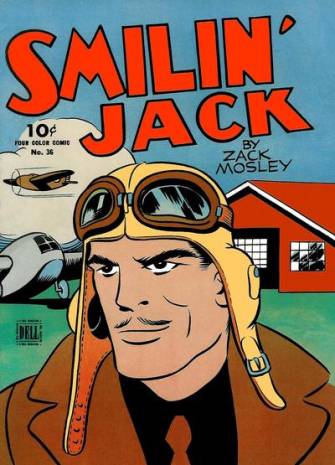 The top comics-related news stories from April 23 to April 29, 2011:


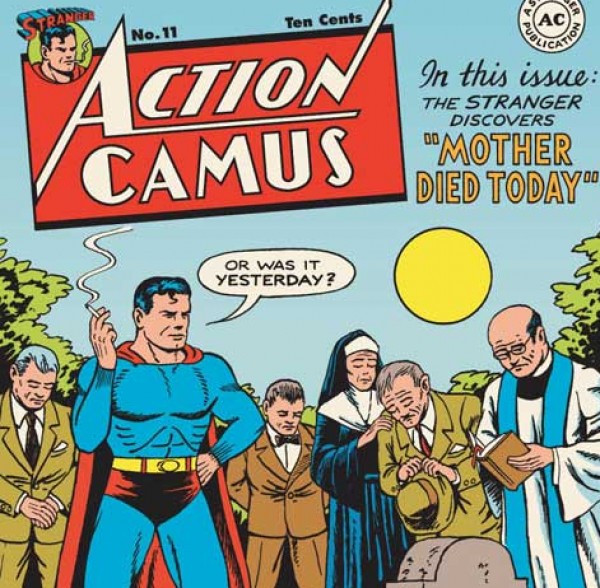
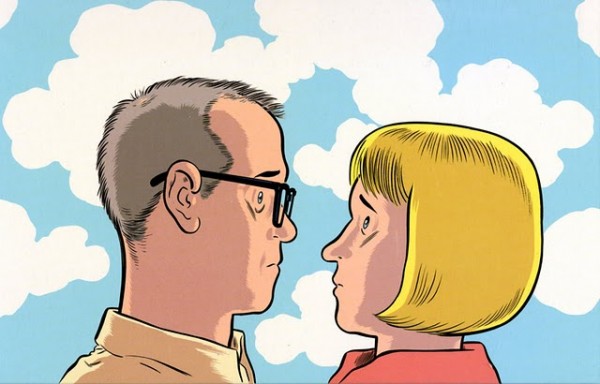

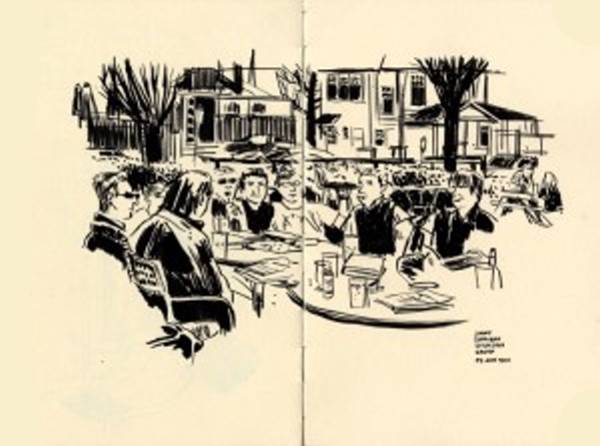
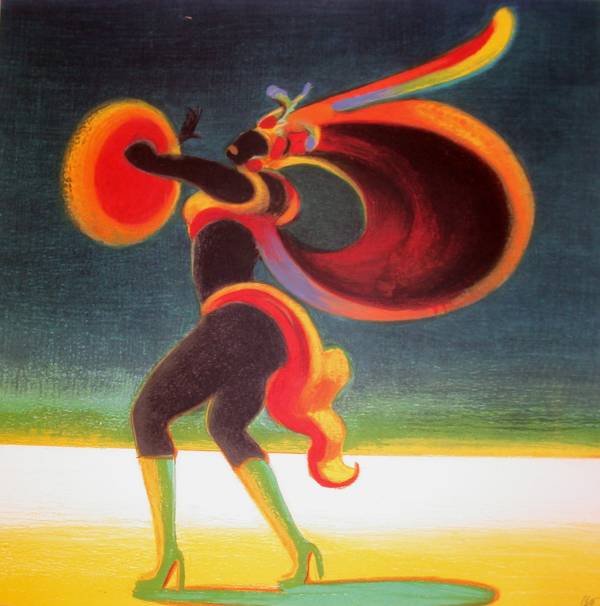
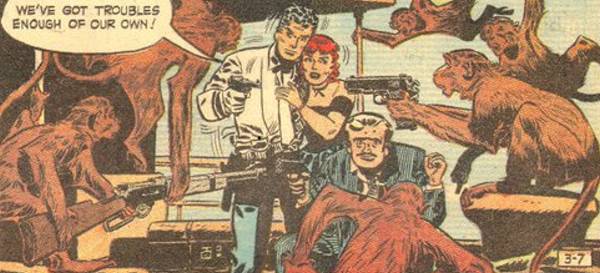
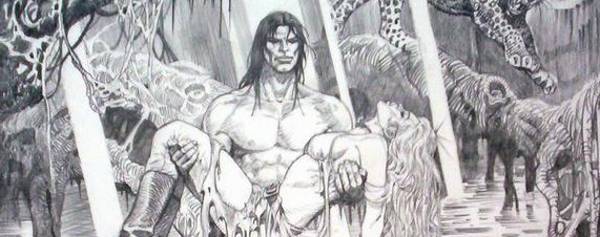
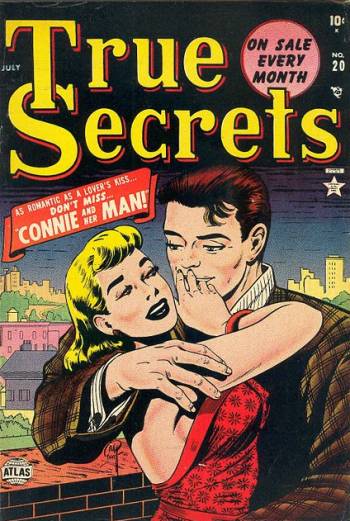 *
* 
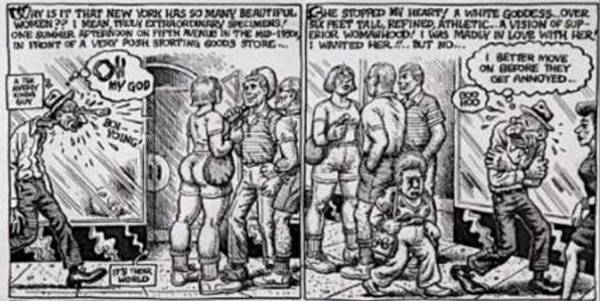
 By Tom Spurgeon

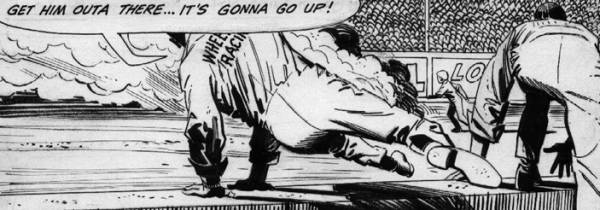
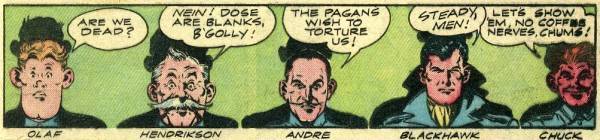


 * some strange birthday confluences today. It's the 100th year anniversary of
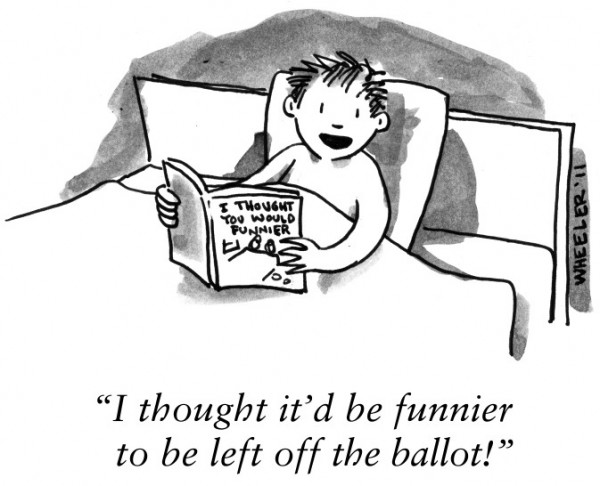
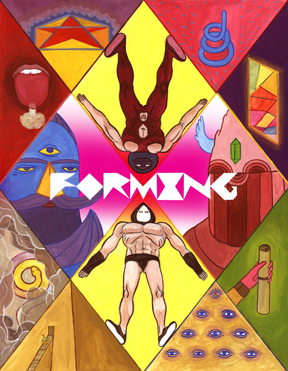 By Tom Spurgeon
 * Michel Fiffe wrote in to say that the alt-comics stories he's been corralling for publication in the back pages of Savage Dragon will be marshaled into their own trade paperback collection this July. He discusses it further and puts up a ton of advance art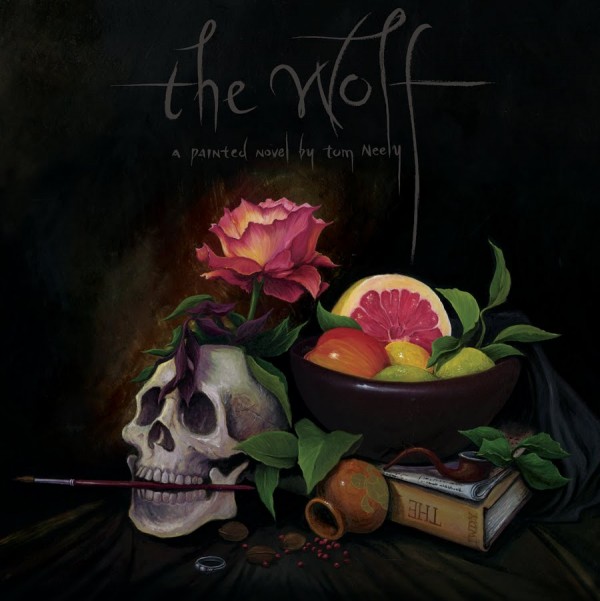
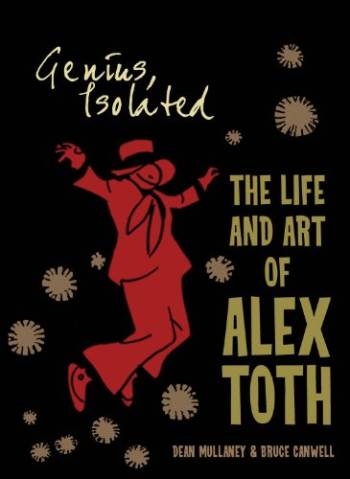 Here are the books that make an impression on me staring at this week's no-doubt largely accurate list of books shipping from Diamond Comic Distributors, Inc. to comic book and hobby shops across North America.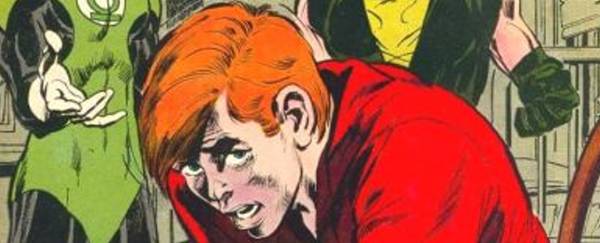


 * I liked
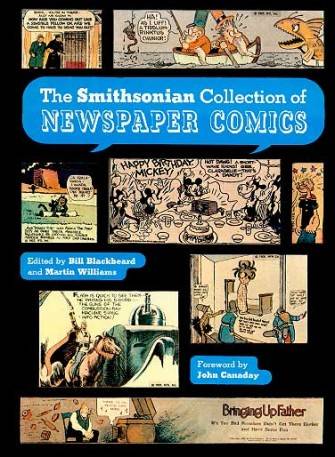 1.
1. 
 * you already know about this year's Doug Wright Awards nominees and have likely even seen the basic shape of Seth's new logo on the breast of a coat given to Brad Mackay, but now you can look at these things again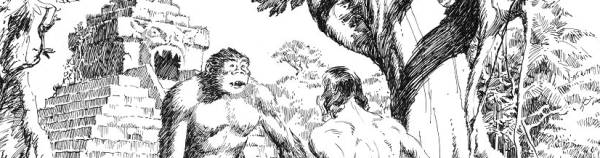
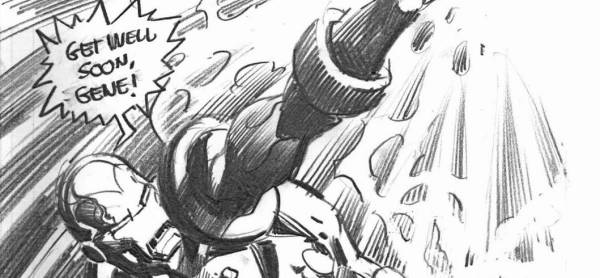

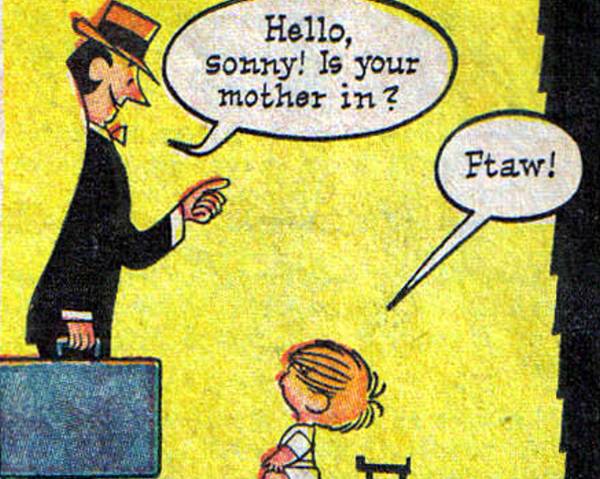

 *
* 


 * Jeet Heer

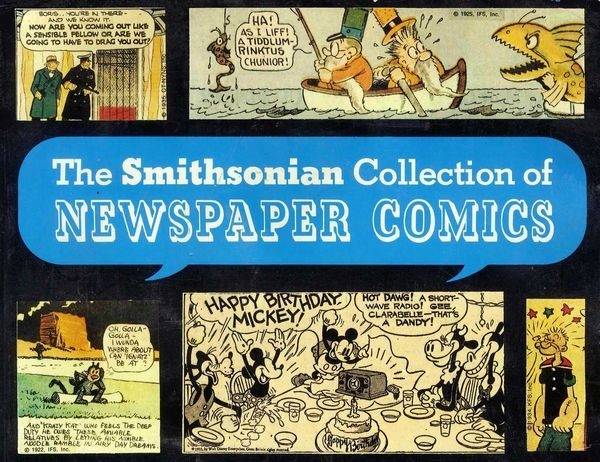
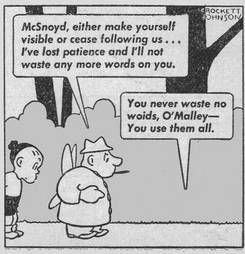 Blackbeard never wrote the systemic history of the field that had intensified his collecting efforts, but he contributed to something far better: a foundational and popular book reprinting select runs and examples from the great comic strip efforts in history. In 1977, with Martin Williams, Blackbeard co-authored The Smithsonian Collection Of Newspaper Comics. In doing so, Blackbeard changed the direction of comics and the direction of many lives of those that choose to read them. It is one of the ten most influential and important publications in comics history. The Smithsonian Collection exposed multiple generations of comics readers to dozens of comic strips that they hadn't yet seen. Remember that even for those fans like Blackbeard that lived when many of the great strips were published, readership was frequently limited to whatever newspaper the family took. Some of the best strips, including Crockett Johnson's Barnaby, to name one whose reputation was sealed by publication in the collection, never enjoyed the massive market saturation that the average hit 1970s gag strip might have secured for itself. Also recall that while comic-strip collections weren't an absolute rarity by any measure at this point, this kind of astutely collected book did stand out, and was perfectly oriented to hit any younger cartoonist wannabe scrambling for any books and material he could find in bookstores and in libraries. This includes most of the first alternative comics generation, many of whom cite the Smithsonian book, or some comic discovered there, as a significant influence. The world of comics as conceived by many comic book fans doubled; the world of comics as conceived by comic strip fans now had a physical touchstone. One measure of the Smithsonian Collection's influence is that you can count on one hand the number of newspaper comic strips that have come to be well-regarded in the years since that did not have a significant entry in that book. Another is how many similar efforts basically ape its approach and format, frequently to reduced effect. It remains a titanic achievement, a book of a lifetime.
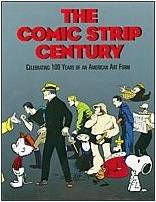 Blackbeard's contributions were certainly not limited to any single work, even one as rightfully lauded as the Smithsonian Collection. He contributed material and efforts of scholarship to over 200 books in his lifetime. His archives and knowledge, both of which were almost always freely shared, proved foundational to three great flurries of comics reprint publishing, some of which he directly participated as editor. In 1977, the same year of the publication of the Smithsonian Collection, the Hyperion Library of Classic American Comic Strips offered up a sweeping panoply of early comics work, some of which hadn't been seen since their initial publication six decades earlier, including such foundational strips as Bringing Up Father or those whose cultural reputations had changed from their heyday, like Skippy. In the 1980s, Blackbeard made possible two crucial Krazy Kat series (one from Eclipse; one from Fantagraphics), and the massive effort from NBM collecting the crucial adventure series Terry And The Pirates (of which there were 12 volumes) and Wash Tubbs (18 books in all). In the 1990s, not coincidentally a fallow time for American comic book publishing on a lot of levels, Blackbeard worked with Dale Crain on the best companion book to the Smithsonian Collection, the double-volume The Comic Strip Century, as well as to one of that decade's best stand-alone historical/reprint efforts, Richard Outcault's Yellow Kid.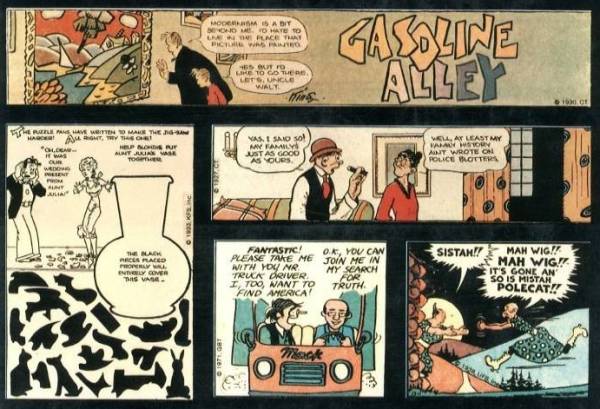
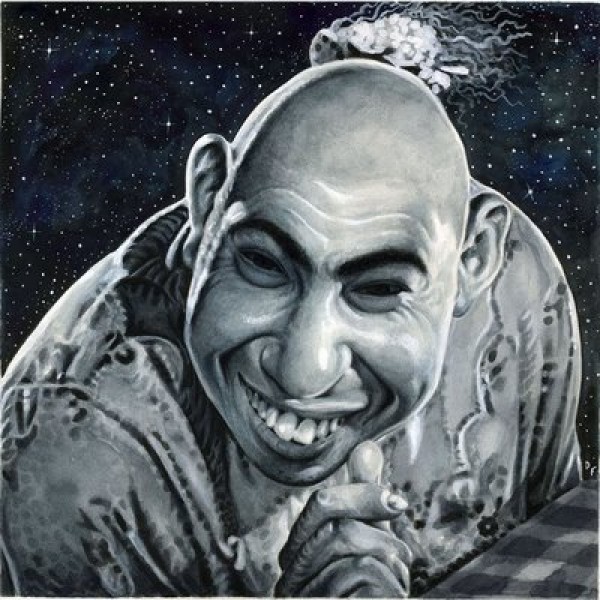

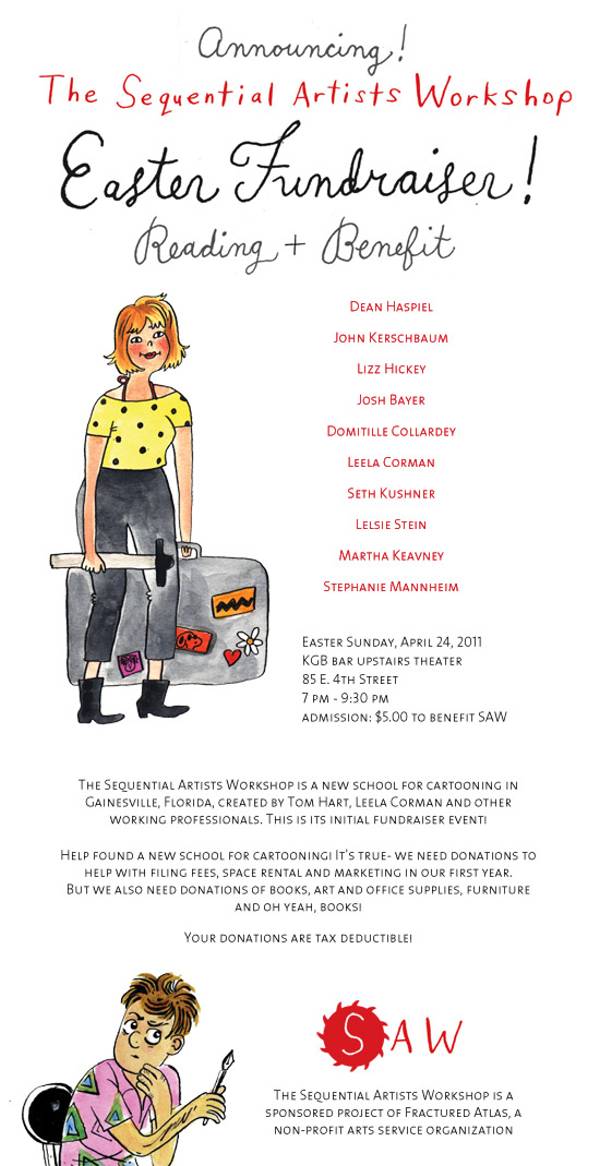
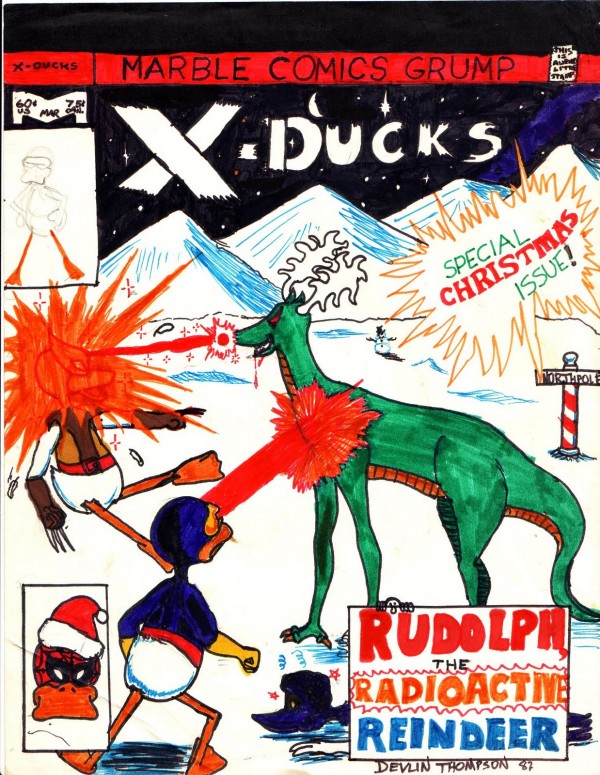
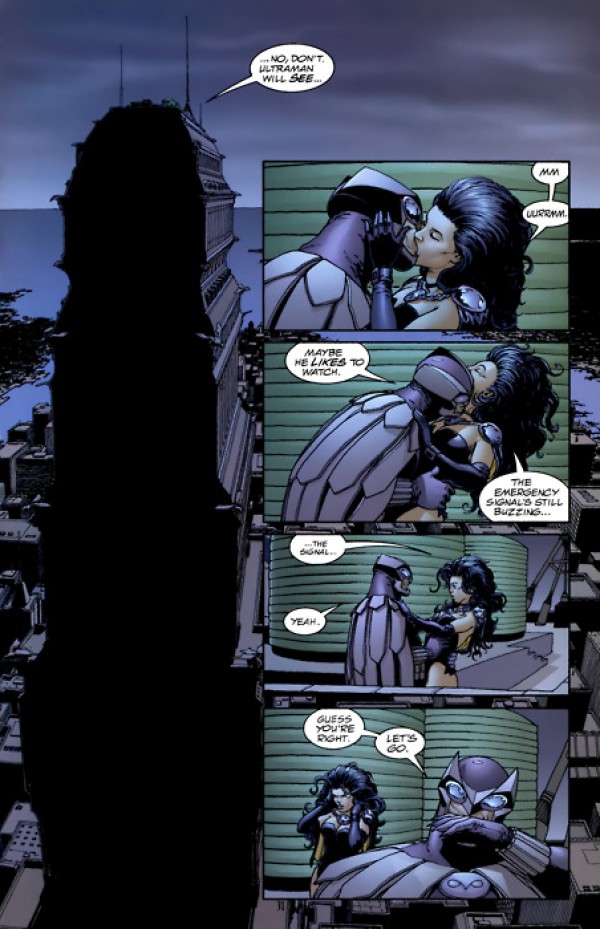
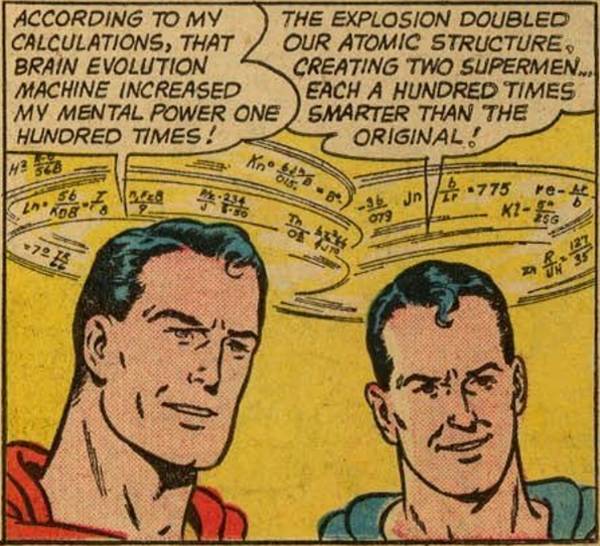
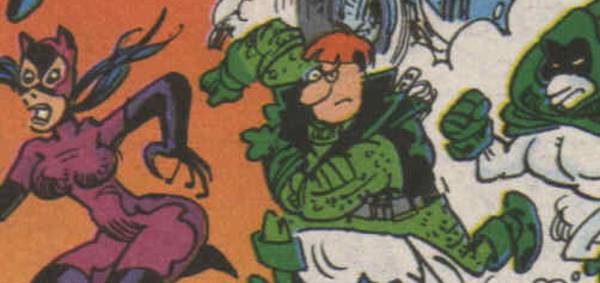
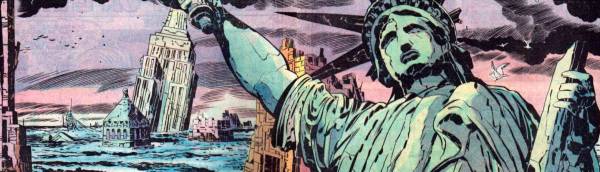
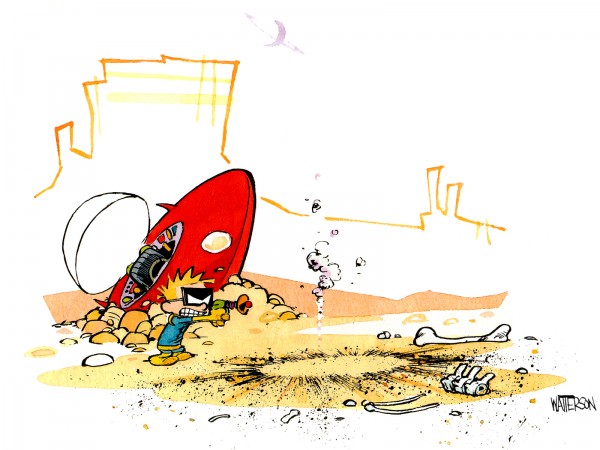
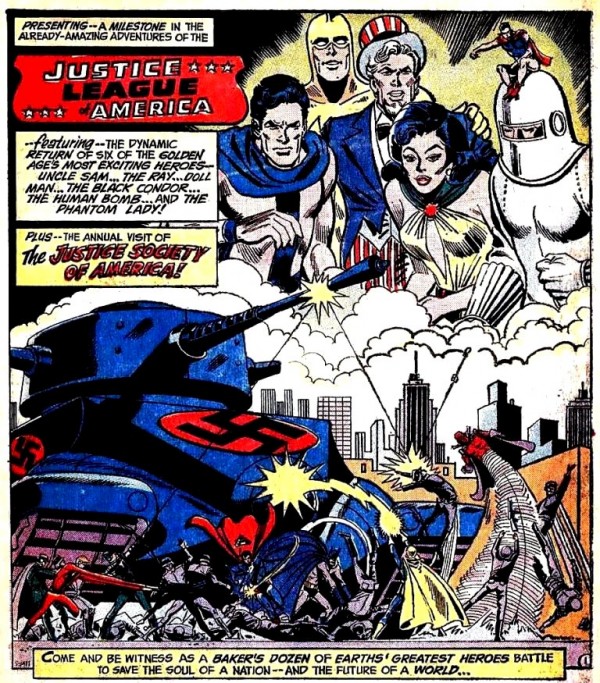
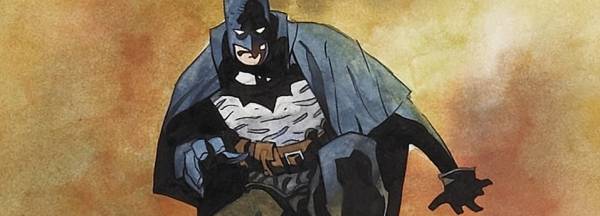
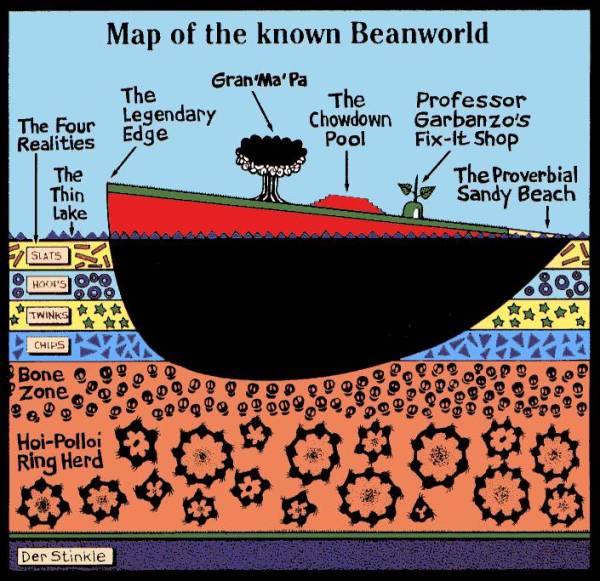

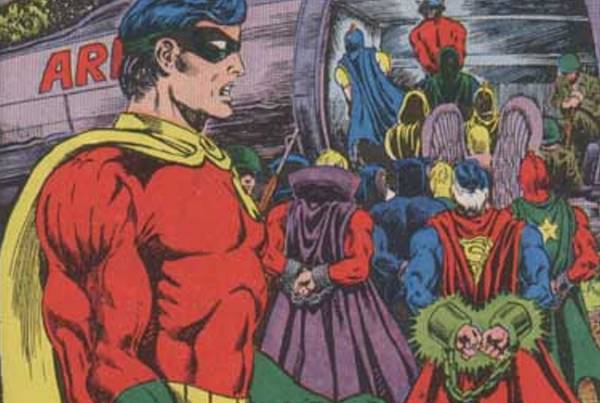
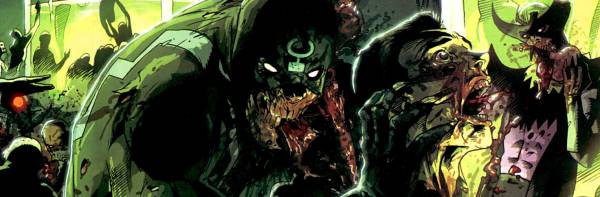
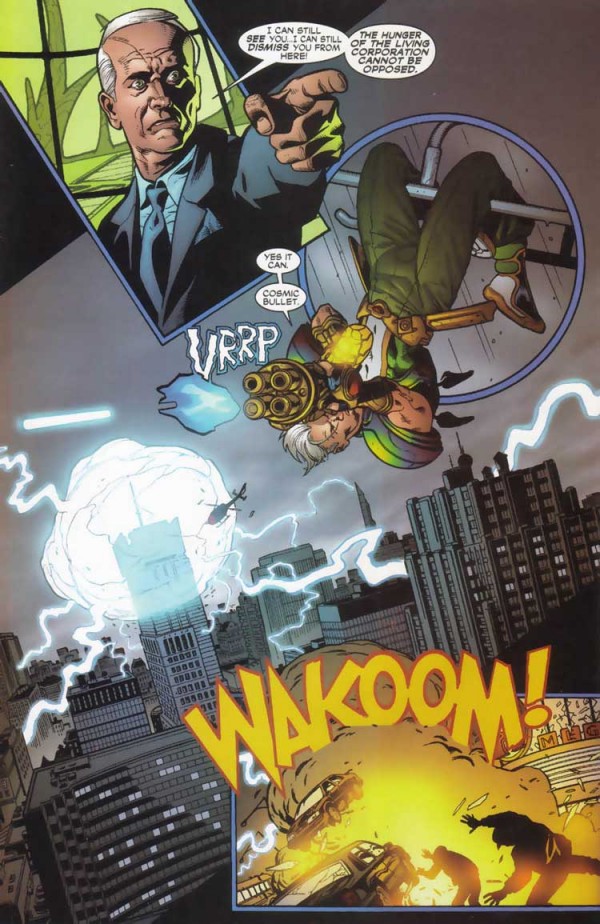
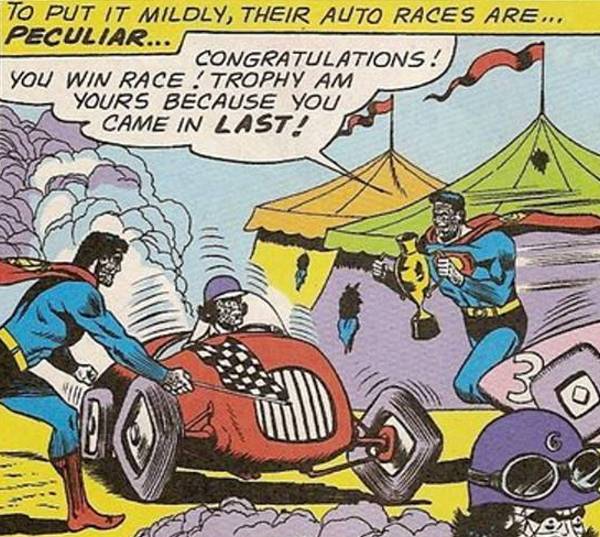
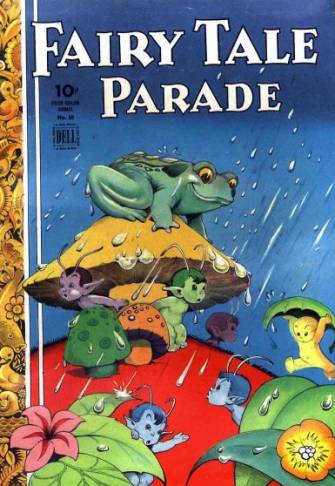 The top comics-related news stories from April 16 to April 22, 2011:
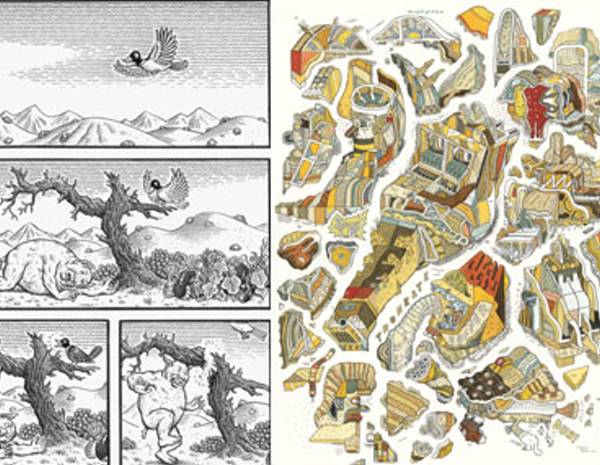
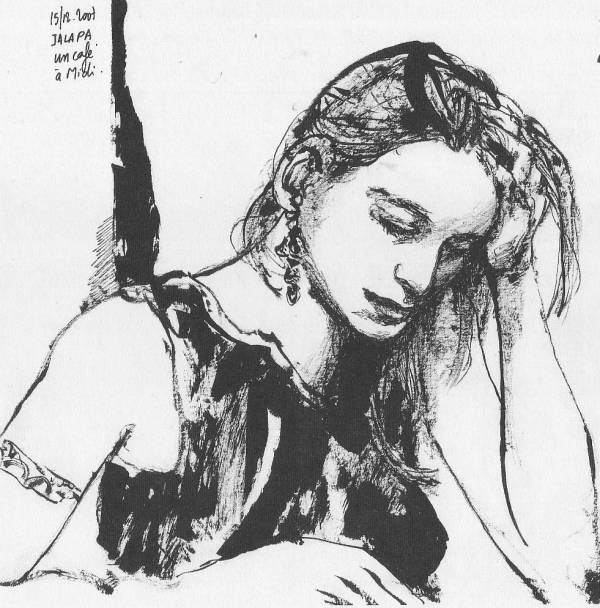



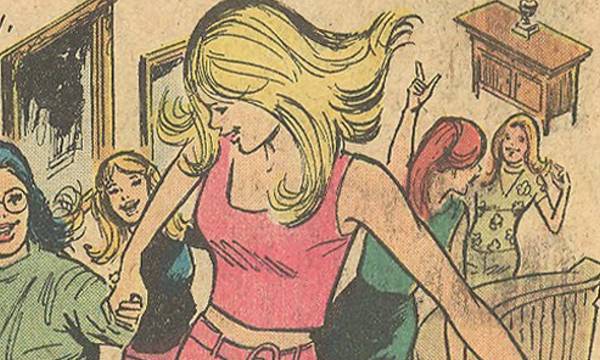
 Commentary and reaction around the Internet to the announcement that one-time industry segment leader Tokyopop will close its Los Angeles-based North American publishing offices on May 31, 2011.
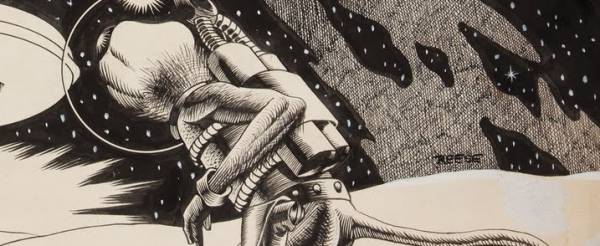
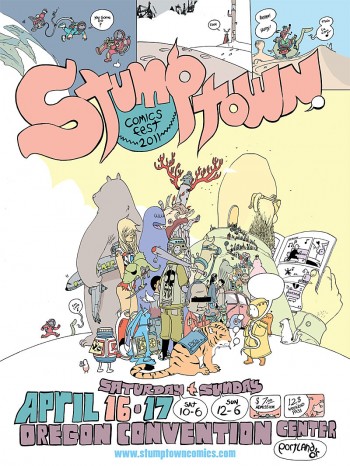 Links to stories, eyewitness accounts and resources concerning

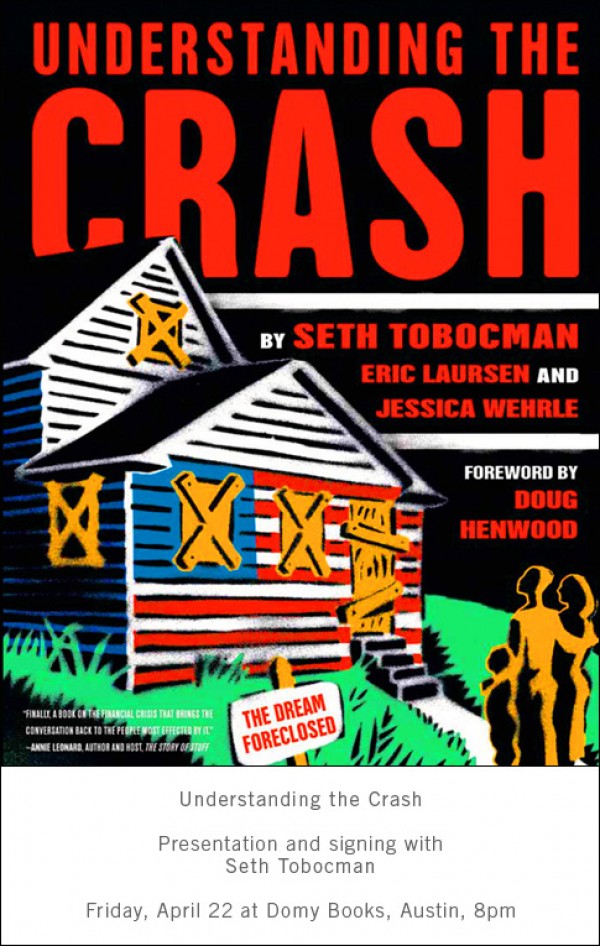
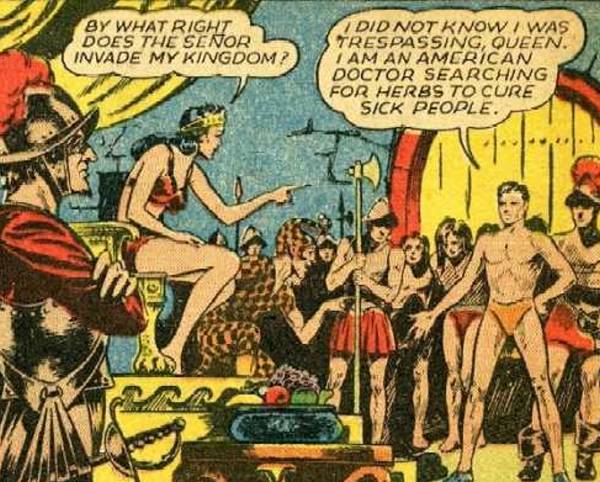
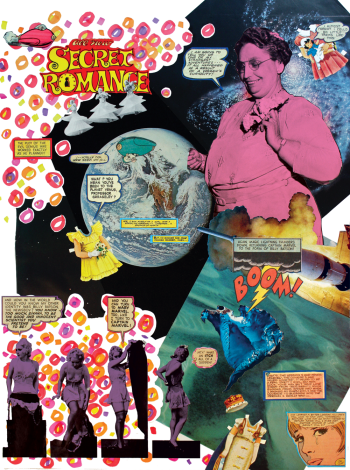 * the cartoonist Geoff Grogan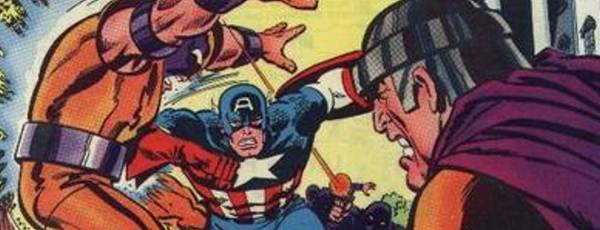
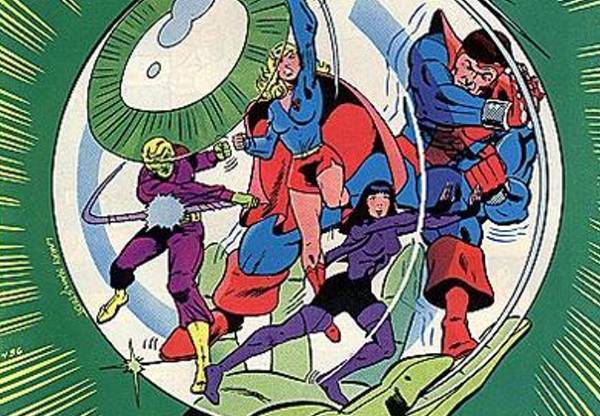
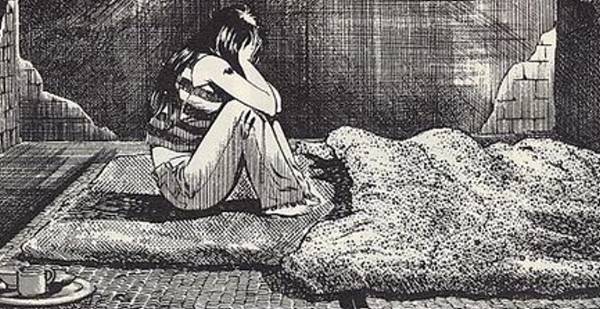
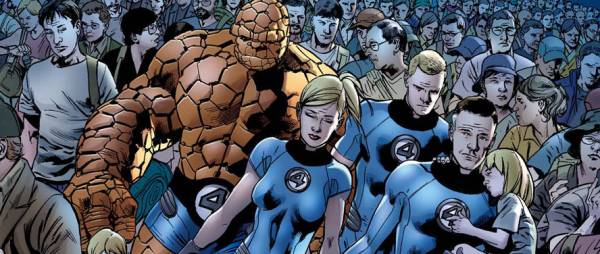
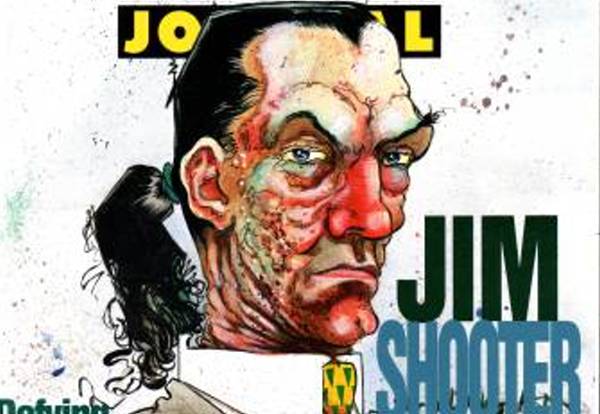
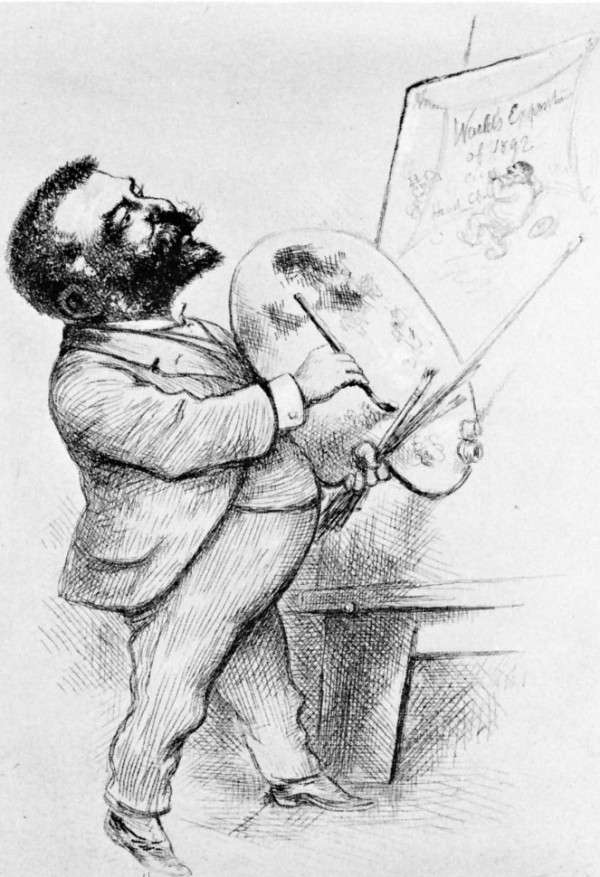
 * a side trip into Lambiek's comics biographies informs me that the late, highly-regarded mainstream comic book artist Michael Turner
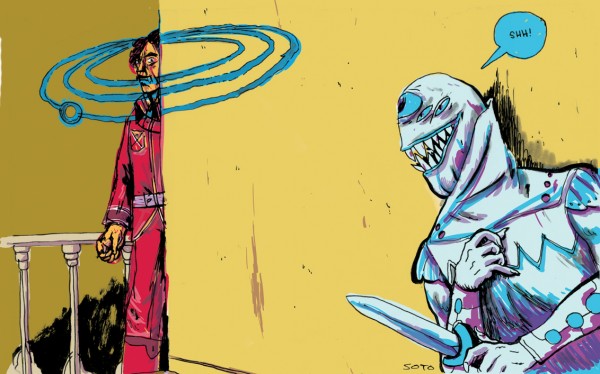
 By Tom Spurgeon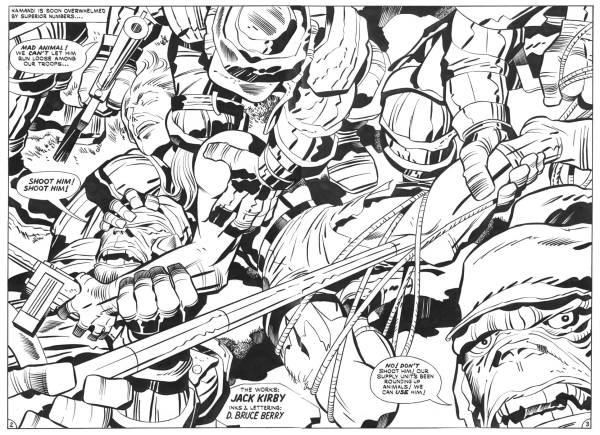

 Here are the books that make an impression on me staring at this week's no-doubt largely accurate list of books shipping from Diamond Comic Distributors, Inc. to comic book and hobby shops across North America.

 * the second must-read is probably
 * Greg Burgas
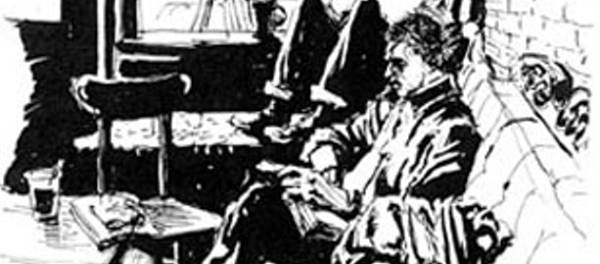
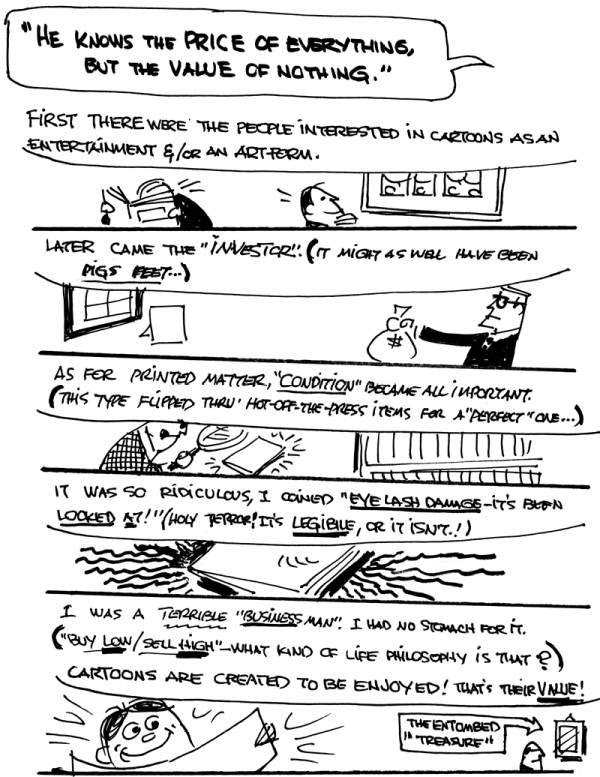


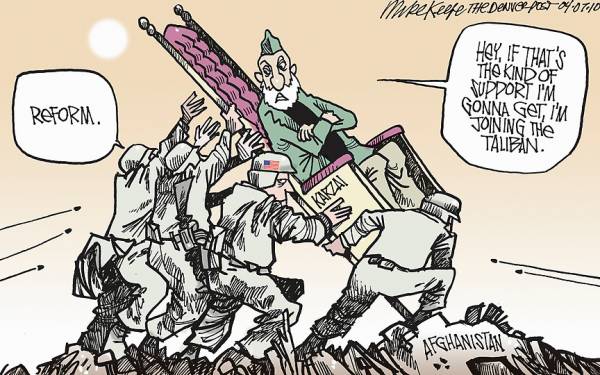


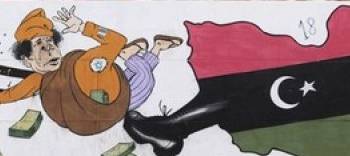 The cartoonist's name was
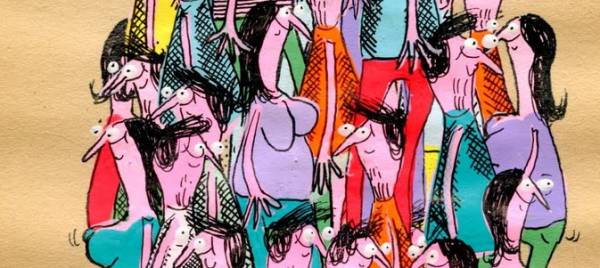
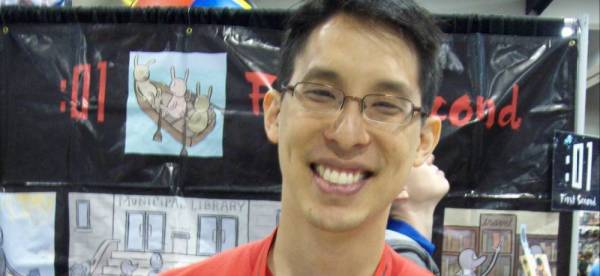
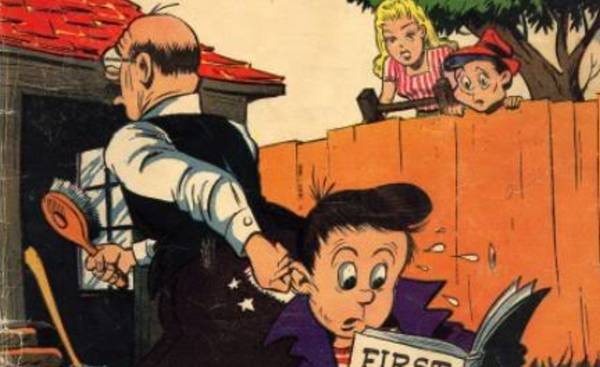
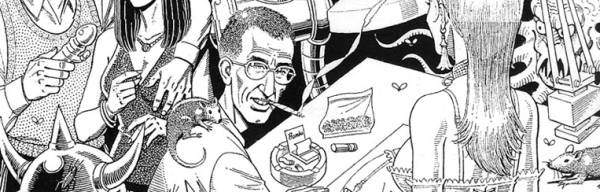
 *
* 



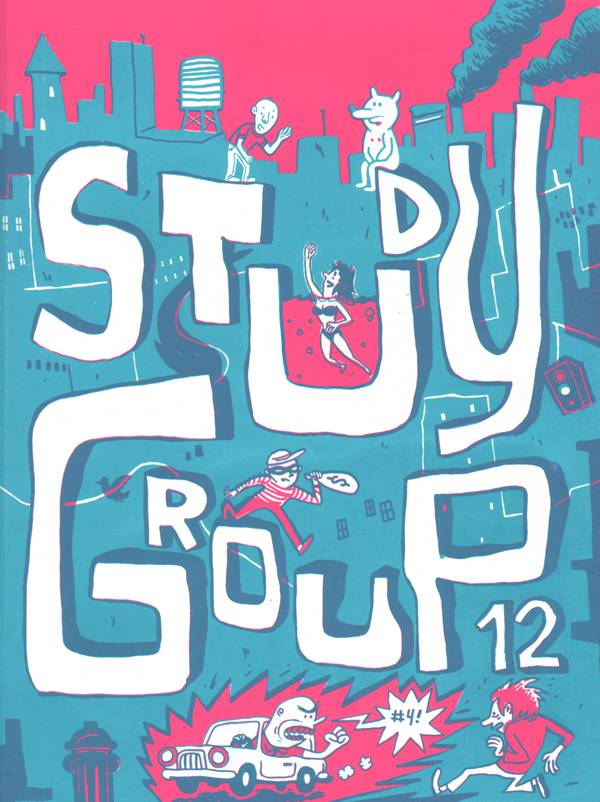
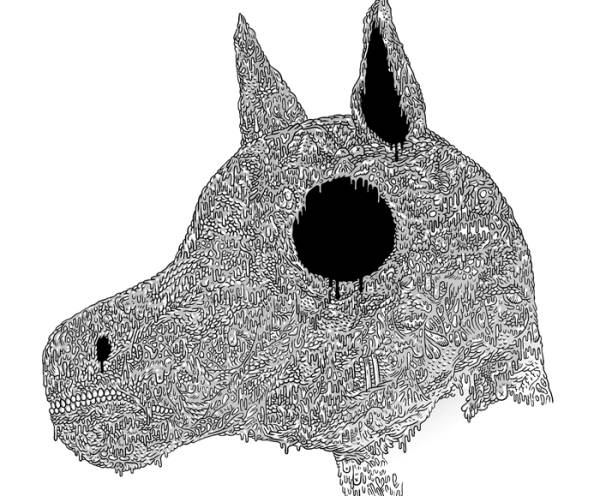
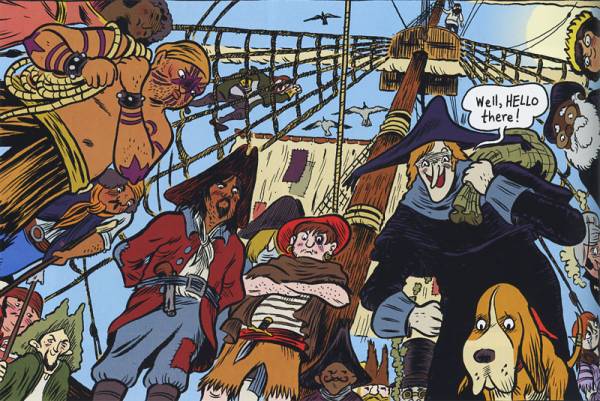
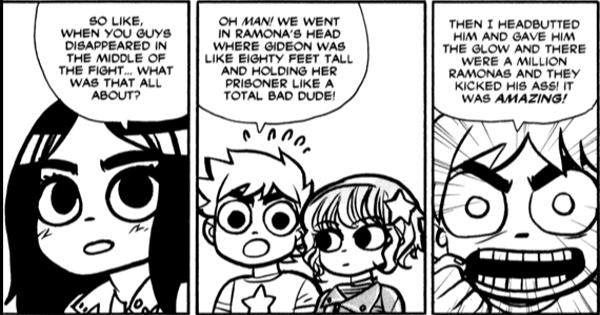
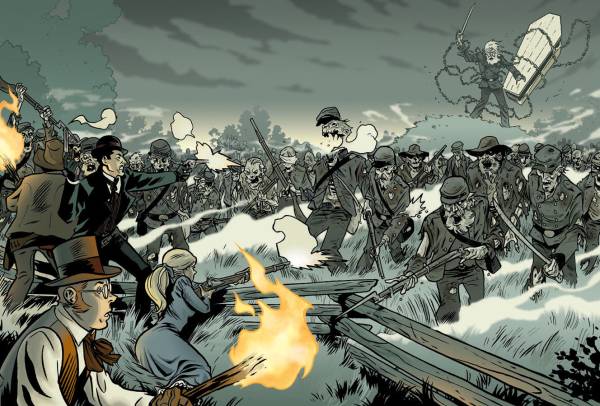
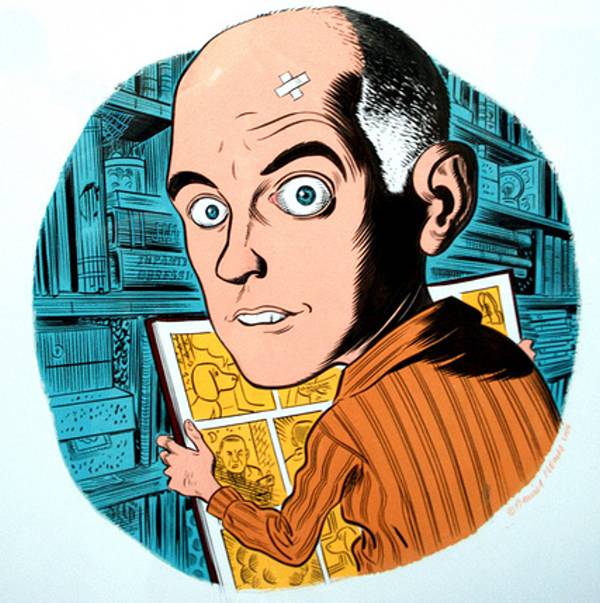

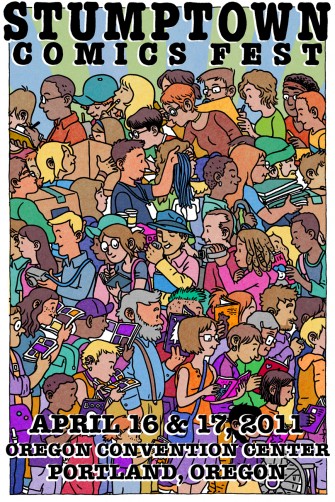

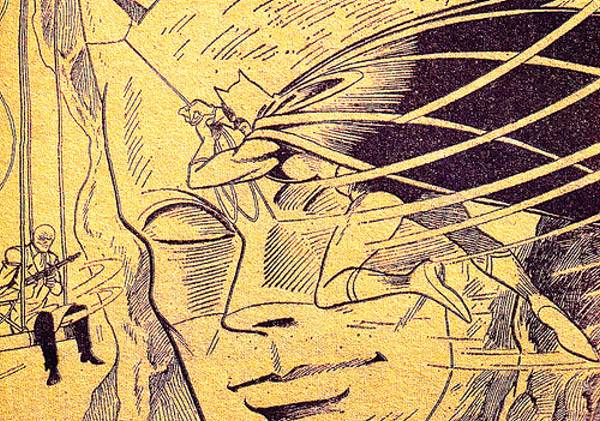

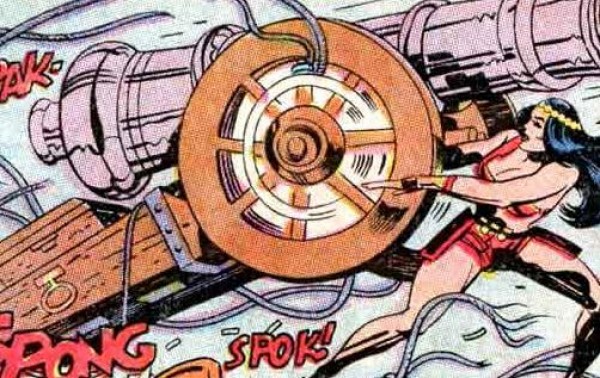

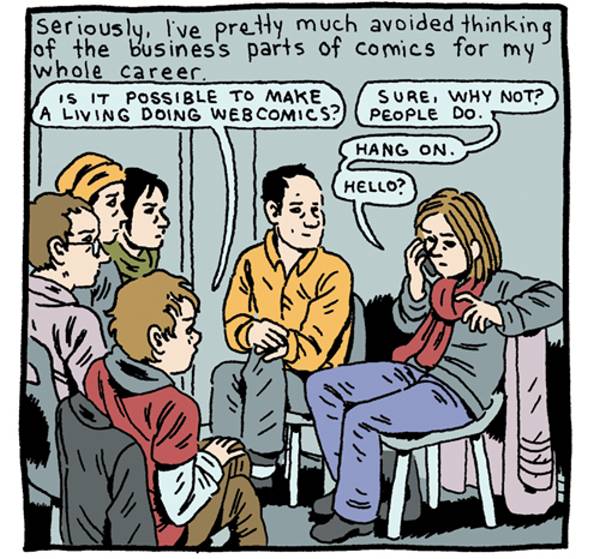
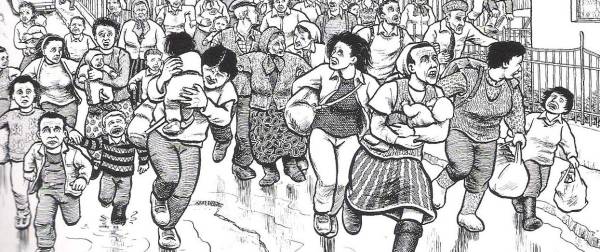
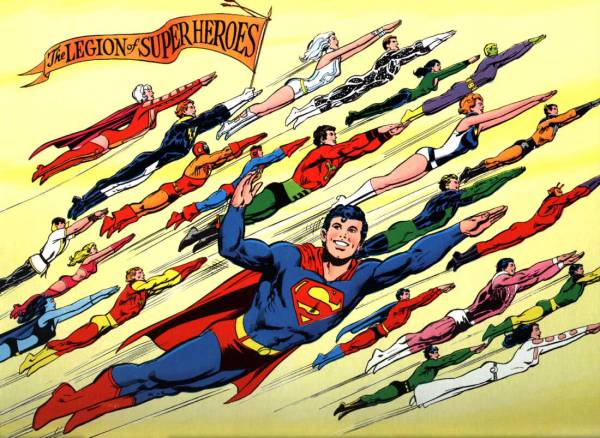
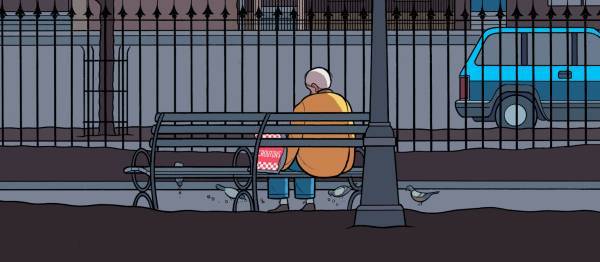

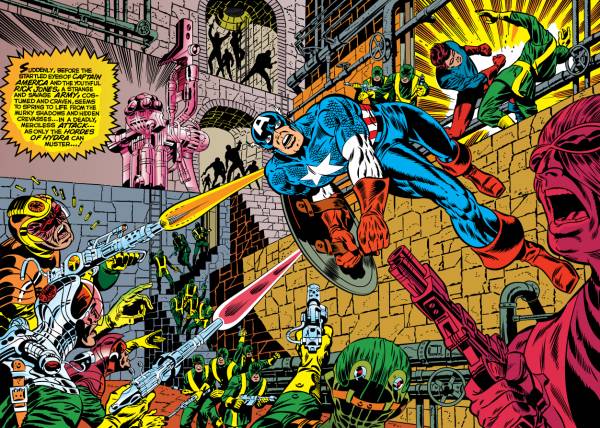
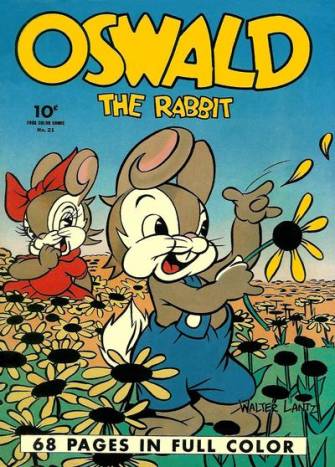 The top comics-related news stories from April 9 to April 15, 2011:
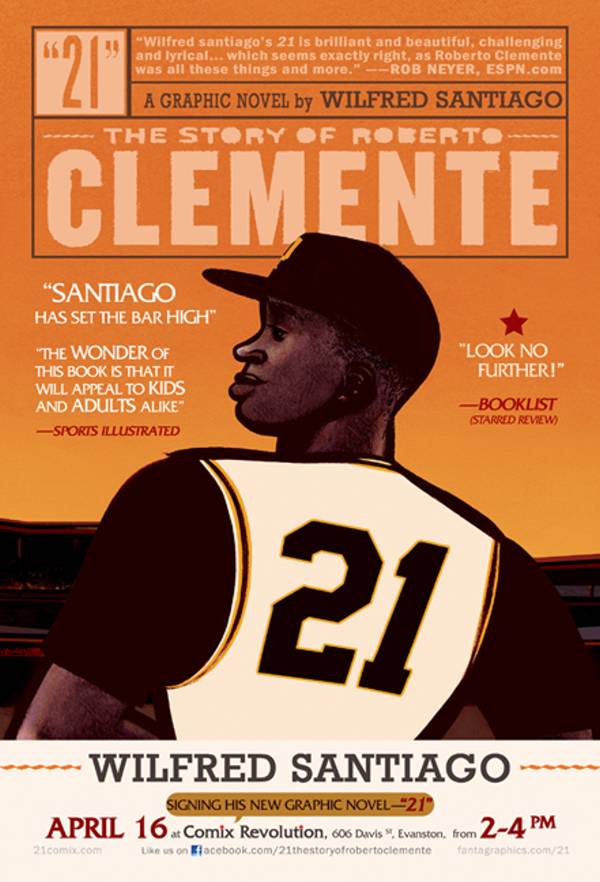


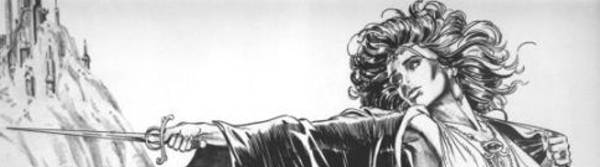
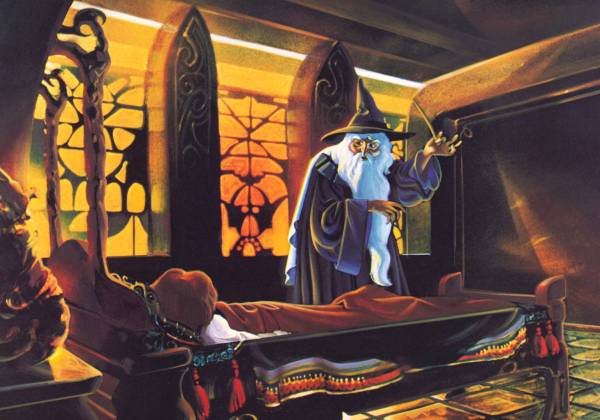
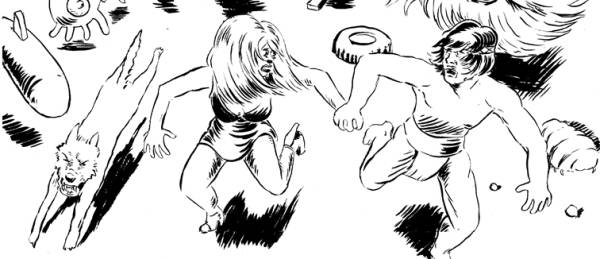


 We're bringing in more-mainstream guests this year as well. In the past our big headliners were folks like

 Links to stories, eyewitness accounts and resources concerning

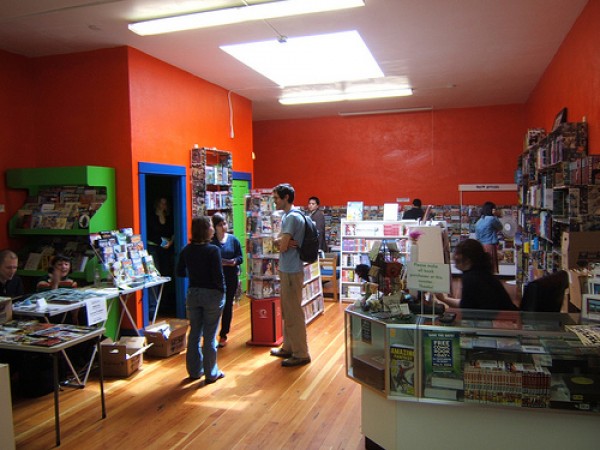
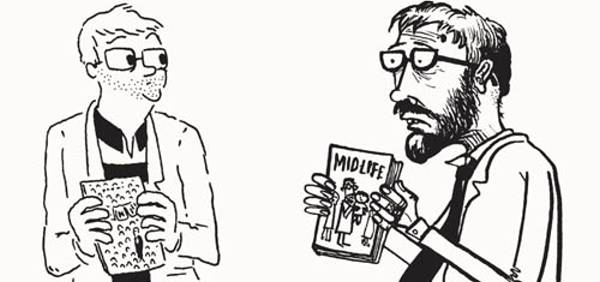

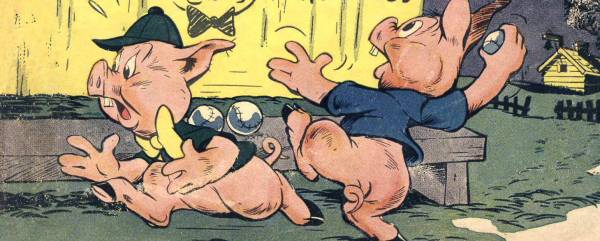
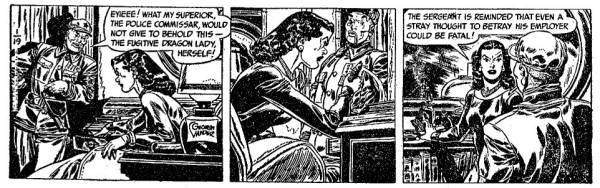
 * I can't imagine a better time at one's desk on a Friday than spending 20 minutes with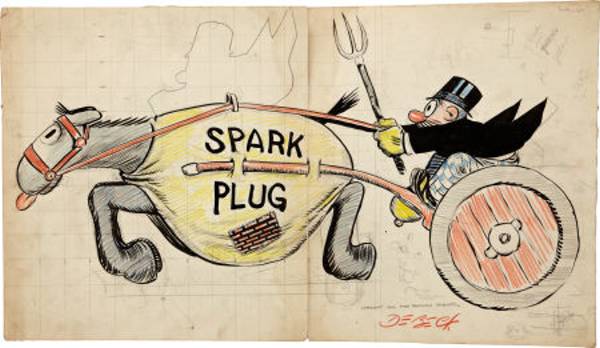
 I always used to think that if I looked hard enough, I'd shake free some sort of hidden cache of pornographic comics penned by Martin Van Buren or something similar, some sort of comics past for a U.S. President that everyone had known about but subsequently forgotten. I'm still looking for Rutherford B. Hayes' gag panel, but apparently in doing so completely overlooked the fact that Ho Chi Minh was a cartoonist in the 1920s for the newspaper published by the anti-colonialist group I think it's fair to say he spearheaded, both going by the name "Le Paria." The future world leader even went by the name "Nguyen-O-Phap" for a while, which I guess means, roughly, "Nguyen who hates the French." (He later changed it.)
 The Hollywood Reporter
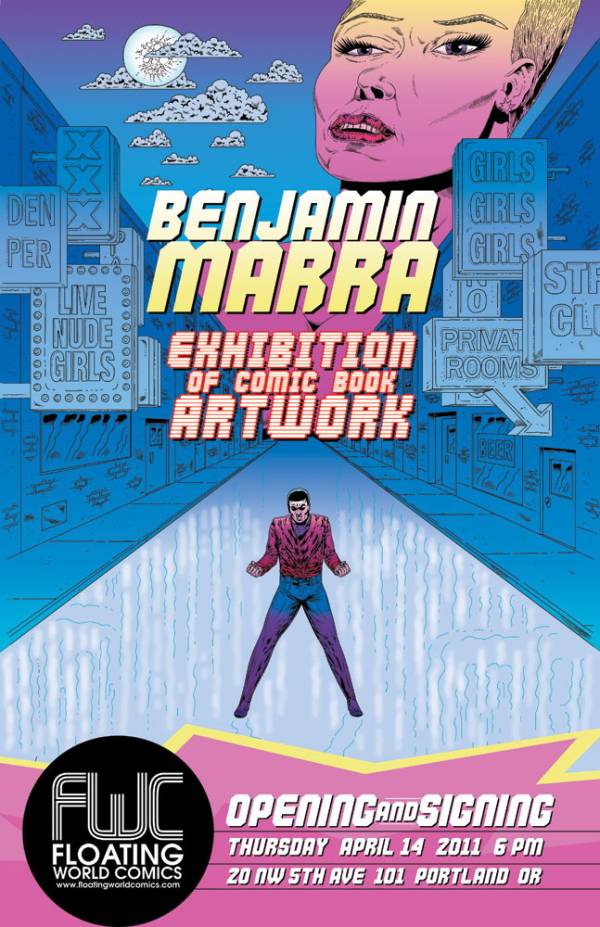
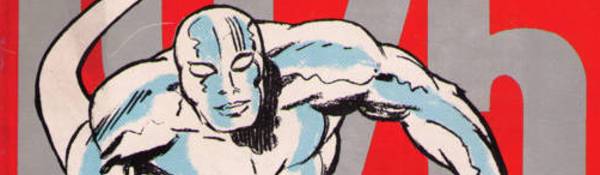
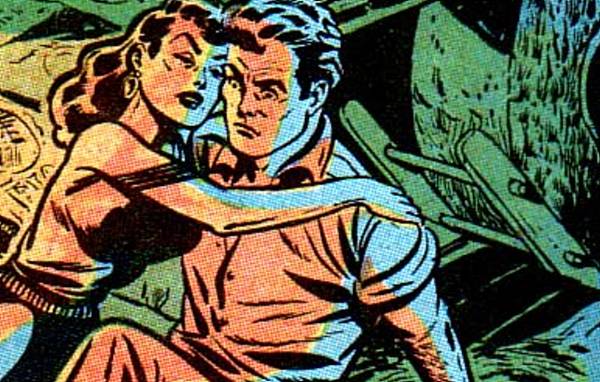
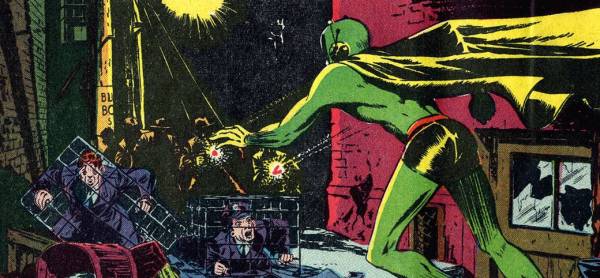
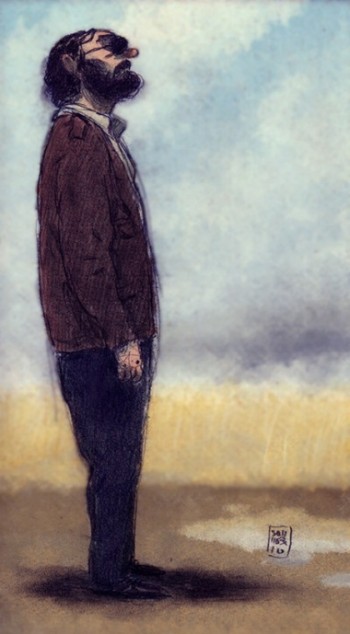 * it's not always necessary for me to see a lot of a work before I decide I want to see more, but I thought effective
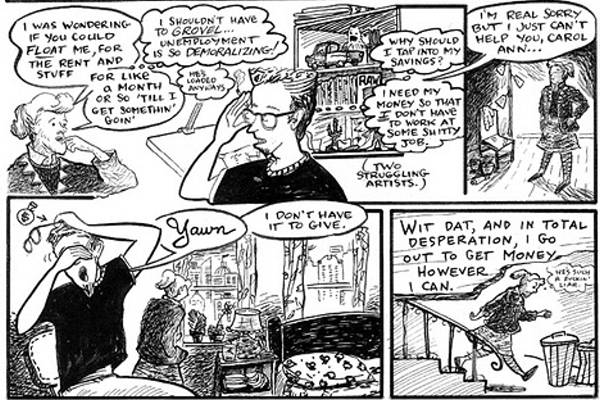
 By Tom Spurgeon
 By Bart Beaty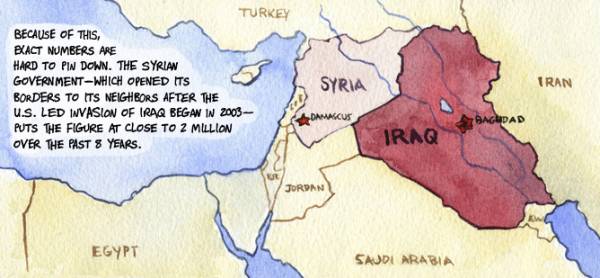
 *
* 
 Word slipped out in the usual comics industry fashion -- people with information contacting various news sites and blog; no word at all from the company in an official capacity -- that Dark Horse
 * I almost missed


 Here are the books that make an impression on me staring at this week's no-doubt largely accurate list of books shipping from Diamond Comic Distributors, Inc. to comic book and hobby shops across North America.


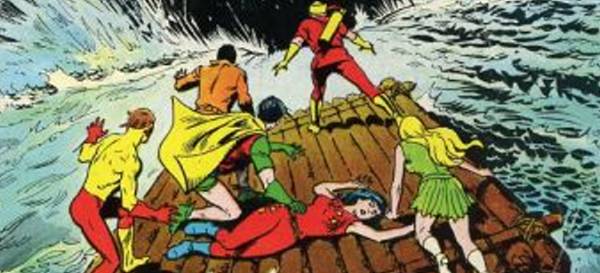
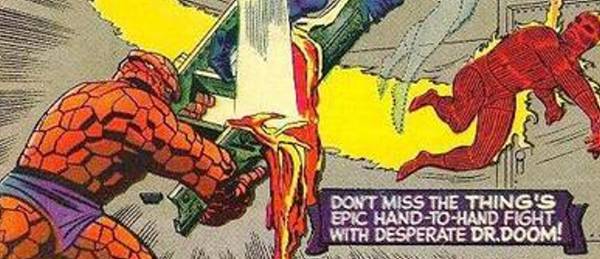
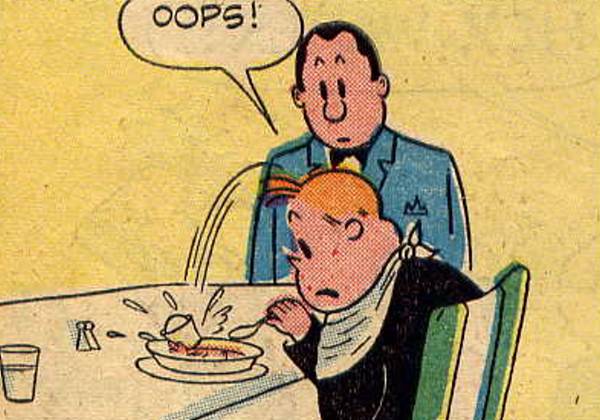
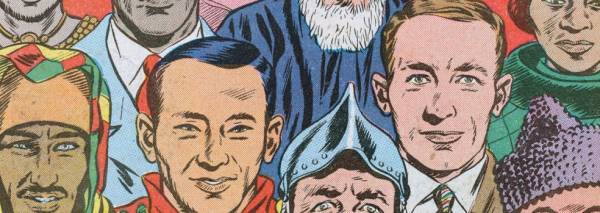
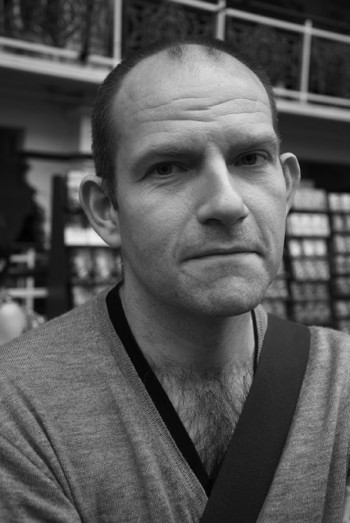 * I quite enjoyed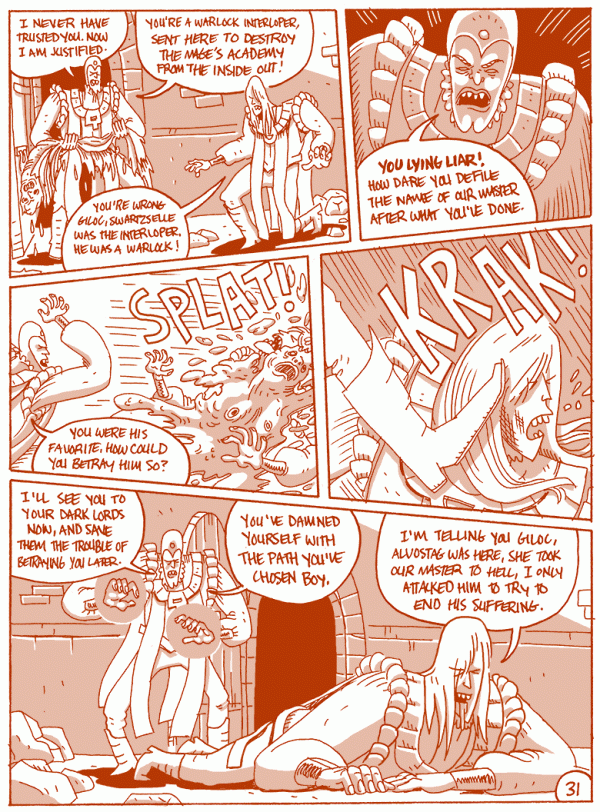
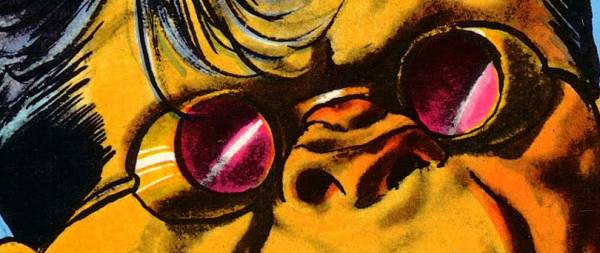
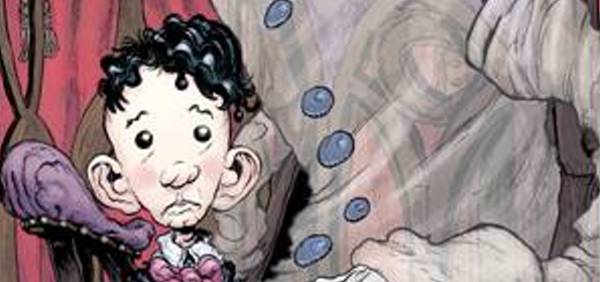

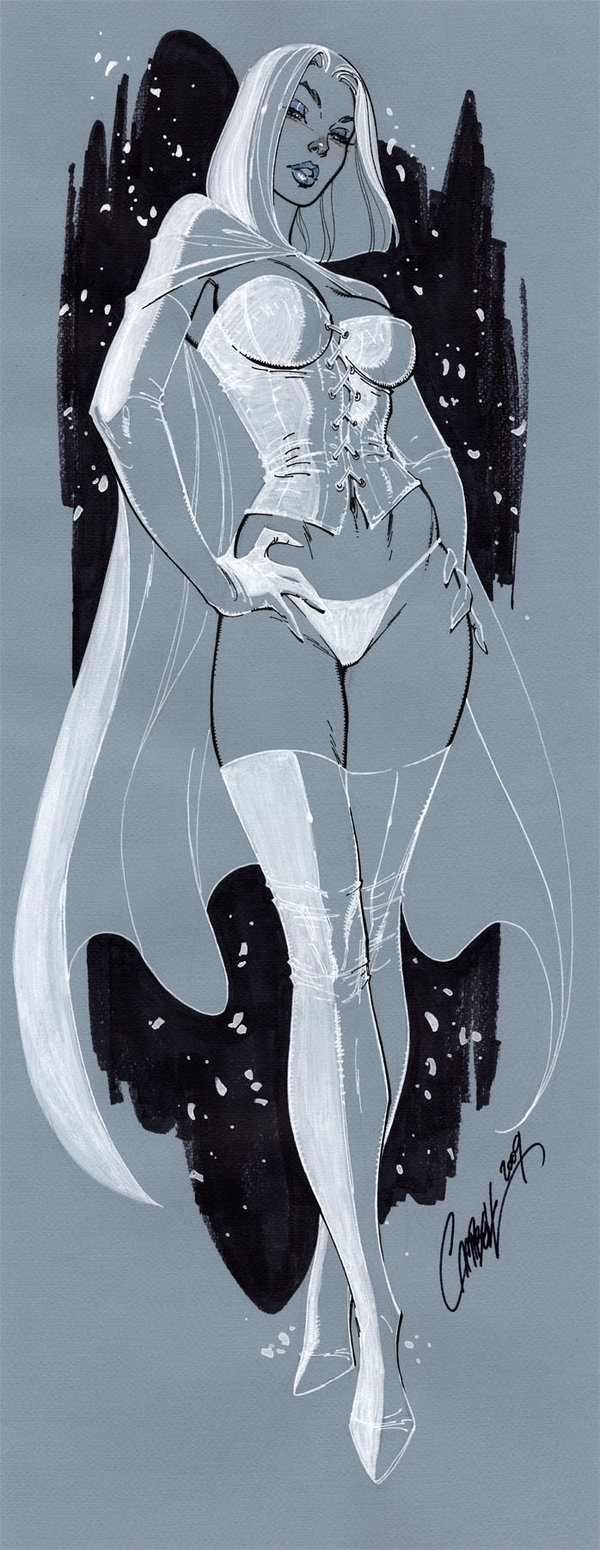


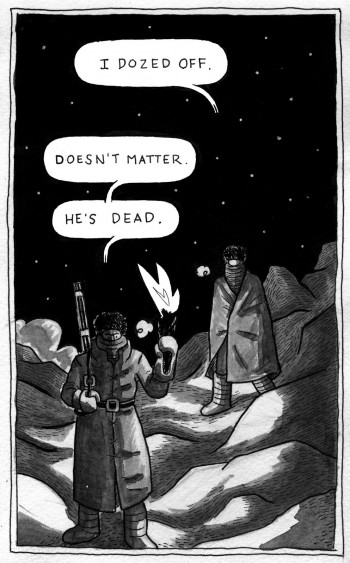 MOME was from its 2005 start primarily but not entirely known as a young cartoonists' anthology. It arrived on the scene at at a time between the alternative one-person anthology comic book revolution of the 1990s and the full flowering of today's current webcomics and original graphic novel model. This was a moment in comics publishing history when younger creators might not conceivably have as many easy avenues for publication at a time in their artistic development where publishing opportunities could be a real key to their becoming better cartoonists. MOME also provided an opportunity for comics readers to start learning about a difficult-to-grasp new generation of arts-comics makers at the point they really began to distinguish themselves as considerable artists.
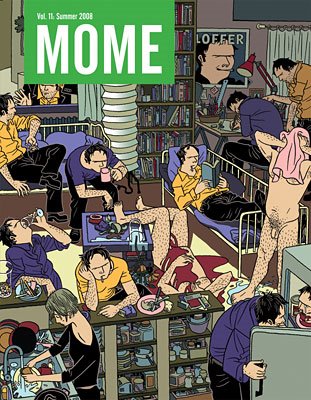 For editor Reynolds, the series driving force and primary editor, it was simply time. "It's been a good run, longer than just about any anthology I can think of," Eric Reynolds told CR. "But the simple fact is, as much as I love putting it together, I felt like the time has come. It wasn't simply a sales decision; though not very profitable, MOME held its own, if modestly. But for a company with finite resources, four volumes a year of a mostly full-color book ultimately means that there are around four other books that aren't being published in a given year. And as my editorial and publishing duties have broadened, not to mention fathering a child since MOME was born, I'm ready for a change and don't want MOME to calcify into something that I'm not actively passionate about or putting together by rote. As it is, ever since Clem was born and I took on more responsibilities here, I know I've become increasingly less efficient as an editor, which is another factor in my decision."

 Frank Lewis, a cartoonist that first plied his craft in the 1950s military and in semi-retirement became the house cartoonist at the Stafford County Sun,
 * there's a ton of material worth thinking over in this post "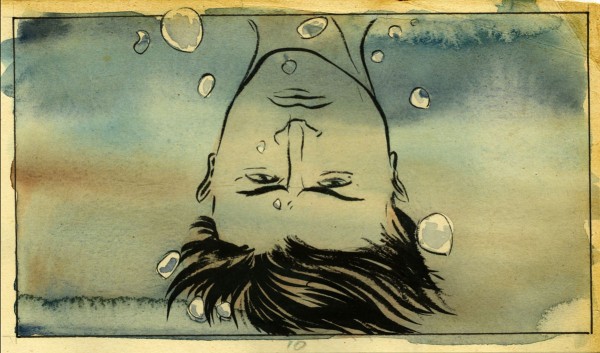
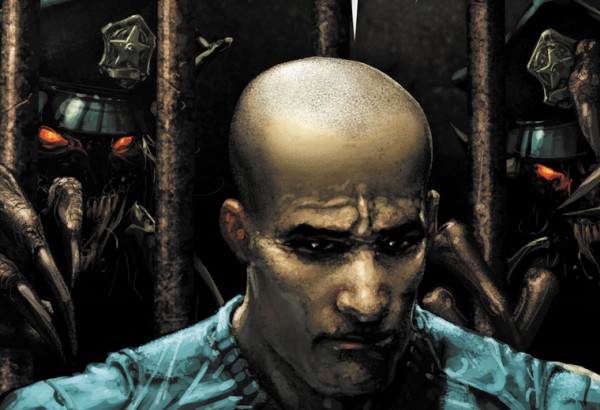
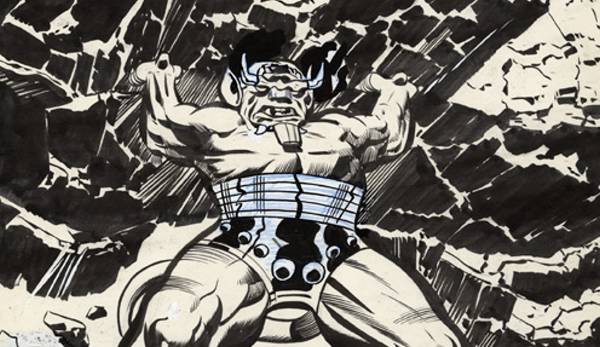
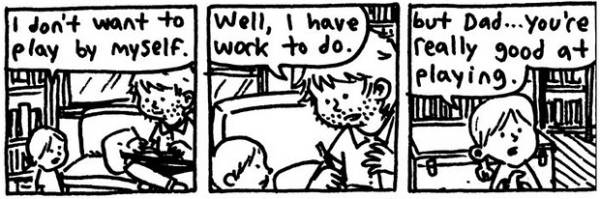
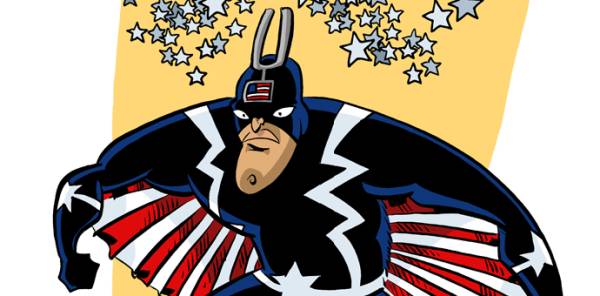
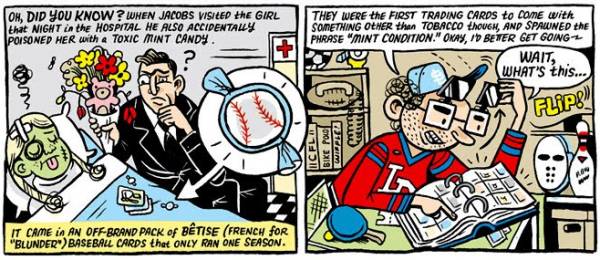
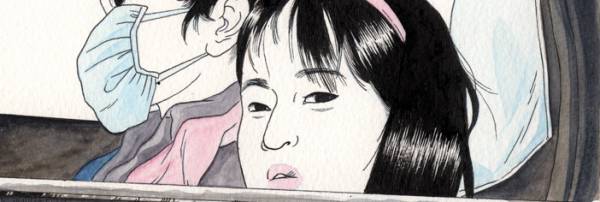


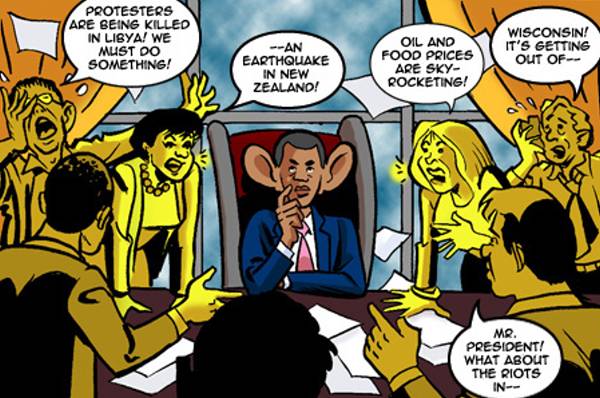
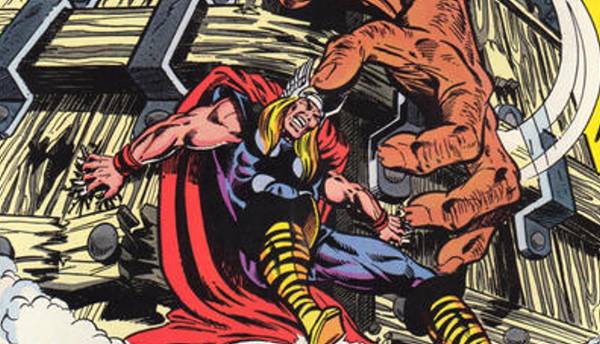
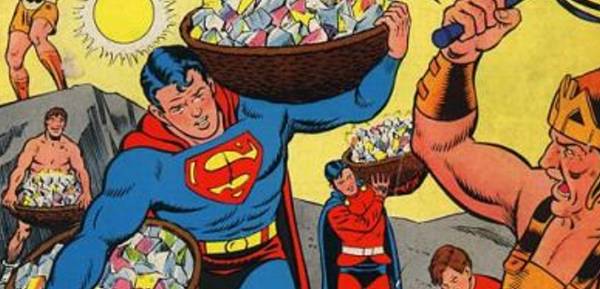
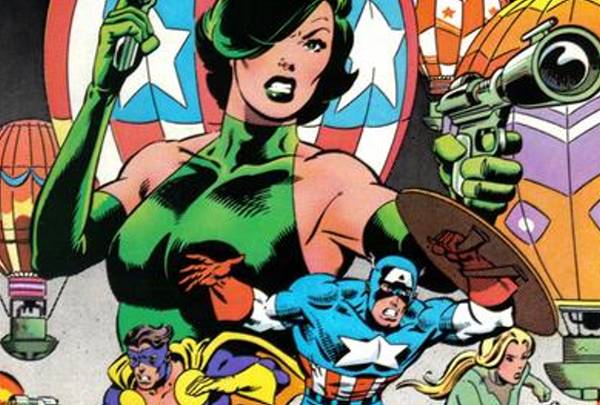

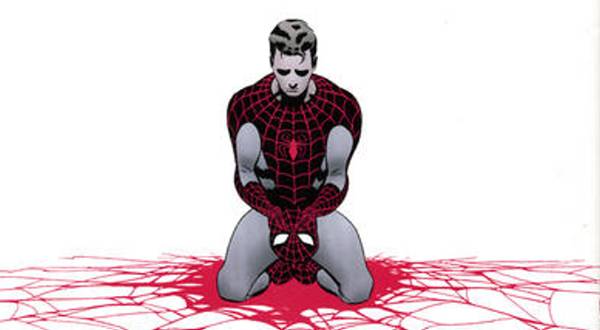
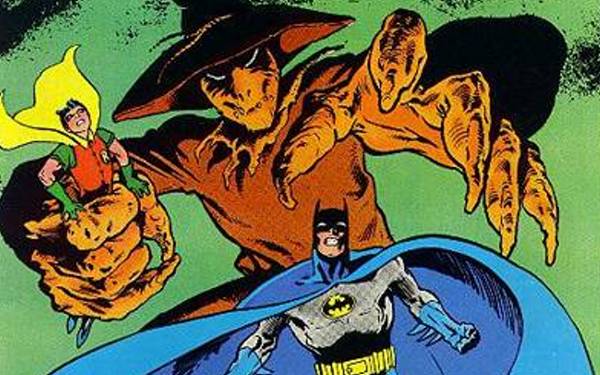
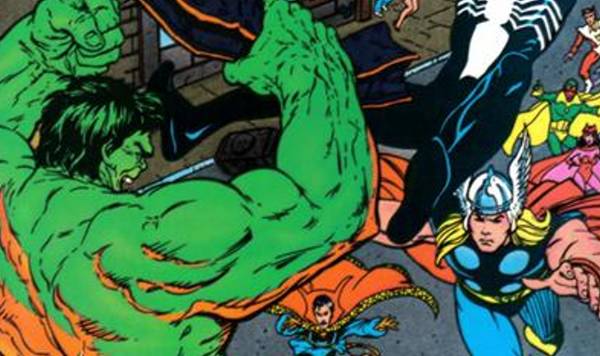
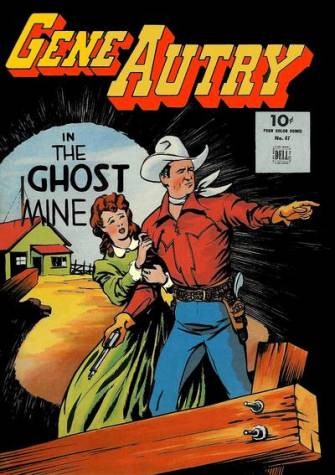 The top comics-related news stories from April 2 to April 8, 2011:
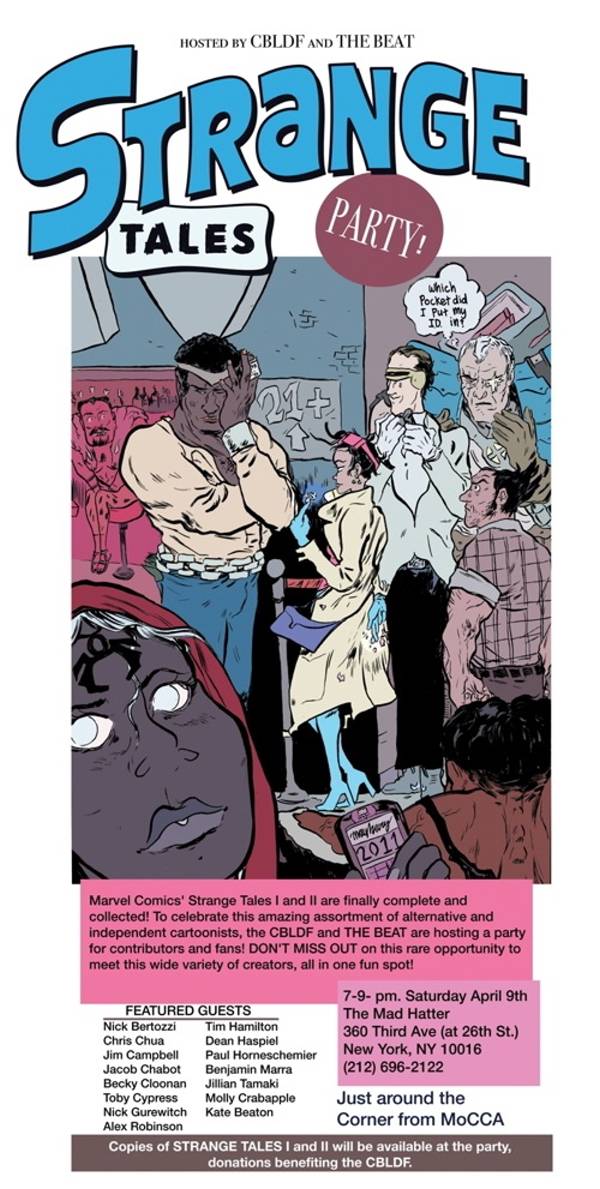
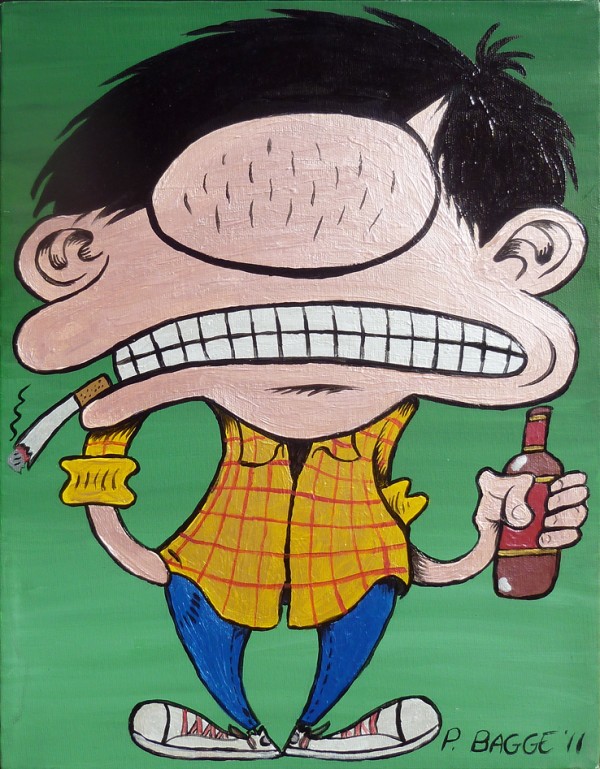


 Links to stories, eyewitness accounts and resources concerning

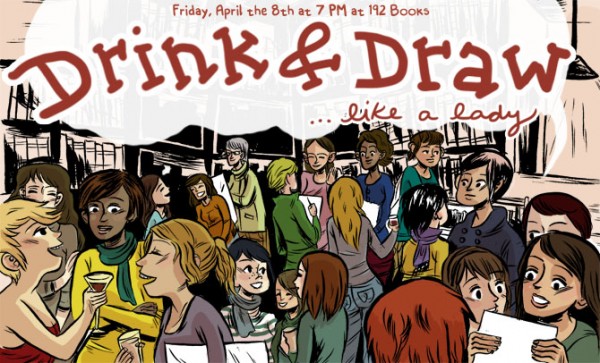
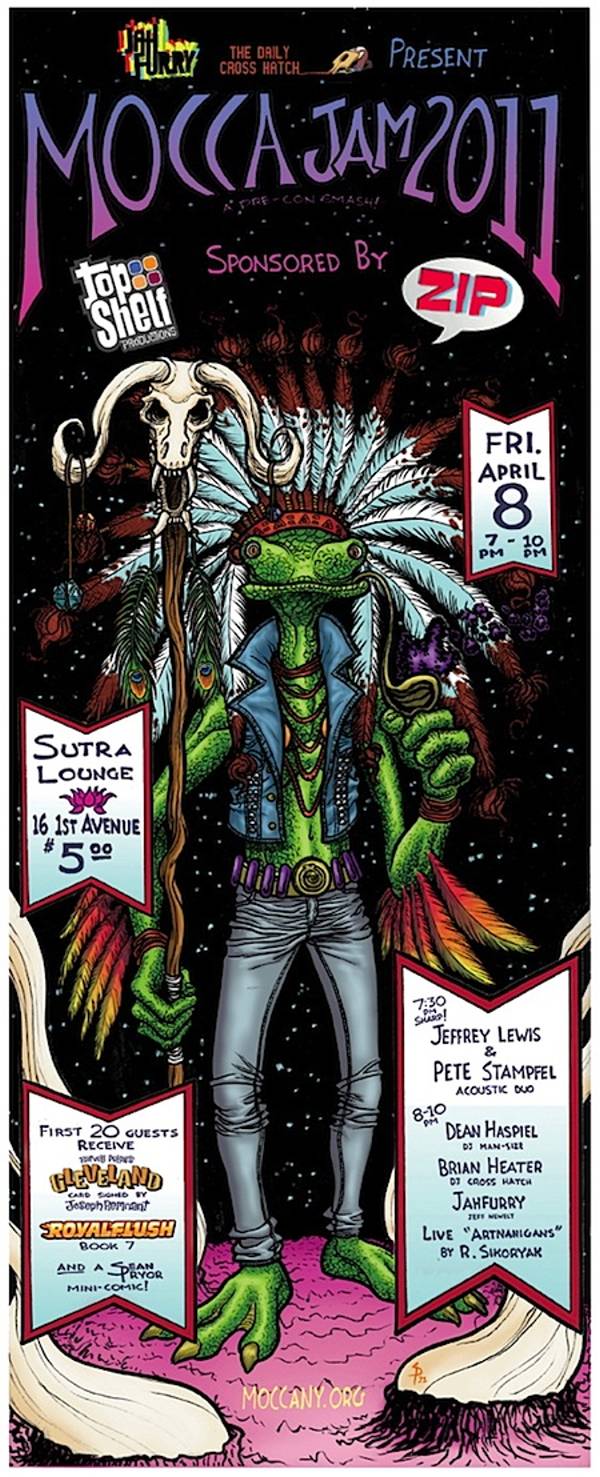
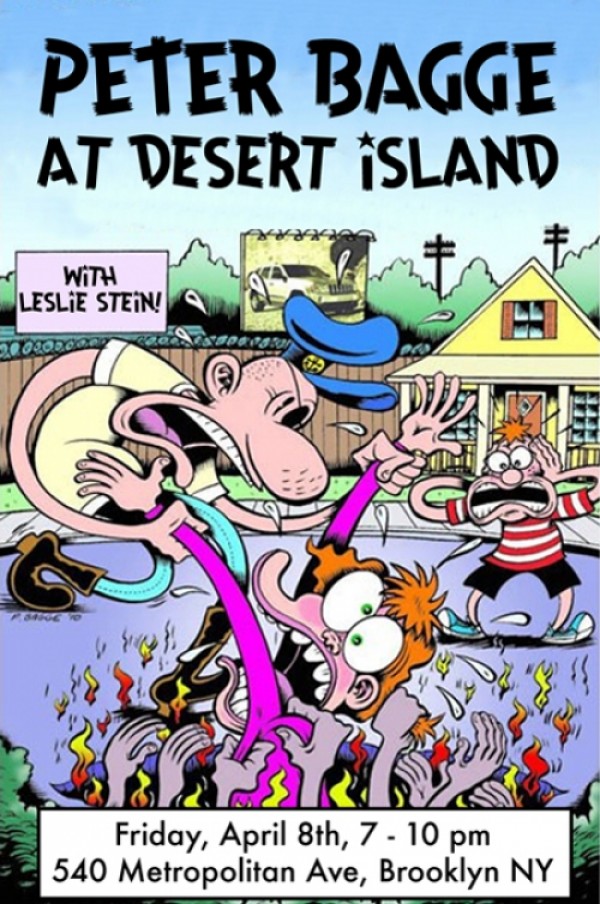

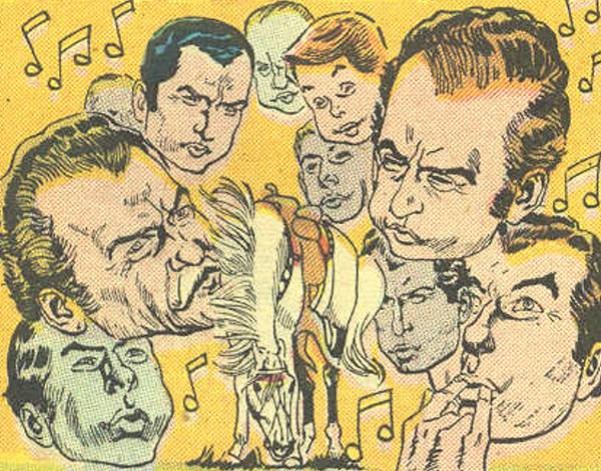
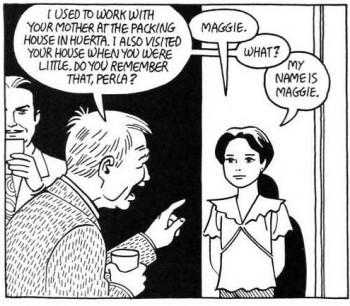 * I have

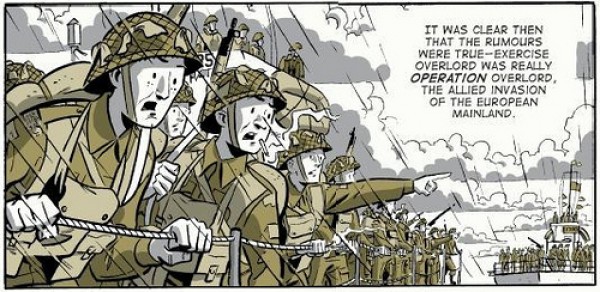
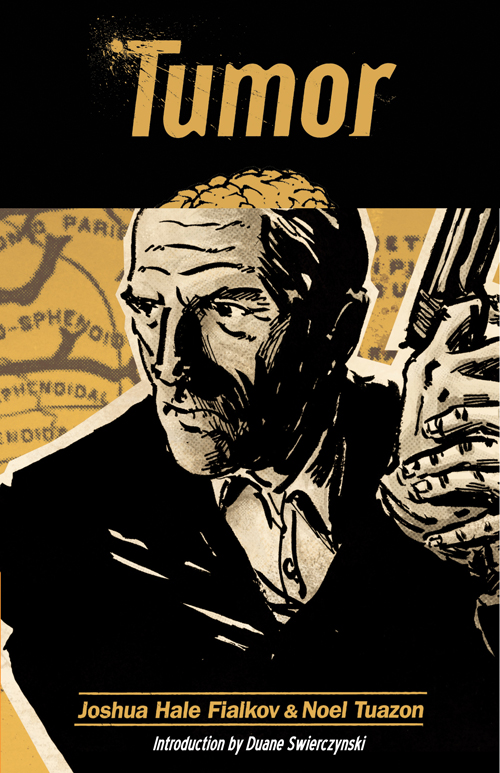
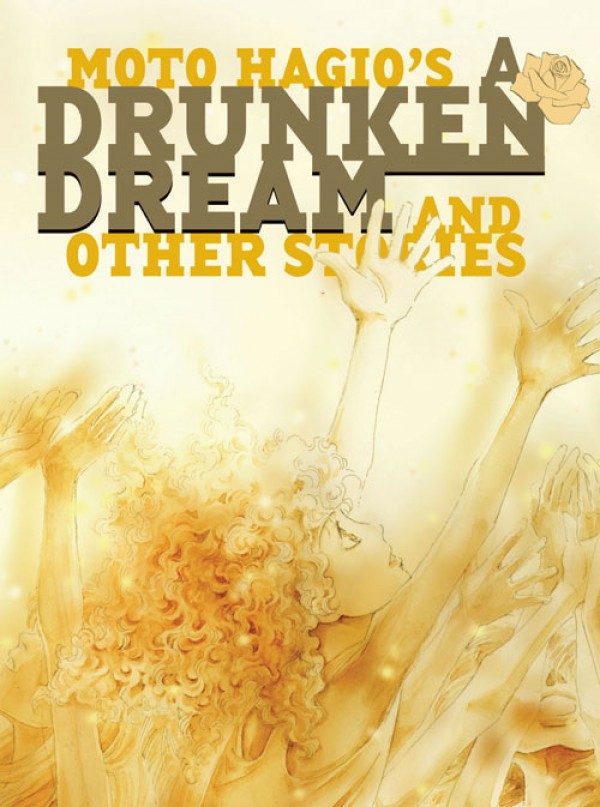

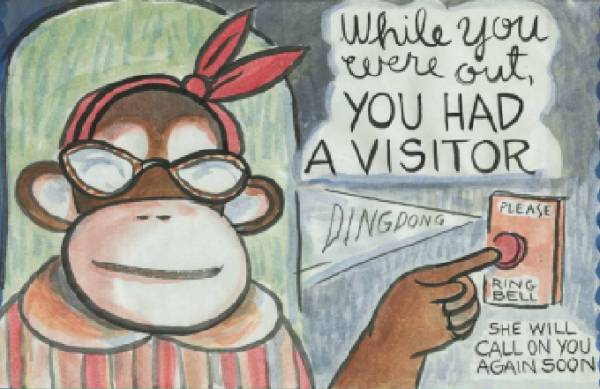
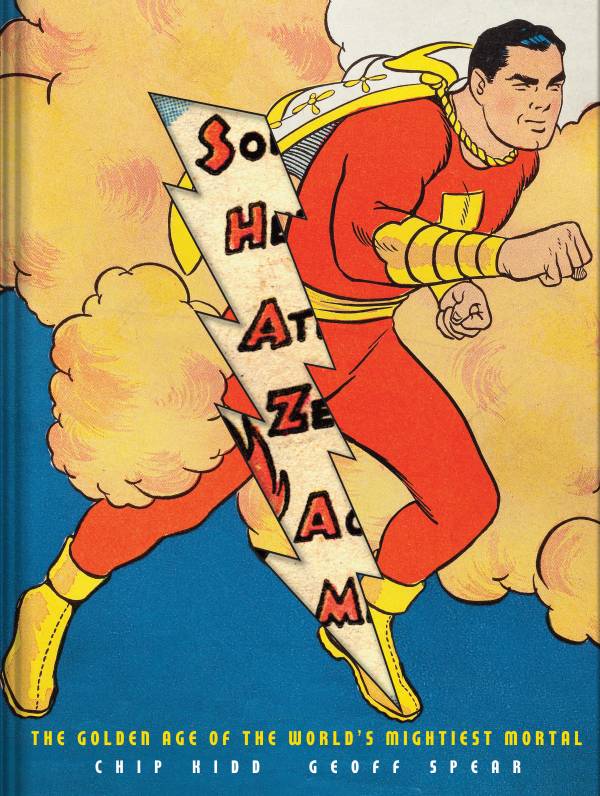
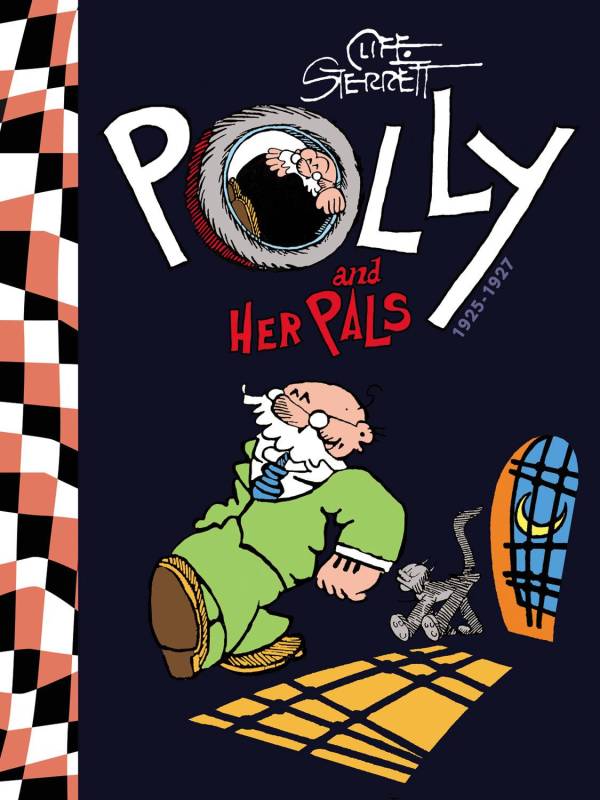
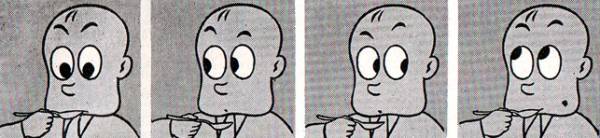
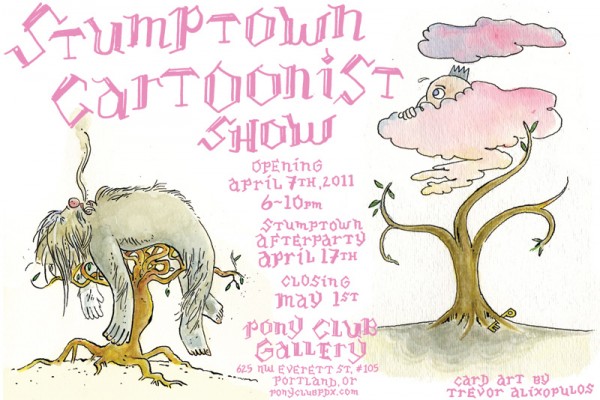


 * the New York cartooning collective Pizza Island

 By Tom Spurgeon
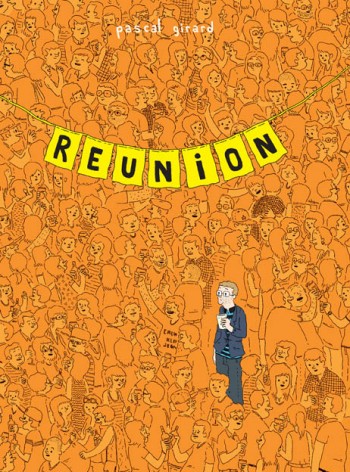 Here are the books that make an impression on me staring at this week's no-doubt largely accurate list of books shipping from Diamond Comic Distributors, Inc. to comic book and hobby shops across North America.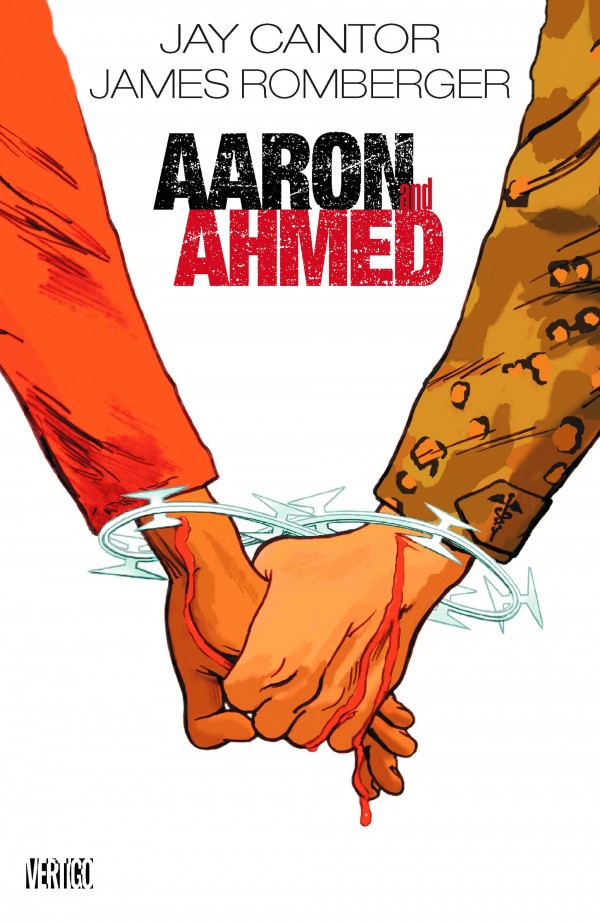
 I know from covering it in blogger's fashion here that the case doesn't interest most people but for those that are interested it unlocks dams of certainty and passion as to what's just and what's not that make it difficult to find any path into the matter not already trail-blazed by an advocate or critic of the court case. That's usually okay, but the legal foundations feel so different here that I think there's a large disconnect in terms of what a lot of folks see as appropriate potential action. That doesn't stop people agitating for one way or another of looking at the matter.
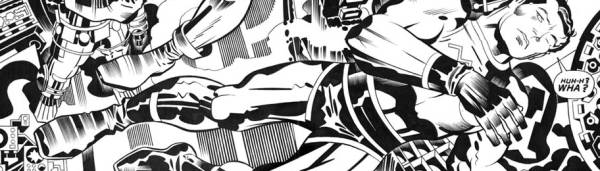
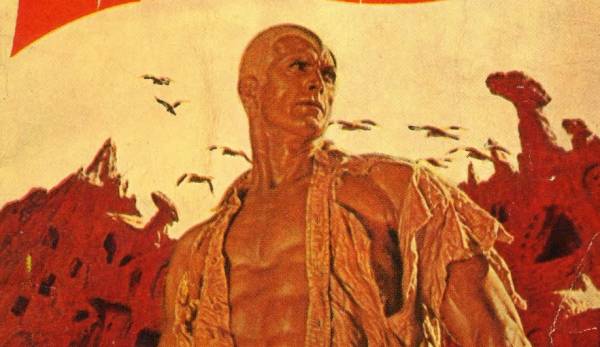
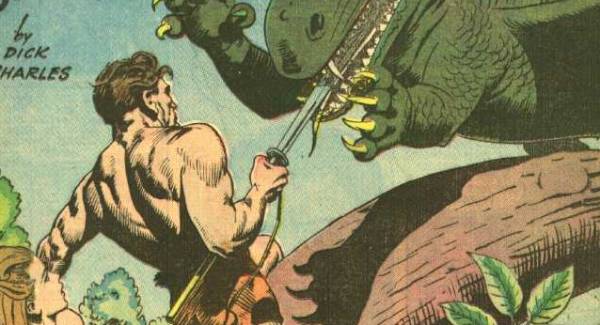
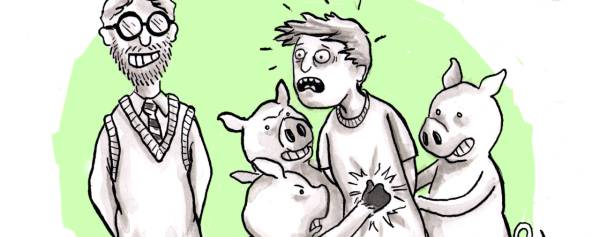
 * two must-listen interviews out there, if you haven't yet downloaded them. Inkstuds

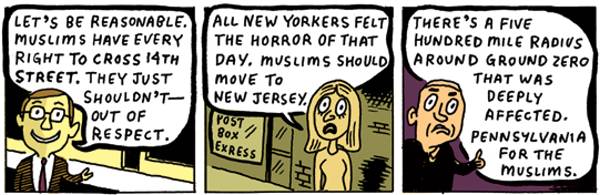

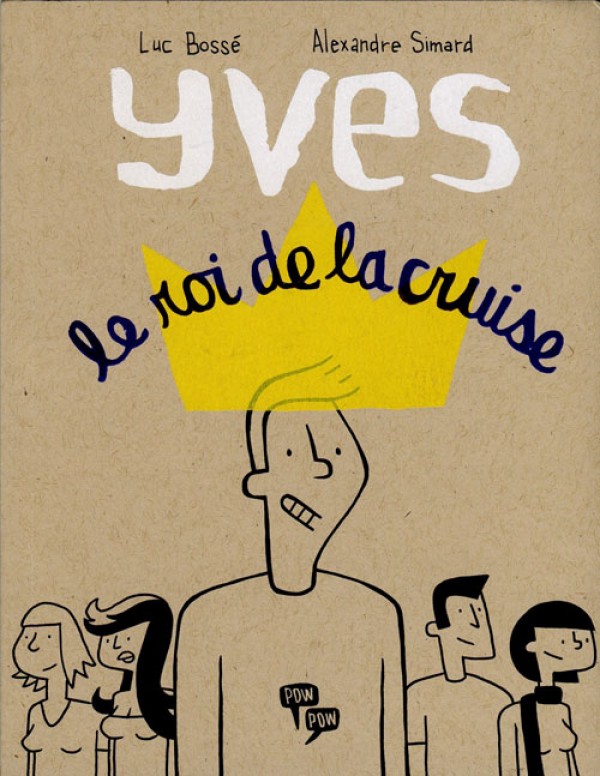
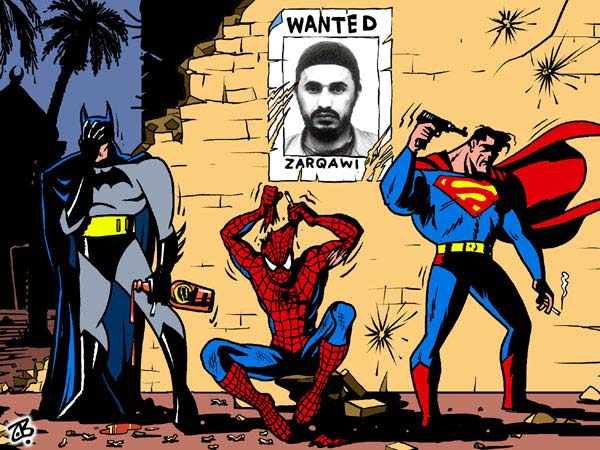
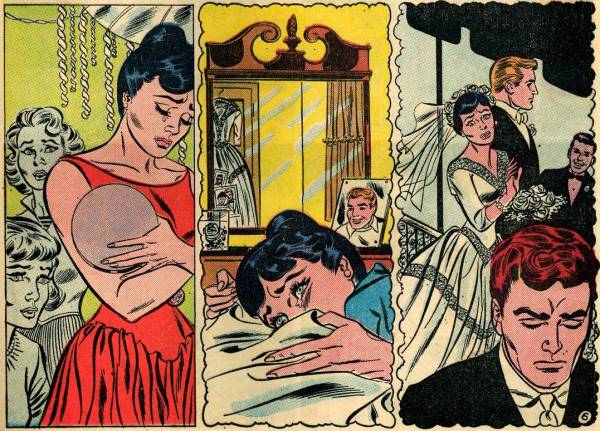
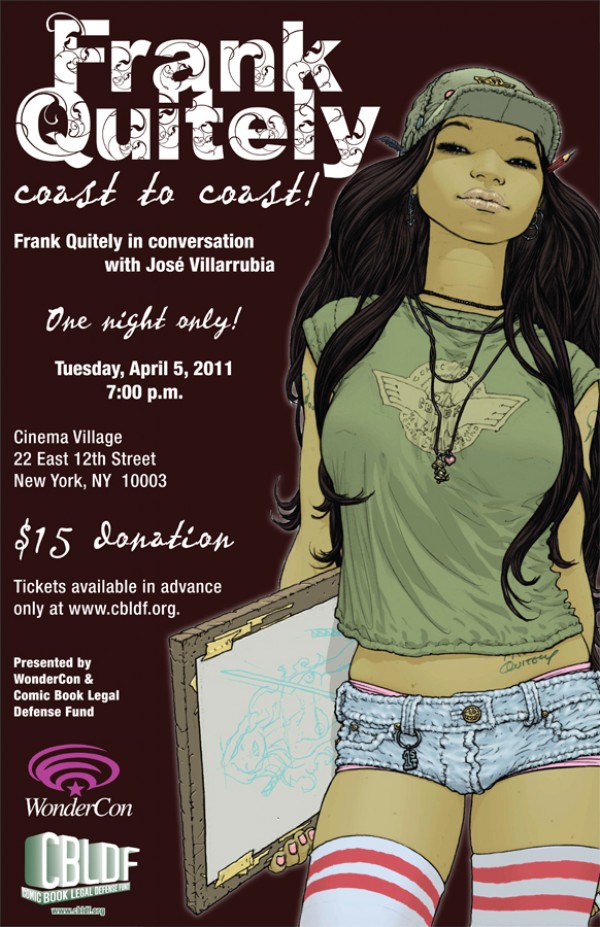
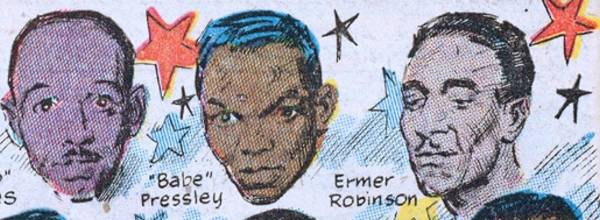
 * D+Q
* D+Q 


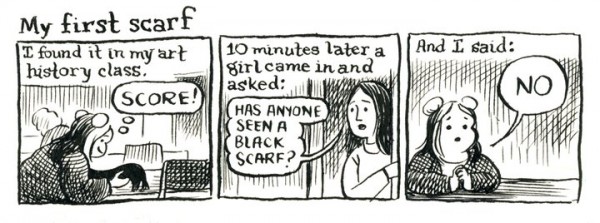

 * oh my gosh, after years of my begging for it we finally get to see